Understanding the Return Conveyor: Essential Insights from Industry Experience
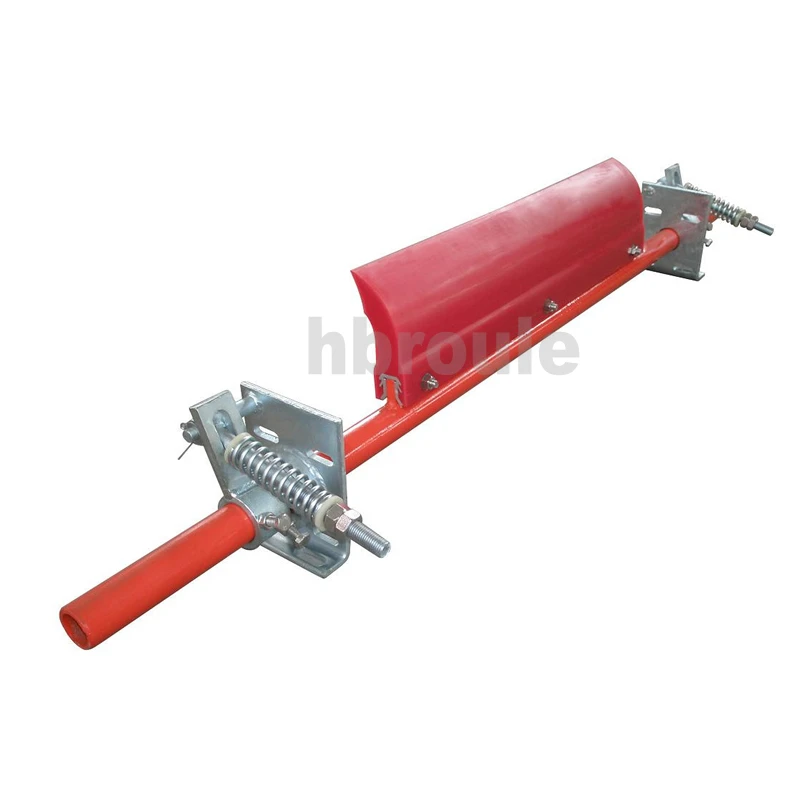
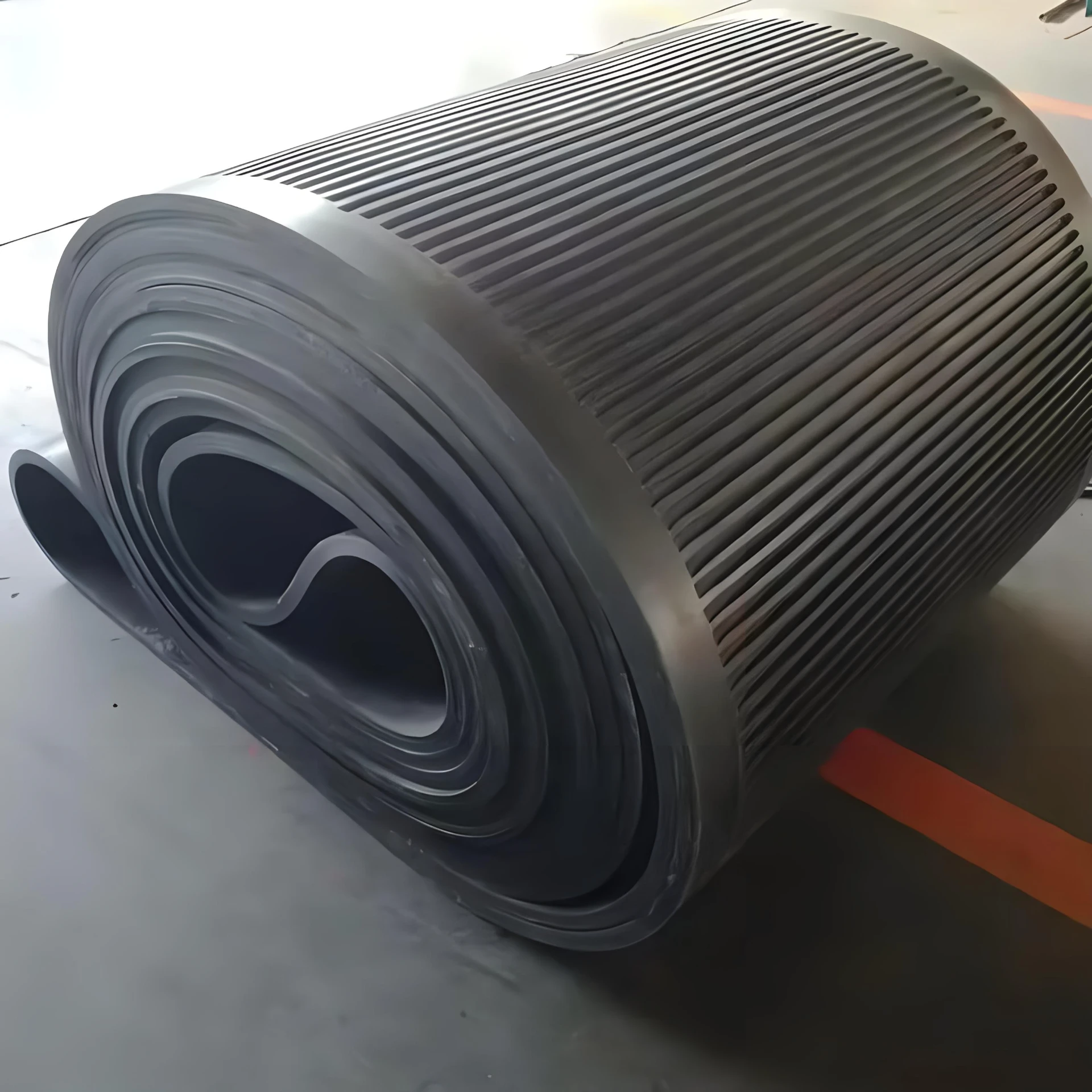
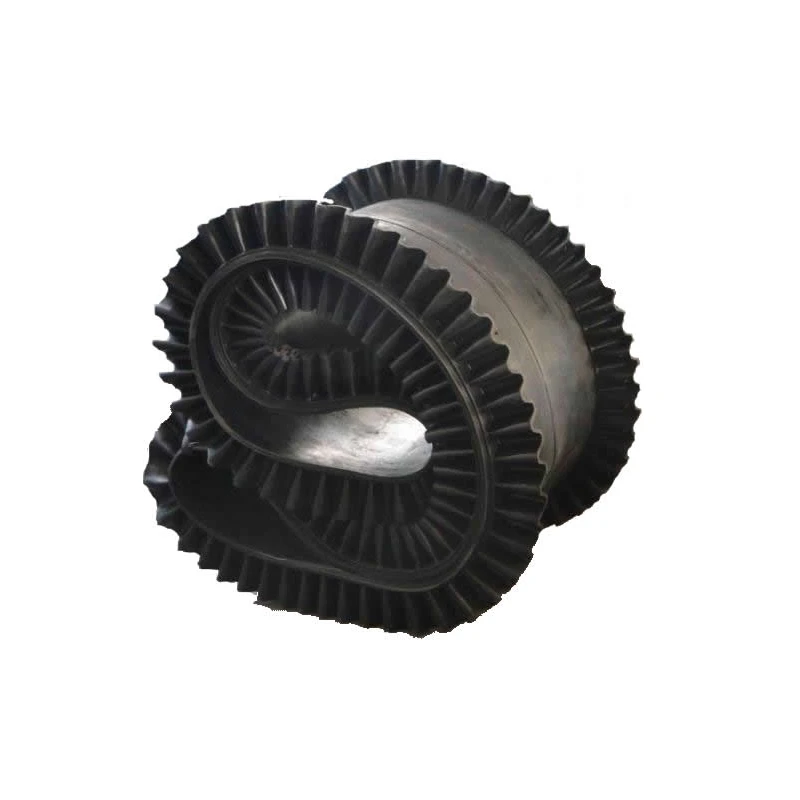
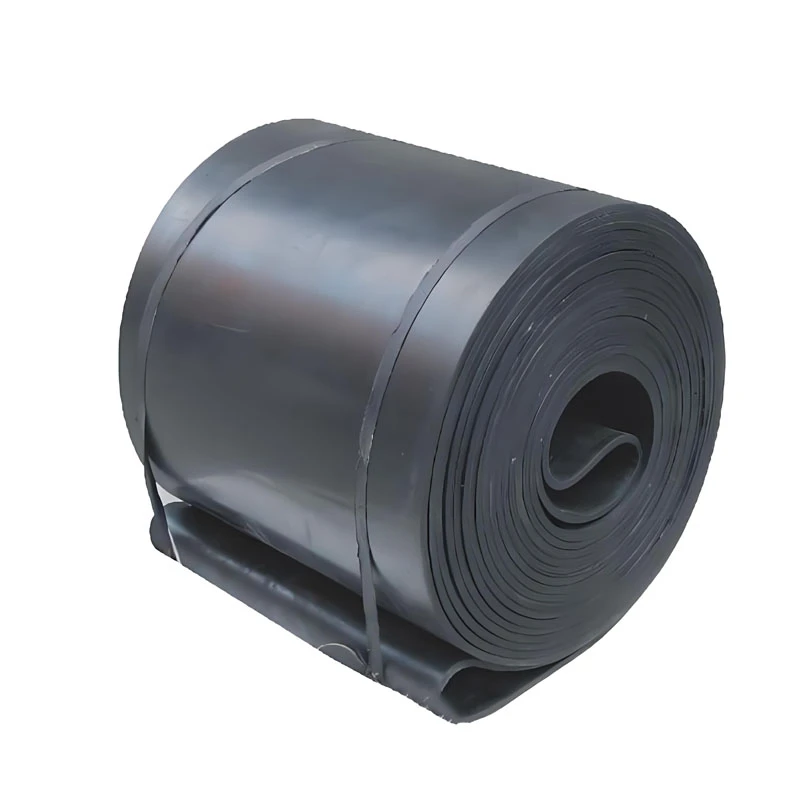
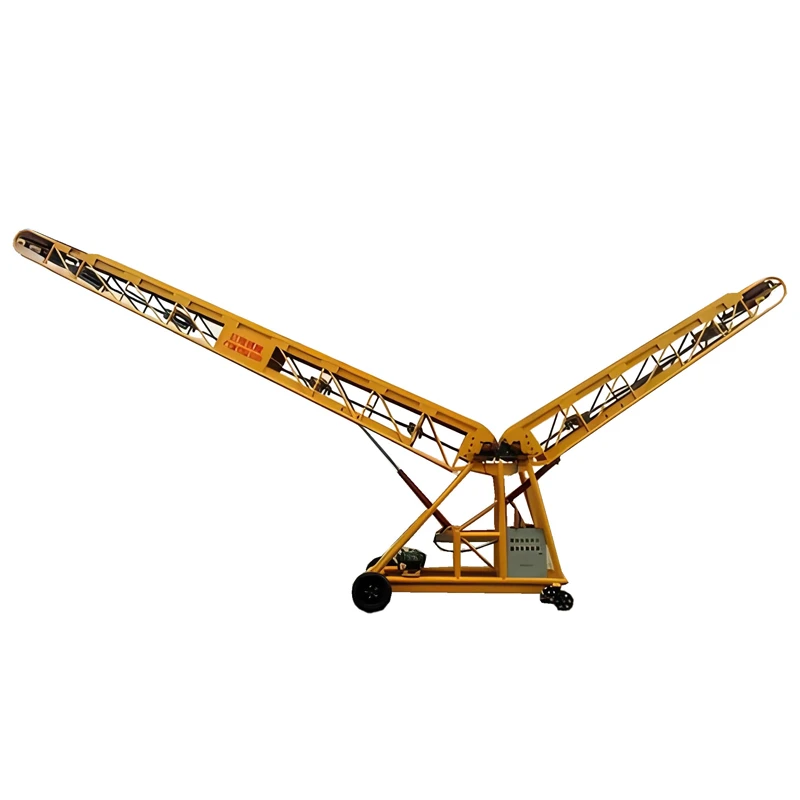
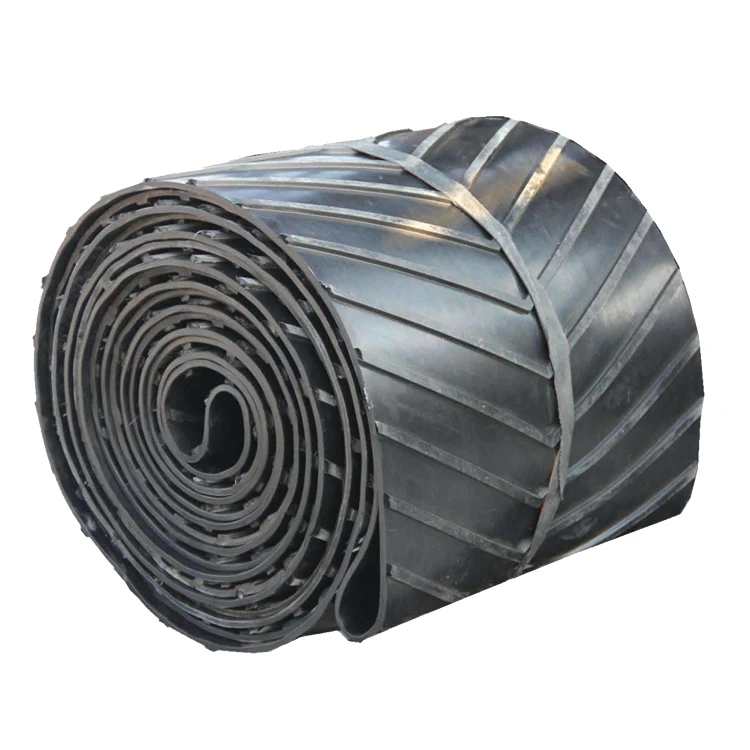
Having spent over a decade knee-deep in industrial equipment environments, I can say the return conveyor is one of those behind-the-scenes workhorses that rarely get the spotlight, but frankly, it’s pivotal to many plant operations. They essentially take belts, rollers, and that simple yet critical task of recycling unused materials back into the system, reducing waste and downtime. I’ve seen how subtle design variations can dramatically affect productivity, so it’s always worth examining the details.
Oddly enough, return conveyors often feel overlooked because they don’t carry the product load themselves — instead, they handle the reverse path of the belt, which, under constant tension and grit, is no small feat. Years ago, I was at a site where the difference between a poorly designed and a well-made return conveyor was like night and day. Frequent belt slips, excessive noise, and maintenance downtime vanished once we upgraded the roller quality and adjusted the frame alignment properly.
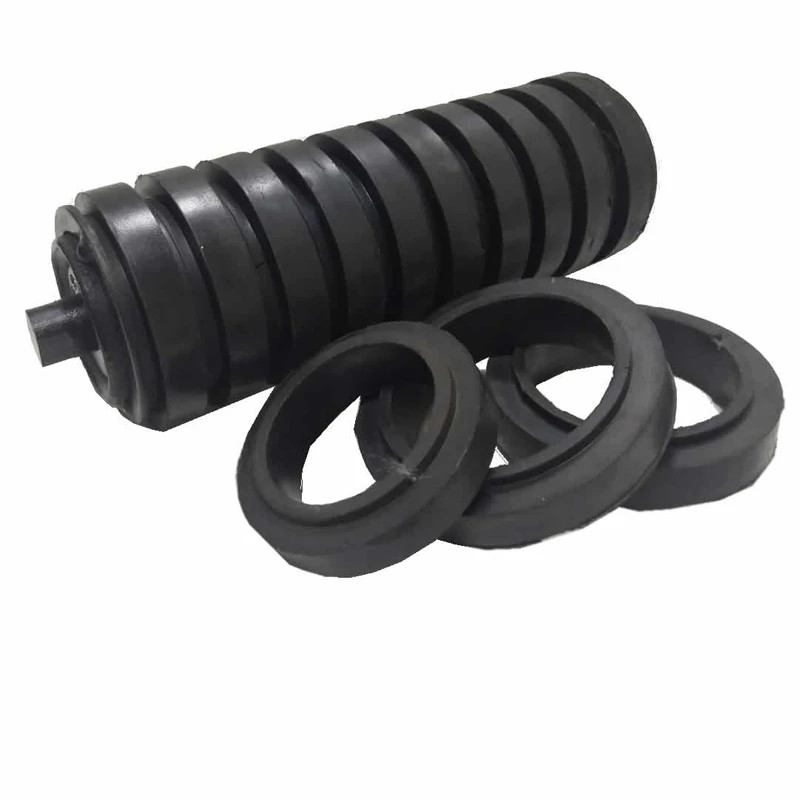
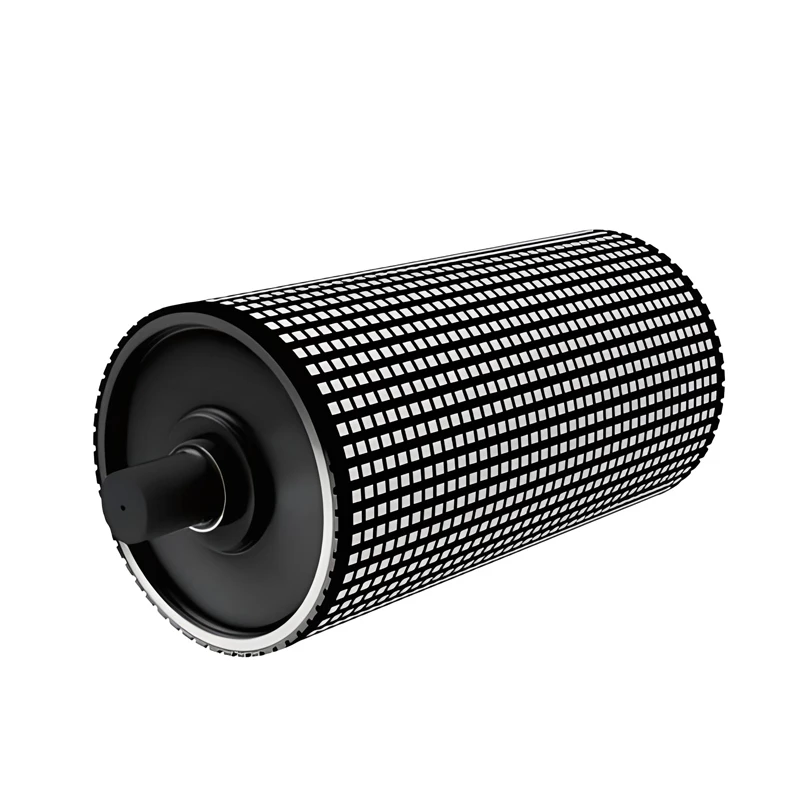
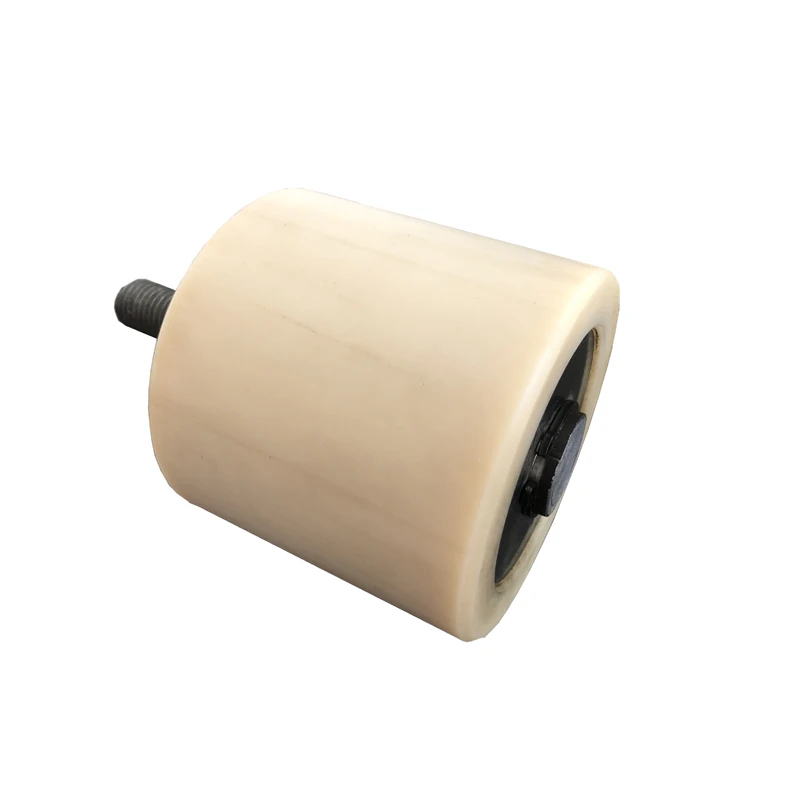
In terms of materials, most return conveyors are constructed using galvanized steel or stainless steel frames, with rollers crafted from materials like cold-rolled steel or high-density polyethylene (HDPE). The tougher and more corrosion-resistant the setup, the longer maintenance intervals tend to be. For example, in a particularly humid environment I worked in, switching rollers from mild steel to zinc-coated steel cut replacement frequency by over 40% — that was a game changer.
Many engineers I know emphasize the importance of proper tension control. Too tight and the system grinds itself down, too loose and the belt slips causing operational bottlenecks. Customization options often include adjustable frames, idler spacing, and specialized rollers to suit particular materials or conditions, which definitely help fine-tune performance in real terms.
Here’s a quick product specification summary based on common return conveyor builds I’ve encountered and sourced:
| Specification | Typical Value |
|---|---|
| Frame Material | Galvanized Steel |
| Roller Diameter | 76 mm to 108 mm |
| Roller Material | Cold-Rolled Steel / HDPE |
| Idler Spacing | 300 mm to 600 mm |
| Operating Temperature | -20°C to 60°C |
| Load Capacity | Varies by roller type |
When choosing a vendor, you might notice how the offering can vary, especially around customization and quality assurances. To give you a clearer idea, here’s a simple comparison I often use when working with clients (HG Conveyor Belt being a prime example):
| Feature | Vendor A | Vendor B | HG Conveyor Belt |
|---|---|---|---|
| Customization Options | Limited | Moderate | Extensive, including tailored rollers and frames |
| Material Quality | Standard steel | Galvanized steel | Premium galvanized & stainless options |
| Lead Time | 4-6 weeks | 3-5 weeks | 2-4 weeks |
| After-Sales Support | Basic | Moderate | Comprehensive with technical guidance |
| Price | Low | Mid-range | Competitive with quality focus |
One small story comes to mind that illustrates the importance of the return conveyor’s durability. At a mid-sized quarry operation I once supported, unexpected downtime caused by a flimsy return conveyor roller wiped out nearly half a day’s production. After switching to a robust design with better environmental sealing and a proven track record — similar to what you’d find with HG Conveyor Belt products — they enjoyed weeks of uninterrupted operation. I noticed it wasn’t just about the hardware but also about vendor reliability, which often doesn’t get discussed openly enough.
In my experience, embracing quality, precise engineering, and vendor support really pays off. So, whether you’re retrofitting an old line or specifying a new one, don’t overlook the return conveyor’s silent but critical role. It’s often those small components that determine if your system hums smoothly or grinds to a halt.
To summarize, the return conveyor blends simplicity and complexity — simple to understand, yet complex in how its details affect overall plant efficiency. If you want to dig deeper, checking out specialized suppliers is a great starting point.
Always interesting to see how much those “return” components contribute when you look closely.
References:
- Industry Standard Conveyor Technology Reports, 2022
- Maintenance Records and Case Studies from Quarry Operations, 2018-2023
- Vendor Technical Data Sheets and Customer Testimonials (HG Conveyor Belt)