Why a Tracked Conveyor Could Be Your Next Industrial Game-Changer
Having spent quite a few years designing and troubleshooting material handling systems, I can tell you that the humble tracked conveyor often doesn’t get the credit it deserves. It’s one of those workhorses hidden in plain sight – not flashy, but incredibly effective and versatile.
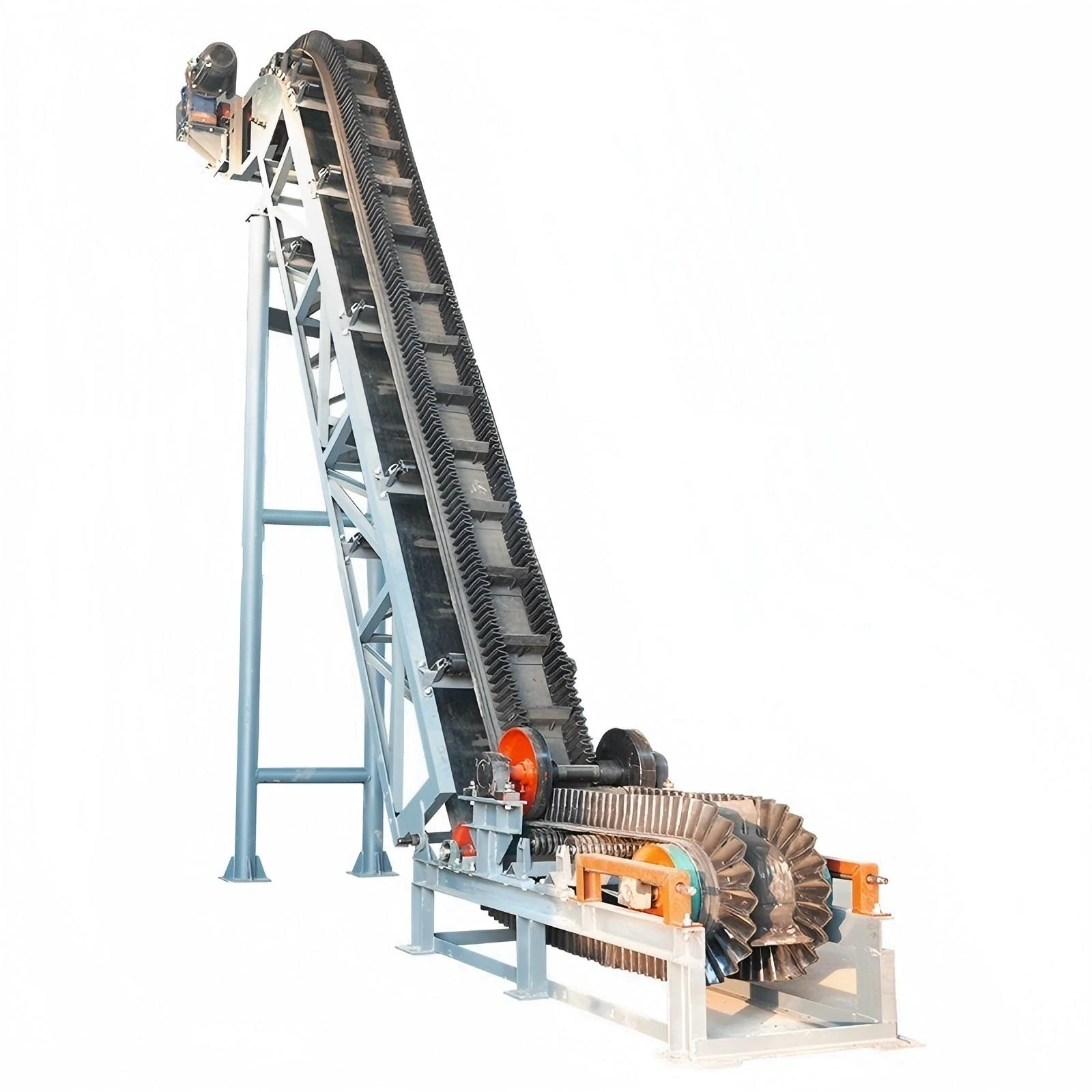
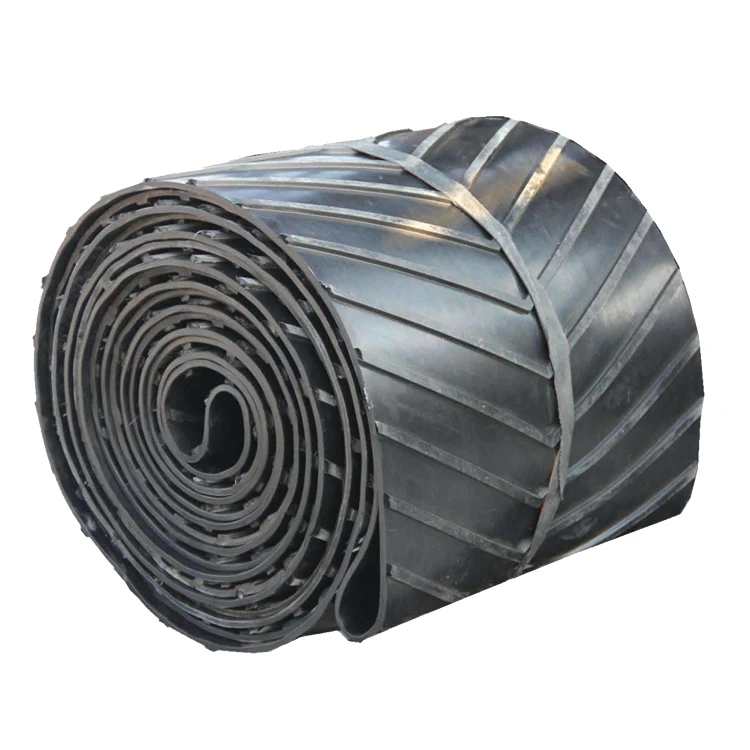
In real terms, tracked conveyors shine in environments where traditional belt conveyors or roller conveyors just don’t cut it. You might be dealing with heavy, sharp, or irregular loads, slippery surfaces, or even extreme temperatures. A tracked conveyor offers reliable grip and precise movement that keeps production lines smooth, even in tough conditions.
Oddly enough, the design simplicity masks the engineering finesse behind them. Most tracked conveyors feature robust polyurethane or rubber tracks, reinforced with steel or Kevlar cords, ensuring longevity and resistance to abrasion. Frankly, I’ve seen conveyors last well beyond their expected life thanks to quality materials and a thoughtful approach to tensioning and cleaning mechanisms.
| Specification | Details |
|---|---|
| Track Material | High-durability polyurethane with embedded steel cords |
| Width Options | From 200 mm to 1000 mm, customized widths available |
| Maximum Load Capacity | Up to 1500 kg per meter, depending on model |
| Operating Temperature Range | -20°C to 80°C (standard), options for extreme ranges |
| Drive Type | Electro-mechanical with adjustable speed control |
| Custom Features | Side guards, cleats, modular sections, sensors |
You might be wondering—how do I choose between vendors when shopping for tracked conveyors? Based on my experience and feedback from colleagues in various industries, here’s a quick rundown of how some major suppliers stack up.
| Feature / Vendor | HG Conveyor Belt | Vendor B | Vendor C |
|---|---|---|---|
| Customization Flexibility | Excellent – wide range of track materials and sizes | Moderate – mostly standard models | Good – some custom options |
| Lead Time | 2-4 weeks typically | 4-6 weeks | 3-5 weeks |
| Technical Support | Responsive, on-site assistance available | Mostly remote support | Average, some delays |
| Warranty | 24 months standard | 12-18 months | 18 months |
| Price Range | Competitive | Lower-end budget options | Premium pricing |
One of the more rewarding parts of my job is seeing how tracked conveyors solve real production challenges. Just recently, a client in the recycling industry shared how switching to a tracked conveyor system — specifically from HG Conveyor Belt — dramatically improved their scrap sorting efficiency. The precise grip and the modular design reduced downtime in a way their previous systems never managed. It’s the kind of practical success that reminds you why we bother honing these technologies in the first place.
Truly, investing in a tracked conveyor isn’t just about moving stuff from point A to B— it’s about reliability, adaptability, and long-term peace of mind. You get a system that can handle the unpredictability of everyday industrial use without breaking a sweat (or at least breaking less often). And when you talk to engineers and operators alike, that peace of mind matters more than any spec sheet.
If you’re considering upgrading or setting up your line, I suggest you take a close look at the tracked conveyor options from trusted vendors. Check their track materials, load ratings, and customization options carefully. And don’t forget to ask about support and warranty — those make a real difference down the road.
In my experience, combining solid engineering insights with real-world feedback is the way to choose wisely. The tracked conveyor isn’t a flashy new toy, but it might just be the most practical upgrade you do this year.
Happy conveying!
References:
- Material Handling Industry Insights, MHIA (2023)
- HG Conveyor Belt Product Manuals and Testing Reports (2024)
- Interview with Design Engineers and Plant Managers, 2023