Radial Conveyor is a key solution in the industry, specifically within material handling and manufacturing sectors. This article explores how https://www.hgconveyorbelt.com supports professionals with durable, high-performance products, and explains why this product is an ideal choice for businesses in these sectors.
Table of Contents
- Radial Conveyor Overview
- Benefits & Use Cases of Radial Conveyor
- Cost, Maintenance & User Experience
- Sustainability & Market Trends
- Frequently Asked Questions about Radial Conveyor
- Conclusion on Radial Conveyor from China
Radial Conveyor Overview
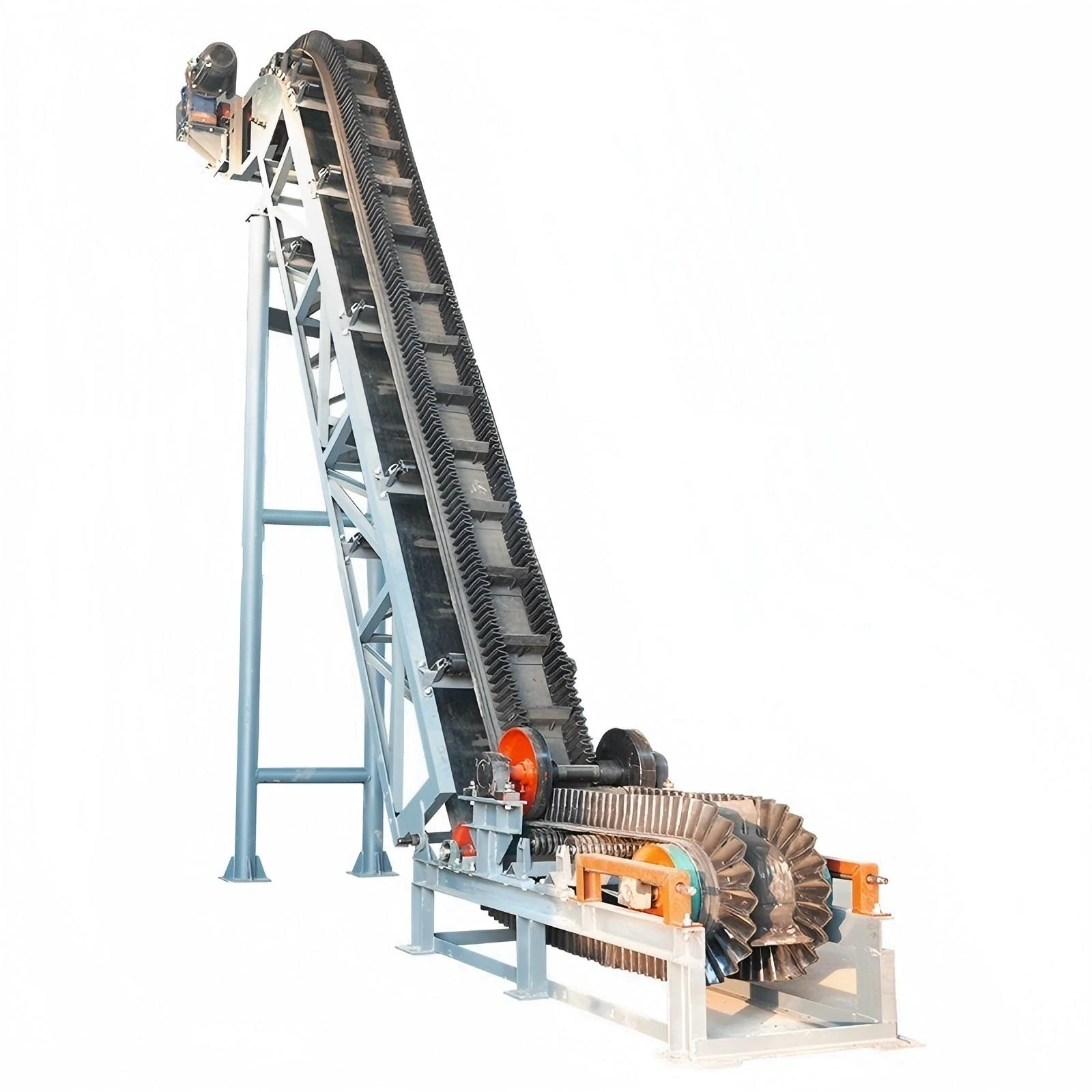
At its core, a radial conveyor is a conveyor system designed to pivot or rotate around a fixed point to direct materials efficiently across varying paths. It’s like having a conveyor belt with a built-in swivel, allowing you to transfer goods in multiple directions without multiple conveyor lines cluttering your workspace. Frankly, it’s a clever way to optimize space while maintaining high throughput in busy industrial environments.
From a technical angle, these conveyors typically include robust steel frames, electric motors with precise control mechanisms, and heavy-duty belts that withstand high loads and continuous operations. I’ve noticed that suppliers like HG Conveyor Belt emphasize tailored solutions to fit specific site layouts — that flexibility is invaluable. One interesting case was a large warehouse that reduced their transfer time by 30%, simply by switching to a radial conveyor design.
| Specification | Typical Range | Remarks |
|---|---|---|
| Belt Width | 500 – 1200 mm | Customized per demand |
| Load Capacity | Up to 1000 kg | Dependent on motor power |
| Rotation Angle | 30° to 180° | Flexible arc for versatility |
| Motor Power | 0.75 kW to 3 kW | Standard-/heavy-duty variants |
Benefits & Use Cases of Radial Conveyor
Radial Conveyors bring some pretty solid advantages. Their ability to swivel makes them excellent for tight spaces where traditional straight-line conveyors just won’t do. For industrial sectors — think automotive production lines, small-parts manufacturing, or distribution warehouses — this flexibility means smoother material flow and fewer manual interventions.
The competitive edge comes in durability and customization. The guys at HG Conveyorbelt, for instance, use high-grade steel and abrasion-resistant belts. This results in longer lifespan and less downtime. Oddly enough, many clients share how their operational efficiency has jumped, not only because the conveyors reduce clutter but because they're easier to maintain and adapt for changing production demands. It’s like having a conveyor system that grows with your business.
Cost, Maintenance & User Experience
When weighing up investment, companies should look beyond the sticker price. Sure, radial conveyors might cost a bit more upfront compared to simple straight conveyors, but the total cost of ownership favours them — thanks to reduced labor, lower repair frequency, and increased throughput. That’s the kind of ROI that makes finance teams smile.
In feedback from users in various sectors, common praise highlights the intuitive controls, the reliability of the motor systems, and the ease of integrating the conveyors into existing layouts. One warehouse manager I spoke to mentioned that downtime related to conveyor failures dropped by more than half after retrofitting with a radial option. And frankly, that’s the kind of assurance that brings peace of mind.
Sustainability & Market Trends
Sustainability isn’t just a buzzword here; it’s becoming a priority as regulations tighten and companies aim to shrink their environmental footprint. Radial conveyors, by optimizing material flows and reducing the need for multiple devices, can cut energy consumption overall. Plus, manufacturers like HG Conveyor Belt often incorporate recyclable materials and energy-efficient motors. Oddly enough, these trends are pushing the industry toward integrated smart solutions that track energy use and preventive maintenance automatically.
| Vendor | Product Range | Customization | Warranty & Support |
|---|---|---|---|
| HG Conveyorbelt | Comprehensive (conv, rollers, radial) | High - tailored to client layouts | 3 years + on-site support |
| Competitor A | Medium variety | Moderate | 1 year, phone support |
| Competitor B | Limited radial options | Low | 2 years, remote service |
Frequently Asked Questions about Radial Conveyor
- What is Radial Conveyor and how does it work?
- A radial conveyor is essentially a conveyor belt system that can rotate or pivot around a fixed point, making it possible to direct products along curved paths instead of a straight line. It works by combining a motor-driven belt with a swiveling base, so materials move smoothly to different locations without needing multiple conveyors.
- What are the main benefits of using Radial Conveyor in industrial applications?
- Key benefits include saving floor space by replacing multiple conveyors, increasing flexibility in production layouts, improving throughput by reducing manual handling, and enhancing durability with tough materials designed for industrial use. These benefits often translate to cost savings and higher productivity.
- How does Radial Conveyor compare to traditional alternatives?
- Compared to traditional straight conveyors, radial conveyors offer greater flexibility, can reduce the amount of equipment needed, and often integrate smarter controls for adjusting direction. This usually results in less installation complexity and more adaptable workflows.
- What industries can benefit most from Radial Conveyor implementation?
- Industries like automotive assembly, packaging, pharmaceuticals, food processing, and logistics benefit greatly since they often require flexible, high-throughput conveyor layouts that adapt to changing production needs and limited space.
Conclusion on Radial Conveyor from china
To sum it up, radial conveyors represent a smart investment for businesses looking to optimize material flow with a blend of durability, customization, and operational efficiency. Choosing a trusted supplier, like HG Conveyor Belt, ensures you get the support and quality necessary for today’s demanding environments.
- Radial conveyors combine space-saving design with robust performance.
- Visit our website: https://www.hgconveyorbelt.com
Reflecting on these conveyors, it feels like the future of flexible, resilient material handling is all about how seamlessly your equipment adapts to your unique workflow—and radial conveyors fit that bill rather nicely.