Understanding EP Conveyor Belts: The Backbone of Modern Material Transport
If you’ve ever watched heavy industry or logistics operations, chances are you’ve seen EP conveyor belts in action without really thinking about them. Yet, this humble piece of engineering is vital worldwide — from mining in Australia, to textile factories in Europe, to humanitarian aid logistics in Africa. So why is it worth pausing to consider? Because these belts do much more than move stuff around; they help entire industries run smoothly, efficiently, and sustainably. And ironically, the more global supply chains strain under rising demands, the more crucial good conveyor belts become.
Why EP Conveyor Belts Matter Globally
The conveyor belt market is expected to hit a valuation north of $6 billion by 2030, according to recent ISO data. That’s not just because factories and ports need faster transport — it’s about minimizing energy consumption, reducing waste, and creating safer working environments. UNESCO notes that industrial automation that includes reliable belt systems supports thousands of jobs worldwide, improving socio-economic conditions across the board.
Yet, the challenge remains: how do companies and governments ensure these belts can handle heavier loads, harsher conditions, and longer operational hours without failing? Enter the EP conveyor belt, designed to meet tough environments while still being surprisingly versatile.
What Exactly Is an EP Conveyor Belt?
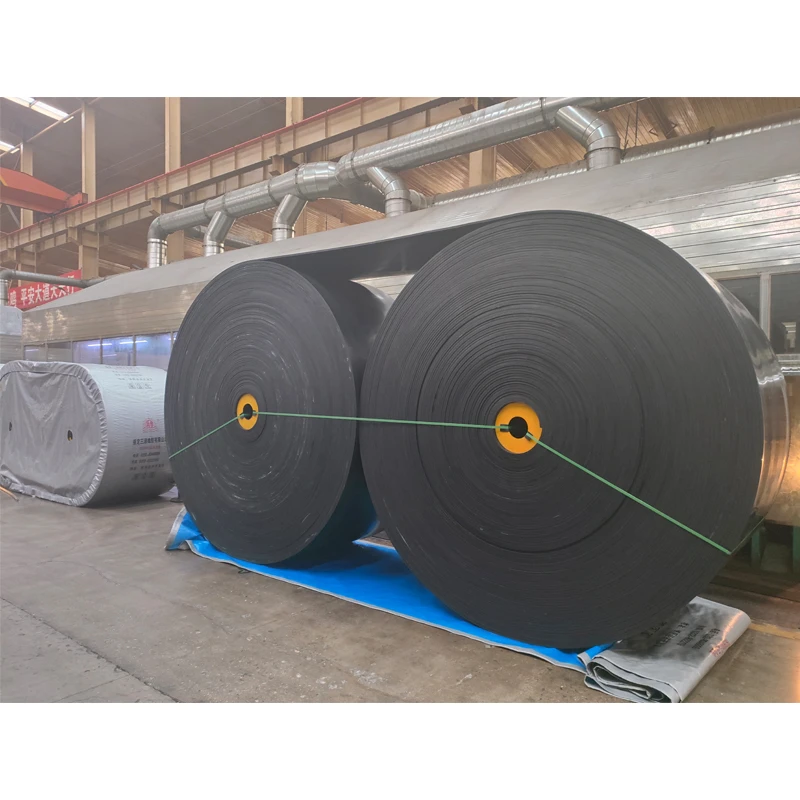
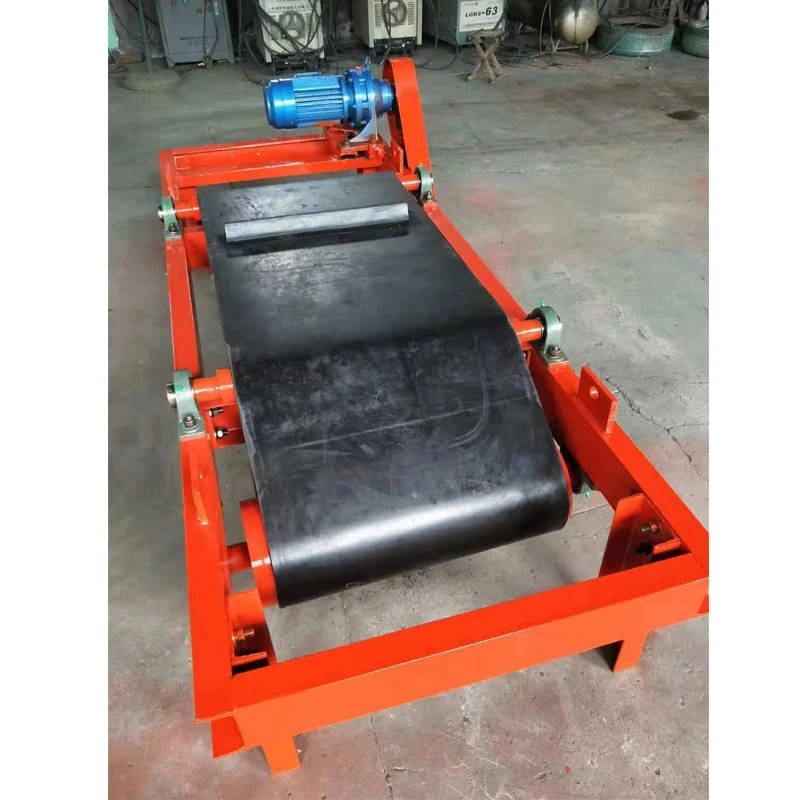
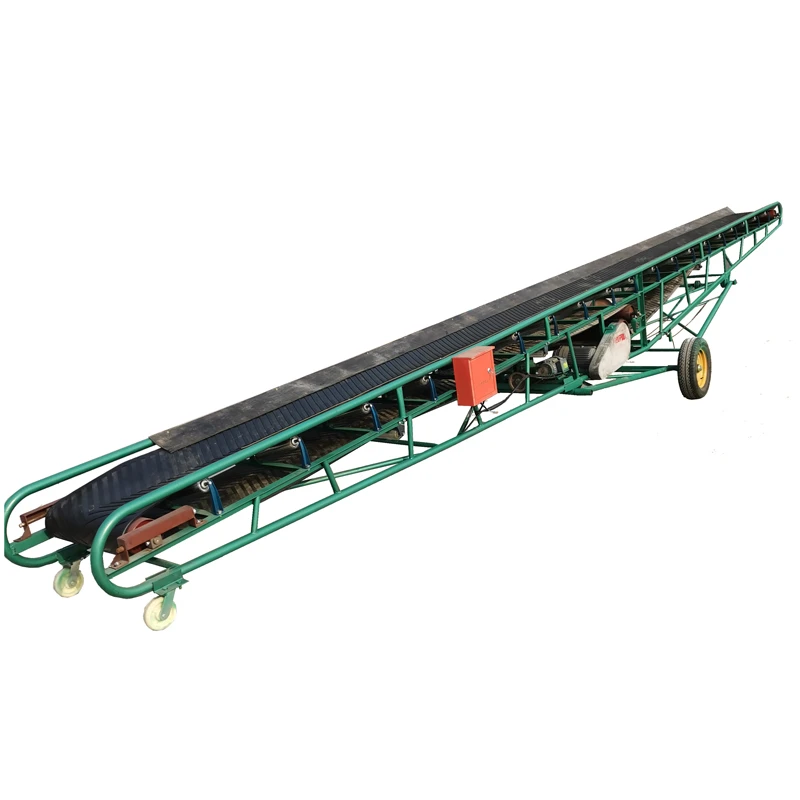
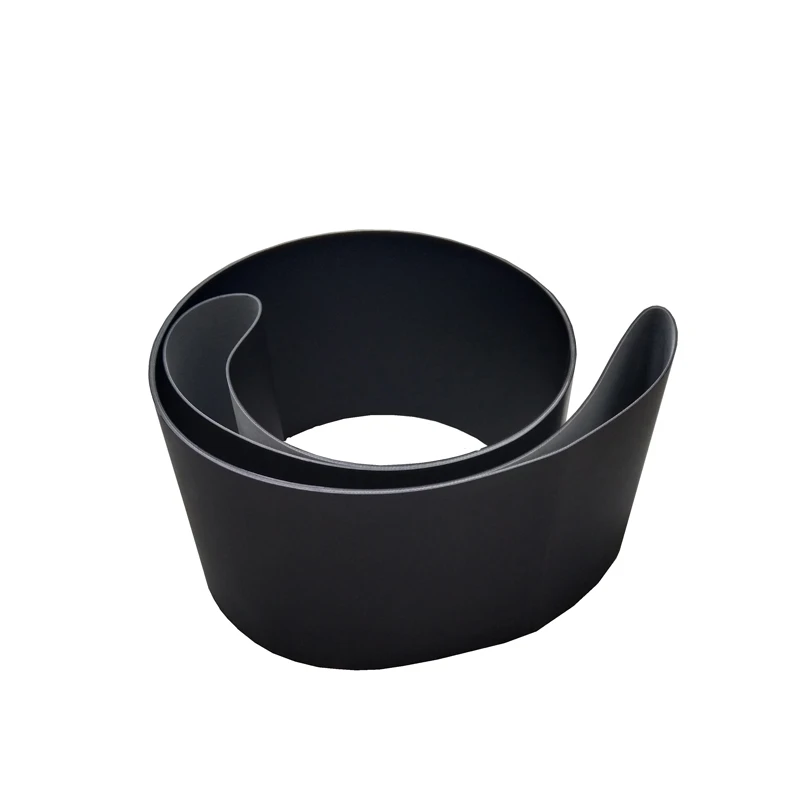
In the simplest terms, an EP conveyor belt is a type of conveyor belt made up of polyester (E) and polyamide (P) layers as its core fabric. Frankly, these synthetic fibers create an optimal balance — combining strength, flexibility, and durability. The belt acts as a moving platform for bulk materials, parcels, or components inside factories, warehouses, or mining sites.
The acronyms might seem confusing, but understanding the structure helps to appreciate why these belts can last for years, even under heavy stress. Plus, they’re critical in sectors like construction, ports, agricultural processing, even disaster relief logistics (think tons of supplies moving quickly across rough terrain).
Mini takeaway:
- EP conveyor belts use engineered polyester/polyamide cores for strength and flexibility.
- They’re foundational in material handling in many industrial and humanitarian sectors.
Core Components and Why They Matter
Durability
One of the standout qualities of EP conveyor belts is their resistance to wear and fatigue. Companies report that these belts handle continuous operation, sometimes 24/7, for years at a stretch without needing replacement. In real terms, that means less downtime, fewer safety risks from broken belts, and better plant performance.
Flexibility
The polyester core allows the belt to bend without cracking, so they’re perfect for complicated conveyor layouts with curves and inclines. Many plants aren’t just straight lines; odd angles or vertical transport are common, and the EP belts adapt accordingly.
Cost Efficiency
These belts strike a practical balance — they’re not the cheapest on the market, but they offer high lifespan-to-cost ratio. Over time, money saved on downtime, repairs, and energy usage often offsets the initial investment.
Resistance to Environmental Factors
The synthetic fibers resist moisture, oil, and common abrasives that degrade natural fiber belts. Some EP belts come with additional coatings for UV resistance or temperature tolerance, increasing their use outdoors or in harsh climates.
Energy Efficiency
The low weight and smooth surface help machines use less power. It’s not flashy, sure, but over months and years, those energy savings add up — especially in huge operations.
Practical Impact
From quarry machines in the UAE to textile mills in Italy, those factors combined mean EP belts get the job done reliably and efficiently — the kind of silent workhorse few notice until it breaks.
Mini takeaway:
- Durability and flexibility keep EP belts running with minimal disruption.
- They’re a cost-effective solution, with environmental resistance a big bonus.
- Energy savings tie directly into modern sustainability goals.
Global Applications and Real-World Examples
Oddly enough, the EP conveyor belt is everywhere once you look for it. Mining operations in Canada use them to move heavy loads of ore over long distances. Ports in Rotterdam and Singapore rely on EP belts to speed container handling while cutting energy bills. In Africa, NGOs have innovated lightweight conveyor systems with EP belts to deliver food aid faster to remote communities after natural disasters.
- Mining Industry: Australian iron ore producers have adopted EP belts for their robustness in dusty, harsh environments.
- Manufacturing: Automotive plants in Germany use custom EP belts tailored to carry body parts along curved conveyor paths reliably.
- Humanitarian logistics: After cyclones in the Philippines, emergency responders used EP belt conveyors to speed unloading supplies amidst flooded roads.
The beauty is in how adaptable the tech is — from rugged outdoors to clean assembly lines, the EP conveyor belt fits many needs.
Mini takeaway:
- EP conveyor belts are versatile in diverse industries globally.
- They improve efficiency in harsh conditions and humanitarian contexts alike.
Advantages and the Long Road Ahead
It feels almost mundane to list the advantages — but maybe that’s the point: when something just works so well, it becomes invisible in day-to-day operations, saving money and headaches silently.
- Longevity: Less frequent replacements mean less waste – a clear environmental plus.
- Safety and Reliability: Fewer belt failures reduce downtime and occupational hazards.
- Cost Effectiveness: Reduces operational and maintenance costs over time.
- Environmental Impact: Energy-efficient designs align with global sustainability targets.
On an emotional note, many operators appreciate the feeling of trust — knowing their belt won't give out during a critical shift can ease daily stress. As factories seek innovation, the EP conveyor belt remains a steady anchor.
Product Specification Table
| Feature | Typical Value | Remarks |
|---|---|---|
| Tensile Strength | 2000–3500 N/mm | Depends on ply count |
| Belt Thickness | 4–10 mm | Customizable based on load |
| Operating Temperature | -20°C to +80°C | Standard EP belts |
| Material Composition | Polyester (warp), Polyamide (weft) | Defines strength/flexibility |
| Weight | 4.0–7.5 kg/m² | Varies by thickness |
Comparing Top Vendors of EP Conveyor Belts
| Vendor | Product Range | Lead Time | Customization | Price Level |
|---|---|---|---|---|
| HG Conveyor Belt | EP, PVC, Rubber belts | 2-4 weeks | High (special coatings, widths) | Moderate |
| BeltTech Industries | EP, Fabric, Steel cord | 3-6 weeks | Medium | High |
| Global Belting | Rubber, EP, PU belts | 1-3 weeks | Low | Low |
What’s Next? Future Trends in EP Conveyor Belts
Technology never stands still – and neither do the needs conveyor belts must meet. The push toward sustainability means greener materials are on the horizon. Imagine EP belts partially made from recycled polyester fibers, reducing plastic waste — a step some manufacturers are experimenting with already.
Digital transformation also enters the picture: smart belts embedded with sensors can monitor wear and predict failures before they happen (there goes those unhappy surprise belt breaks!). Automated tension adjustments and integration with IoT systems offer plant managers better control, efficiency, and safety margins.
And although EP belts are already quite heat-resistant, new coatings and hybrid materials are expanding their usability in extreme environments — think deserts or cold-storage warehouses.
Challenges and How the Industry Is Responding
Still, it’s not all smooth. EP conveyor belts can be vulnerable to cuts or chemical exposure when mishandled. Installation and proper maintenance demand skilled technicians — not always easy in remote or fast-growing markets.
To counter this, companies emphasize comprehensive training, modular belt segments for quick swaps, and enhanced protective covers. Experts also suggest routine vibration and temperature monitoring to catch weaknesses early. These solutions don’t just patch problems — they often prevent them altogether.
FAQ: Your EP Conveyor Belt Questions Answered
- How long do EP conveyor belts typically last under continuous operation?
- Most EP conveyor belts have a lifespan of 5 to 10 years when properly installed and maintained, though this varies based on load, environment, and usage intensity.
- Can EP belts be used outdoor in harsh weather?
- Yes. EP conveyors resist moisture and UV rays well, but specialized coatings may be needed for extreme conditions like strong sun exposure or chemicals.
- Are EP belts compatible with automated conveyor systems?
- Absolutely. Their flexibility and strength make them ideal for integration with modern, sensor-equipped systems.
- How customizable are EP conveyor belts?
- They can be tailored in thickness, width, surface friction, and coatings to suit specific industries or materials handled.
- Is an EP conveyor belt a good investment for small-medium enterprises?
- Yes — their durability and efficiency often translate to lower total ownership costs, which benefits SMEs aiming for long-term reliability.
Wrapping It Up
In the grand scheme, the EP conveyor belt may not grab headlines like flashy robotics or AI. But its steady, proven performance silently supports countless operations around the world. That’s the kind of dependable technology that powers economies and helps humanitarian efforts alike. Want to see what quality EP conveyor belts look like? Check out the offerings by ep conveyor belt specialists — they’re the sort of trusted partners who back up promises with real-world results.
In the end, understanding this unassuming component is a bit like appreciating the humble engine in your car — often unseen but absolutely critical to the journey.