The World of Ribbed Conveyor Belts: Why They Matter More Than You Think
At first glance, a ribbed conveyor belt might just look like another piece of industrial gear humming away in a factory. But pause for a moment and think about the endless flow of goods, the mining of raw materials, or even the humanitarian relief supplies moving across terrains — all benefiting from this seemingly humble invention. Ribbed conveyor belts have quietly become crucial in making industries efficient, while also addressing certain global challenges like resource transport and disaster response. Understanding their technology, applications, and future isn't just for engineers — it’s relevant to businesses and societies worldwide.
Ribbed Conveyor Belts in the Global Industrial Landscape
Conveyors move roughly billions of tons of materials annually across mining, manufacturing, and logistics sectors. According to UN trade statistics and ISO standards, industries increasingly rely on conveyor systems that can handle steep inclines and variable terrain without product slippage — exactly where ribbed conveyor belts come into their own. In regions focusing on industrial growth like Southeast Asia and Sub-Saharan Africa, improved material transport infrastructure is linked to productivity boosts of up to 30%. Still, many operations face challenges like belt wear, inefficient energy use, and limited adaptability to changing loads.
Enter ribbed conveyor belts, designed to enhance grip and load security on inclines and declines. Their unique design tackles the age-old problem of slippage, saving money and downtime — a pivotal advantage in fast-paced industrial zones worldwide.
What Exactly Is a Ribbed Conveyor Belt?
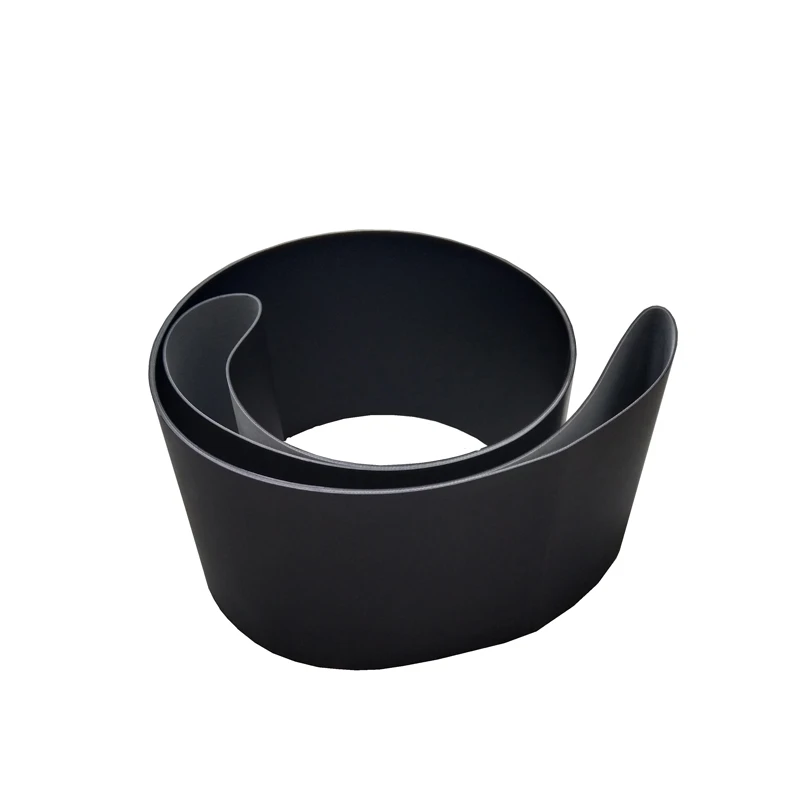
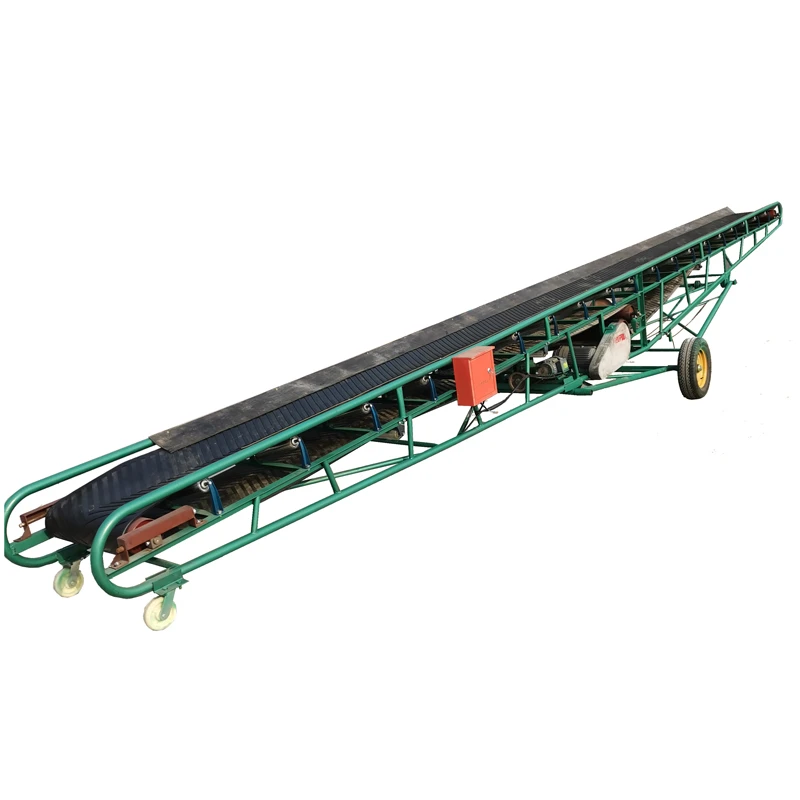
Simply put, a ribbed conveyor belt is a belt with raised longitudinal ribs or “cleats” embedded along its surface. These ribs dramatically improve traction on the belt's surface, which is especially important when moving loose materials uphill, sideways, or at sharp angles. Imagine trying to haul sand up a steep slide — a smooth belt would let it spill back down. Those ribs? They’re like tiny grips holding the cargo firmly in place.
This technology isn’t just about industrial convenience. In humanitarian logistics, for example, ribbed belts ensure food and medical supplies get where they're needed — even when the terrain is tricky or infrastructure less than ideal.
Mini Takeaway:
Ribbed conveyor belts are more than industrial workhorses; they're vital connectors in global supply chains and critical aid deliveries.
Core Components That Make Ribbed Conveyor Belts Work
1. Durability
Manufactured from high-tensile rubber or PVC composites, these belts resist abrasion, heat, and impact. That means fewer stops and expensive repairs even in harsh working environments.
2. Rib Design & Height
The ribs come in varied heights and shapes, customized to the load type — from granular coal to packaged boxes. Higher ribs suit bulkier materials, while low-profile ribs fit smoother transports.
3. Flexibility & Scalability
Modern ribbed belts flex enough for tight conveyor curves yet scale to kilometers-long runs. This adaptability accommodates growing operation demands with ease.
4. Cost Efficiency
Though ribbed belts can be pricier upfront than flat belts, their reduced downtime and energy savings often recoup the investment quickly.
5. Ecological Considerations
Vendors are pushing eco-friendly materials — low-smoke, halogen-free rubbers that meet ISO safety mandates and minimize environmental footprint.
Mini Takeaway:
Think of ribbed conveyor belts as smart investments: engineered for toughness, precision, and long haul performance.
Ribbed Conveyor Belt Applications Around the Globe
From coal mines in Australia to sophisticated packaging plants in Germany, the ribbed conveyor belt proves versatile. In remote African mining operations, it withstands rugged terrain and intense heat, lowering maintenance costs drastically. Meanwhile, automotive parts factories in North America rely on customized ribbed belts that allow sharp turns without costly product drops.
Oddly enough, they even appear in humanitarian sectors. After natural disasters, emergency supply chains employ ribbed conveyor belts on makeshift setups to move food and medical kits securely across uneven ground. Their gripping ability reduces waste and helps speed up aid delivery, delivering real social impact.
Advantages & The Long-Term Value of Ribbed Conveyor Belts
- Cost Savings: Lower product spillage and reduced downtime cut operational costs.
- Sustainability: Eco-material options support greener production goals.
- Reliability & Safety: Workers benefit from decreased belt failures — that’s less downtime and safer workplaces.
- Flexibility: Easily customizable for multiple industries and load types.
- Trust & Innovation: Continuous R&D at manufacturers brings cutting-edge materials and belt architecture.
Product Specification Table
| Specification | Details |
|---|---|
| Material | High-tensile rubber with polyester reinforcement |
| Rib Height | 5-20 mm (customizable) |
| Working Temperature | -20°C to 80°C |
| Max Load Capacity | Up to 1000 kg/m |
| Belt Width | 300-2000 mm standard (custom options available) |
| Compliance | ISO 9001, ISO 14001, OSHA safety |
Vendor Comparison: Choosing the Right Partner
Here’s a quick look to help you navigate the ribbed conveyor belt landscape — not all suppliers offer equal value.
| Vendor | Price Range | Material Quality | Customization | Global Support |
|---|---|---|---|---|
| HG Conveyor Belts | $$$ | Premium synthetic rubber | Extensive | 24/7 multilingual support |
| Global Belt Co. | $$ | Standard rubber composites | Moderate | Regional offices |
| EcoBelt Solutions | $$$ | Eco-friendly polymers | High | Global, with green certification |
Looking Ahead: The Future of Ribbed Conveyor Belts
Innovations are nudging ribbed conveyor belts into smart tech territory. We're seeing belts embedded with sensors that monitor wear and tear in real-time, allowing predictive maintenance instead of costly reactive fixes. With rising concerns over energy consumption, materials scientists are working on lower-friction surfaces and biodegradable composites that maintain strength while shrinking environmental impact.
Plus, automation integration means ribbed belts will play a larger role in synchronized factory floors and supply chains powered by AI. It’s an exciting time because it’s not just about moving stuff anymore — it’s about moving it smartly, safely, and sustainably.
Overcoming Challenges in Ribbed Conveyor Belt Usage
Of course, not all is perfect. Issues like rib wear or difficulty cleaning can crop up, especially with sticky or oily materials. But many engineers suggest solutions like detachable rib segments for quick replacement or specialized cleaning tech that gently but effectively removes residues. Plus, proper belt tensioning and alignment remain critical — oddly enough, even the best ribbed design can’t compensate for poor installation.
FAQ: Your Top Questions About Ribbed Conveyor Belts
Q1: How do ribbed conveyor belts differ from flat belts?
A: The main difference is the presence of raised ribs on the belt surface, designed to grip and prevent material slippage, especially on inclined paths. Flat belts work better for smooth, horizontal transport but may fail when the load needs to move uphill or around curves.
Q2: What industries benefit most from ribbed conveyor belts?
A: Mining, agriculture, logistics, food processing, and humanitarian aid operations all frequently use ribbed belts to handle materials securely and reduce spillage or damage during transport.
Q3: Can ribbed conveyor belts be customized for unusual shapes or sizes?
A: Absolutely. Most manufacturers, including HG Conveyor Belt, offer custom rib heights, widths, and materials tailored to your application needs.
Q4: Are ribbed conveyor belts environmentally friendly?
A: Many modern ribbed belts now use eco-friendly, low-smoke components to meet stringent environmental and safety standards, reducing their carbon footprint and improving workplace safety.
Q5: How often should ribbed conveyor belts be inspected or replaced?
A: Inspection frequency depends on the use and environment but typically every 3-6 months is advised. Replacement is needed when ribs show significant wear or the belt loses elasticity, compromising grip.
Wrapping Up: Why Ribbed Conveyor Belts Deserve Your Attention
Long-term, ribbed conveyor belts offer a compelling combination of durability, adaptability, and safety that supports everything from heavy industry to emergency relief efforts. They represent smart engineering meeting real-world challenges, and as manufacturers innovate with greener composites and smarter tech, their value only grows.
Curious to explore quality ribbed conveyor belts that can transform your workflow? Visit HG Conveyor Belt for expert advice and tailored solutions built to last.
Final Mini Takeaway
Whether you're moving coal, crops, or crucial aid supplies, ribbed conveyor belts translate tough engineering ideas into reliable, everyday solutions that keep our world moving.
References:
1. International Organization for Standardization - Conveyor belts
2. United Nations Trade and Statistics Database
3. Wikipedia: Conveyor belt