Conveyor Belt Solutions: Keeping the World's Industries Moving
At first glance, conveyor belt solutions might seem like just another piece of industrial jargon. But the truth is, these systems quietly power a massive portion of the global economy — from factories pushing out products to airports sorting luggage to even humanitarian efforts delivering supplies across tough terrain. Understanding conveyor belt solutions means peeling back the layers of efficiency, innovation, and adaptability that keep goods flowing smoothly day after day, year after year.
Why Conveyor Belt Solutions Matter on a Global Scale
According to data from the International Organization for Standardization (ISO) and the World Bank, automation and material handling solutions have resulted in significant productivity gains, especially in manufacturing hubs across Asia, Europe, and North America. Conveyor belts rank high among these technologies, reducing manual labor and speeding up supply chains simultaneously. But more than just economic benefits, conveyor belt solutions address serious challenges like safety hazards and environmental waste by streamlining processes that otherwise might involve unsafe lifting or inefficient transport methods.
Still, many industries struggle with choosing the right conveyor belt solutions tailored to their specific needs — whether for heavy mining, food processing, or logistics — making knowledge about specifications and vendors essential.
What Exactly Are Conveyor Belt Solutions?
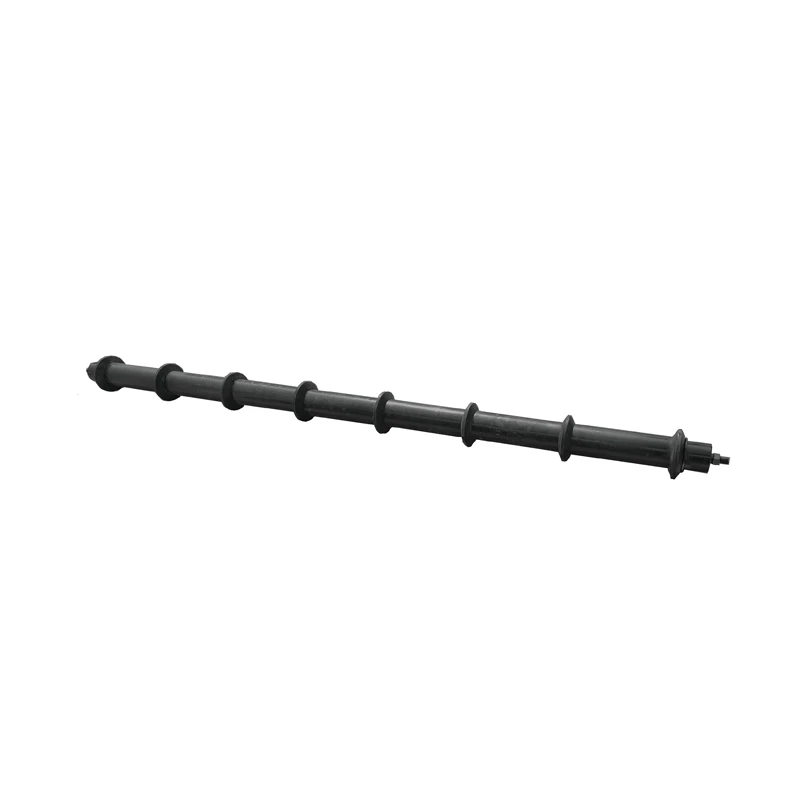
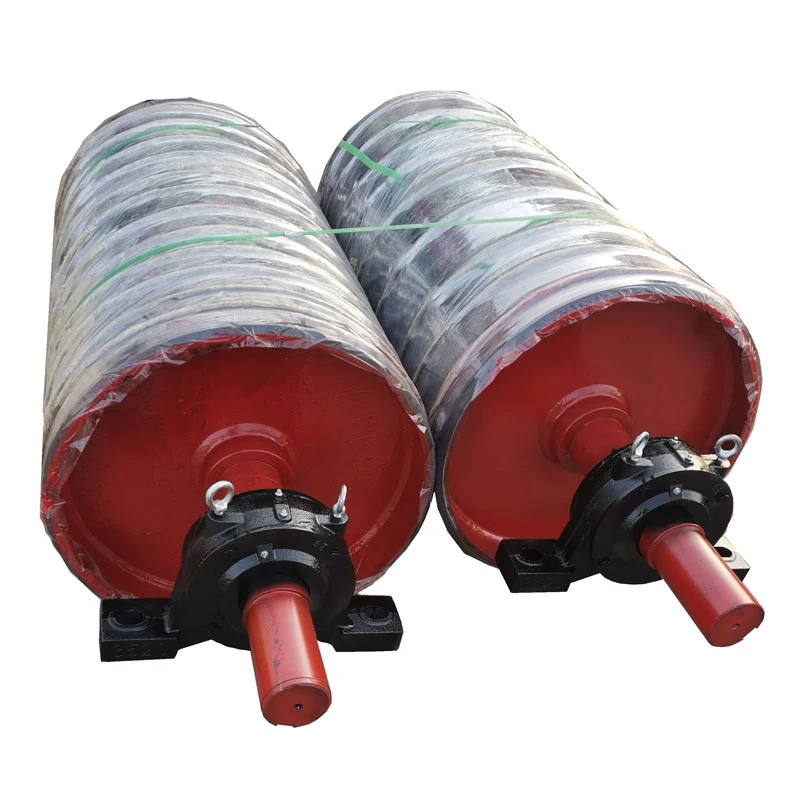
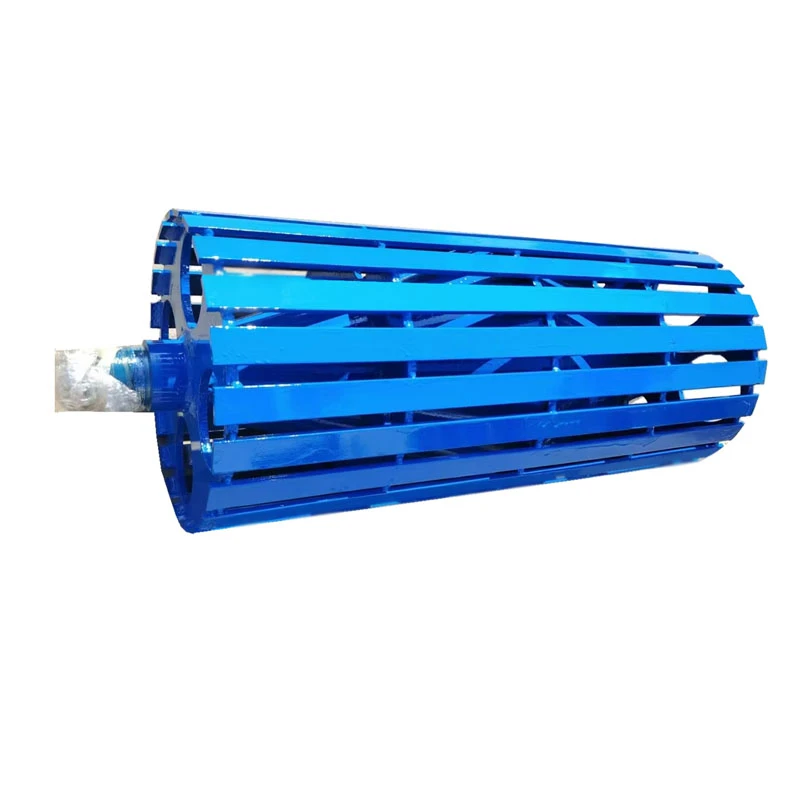
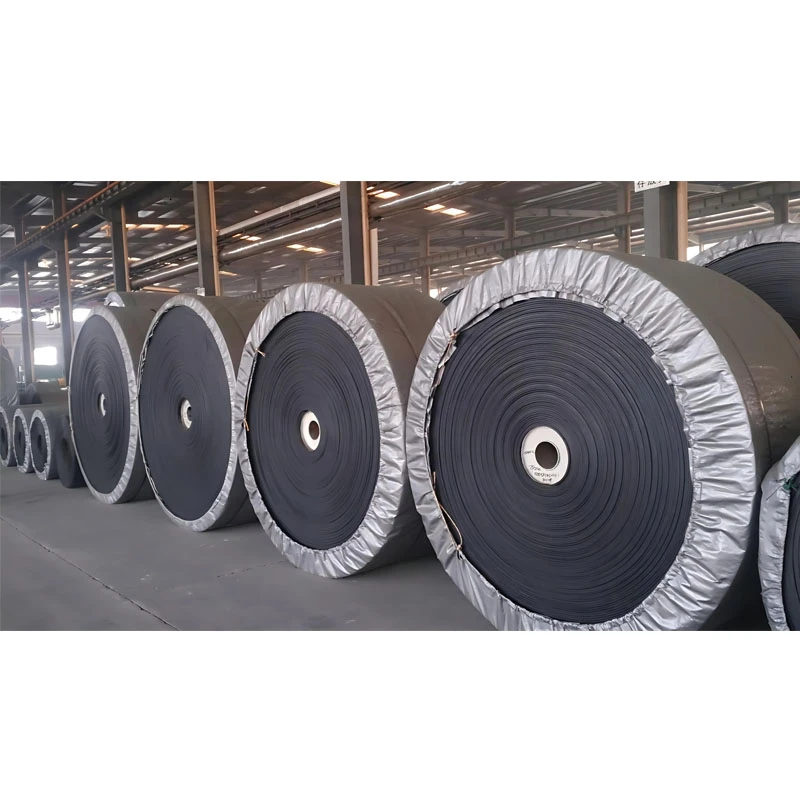
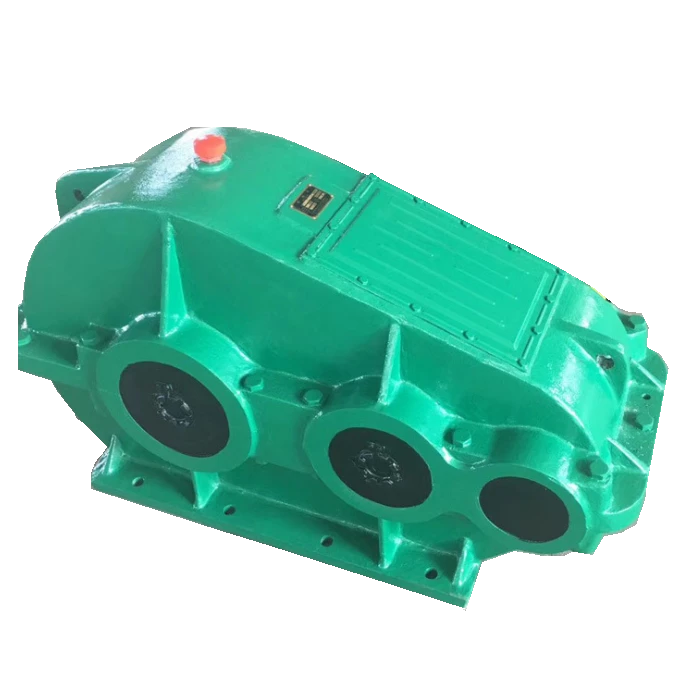
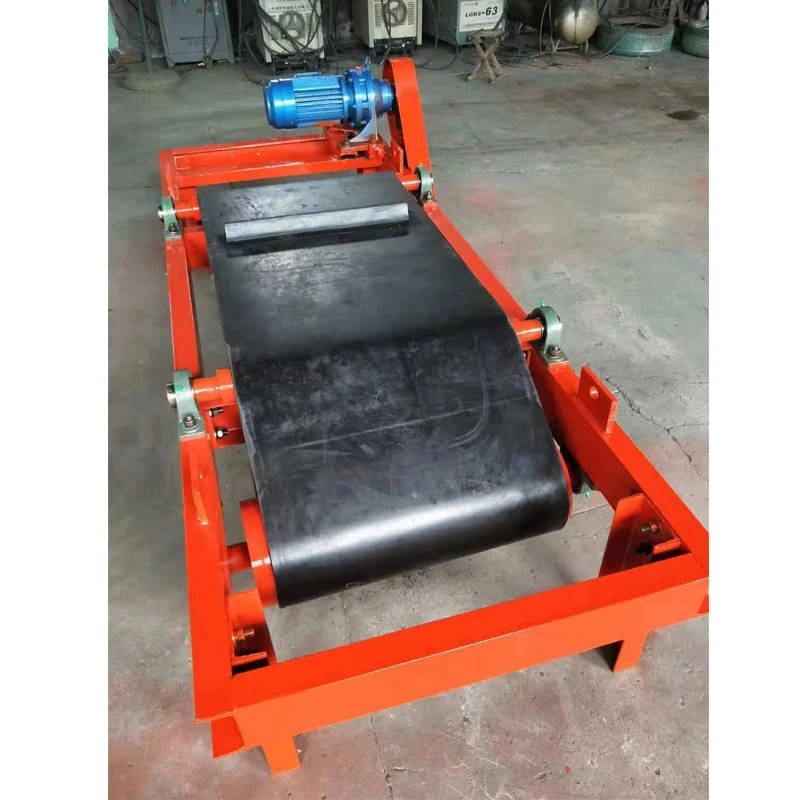
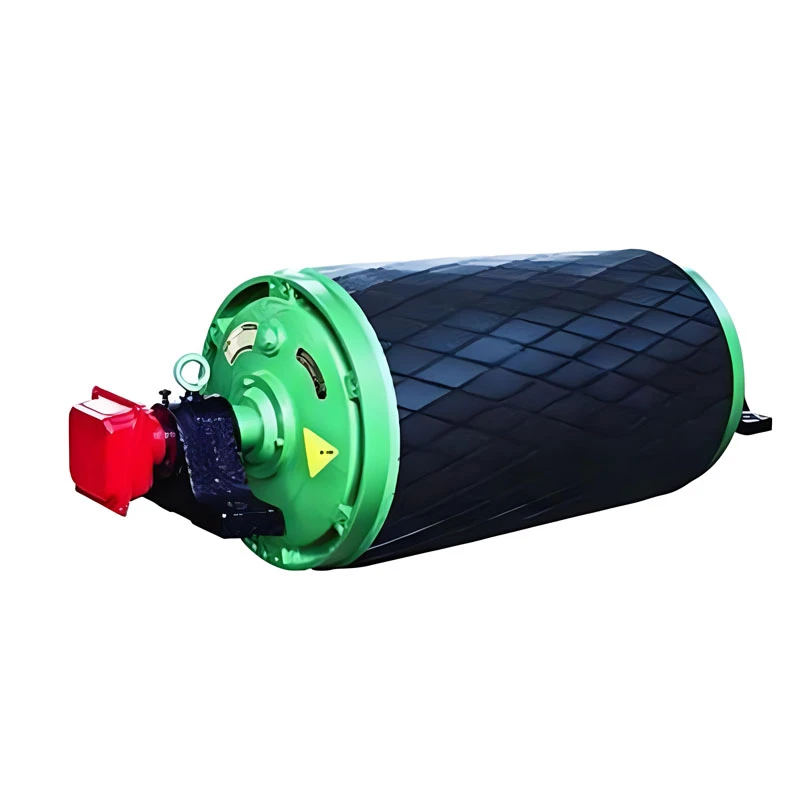
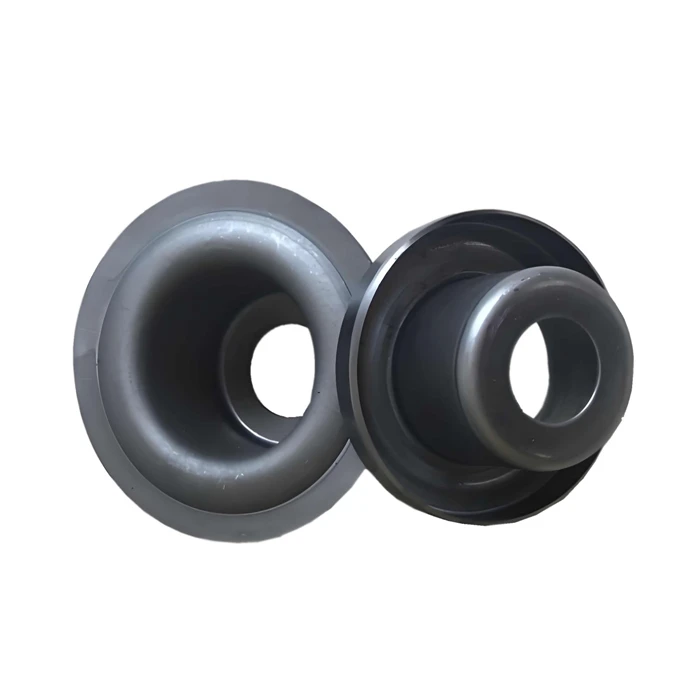
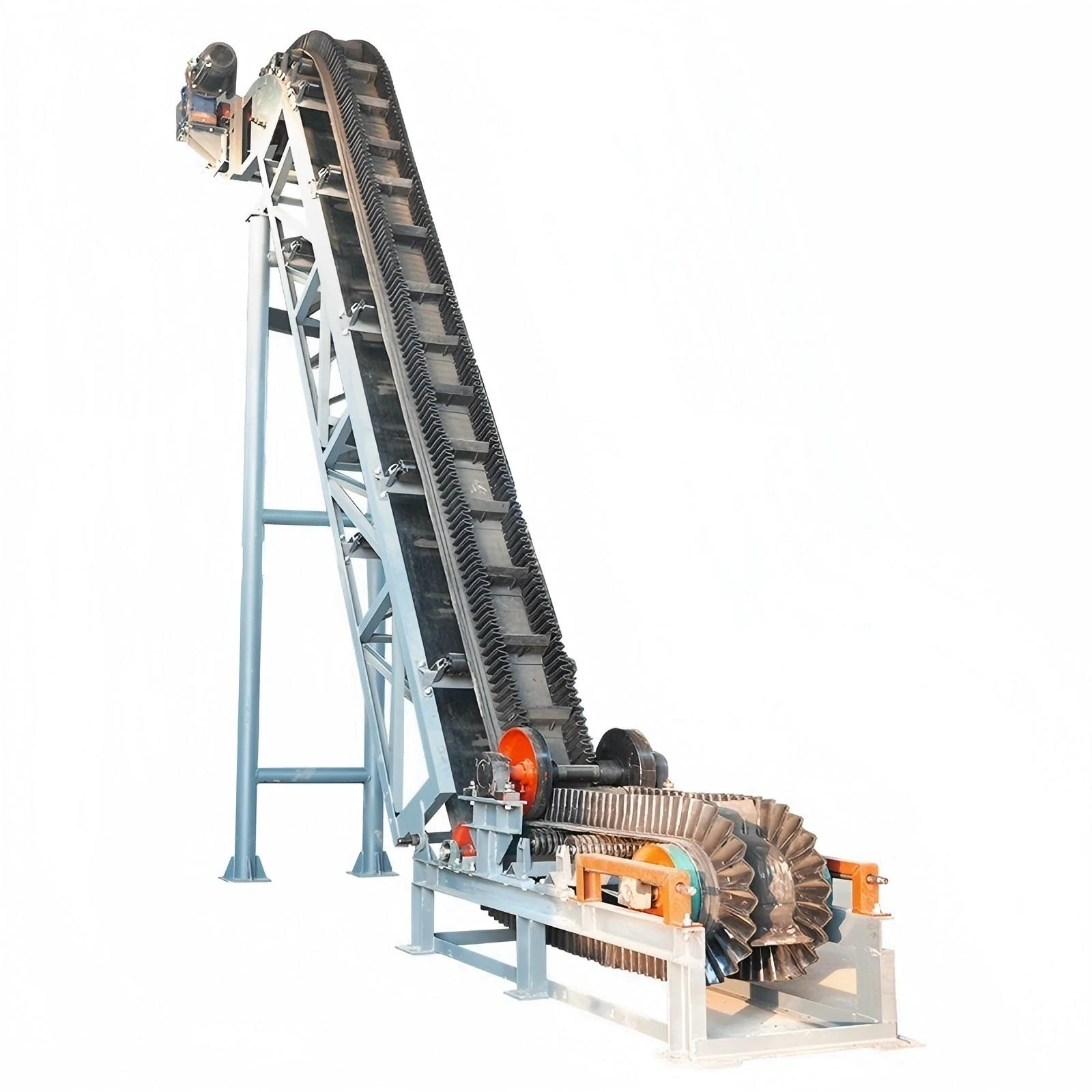
So, what do we mean by conveyor belt solutions? Simply put, these are integrated systems combining belts, rollers, motors, and frames designed to transport materials continuously or in batches along a set path. It’s like a mechanical river, flowing products smoothly from one processing station to another.
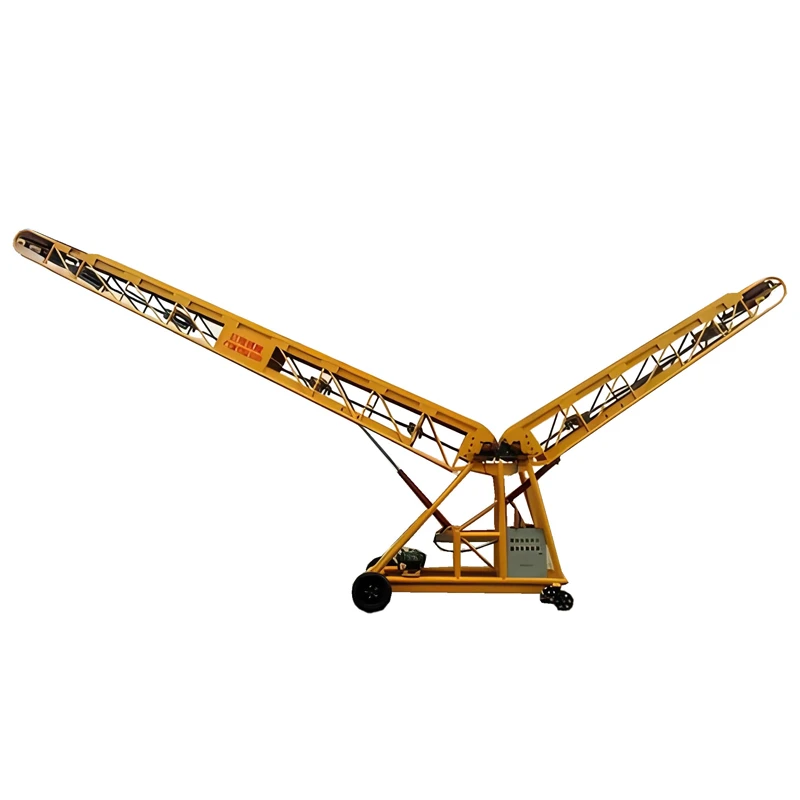
In modern industry, these solutions are more than just belts and pulleys; they represent customizable answers to unique challenges of material flow. In humanitarian aid, for example, portable conveyor belts help unload emergency relief cargo in disaster-stricken or infrastructure-poor regions quickly. Hence, they mingle the mechanical with the social, bridging technical prowess with human need.
Core Components of Conveyor Belt Solutions
Durability
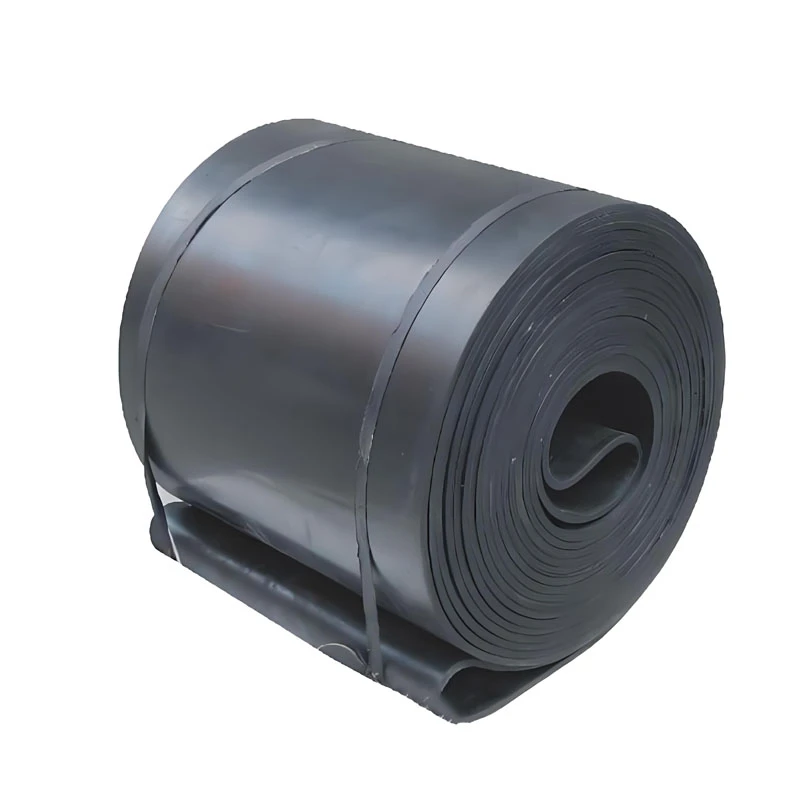
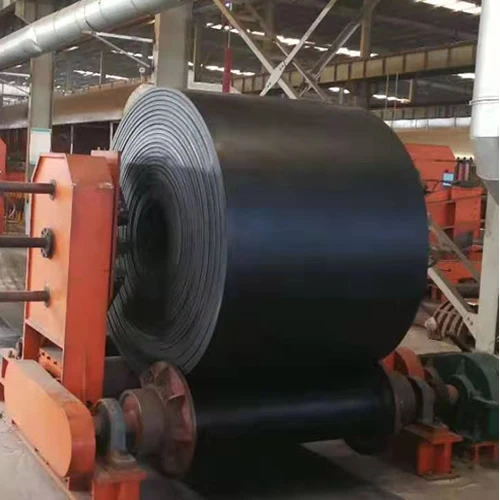
The real game-changer is durability. Conveyor belts must withstand abrasive, heavy, or sometimes corrosive materials. Whether you're moving coal or frozen fish, your belt has to last without frequent replacements — a cost saver that is often overlooked initially.
Scalability
Another key is scalability: industrial needs aren’t static. They grow and shift with production demands, and conveyor systems must adapt accordingly. Modular components, adjustable lengths, and flexible speeds make it easy for companies to scale up or down without rebuilding from scratch.
Energy Efficiency
Energy use is huge in factories, so low-power motors and smart conveyor designs that reduce friction and wear can cut costs and environmental footprints alike, which also ties into modern sustainability goals (more on that shortly).
Safety Features
Because conveyor belts keep things moving—and moving fast—incorporating safety sensors, emergency stops, and guarding systems reduces workplace accidents dramatically. Safety is always a top priority, even when you’re in a hurry.
Customization
One size definitely does not fit all. Conveyor solutions often include specialized belts (like food-grade materials or heat-resistant compounds), incorporation of sensors for monitoring load conditions, or smart controls for automation.
Maintenance & Longevity
Lastly, easy maintenance is a practical consideration. Quick belt changes, accessible components, and real-time system diagnostics save money and downtime — two of the biggest headaches in material handling.
Mini takeaway: Conveyor belt solutions are complex ecosystems balancing performance, safety, sustainability, and cost-efficiency — and understanding each is vital for selecting the right system.Real-World Conveyor Belt Applications Across the Globe
Conveyor belt solutions aren’t just confined to traditional factories. In fact, their practical applications reflect the diversity of modern industries:
- Mining in Australia and South Africa: Huge conveyor networks move raw ore from pit heads to processing plants, sometimes over kilometers. Belts here are specifically engineered to resist abrasion from rocks and heavy loads.
- Food processing in Europe and the US: Belts utilize FDA-approved materials and are designed for easy cleaning to meet stringent hygiene standards.
- Port operations in Singapore and Rotterdam: Automated conveyor belts handle heavy containers and bulk goods, integrating with digital tracking systems for efficiency.
- Post-disaster relief: NGOs use portable conveyor systems in areas like Haiti or the Philippines to unload supplies when roads are blocked or inoperative.
- Remote industrial zones: In Arctic regions or deserts, conveyors help move materials where vehicle traffic might be too costly or environmentally harmful.
There’s no denying that conveyor belt solutions form the backbone of many systems we simply take for granted.
Advantages and the Long-Term Value of Conveyor Belt Solutions
When I first saw a conveyor belt system in a busy manufacturing plant, it was clear these solutions do more than save time:
- Cost Savings: By reducing manual labor and speeding up throughput, companies save on operational costs.
- Sustainability: Energy-efficient motors and low-waste designs help reduce a facility’s carbon footprint, vital for modern corporate responsibility.
- Reliability: Well-built belts mean fewer stoppages, boosting productivity and reputation.
- Safety: Workers avoid handling dangerous or heavy items, lowering injury rates and improving morale.
- Innovation: Integration with digital control and automation allows for predictive maintenance and smart factory ecosystems.
- Social Impact: In logistics and relief, fast deployment of materials can literally save lives and maintain dignity during crises.
Product Specification Table
| Feature | Standard Model | Heavy Duty | Food-Grade |
|---|---|---|---|
| Belt Width | 600 mm | 1000 mm | 800 mm |
| Max Load | 300 kg/m | 1000 kg/m | 200 kg/m |
| Material | PVC layered fabric | Rubber + Steel cords | FDA-approved polyurethane |
| Motor Power | 2 kW | 7.5 kW | 1.5 kW |
| Speed Range | 0.5-2 m/s | 0.3-1.8 m/s | 0.7-2.5 m/s |
Comparing Leading Conveyor Belt Vendors
| Company | Industry Focus | Customization | Global Reach | Lead Time |
|---|---|---|---|---|
| Alpha Conveyors | Mining, Heavy Industry | High | Americas, Asia, Africa | 8-12 weeks |
| Beta Systems | Food, Packaging | Medium | Europe, North America | 6-10 weeks |
| Gamma Tech | Logistics, Warehousing | High | Global | 4-6 weeks |
| Delta Solutions | Construction, Relief Work | Custom Modules | Asia Pacific, Africa | 10-14 weeks |
The Road Ahead: Innovations and Trends in Conveyor Belt Solutions
Looking forward, conveyor belt solutions are not just about moving stuff. Increasingly, they're about smarter movement. IoT sensors embedded in belts offer real-time condition monitoring — so engineers can fix a worn section before it fails. Then there’s the shift to greener materials, such as bio-based belts and low-energy motors, addressing both corporate sustainability goals and regulatory pressures.
Automation is expanding, too: AI-driven sorting conveyors in warehouses can redirect packages instantly, handling increasing complexity with less human oversight, reducing errors in huge supply chains (Amazon, Alibaba, you know who).
Oddly enough, modular portable conveyor solutions are gaining traction in humanitarian relief, especially after rapid urban disasters, improving speed and safety for aid delivery.
Mini takeaway: The conveyor belt world is evolving fast toward smarter, sustainable, and more flexible systems, a trend expected to accelerate over the next decade.Facing Common Challenges – and How the Industry Tackles Them
Even the best conveyor belt solutions face hurdles:
- Wear & Tear: Rough materials accelerate damage. Many firms now use reinforced belts and predictive analytics to schedule replacements.
- Customization Complexity: Tailoring systems can delay deployment. Yet standardized modular units help cut lead times.
- Energy Consumption: Continuous operation burns power; energy recovery technologies and variable speed drives are mitigating this.
- Logistical Constraints: Shipping large conveyor components internationally can be costly. Manufacturers are improving compact designs and local assembly options to cope.
FAQ: Common Questions About Conveyor Belt Solutions
Q1: How do I choose the right conveyor belt for my industry?
A: Consider your material type (weight, abrasiveness), environmental conditions (temperature, humidity), required speed, and hygiene needs if applicable. Consulting with vendors about modular solutions that can scale is often best.
Q2: What is the typical lifespan of industrial conveyor belts?
A: Lifespans vary widely depending on use and maintenance, ranging from 3-5 years for heavily abrasive environments to 10+ years for lighter use. Regular inspections and prompt maintenance extend service life significantly.
Q3: Can conveyor belts be environmentally friendly?
A: Absolutely. Many manufacturers are adopting recyclable belt materials, energy-efficient motors, and designs that reduce waste. Green certifications are emerging as industry standards.
Q4: Are portable conveyor systems practical for disaster relief?
A: Yes. Lightweight, modular conveyors can be quickly deployed in remote or damaged areas, accelerating supply distribution while reducing manual strain and risk.
Q5: How do companies deal with conveyor downtime?
A: Proactive maintenance using sensor data, quick belt replacement designs, and keeping spare parts on hand are standard strategies to minimize downtime.
In Closing
Ultimately, conveyor belt solutions are the unsung heroes keeping industrial and humanitarian wheels turning. From mega-factories to emergency aid sites, their impact is profound and growing. For businesses and organizations looking to optimize flow and reliability, investing time in understanding these systems yields dividends in safety, efficiency, and sustainability.
Curious to explore tailored conveyor belt solutions for your operations? Visit us at conveyor belt solutions to discover how the right system can transform your workflow.