What Makes a 2 Ply Conveyor Belt a Global Industry Staple?
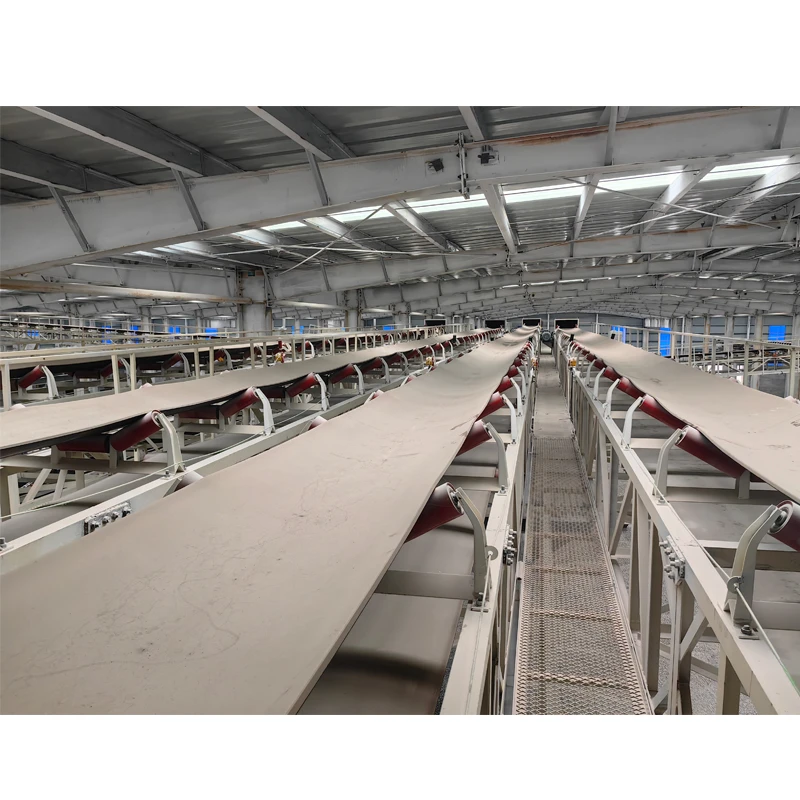
If you ever wondered what keeps bulk materials like coal, grains, or packages chugging along smoothly in factories or ports, chances are a conveyor belt is behind it all — and often a 2 ply conveyor belt at that. This seemingly simple piece of industrial gear is both unassuming and utterly essential worldwide. Why? Because as industries scale and supply chains stretch across continents, the need for reliable, durable, and cost-efficient conveyor belts has skyrocketed.
According to the International Organization for Standardization (ISO), conveyor belt manufacturing is a billion-dollar industry with a consistent growth trajectory. Globally, sectors from mining in Australia to food processing in Europe, and even humanitarian logistics in disaster zones, depend on sturdy conveyor solutions. Their core requirement: a belt strong enough to continuously carry heavy loads without breaking or failing prematurely.
Understanding what exactly a 2 ply conveyor belt is, and why it holds such industrial weight, can help manufacturers, engineers, and supply chain foremen make smarter decisions. Plus, the right conveyor choice directly affects efficiency, safety, and environmental sustainability — topics that are, frankly, hotter than ever right now. So let's unpack this vital component with a layered approach (pun intended).
Peeling Back the Layers: What Is a 2 Ply Conveyor Belt?
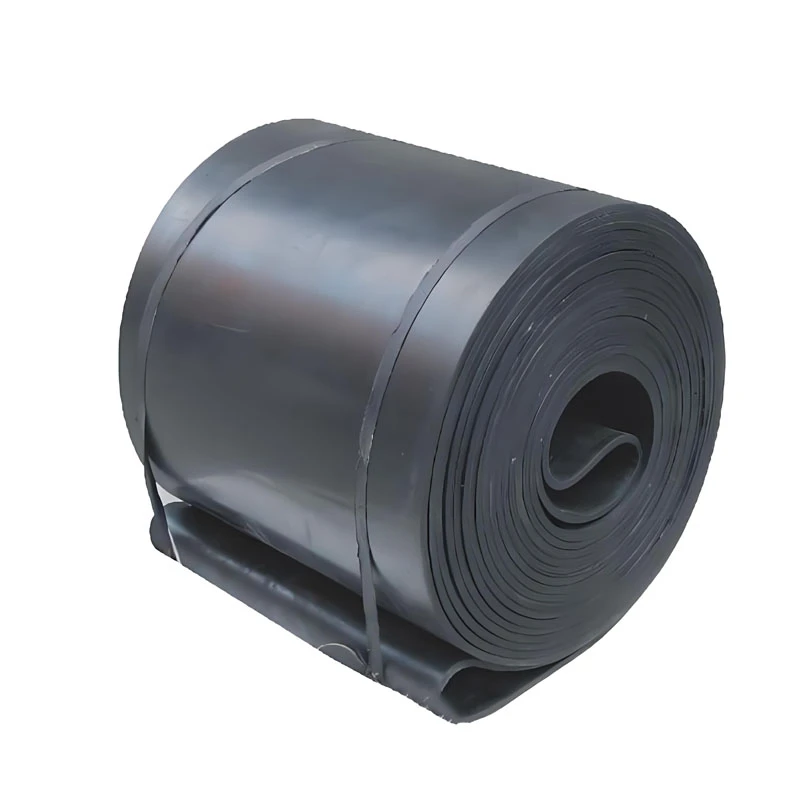
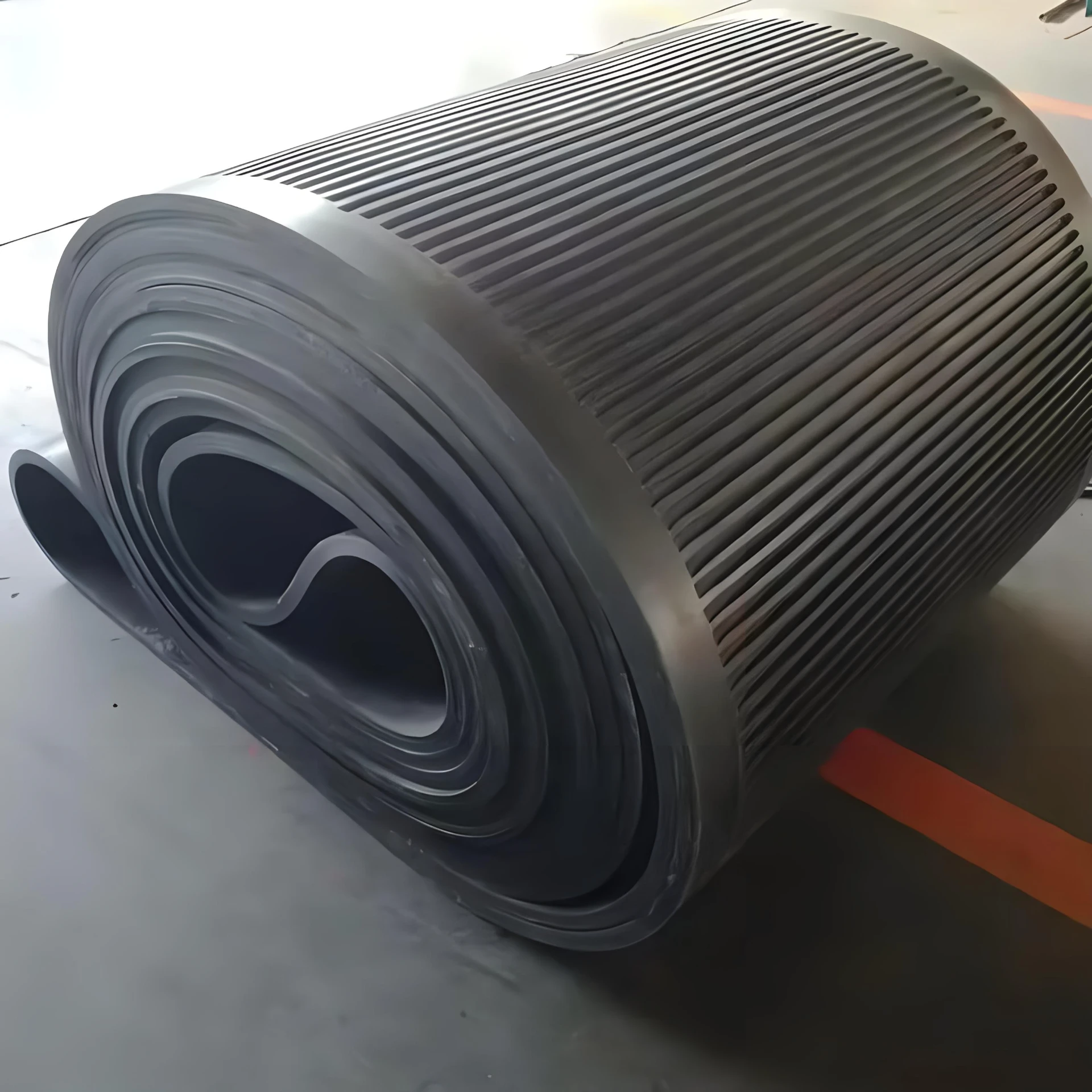
At its core, a 2 ply conveyor belt is a type of belt constructed from two distinct layers (or plies) of fabric, usually polyester or nylon, that are glued and vulcanized between rubber covers. The "ply" count describes how many fabric layers reinforce the belt's core, giving it strength and flexibility.
Why two layers? It's this combination that achieves a perfect balance between durability and elasticity. One layer provides tensile strength, and the second adds tear resistance. This design ensures the belt can withstand fluctuating loads and handle abrasive materials without cracking.
In practical terms, these belts form the backbone of many industrial processes — whether it's moving pallets in a warehouse or handling raw minerals on a mine site. Even more surprisingly, some humanitarian operations use conveyor belts in temporary relief efforts to move supplies efficiently over rough terrain.
Mini Takeaway:
- A 2 ply conveyor belt is a mid-weight belt with two fabric reinforcements — built for strength and resilience.
- Its layered design is critical for durability, suited for transport in many global industries.
Key Features That Keep 2 Ply Conveyor Belts Running Strong
1. Durability
Arguably the heart of the matter. The two plies make the belt resistant against wear, impact, and abrasion. Many factory engineers note that a quality 2 ply belt can last years under continuous operation, barring extreme conditions. Rubber covers protect the fabric layers from oil, heat, or chemicals, extending the belt’s lifespan.
2. Flexibility
With only two fabric layers, these belts remain fairly light and flexible — which simplifies installation on pulleys and around tight curves. In contrast, heavier ply belts tend to be stiffer.
3. Cost Effectiveness
While not the cheapest belt on the block, 2 ply conveyor belts offer excellent value considering their balance of price and performance. For medium-duty applications, this often beats over-specifying a heavier, more expensive belt.
4. Resistance to Environmental Factors
Many 2 ply belts come with specialized rubber compounds to resist UV rays, moisture, or temperature extremes — crucial for outdoor or mining environments. The ISO 284/1 standard outlines testing for these properties, ensuring belts meet global durability benchmarks.
5. Scalability & Customization
Manufacturers often customize ply fabrics, rubber grades, or add steel reinforcement depending on application needs. This modular approach means industries can get belts tailored just right — from light package handling to heavier bulk transport.
| Specification | Typical 2 Ply Conveyor Belt | Heavy-Duty Alternative |
|---|---|---|
| Ply Layers | 2 (polyester/nylon) | 4 or more steel-reinforced |
| Tensile Strength | ~400 – 800 N/mm | >1500 N/mm |
| Weight | Light to medium | Heavy |
| Typical Application | Package handling, light bulk | Mining, heavy bulk materials |
Mini Takeaway:
The 2 ply conveyor belt hits a sweet spot in durability, cost, and flexibility. Choosing it means balancing performance with practicality — a wise choice for many industrial scenarios.
Real-World Uses of 2 Ply Conveyor Belts—From Industry to Aid
Oddly enough, conveyor belts tend to feel so... standard that you rarely notice just how essential they are. For example, in ports across Southeast Asia, 2 ply belts carry containers and cargo swiftly from ship holds to storage depots, speeding up logistics that fuel entire economies.
In North American food processing plants, companies rely on these belts for safer and hygienic movement of produce packaging, benefiting from their ease of cleaning and maintenance.
Humanitarian groups working after natural disasters have used 2 ply conveyor belt systems to set up temporary supply chains for food and medical aid — bypassing infrastructure damage to get essentials where they’re desperately needed.
Mini Takeaway:
- From industrial giants to grassroots relief efforts, 2 ply belts are quietly supporting critical logistics worldwide.
- Their adaptability makes them workhorses across diverse environments and industries.
Comparing Leading Vendors: What Sets Them Apart?
| Vendor | Material Quality | Customization Options | Warranty & Support | Typical Price Range |
|---|---|---|---|---|
| GlobalBelts Inc. | Premium polyester/nylon layers | Full customization available | 5-year limited warranty | $$$ |
| EcoCon Belt Solutions | Eco-friendly rubber compounds | Limited to standard sizes | 3-year warranty, eco support | $$ |
| HeavyTech Conveyors | Reinforced hybrid fabrics | Custom builds for heavy industry | 7-year warranty, 24/7 support | $$$$ |
Advantages & Long-Term Value of Using 2 Ply Conveyor Belts
Beyond the specs, why do many facilities stick with 2 ply belts? One word: reliability. These belts strike a practical balance that mitigates downtime — a metric where even minutes lost can cost thousands.
Environmentally, choosing a durable belt reduces frequent replacements, cutting waste and material use. Plus, some manufacturers increasingly use sustainable rubbers and recycled plies, contributing to greener supply chains.
From a safety angle, smoother operations mean fewer workplace incidents related to belt failure. Ultimately, this builds trust between management and workers — and frankly, that’s priceless.
Mini Takeaway:
- 2 ply conveyor belts offer dependable performance, cost savings, and social benefits.
- They align well with growing environmental and safety standards globally.
Future Trends Shaping the Conveyor Belt Industry
Look closely and you’ll see innovation creeping into conveyor belts. New materials, like bio-based rubbers, are gaining traction. Additionally, digital integration — smart belts equipped with sensors to monitor wear in real-time — is revolutionizing maintenance.
With Industry 4.0 on the rise, expect more automation and predictive analytics optimizing belt usage and lifespan. The trend toward sustainable manufacturing also pushes producers to rethink ply materials and coatings.
Challenges and How Experts Are Tackling Them
No product is perfect. Challenges with 2 ply conveyor belts include exposure to extreme conditions (chemical spills, heavy heat), and limited tensile strength for ultra-heavy loads.
Experts suggest hybrid belts or reinforced versions for such cases. Moreover, better quality control and frequent field inspections minimize unexpected failures. Partnerships between users and suppliers foster feedback loops to design smarter belts continuously.
FAQ: Practical Answers on 2 Ply Conveyor Belts
- Q: How do I know if a 2 ply conveyor belt suits my industrial needs?
- A: Consider your load weight, material type, and operating conditions. 2 ply belts are ideal for medium-duty uses, balancing durability and flexibility. For very heavy or abrasive environments, explore heavier ply options.
- Q: Can a 2 ply conveyor belt handle outdoor weather extremes?
- A: Many 2 ply belts come with protective rubber compounds designed to resist UV rays, moisture, and temperature swings — but always check the manufacturer’s specs for your climate.
- Q: What's the typical lifespan of a 2 ply conveyor belt in continuous use?
- A: Lifespan varies widely based on usage and maintenance, but under average conditions, expect several years of reliable service with proper care.
- Q: Can these belts be customized to fit unique conveyor sizes?
- A: Absolutely! Most manufacturers offer custom lengths, widths, and rubber grades to fit specific machinery needs.
- Q: Are sustainable or eco-friendly 2 ply conveyor belts available?
- A: Yes, some vendors now provide belts using recycled or bio-based rubber formulations that meet environmental certifications.
Conclusion + Call to Action
In sum, the humble yet mighty 2 ply conveyor belt remains a linchpin in global industry and logistics — quietly sending goods, materials, and sometimes even aid parcels along the veins of economies and communities alike. Its blend of strength, flexibility, and cost-effectiveness keeps it winning where reliability counts most.
Intrigued by what a 2 ply conveyor belt can do for your operation? Whether you’re upgrading existing lines or building new ones, it pays to choose trusted, quality belts that keep your business moving without surprise downtime.
Visit our website: https://www.hgconveyorbelt.com to explore our range of 2 ply conveyor belts and receive expert advice tailored to your needs.