What Is a Moving Conveyor Belt? Global Insights, Benefits & Trends
Understanding the Moving Conveyor Belt: A Lifeline of Modern Industry
Moving conveyor belts might seem like just simple strips of rubber moving stuff from A to B, but their role in modern industry and humanitarian efforts is far more complex and fascinating. Globally, these systems form the backbone of efficient logistics, manufacturing, and even disaster relief operations. Knowing the ins and outs of moving conveyor belt technology not only helps industries optimize productivity but also supports sustainability goals and worker safety. In short, conveyor belts are everywhere — silently powering the world's factories, airports, and even waste management plants. Yet, their true value often goes unnoticed until something stops working.The Global Context: Why Moving Conveyor Belts Matter
If you pause for a moment and think about the World Bank’s global logistics data or ISO’s industrial efficiency reports, you’ll find that moving conveyor belts help handle billions of tons of goods every year. According to some estimates, over 25% of manufacturing materials rely directly on conveyor systems for transport within facilities worldwide. More intriguingly, in rapidly developing regions — Asia, Africa, and South America — industries depend heavily on conveyor tech to accelerate production without exponentially increasing labor costs or emissions. But here’s the rub: many older conveyor systems aren’t energy efficient or flexible enough to cope with today's fast-changing industrial needs. That’s where innovations in moving conveyor belts step in. This global perspective shows us why these moving systems are not just about convenience; they are critical to supply chain resilience and economic recovery in a post-pandemic world.Defining the Moving Conveyor Belt
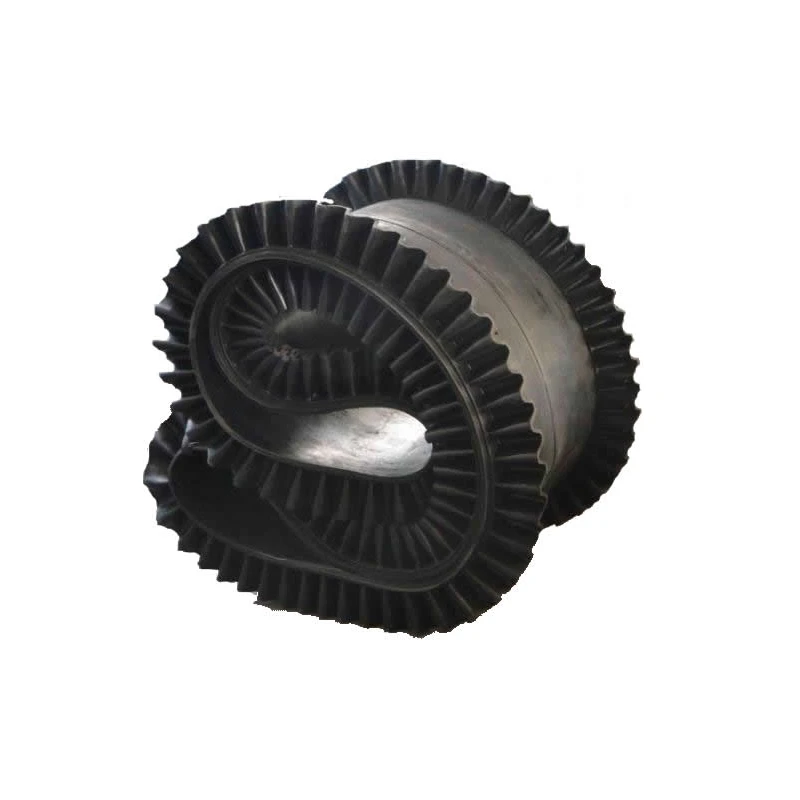
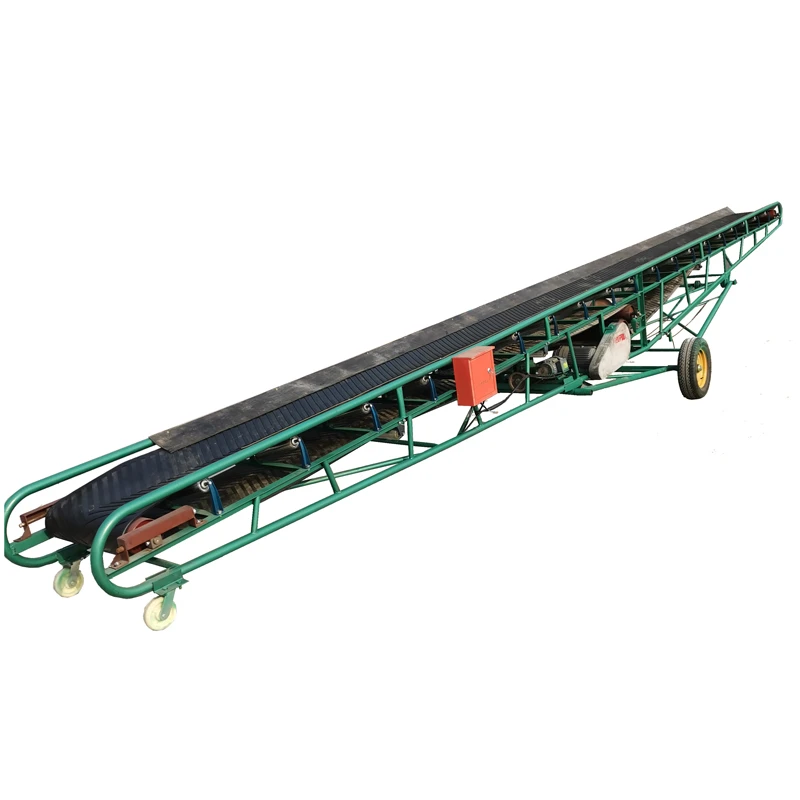
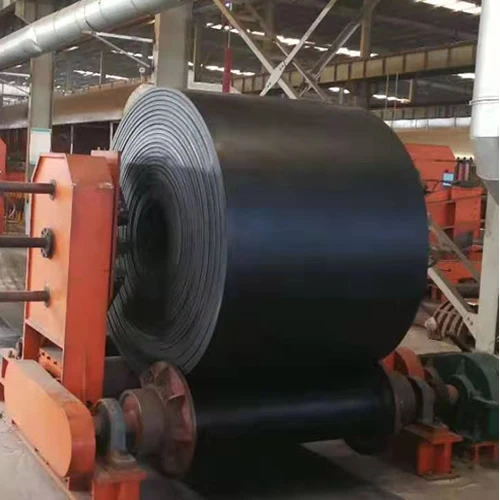
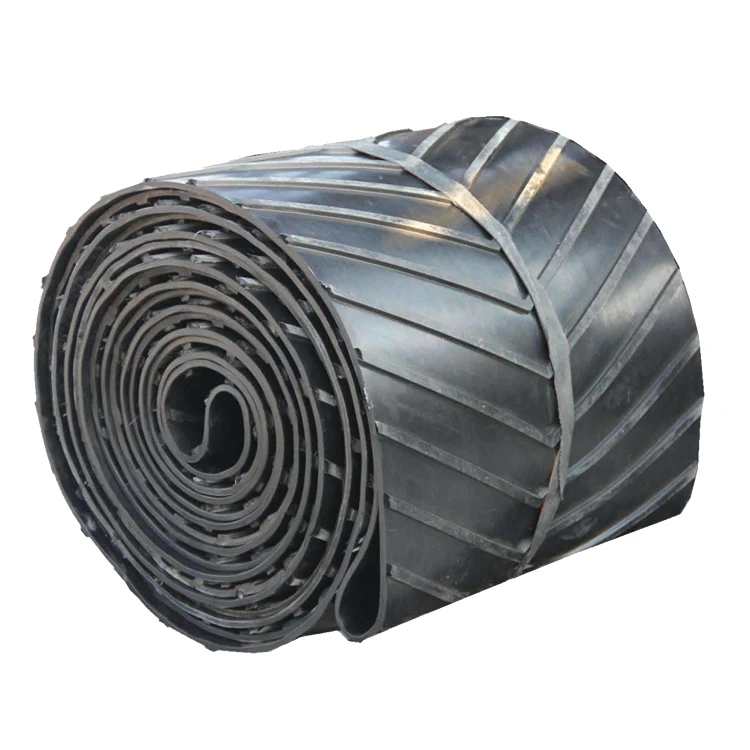
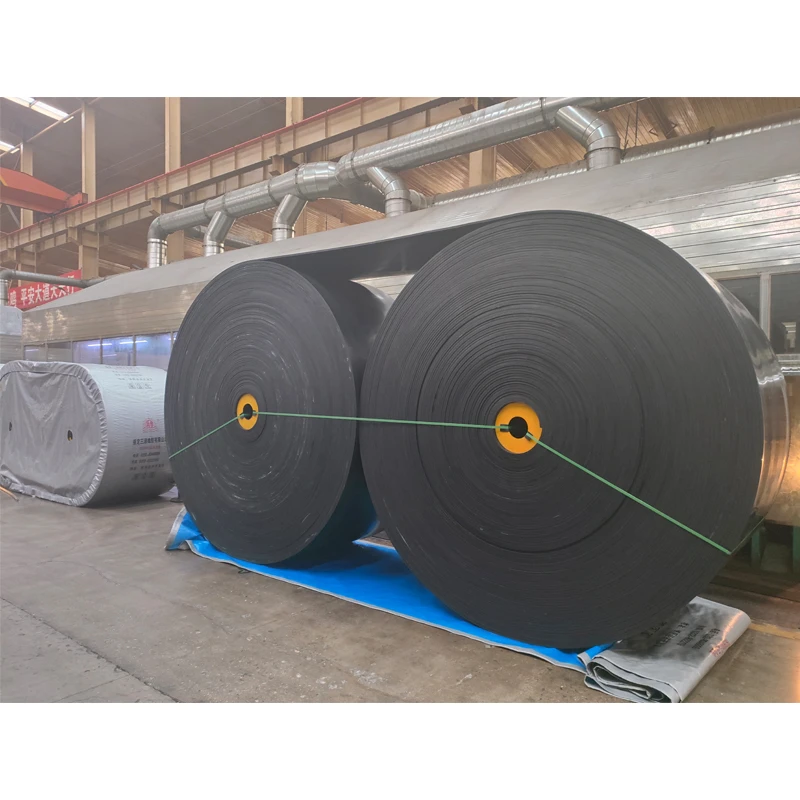
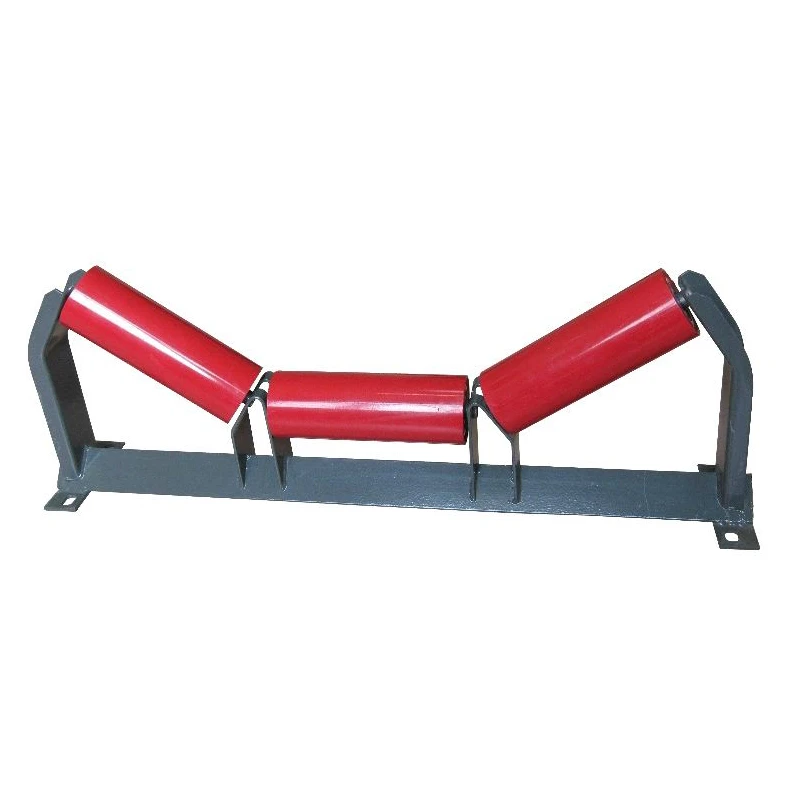
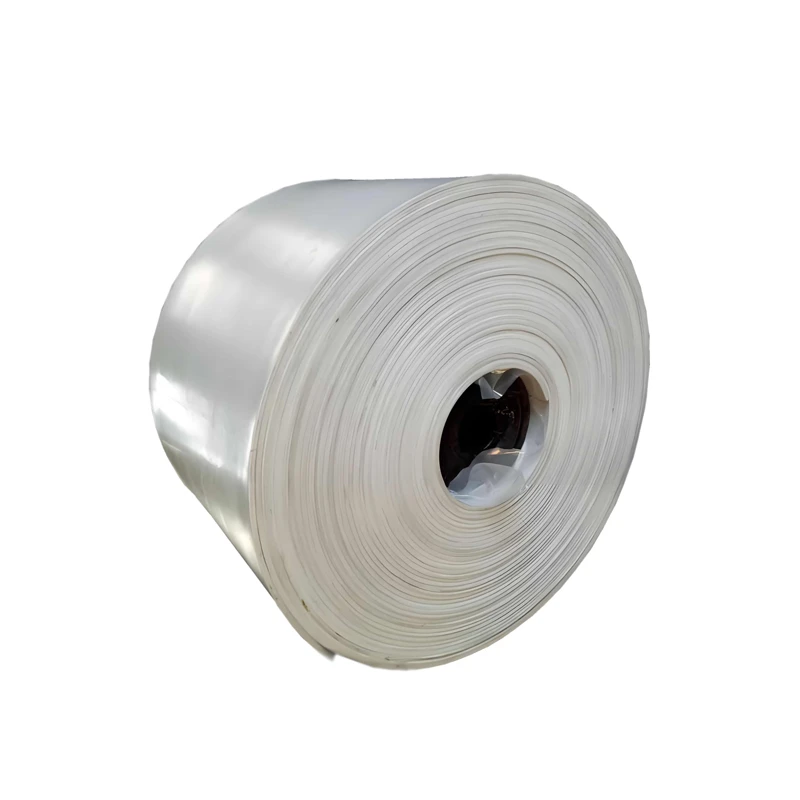
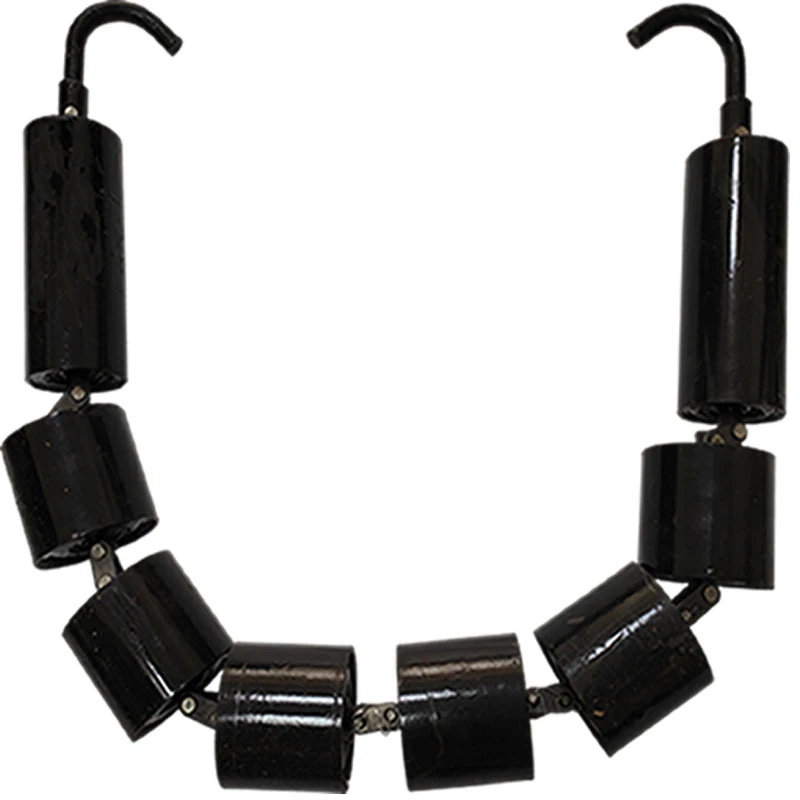
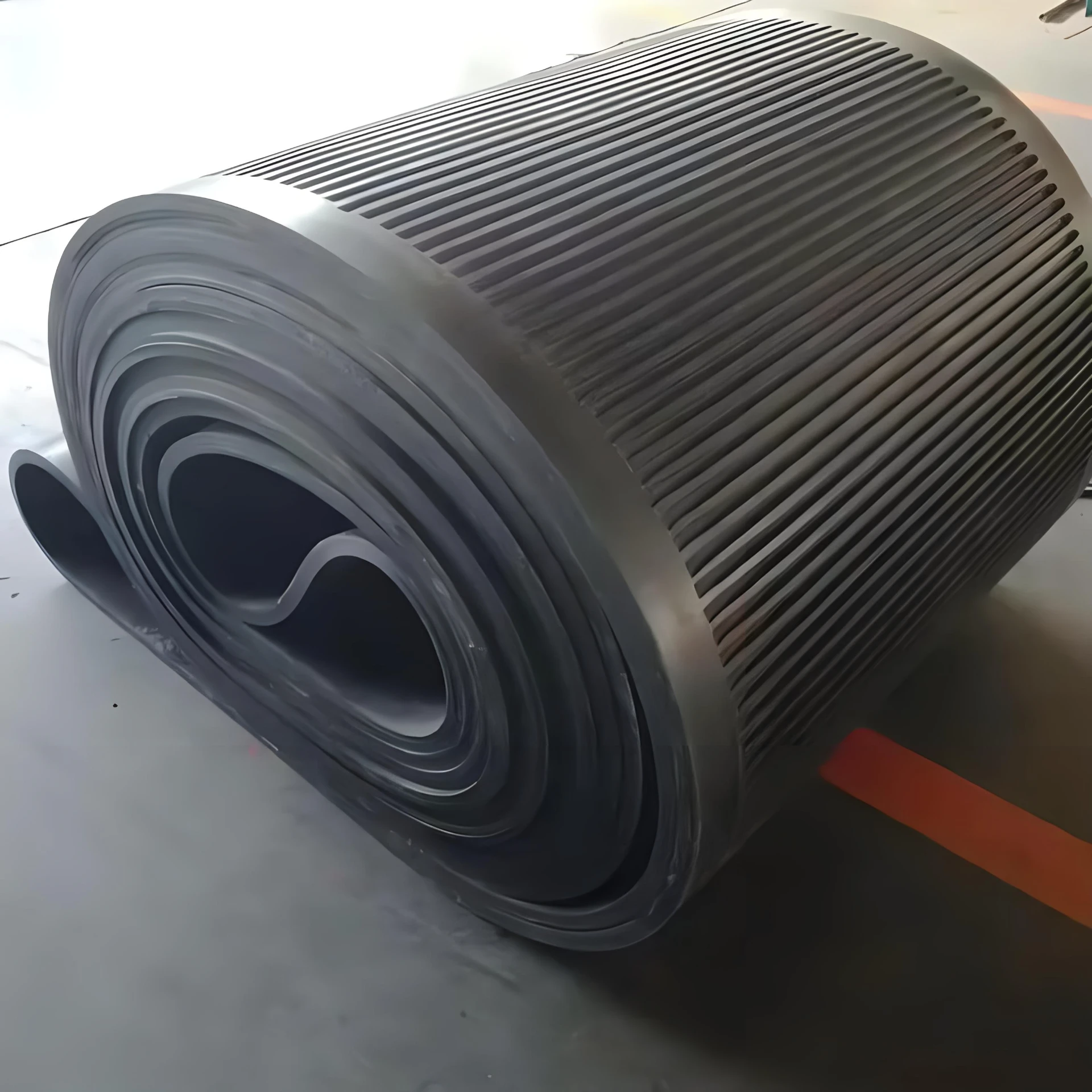
Put simply, a moving conveyor belt is a continuous loop of durable material, typically rubber or synthetic polymers, that moves items along a predefined path. It’s powered by rollers connected to electric motors, creating a streamlined flow of goods, parts, or raw materials. Far beyond factory floors, these belts assist in humanitarian aid. For example, in emergency relief distribution centers, conveyor belts speed up sorting and delivery of supplies — saving precious time in crises. The ability to quickly move heavy items, reduce manual labor, and minimize errors ties the humble conveyor to a much wider humanitarian mission.Key Components and What Really Matters
1. Durability
Durability is the cornerstone — conveyor belts endure abrasion, impact, chemical exposure, and temperature swings. High-quality belts use layered compositions with wear-resistant covers. This means less downtime and fewer replacements, saving money over time.2. Scalability
Industries’ needs can vary overnight. So modularity and scalability let companies adapt belt lengths and speeds without costly overhauls. It’s like having a conveyor system that grows with your business or project’s demands.3. Cost Efficiency
Beyond initial investment, the total cost of ownership includes power consumption, maintenance, and downtime. Energy-efficient motors and smart belt materials reduce operational costs. Oddly enough, these “small” savings add up to significant dollars yearly.4. Safety Features
Moving belts can be hazardous if poorly designed. Modern systems integrate sensors, emergency stops, and ergonomic designs to protect workers — a key factor in gaining compliance with global safety standards like ISO 45001.5. Environmental Impact
Sustainability increasingly shapes conveyor design. Biodegradable belts, reduced energy consumption, and recyclable components reflect industry efforts to align with UN Sustainable Development Goals (SDGs). Mini takeaway: The moving conveyor belt is no simple strip of rubber. It’s a tech system tuned for longevity, adaptability, safety, and sustainability — all vital traits in today’s industrial landscape.Global Applications and Real-World Use Cases
The moving conveyor belt’s versatility means it’s employed in a swathe of industries: - Mining and Quarrying: Massive belts transport ores and minerals distances that would be impossible manually. - Airport Baggage Systems: Ensuring luggage moves quickly and doesn’t get lost in sprawling terminals. - Food Processing Plants: Hygiene and speed are paramount in these environments, requiring specialized belts. - Disaster Relief Operations: Fast-moving supply chains set up conveyor systems to handle huge volumes of aid goods quickly. - E-commerce Warehouses: Conveyor belts speed up sorting and shipping tasks to meet ever-growing consumer demand. In remote industrial zones, moving conveyor belts reduce worker strain and speed materials flow — often the difference between project success and costly delays. International organizations like the Red Cross have adapted portable conveyor systems to streamline emergency aid efficiently.Advantages and the Long-Term Value of Moving Conveyor Belts
Why do businesses invest heavily in these systems? The benefits are tangible. - Operational Efficiency: Conveyor belts consistently outpace manual labor speeds and reduce human error. - Cost Savings: Reduced labor needs and lowered downtime equate to better profit margins. - Reliability and Safety: Automated controls minimize accidents — fostering trust and worker dignity. - Environmental Gains: Energy-saving options contribute to lower carbon footprints. - Social Impact: In disaster zones, conveyor systems expedite aid delivery — directly saving lives. I’ve talked to production managers who marvel at how a well-maintained conveyor can feel like “the heart of our factory.” That emotional connection speaks volumes.Looking Ahead: Future Trends in Moving Conveyor Belt Technology
Expect to see smart conveyors integrated with IoT sensors monitor wear, friction, and belt tension in real time — reducing surprises and maintenance costs. Green energy sources like solar-powered motors are emerging, especially in remote areas. Material innovations using more recyclable polymers or even self-healing surfaces are on the horizon — promising longer-lasting belts with less environmental waste. Automation and AI routing will also revolutionize how goods flow, increasing flexibility. It’s an exciting future where these systems aren’t just mechanical conveyors but intelligent logistics networks.Common Challenges and How Experts Overcome Them
Conveyor belts aren’t perfect. Common issues include: - Belt slippage or misalignment - Wear and tear in harsh conditions - High initial investment for advanced systems - Energy inefficiency in older units However, many companies are adopting predictive maintenance, using sensors and data analytics to catch problems early. Choosing modular designs helps replace only worn parts rather than entire systems. Also, leasing models have eased upfront cost burdens — particularly for startups or NGOs.Frequently Asked Questions About Moving Conveyor Belts
Q1: How long does a typical moving conveyor belt last?Most industrial conveyor belts last between 5–10 years when properly maintained. Factors like material type, operating environment, and load frequency impact lifespan. Q2: Can moving conveyor belts be customized for different industries?
Absolutely. Belts vary in width, cover materials, speed, and surface grip to meet specific requirements—from food safety to heavy mining loads. Q3: Are moving conveyor belts energy efficient?
Newer models use energy-saving motors and low-friction materials, reducing power consumption significantly compared to older units. Q4: How portable are conveyor belts for use in disaster relief?
Some systems are designed for quick assembly and easy transport, ideal for temporary setups in emergency zones. Q5: What maintenance is required to ensure safety?
Regular inspections for belt wear, roller function, and sensor calibration keep operations safe. Plus, staff training on emergency protocols is crucial.
Product Specification Table: Typical Industrial Moving Conveyor Belt
| Specification | Typical Value |
|---|---|
| Belt Width | 600 - 2000 mm |
| Speed Range | 0.5 - 3.5 m/s |
| Material Thickness | 3 - 12 mm |
| Temperature Range | -30°C to +80°C |
| Load Capacity | Up to 1000 kg/m |
| Lifespan (Typical) | 7–10 years with maintenance |
Vendor Comparison Table: Top Moving Conveyor Belt Providers
| Vendor | Specialty | Price Range | Lead Time | Warranty |
|---|---|---|---|---|
| HG Conveyors | Custom modular belts & smart sensors | $$$ | 4-6 weeks | 3 years |
| Global Belt Co. | Heavy-duty mining belts | $$ | 6-8 weeks | 5 years |
| EcoMove Systems | Eco-friendly materials & solar-powered conveyors | $$$ | 5-7 weeks | 4 years |