Why Earth Moving Conveyor Belts Matter: A Global Perspective
When you think about large-scale construction, mining, or disaster relief efforts, the last thing that comes to mind might be conveyor belts. Yet, the earth moving conveyor belt is quietly essential in moving huge volumes of material across rough terrain efficiently and safely. Globally, industries depend on these reliable systems to tackle challenges ranging from infrastructure development to emergency response logistics.
In fact, according to data from the International Labour Organization and the United Nations Environment Programme, efficient material handling that includes durable conveyor solutions reduces project timelines by up to 30%, lowering carbon footprints and improving worker safety. Understanding how earth moving conveyor belts operate and their benefits can help industries adopt smarter, greener, and more cost-effective transport methods in challenging environments.
Mini takeaway: Though overlooked, earth moving conveyor belts play a pivotal role in global infrastructure and humanitarian endeavors by optimizing the movement of materials where trucks can’t always reach.
Setting the Scene: The Global Need for Earth Moving Conveyor Belts
Across continents, from deep mines in Australia to sprawling dam sites in Africa and remote islands in the Pacific, moving tons of soil, gravel, and debris is a daily hurdle. The World Bank estimates that infrastructure projects worldwide invest billions every year on earthmoving logistics—the backbone of which increasingly depends on conveyor belt technology.
However, challenges persist. Rough terrains, extreme weather, and the high costs of fuel and maintenance for truck fleets push engineers and project managers to seek robust alternatives that don’t slow progress or inflate budgets. This pressure makes the earth moving conveyor belt a strategic solution, capable of continuous material flow over long distances without the environmental toll of diesel-powered haulage.
What Exactly Is an Earth Moving Conveyor Belt?
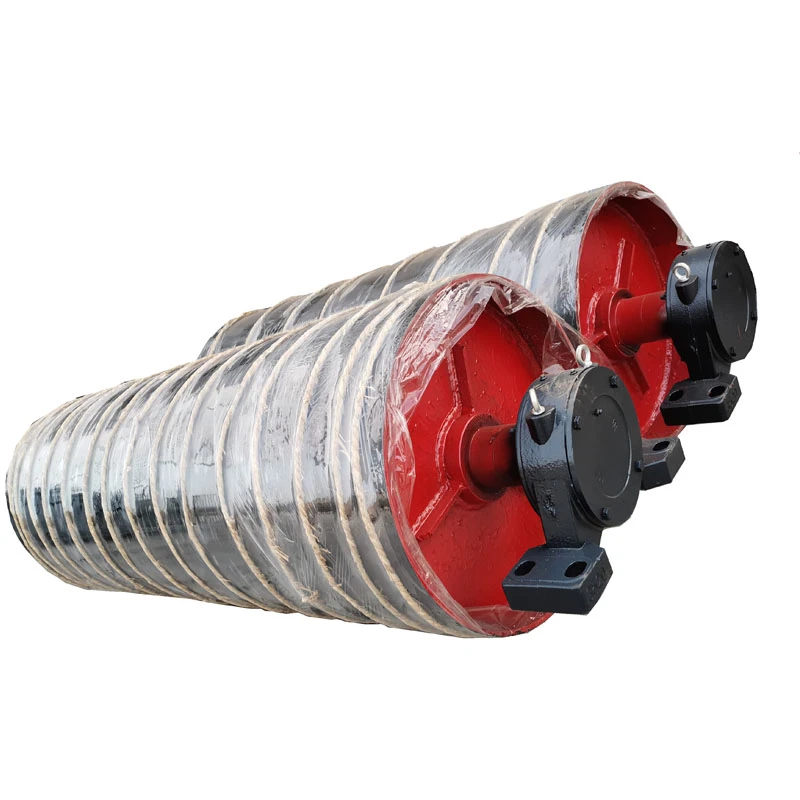
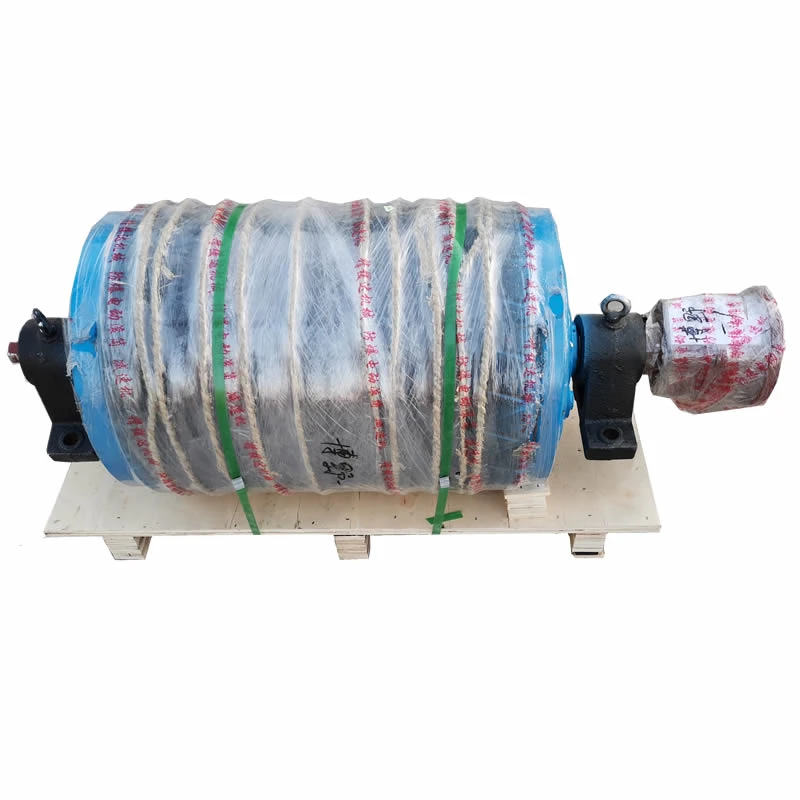
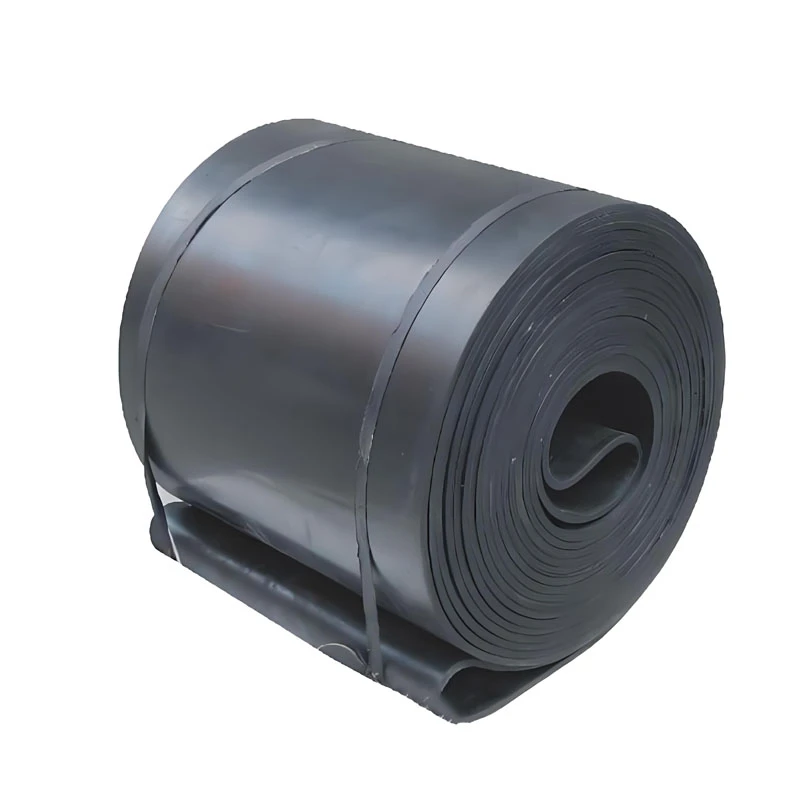
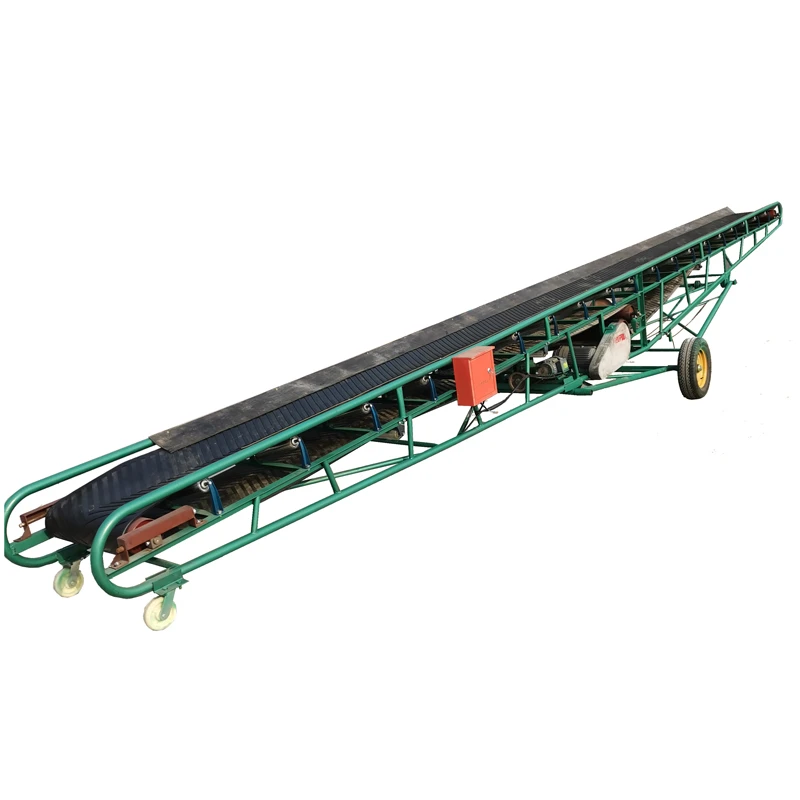
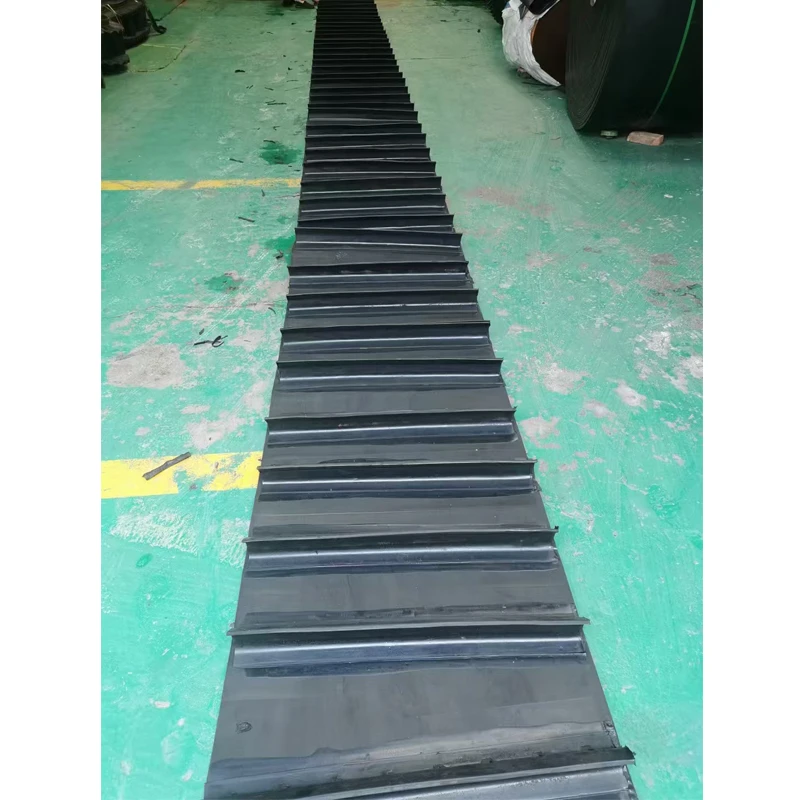
Put simply, an earth moving conveyor belt is a heavy-duty belt system designed specifically to transport bulk earth materials like soil, sand, gravel, and rock. Unlike standard industrial belts, these are built to handle abrasive and large volume loads, often running across uneven or unstable ground. Their design facilitates quick setup and modification, making them ideal for dynamic work sites.
These conveyor systems are crucial not only in commercial construction but also in humanitarian contexts. For example, they assist in clearing debris after natural disasters or delivering building materials in remote locations where roads are nonexistent or damaged.
earth moving conveyor belt technology, thus, bridges the gap between demanding logistics and on-the-ground realities.
Core Components That Make Them Tick
1. Durability
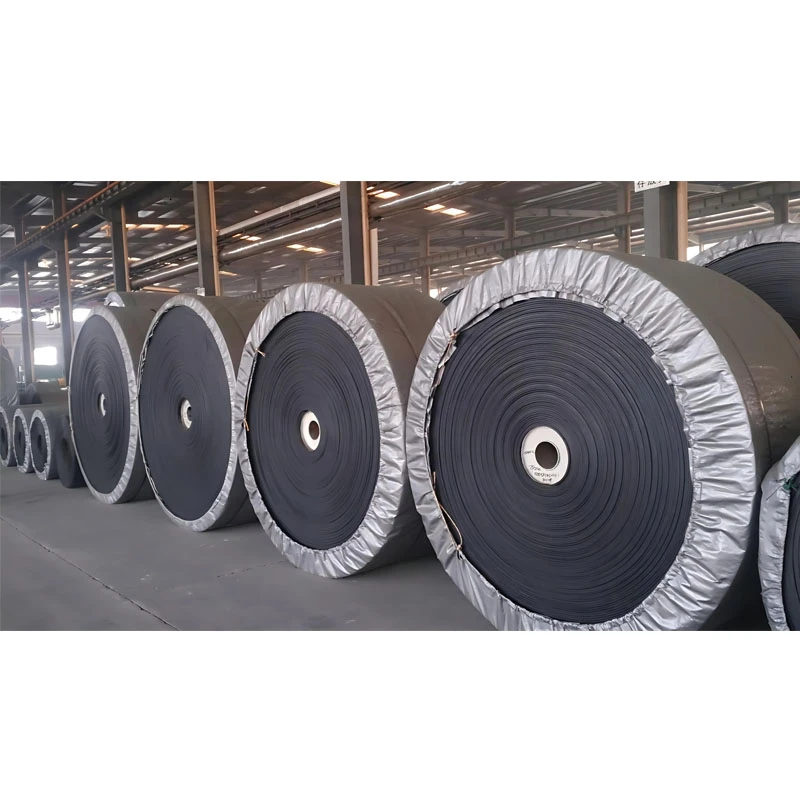
One can’t overstate how vital durability is. Conveyor belts used in earth moving must resist abrasion, tearing, and weather exposure consistently. Many are reinforced with multiple layers of nylon or polyester and designed with impact-resistant covers to withstand rocky materials.
2. Scalability
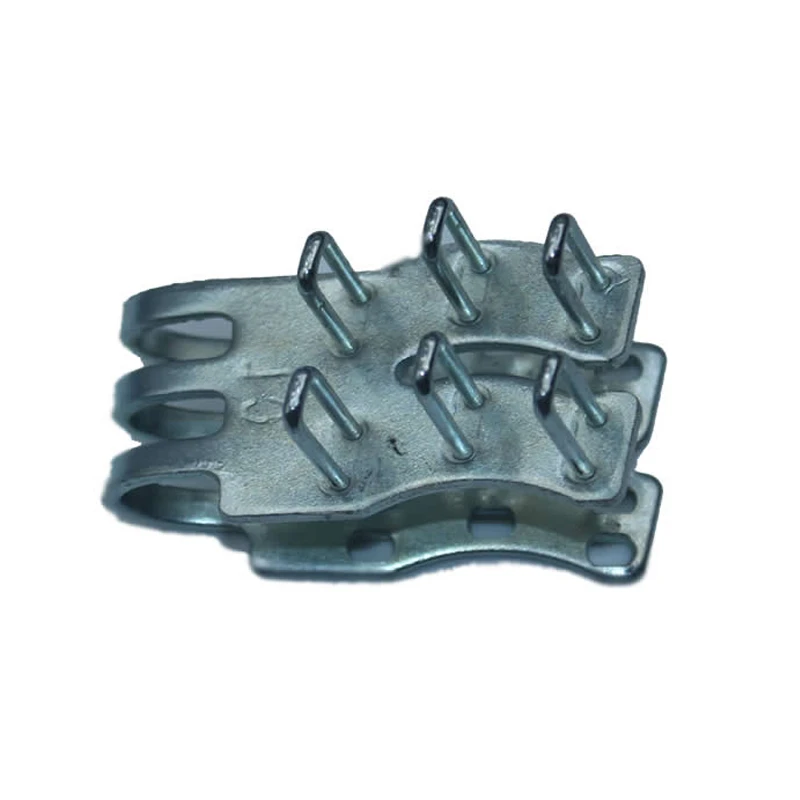
The best conveyor systems scale easily — from a few hundred meters for a mining pit to several kilometers for infrastructure projects. Modular belt segments and adjustable support structures give engineers flexibility to adapt on the fly.
3. Cost Efficiency
Conveyor belts typically reduce labor and fuel costs drastically compared to trucks because they require less manpower and offer continuous movement. Over project lifespans, this translates to substantial savings.
4. Environmental Impact
Moving away from diesel trucks cuts harmful emissions. Furthermore, modern belts can be fitted with solar-powered motors or low-energy drives, pushing projects closer to sustainability goals.
5. Ease of Maintenance
Rugged doesn’t mean complicated. Innovations in wear-resistant materials and smart belt monitoring systems allow timely maintenance, reducing downtime on tight project schedules.
Mini takeaway: Earth moving conveyor belts combine raw strength with smart design — that’s why they’re favorites for serious digging, moving, and building operations worldwide.
Real-World Applications Across the Globe
- Mining in Canada and Australia: Huge belts carry ore from pit to processing plants, reducing truck traffic and hazards.
- Post-disaster relief in Southeast Asia: Conveyor belts help clear flood debris or transport construction materials when roads are compromised.
- Agricultural projects in Africa: Moving soil and sand for irrigation canals demands durable, flexible systems operable in remote areas.
- Infrastructure development in South America: Large dams and highways utilize extended conveyor lines to speed up earthworks.
Advantages & Long-Term Value
Besides obvious cost savings, earth moving conveyor belts contribute to worker safety by limiting heavy truck movement in dangerous zones. Less noise and dust generation improves working conditions, which, frankly, boosts morale.
Many project managers I’ve spoken with emphasize the emotional comfort of using “quiet, steady conveyors” over convoys of noisy dump trucks — people feel safer and more confident onsite.
On a practical level, conveyors reduce environmental impact by lowering emissions and soil compaction, creating a greener work footprint.
Product Specifications You Can Count On
| Specification | Standard Range | Description |
|---|---|---|
| Belt Width | 500 mm – 1500 mm | Variable widths to suit different load sizes |
| Load Capacity | 500 – 3000 tonnes/hr | Designed for high volume earth moving |
| Belt Speed | 0.5 – 5 m/s | Adjustable speed for varying site requirements |
| Operating Temperature Range | -30°C to +60°C | Suitable for diverse climatic zones |
| Power Source | Electric / Solar Hybrid | Supports sustainability and low emissions |
Comparing Leading Earth Moving Conveyor Belt Vendors
| Vendor | Key Strength | Typical Project Size | Sustainability Features |
|---|---|---|---|
| TerraMove Systems | Modular quick-deploy systems | Small to mid-scale | Solar hybrid motors |
| HeavyHaul Conveyor Inc. | High capacity, rugged belts | Large industrial, mining | Energy-efficient drives, eco-friendly materials |
| GreenLine Conveyor Tech | Sustainable materials, low-impact installation | Medium-scale infrastructure | Biodegradable covers, solar integration |
Where Is This All Heading? Future Trends & Innovations
Innovation in earth moving conveyor belts feels like a steady stream — not a sudden flood. Yet, it’s fascinating: engineers explore lightweight composites that reduce total system weight, cutting transport and installation energy. Robotics and sensors are also creeping in, enabling predictive maintenance; belts that self-diagnose faults and order replacement parts before failures occur.
Digitally controlled drive systems adjust speed and load dynamically, making belts smarter and more energy-efficient. Plus, with global commitments to reduce greenhouse gases, expect more solar-powered and hybrid conveyors. Honestly, combining green energy with traditional heavy-duty design is turning these systems into champions of sustainable infrastructure.
Common Challenges—and Clever Solutions
No system’s perfect. Traditional challenges for earth moving conveyor belts include:
- Wear and Tear: Constant abrasive material contact shortens belt lifespan.
- Terrain Stability: Uneven ground causes alignment and support problems.
- Deployment Time: Complex setups delay project timelines.
In response, manufacturers innovate with ultra-durable rubber compounds, modular frameworks for easy leveling, and plug-and-play designs. Some engineers use drone-assisted surveys to plan belt routes perfectly before installation, cutting surprises in rugged sites. It’s these practical breakthroughs that keep conveyor belts relevant and reliable.
Frequently Asked Questions About Earth Moving Conveyor Belts
- What factors should I consider when choosing an earth moving conveyor belt?
- Look at load capacity, belt width, operating environment (temperature, terrain), and power options. Also, consider maintenance ease and if sustainability features like solar power matter to your project.
- How quickly can a conveyor be deployed in an emergency relief situation?
- Modular conveyor systems can be installed in days rather than weeks, especially with trained teams and pre-planned route surveys. The ability to rapidly deploy is a key selling point for disaster response.
- Are earth moving conveyor belts cost-effective compared to trucks?
- Generally, yes. While initial investment can be higher, savings on fuel, labor, and maintenance usually deliver lower total operating costs during the project life.
- Can these belts be customized for different industrial materials?
- Absolutely. Belts come with specialized covers and reinforcement layers designed to handle materials from fine sand to large rocks without premature damage.
Wrapping It Up: Why Earth Moving Conveyor Belts Are Here to Stay
In real terms, the earth moving conveyor belt is more than a mechanical marvel — it’s a vital cog in global infrastructure, sustainable development, and rapid disaster response. They balance cost, efficiency, environmental needs, and safety better than most alternatives.
If you want to explore options or need expert advice tailored to your project, don’t hesitate to visit our website. It’s where innovation meets real-world requirements every single day.
Mini takeaway: As we look ahead, expect earth moving conveyor belts to become smarter, greener, and even more adaptable — exactly what this planet needs.