Understanding Grain Conveyors: A Veteran’s Take on Efficiency and Design
Having spent well over a decade in the industrial equipment sector, I’ve seen grain conveyors evolve from bulky, somewhat clunky apparatuses into the streamlined, reliable systems we rely on today. Grain handling might not be glamorous, but it's the backbone of agricultural logistics, and frankly, the conveyor is where the rubber meets the road—or rather, where the grain meets the storage.
If you’re involved in grain storage or transportation, you likely know how crucial grain conveyors are for moving bulk commodities swiftly and safely. But what makes a good grain conveyor? Is it just about belt width or motor power? Not quite. It’s a blend of design, material science, and customization based on the kind of grain and environment.
I remember one project where the grain conveyor operated under dusty, humid conditions, with corn kernels prone to sticking. We had to find a belt material that resisted abrasion and minimized grain damage, which ultimately saved the client thousands in lost product and maintenance.
Key Features That Define a Great Grain Conveyor
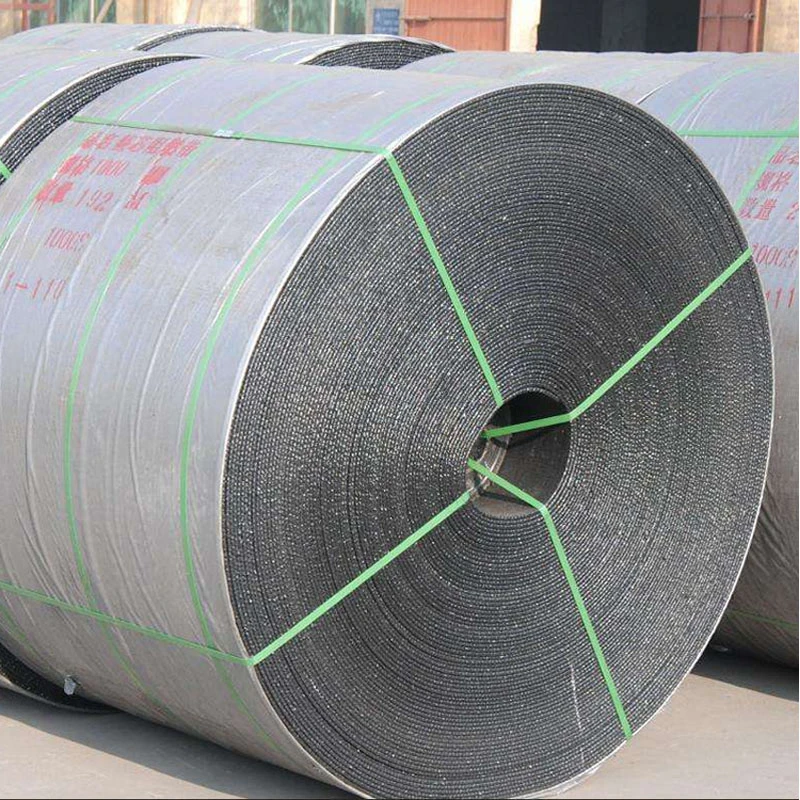
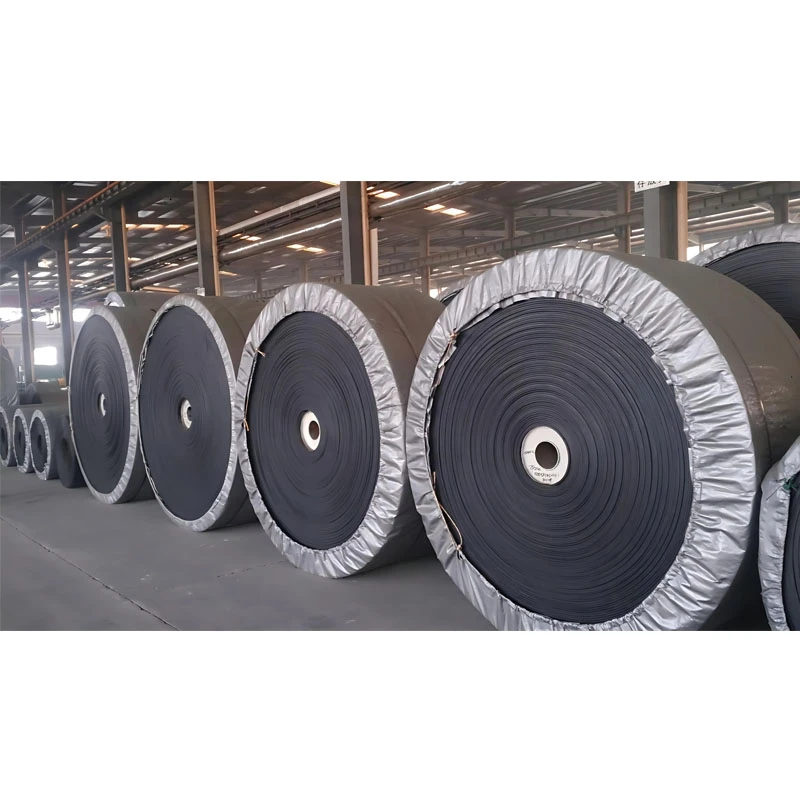
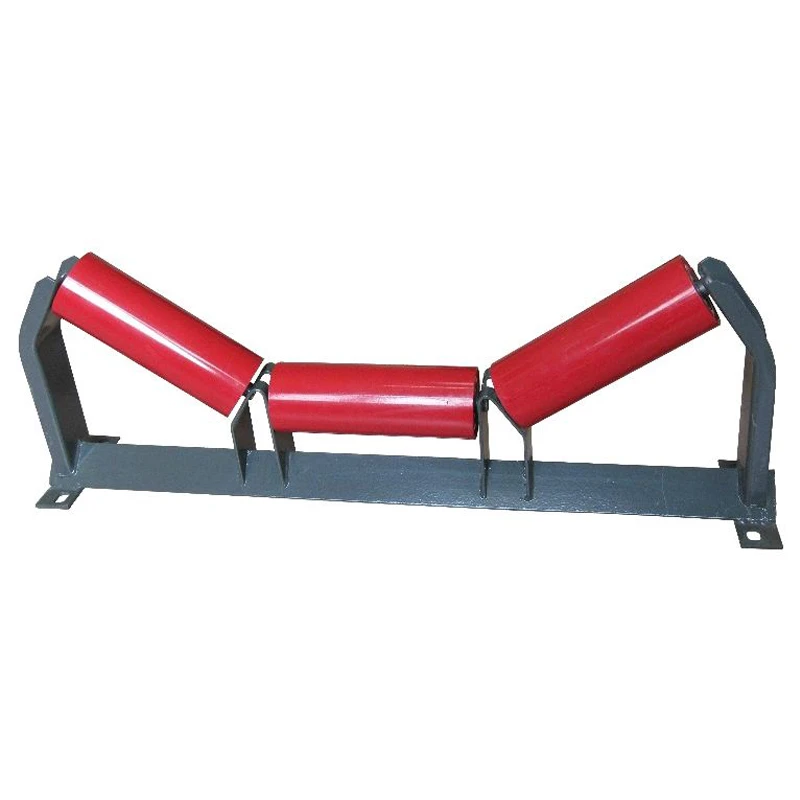
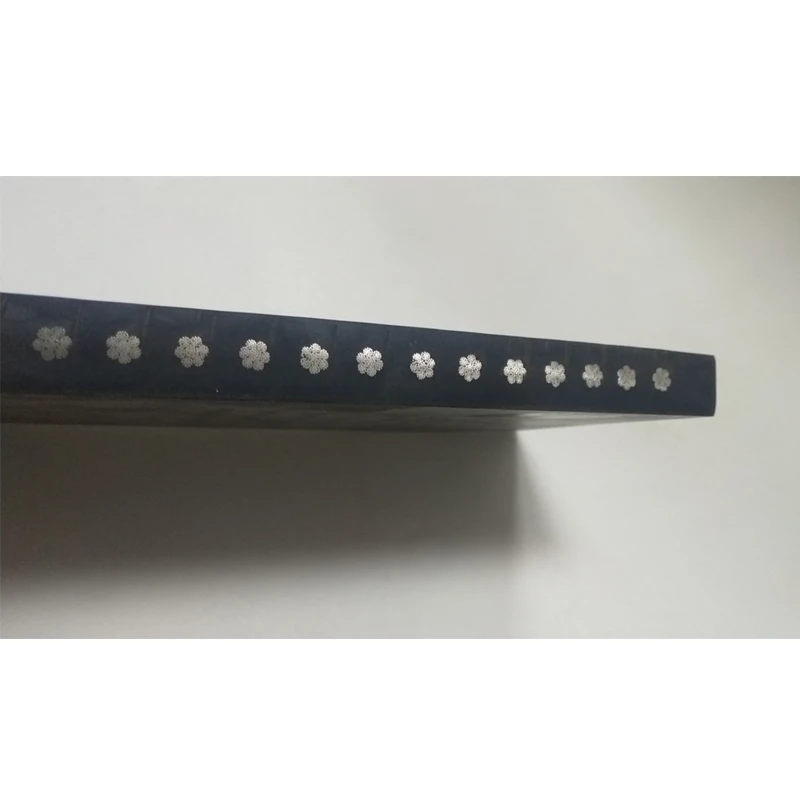
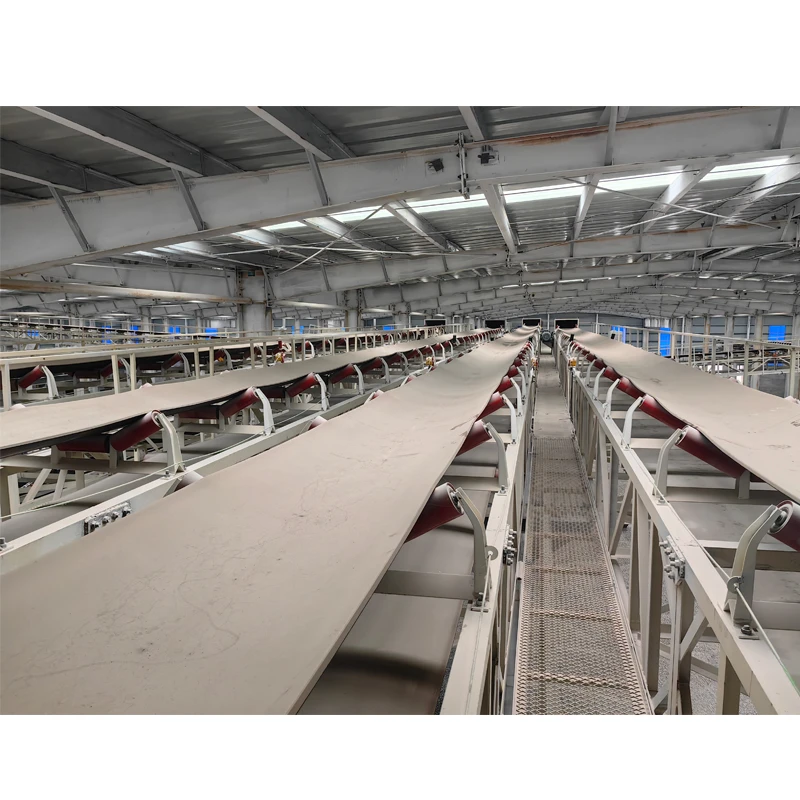
What do I usually check first? The belt material, motor specs, and structural build. For grain handling, the conveyor belt is typically made from durable PVC or rubber with embedded textile plies to support tension and wear. Choosing the right belt thickness is oddly enough just as important as the conveyor’s length.
| Specification | Typical Value |
|---|---|
| Belt Width | 500 mm to 1200 mm |
| Belt Material | PVC or Rubber with polyester reinforcement |
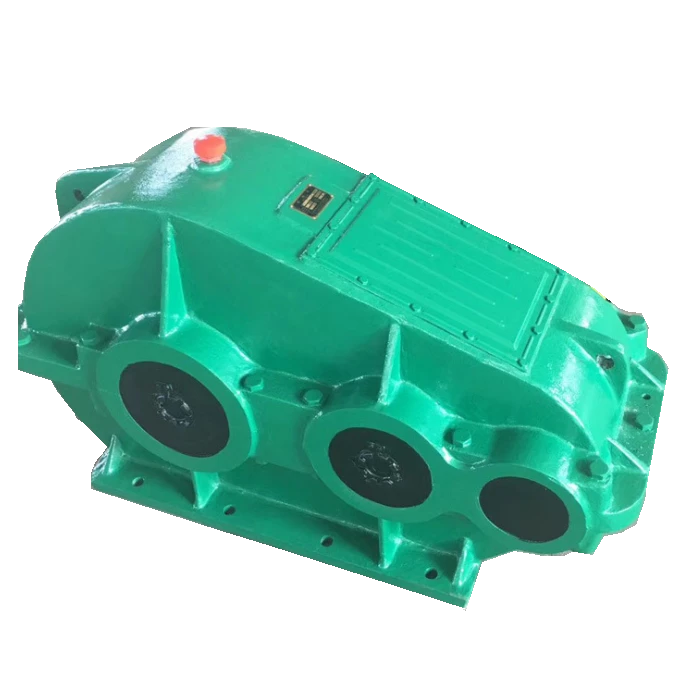
| Motor Power | 1.5 kW – 11 kW (variable by load) |
| Conveyor Length | Up to 60 meters (customizable) |
| Operating Speed | 0.5 to 3.0 m/s |
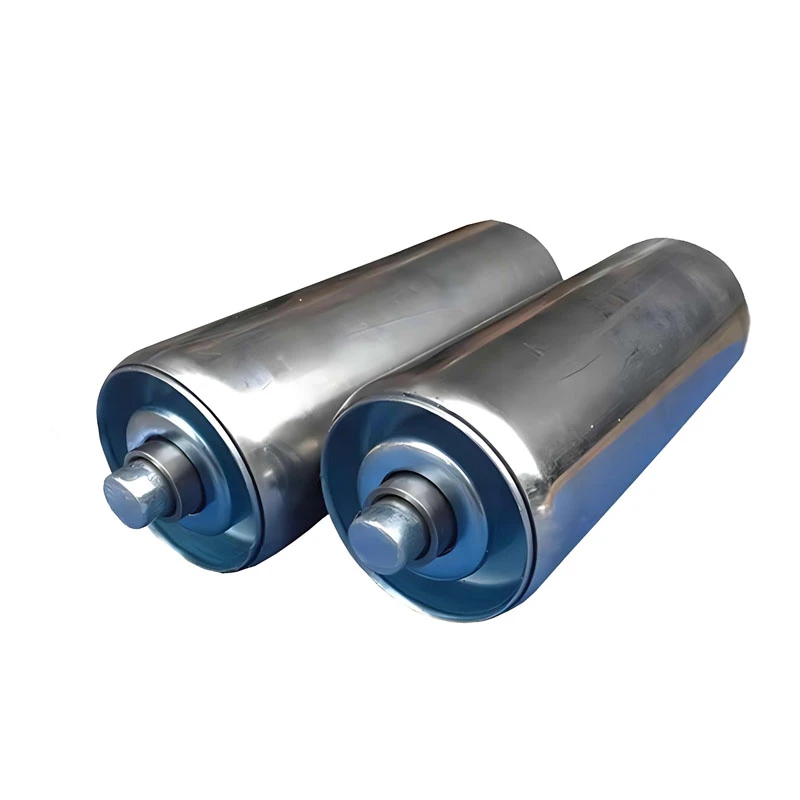
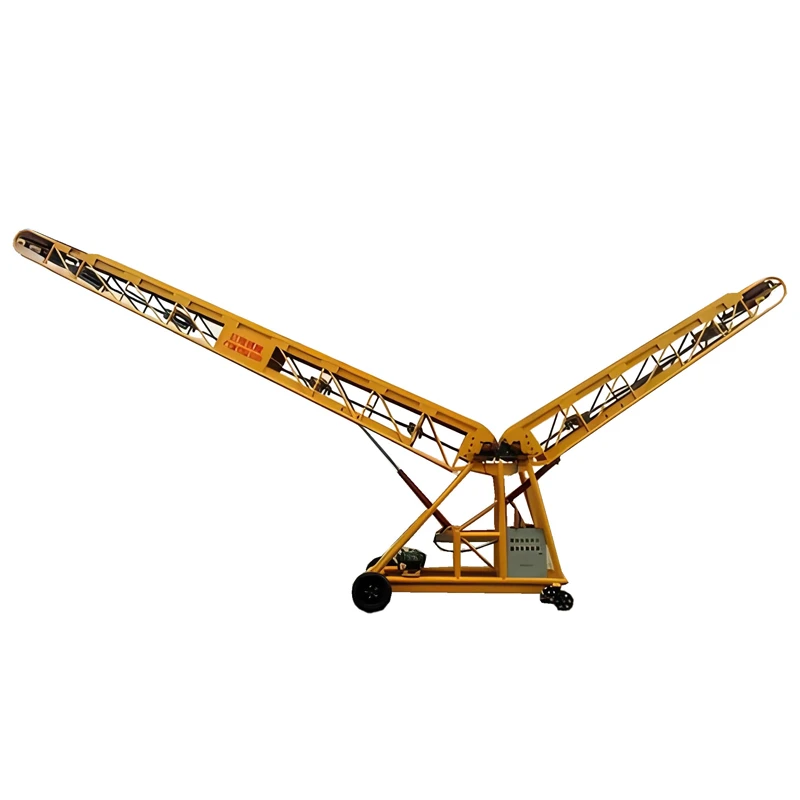
Beyond specs, the installation and environment also dictate whether you go for a tubular conveyor, a belt conveyor, or even a pneumatic system (though that’s a different ballgame). Many engineers, myself included, often recommend systems that are easy to maintain, since downtime during peak harvest can be catastrophic.
Vendor Comparison: Getting the Right Partner for Your Grain Conveyor Needs
From experience, the product’s quality often reflects on the vendor's know-how and after-sales support. Here’s a quick comparison I often use when consulting clients:
| Feature / Vendor | HG Conveyor Belt | Competitor A | Competitor B |
|---|---|---|---|
| Customization Options | Wide range, belts & structure | Limited to standard models | Moderate customization |
| Lead Time | 3-5 weeks | 6-8 weeks | 4-6 weeks |
| After-sales Support | 24/7 technical hotline | Email support only | Phone support business hrs |
| Price Range | Mid-range, good value | Lower cost but less durable | Premium pricing |
Honestly, the choice of supplier can make or break your operational uptime. I once helped a client switch from a cheaper vendor to HG Conveyor Belt products, and the improvement in belt life and technical support was immediately noticeable. It’s those little things — like a responsive customer service team — that save you headaches later.
If you’re pondering grain conveyor purchases, consider the unique demands of your facility. Are you dealing with dusty wheat or oily sunflower seeds? Are temperature fluctuations an issue? Don’t underestimate how these factors shape your conveyor choice.
To wrap it up, grain conveyors are unquestionably critical in modern agricultural operations. The technology behind these conveyors, from belt materials to motor specs, continues to improve — but your choice boils down to what fits your specific situation best.
A grain conveyor isn’t just a machine; it’s a frontline partner in your supply chain, so choose wisely and keep those grains moving.
References:
- Industrial Conveyor Belt Materials Guide, Conveyor Equipment Manufacturers Association, 2022
- Case Study: Enhancing Grain Handling Efficiency, Agricultural Machinery Journal, 2023
- HG Conveyor Belt Product Catalog and Customer Testimonials, 2024