Understanding Material Flow and Conveyor Systems: The Backbone of Modern Industry
Material flow and conveyor systems — you might not notice them as you grab a product off a store shelf or watch a parcel zoom through a warehouse — but they’re the unsung heroes of global supply chains and manufacturing. At their core, these systems streamline transporting materials from point A to B, boosting efficiency and reducing human error. And frankly, in a world demanding speed, precision, and sustainability, understanding these systems matters more than ever.
Introduction: Why the World Can’t Function Without Efficient Material Flow
The global industrial output continues to surge, with World Bank figures indicating manufacturing’s contribution to GDP rising steadily in emerging economies. Yet, how do all these raw materials, parts, and finished goods move seamlessly in vast factories or sprawling warehouses? That’s where material flow and conveyor systems come in. According to ISO standards, optimizing material flow is key to minimizing waste and energy consumption, which is increasingly critical as companies face mounting environmental regulations and supply chain disruptions.
But there’s a challenge: many industries still rely on outdated or poorly integrated systems that cause bottlenecks, increasing costs and environmental impact. Modern conveyor and material flow systems tackle these challenges head-on.
What Are Material Flow and Conveyor Systems?
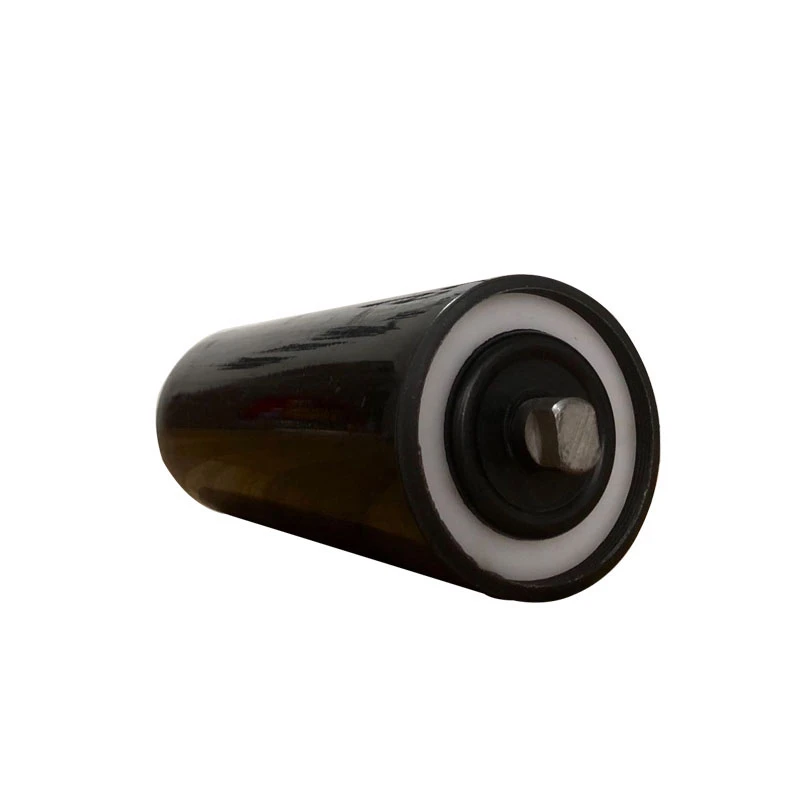
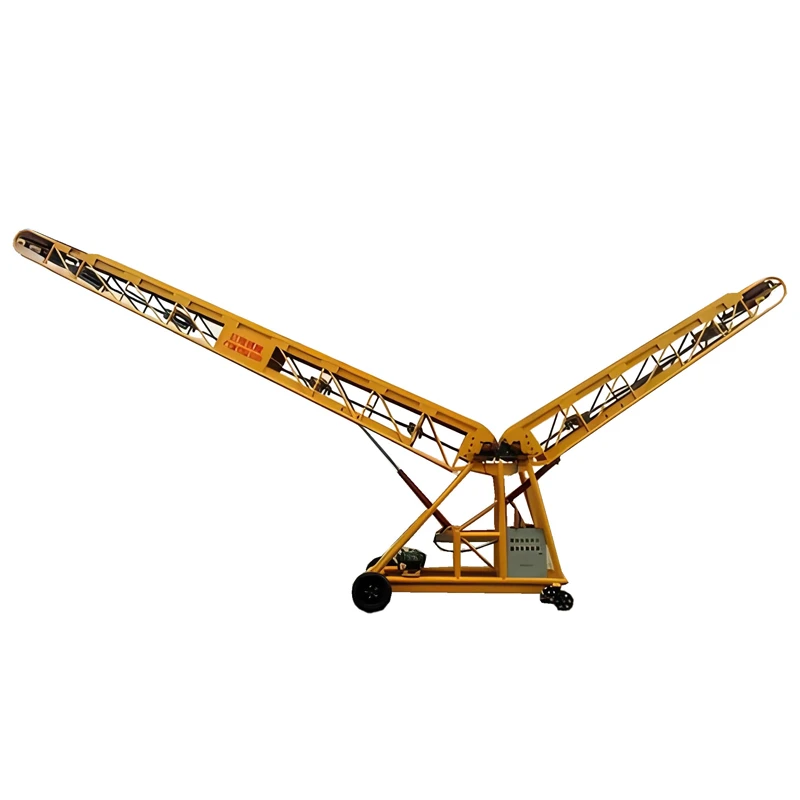
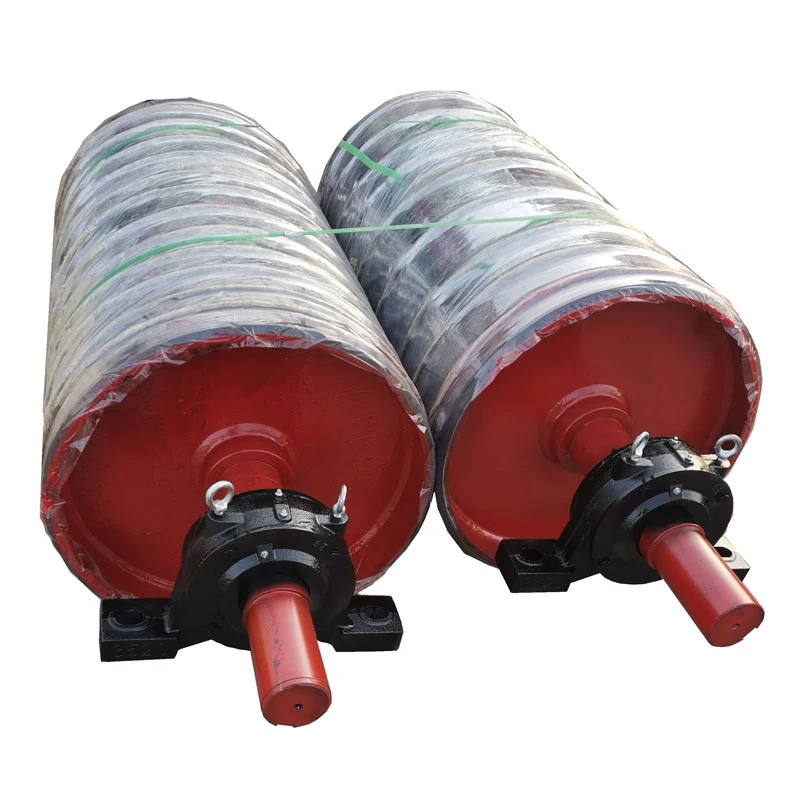
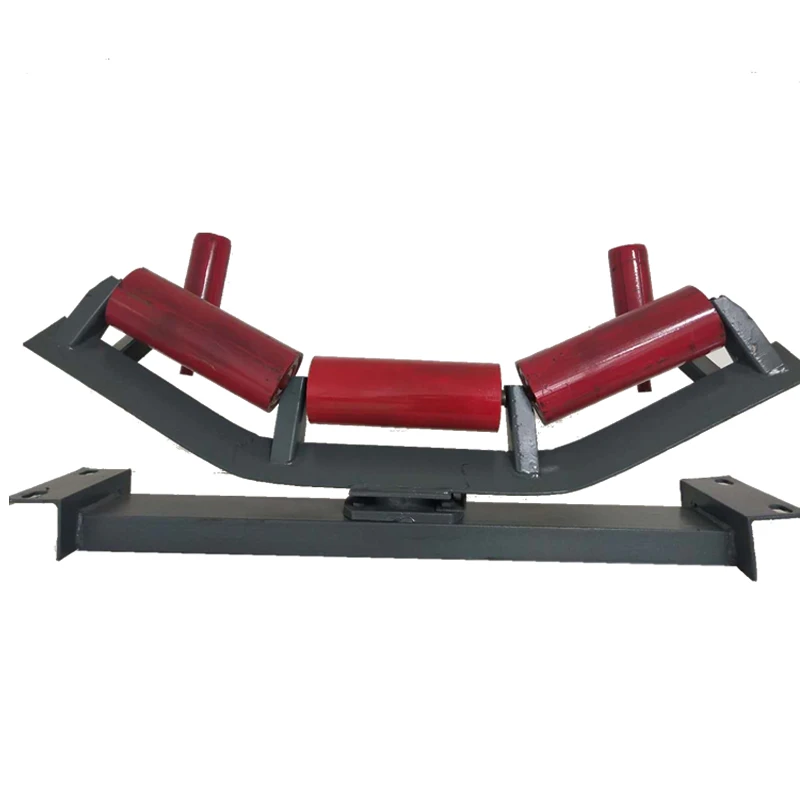
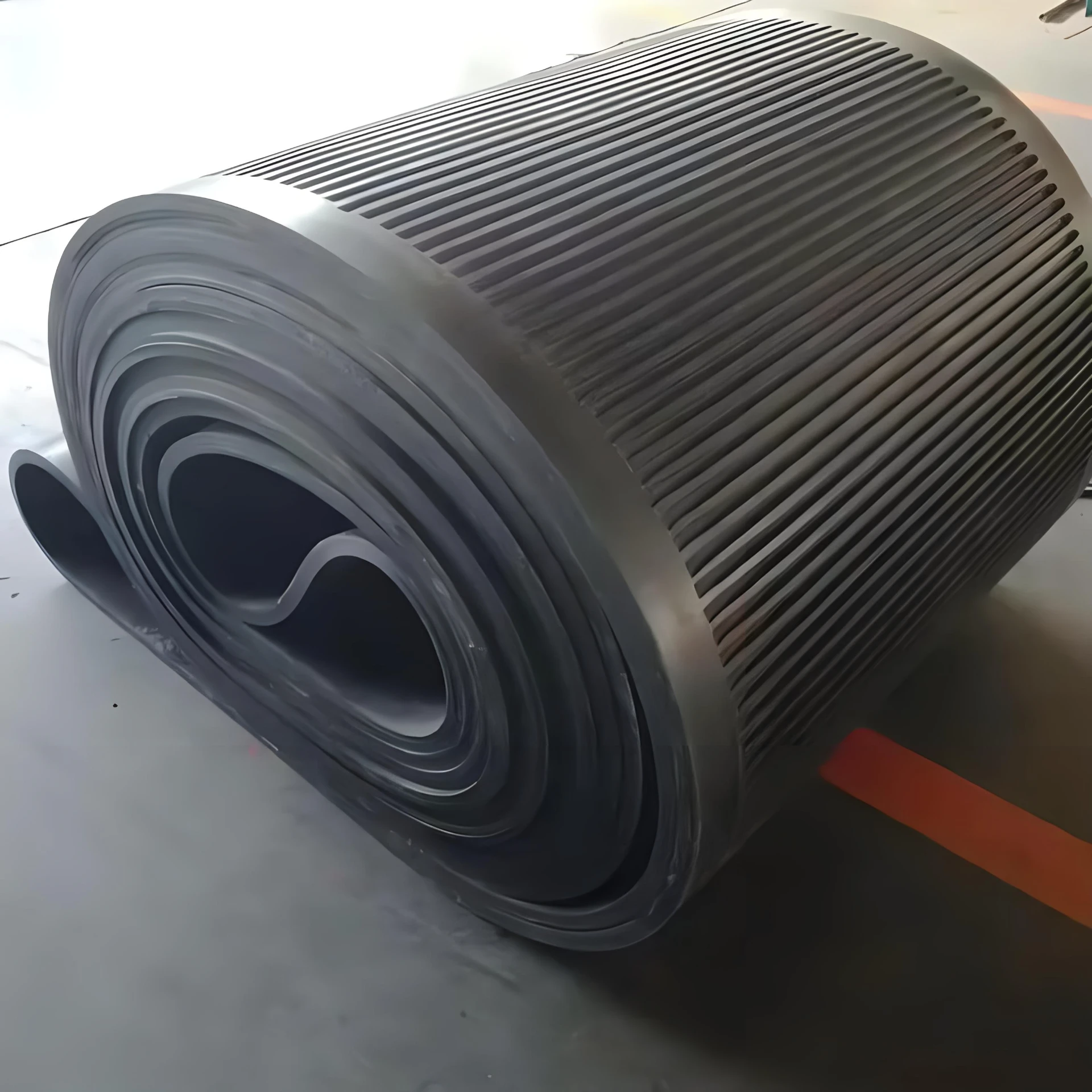
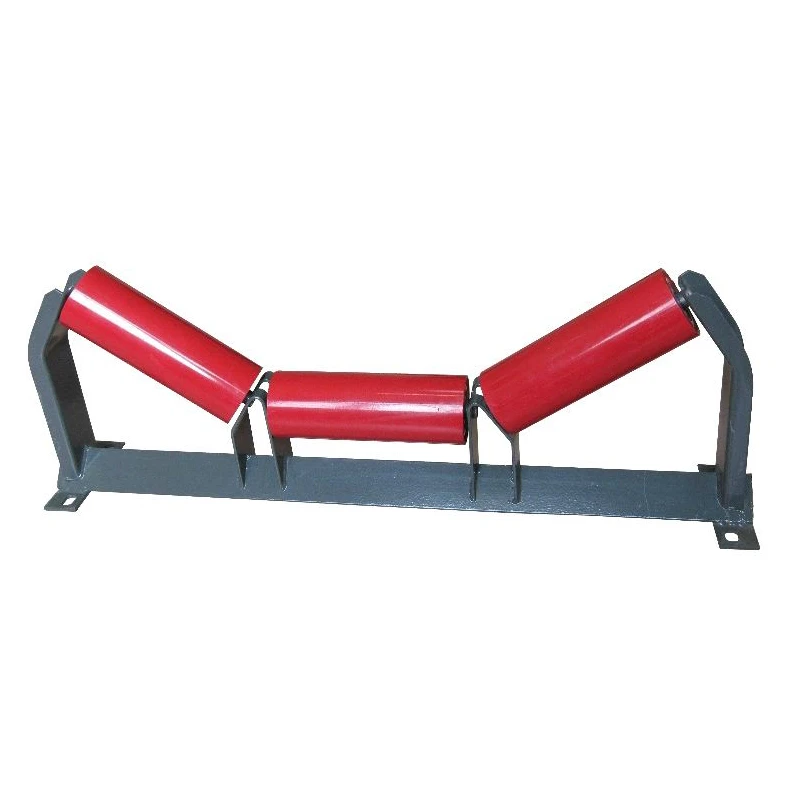
Simply put, material flow refers to the entire process by which raw materials, components, and finished products move through the stages of production and distribution. Conveyor systems are a subset — those mechanical setups, like belts, rollers, or automated vehicles, that physically move materials within this flow.
It’s easy to overlook, but these systems form the nervous system of modern industries — whether you’re in automotive manufacturing, food processing, or humanitarian supply distribution. In disaster relief, for example, rapid, reliable conveyor setups can mean the difference between life and death by speeding the delivery of vital supplies.
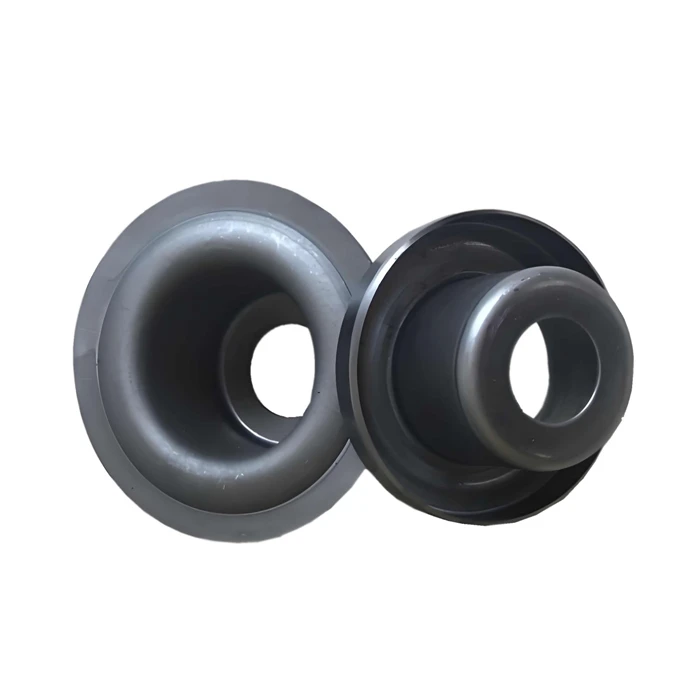
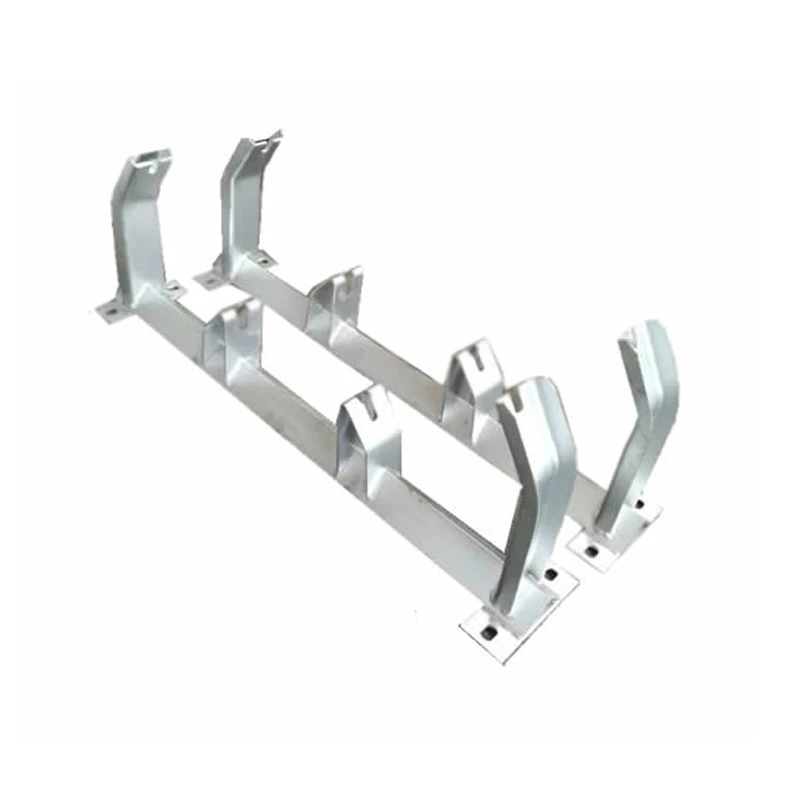
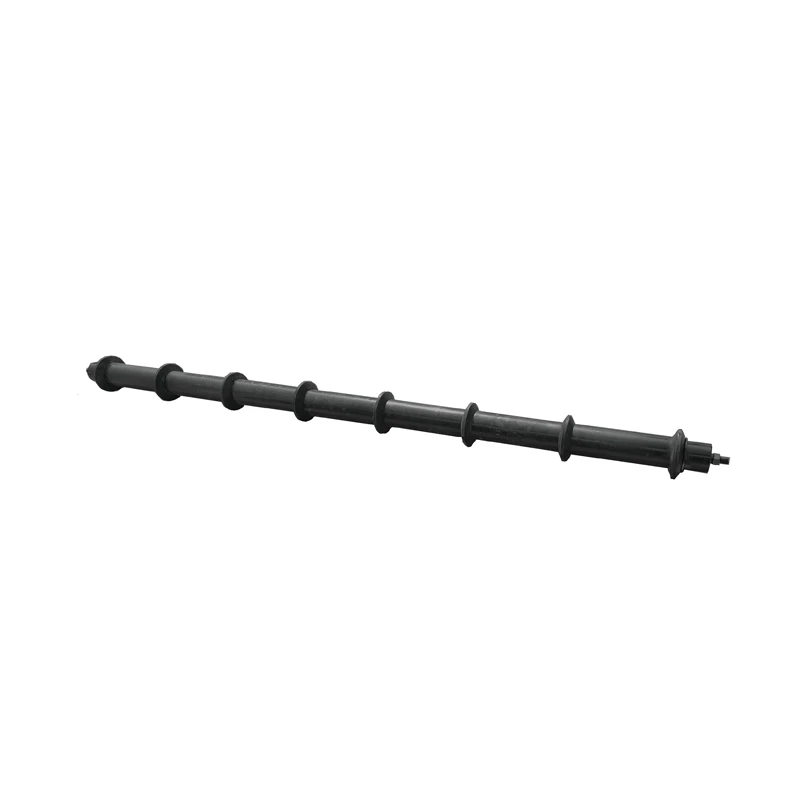
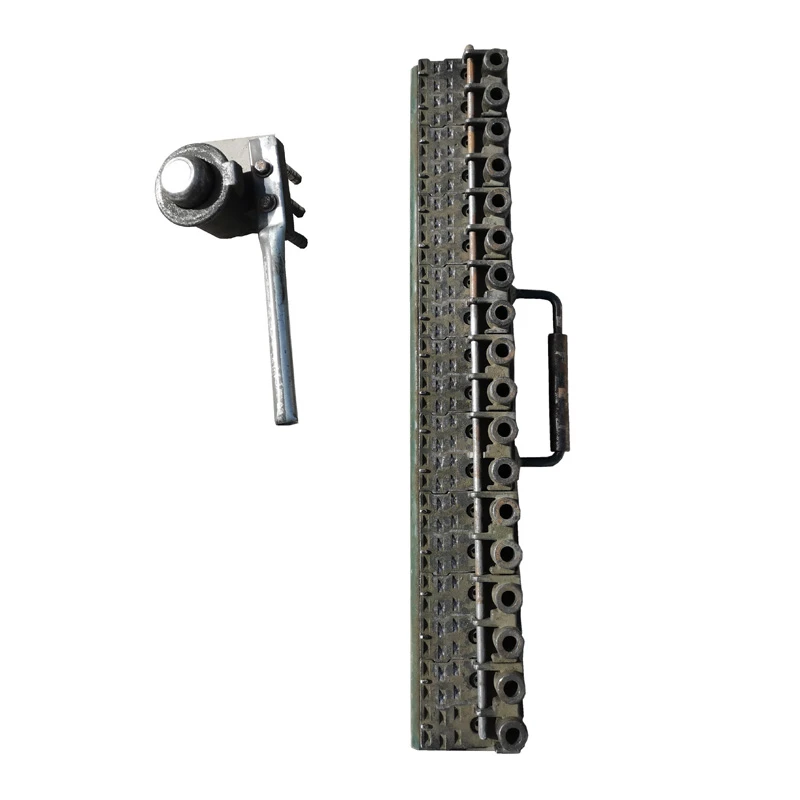
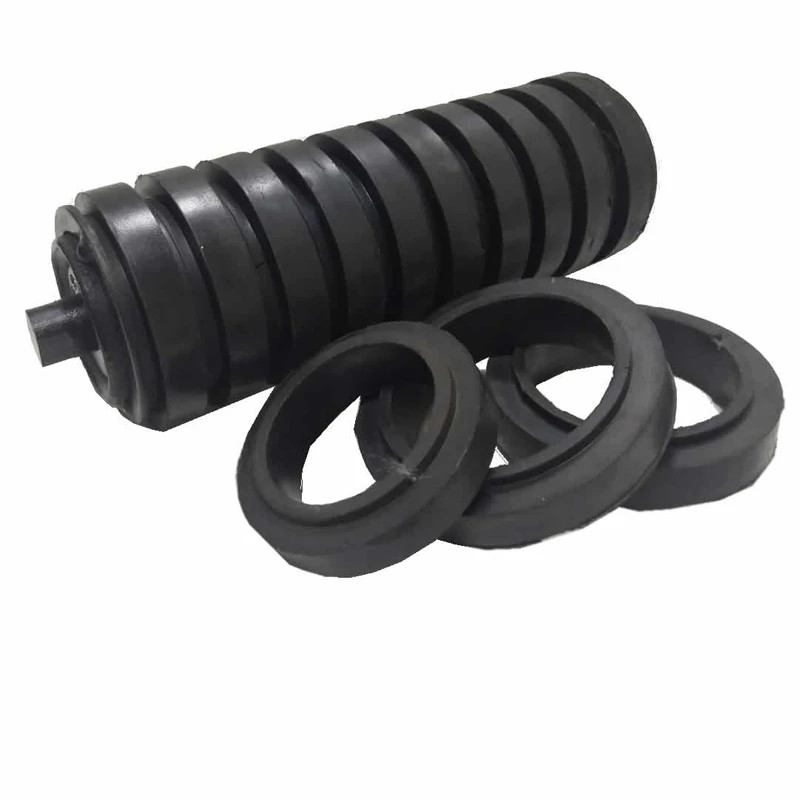
Core Components That Make Material Flow and Conveyor Systems Work
1. Durability and Reliability
These systems often operate 24/7 under various conditions — from dusty mines to refrigerated warehouses. Components must resist wear, corrosion, and occasional overloads to avoid costly downtime.
2. Scalability and Flexibility
Businesses grow, product lines change. The ideal conveyor system adapts without requiring full replacement — modular designs and configurable routes come in handy here.
3. Cost Efficiency
Beyond initial investment, consider energy consumption and maintenance. Efficient systems reduce operational costs and carbon footprints. I noticed many engineers increasingly prefer energy-saving motors and lightweight materials.
4. Integration with Automation and Digital Systems
Modern conveyor setups increasingly connect with warehouse management and ERP software, allowing real-time tracking and automated sorting — vital in today’s fast-paced logistics.
5. Safety and Ergonomics
Properly designed systems protect workers from injuries and improve ergonomics by minimizing manual handling — an often overlooked but critical factor.
Mini takeaway: Material flow and conveyor systems aren’t just mechanical parts — they’re complex solutions blending durability, adaptability, cost management, connectivity, and safety.
Global Applications of Material Flow and Conveyor Systems
From sprawling factories in Germany to remote mining operations in Australia, these systems underpin productivity globally. For example:
- Automotive Plants (Germany, Japan): Highly automated conveyor lines move car frames through assembly stages rapidly.
- Food Processing (USA, Brazil): Conveyor belts maintain hygiene standards while speeding sorting and packaging.
- Disaster Relief Operations (UN Agencies): Temporary conveyor setups facilitate rapid distribution of aid supplies in post-disaster zones.
- Mining Industry (South Africa, Canada): Robust conveyors transport ores to processing plants efficiently.
It’s fascinating how such diverse contexts require universal principles of effective material flow.
Advantages and Long-Term Value
Material flow and conveyor systems yield clear-cut benefits:
- Cost savings: Less manual labor means reduced wages and fewer errors.
- Sustainability: Optimized flow cuts energy use and waste, aligning with global carbon-reduction goals.
- Safety and worker dignity: Minimizing repetitive heavy lifting reduces injuries.
- Reliability and Trust: Predictable supply chains enable businesses to keep promises to customers.
Plus, from a psychological standpoint, employees often feel more valued and less fatigued working alongside smooth-running conveyor systems.
Product Specifications: Example Conveyor System at a Glance
| Specification | Model A1 | Model B2 |
|---|---|---|
| Conveyor Type | Belt Conveyor | Roller Conveyor |
| Max Load Capacity | 500 kg/m | 300 kg/m |
| Operating Speed | 1.2 m/s | 0.8 m/s |
| Energy Consumption | 1.1 kW/m | 0.7 kW/m |
| Modularity | Yes | Limited |
Future Trends and Innovations
Looking forward, the horizon of material flow and conveyor systems is illuminated by:
- Green Technologies: Solar-powered conveyors and recycled materials reduce footprints.
- Automation & AI: Smart conveyors with sensors and AI optimize routes and maintenance.
- Digital Twins: Virtual replicas of conveyor systems help preempt issues and improve design.
- Robotic Integration: Autonomous guided vehicles (AGVs) working alongside fixed belts.
Oddly enough, these innovations also make systems easier to maintain and customize — a win-win for industry and environment.
Common Challenges & How Experts Tackle Them
Despite advances, challenges remain:
- Maintenance complexity: More tech means more potential failure points.
- Initial costs: High upfront investment can deter small businesses.
- Integration hurdles: Legacy systems resist seamless upgrades.
Experts suggest adopting modular designs, investing in operator training, and leveraging material flow and conveyor systems providers who prioritize scalable solutions.
Vendor Comparison Table
| Vendor | Product Range | Customization | Sustainability Focus | Support & Training |
|---|---|---|---|---|
| HG Conveyor Belt Inc. | Wide (belts, rollers, AGVs) | High | Advanced eco-friendly materials | Comprehensive 24/7 |
| FlexMove Systems | Moderate (belt & modular) | Medium | Basic recycling program | Business hours only |
| Global Conveyance | Extensive (all types) | High | Investment in solar tech | On-site & remote |
FAQ: Common Questions About Material Flow and Conveyor Systems
- How do modern conveyor systems improve warehouse efficiency?
- By automating the transport of goods within warehouses, conveyor systems reduce manual handling time and errors. Integration with inventory software enables real-time tracking, speeding up order fulfillment and reducing overhead costs.
- Are conveyor systems suitable for harsh or outdoor environments?
- Yes. Many conveyor systems are built with durable materials like corrosion-resistant steel or have protective coatings to withstand harsh conditions like dust, moisture, and temperature extremes. Proper maintenance ensures longevity.
- Can smaller businesses afford to implement advanced material flow systems?
- While initial costs can be a hurdle, modular and scalable conveyor solutions allow smaller companies to invest gradually. Leasing options and government incentives for energy-efficient equipment sometimes help reduce financial barriers.
- How do these systems contribute to sustainability goals?
- Efficient conveyors reduce energy consumption by optimizing motor operations and minimizing idle time. Using recycled materials and integrating renewable energy sources further lowers environmental impact.
Conclusion: Embracing Material Flow and Conveyor Systems for a Better Tomorrow
In sum, effective material flow and conveyor systems are central to modern manufacturing, logistics, and humanitarian efforts. Investing in durable, scalable, and smart conveyor solutions pays dividends through cost savings, sustainability, and safer workplaces. Oddly enough, the behind-the-scenes efficiency they bring often goes unnoticed — but it’s absolutely vital.
If you’re looking to explore cutting-edge, eco-conscious conveyor solutions tailored to your needs, I highly recommend visiting HG Conveyor Belt. Their expertise and commitment could be exactly what your operations need.
Reflection: It feels like as industries embrace digital transformation, material flow and conveyor systems become more than just logistics tools—they evolve into smart ecosystems that foster innovation and resilience.