Understanding Conveyors Systems: The Backbone of Modern Industry and Beyond
Conveyors systems quietly power much of what we take for granted—from the factory floor that churns out your smartphone parts to large-scale humanitarian efforts where moving supplies efficiently can save lives. They may seem like simple mechanical setups, but their global impact is staggering. Why is understanding conveyors systems so vital, and what benefits can businesses and societies expect? Let’s unpack this technology from basics to future potential.
Introduction: Why Conveyors Systems Matter Globally
Across the world, global manufacturing output has surged—UNIDO reports a longer-term increase in industrial production by over 3% annually in many regions. This growth leans heavily on automation and logistics, with conveyors systems at their core. According to the International Organization for Standardization (ISO), efficient material handling improves productivity by up to 40% and reduces workplace injuries significantly. Yet, supply chain bottlenecks and increasing complexity highlight challenges savvy companies must face—and conveyors systems are a vital piece of the puzzle.
In humanitarian contexts, too, delays in moving relief materials during crises can cost lives. Efficient conveyors systems enable fast deployment of resources like food, medicine, and shelter materials, especially in disaster-prone or remote regions. So, understanding these solutions isn’t just about business profits—it’s about safety and resilience worldwide.
What Are Conveyors Systems, Really?
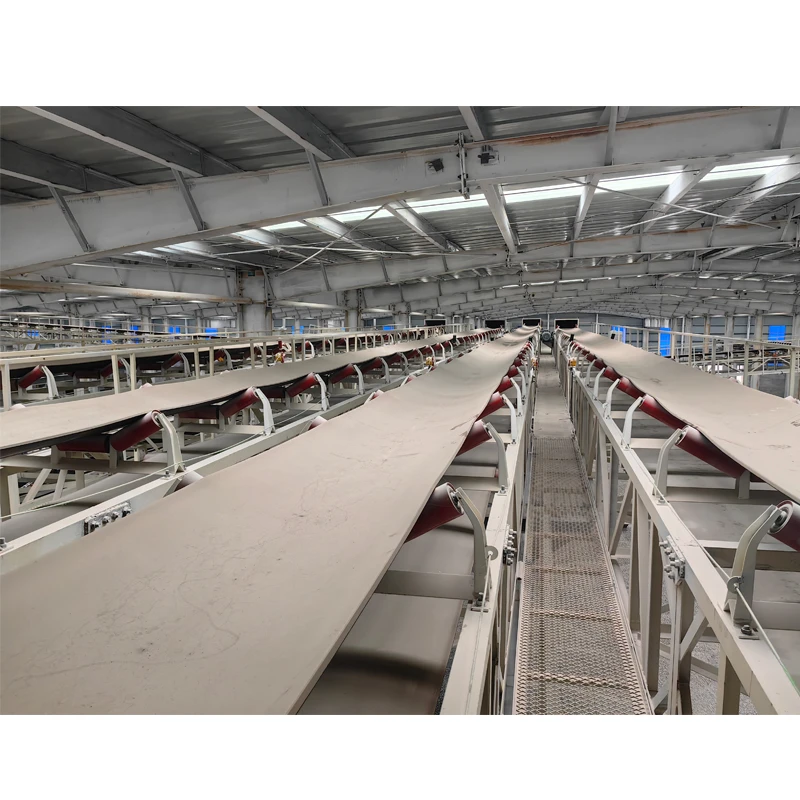
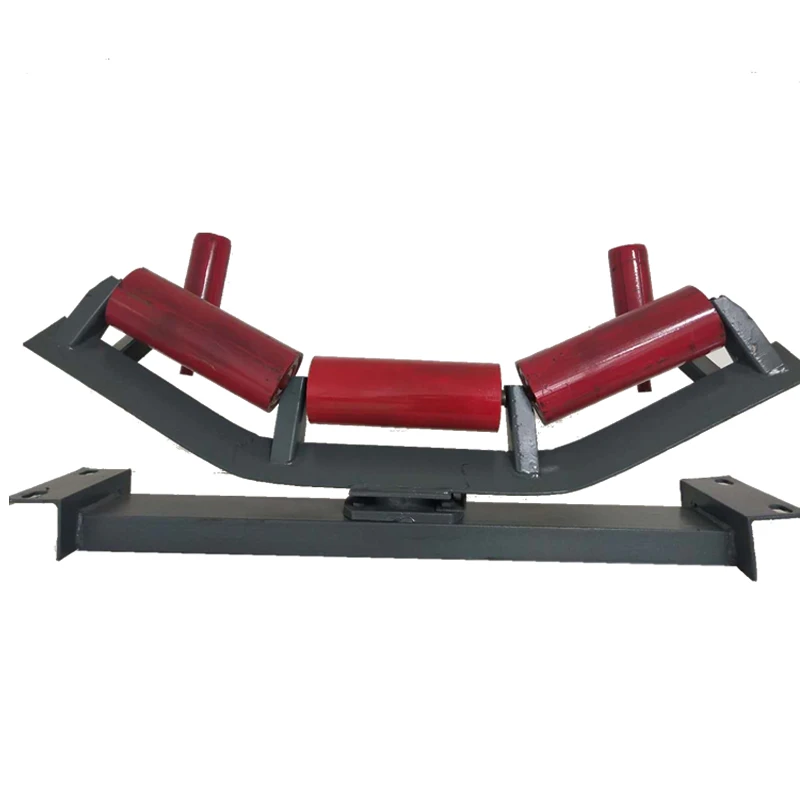
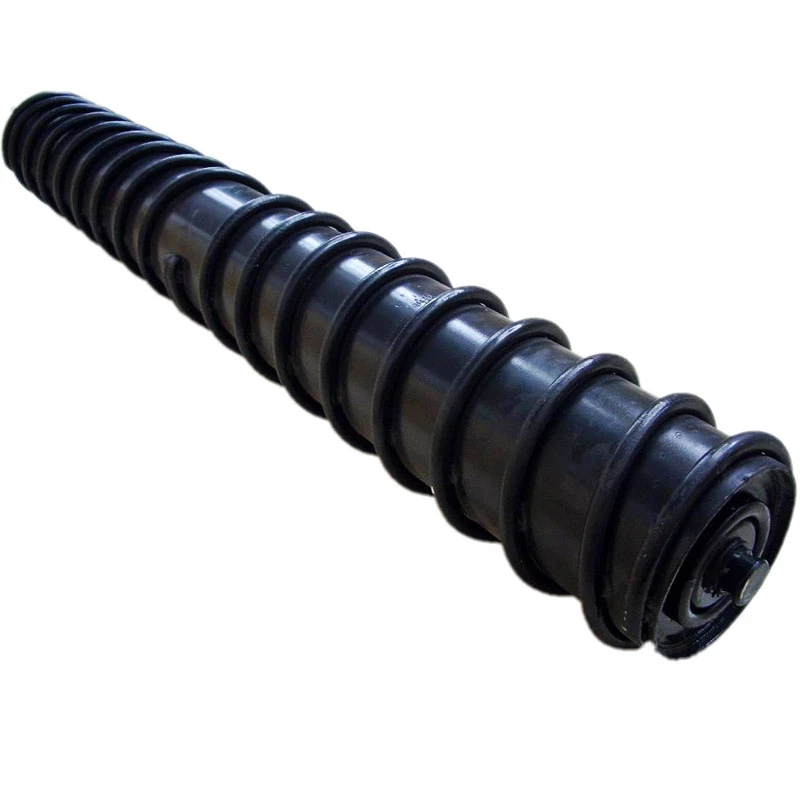
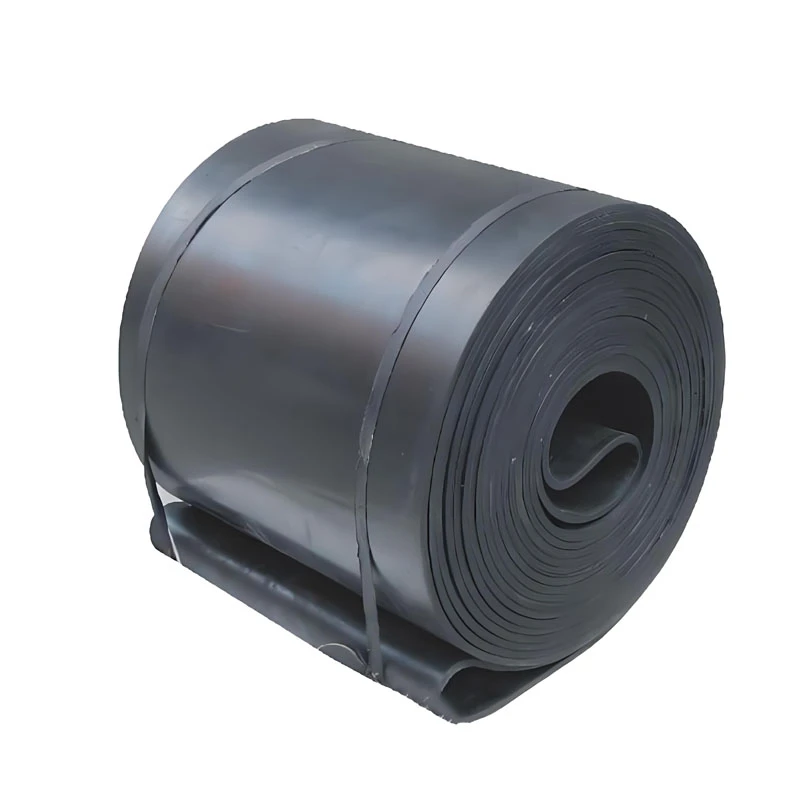
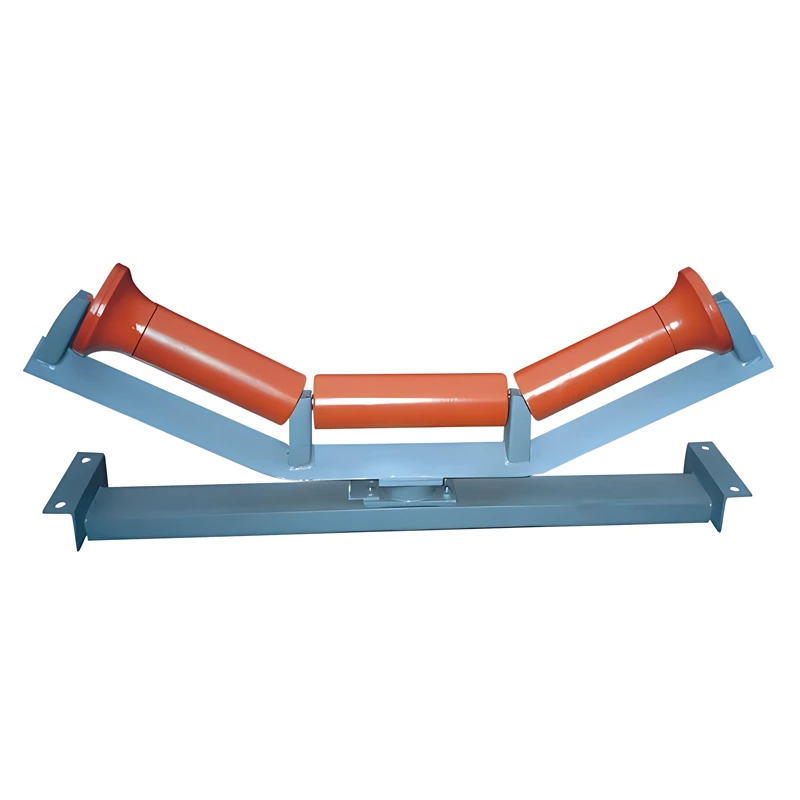
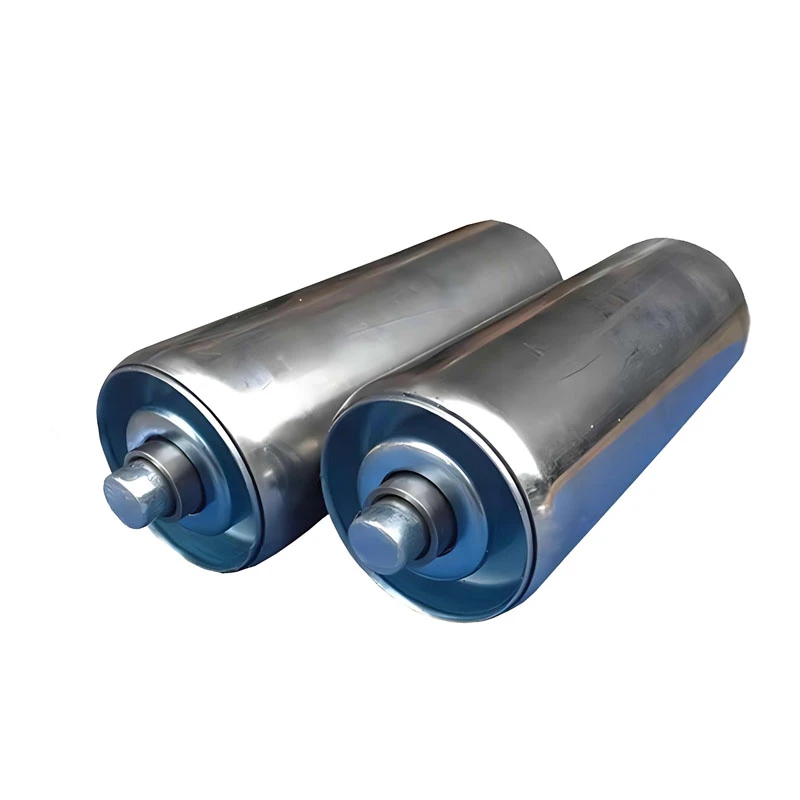
Put simply, conveyors systems are mechanical assemblies designed to move materials from one point to another. You might picture the conveyor belt at airport security, but industrial versions can be much more complex: using rollers, chains, pulleys, or even air. Their goal is to streamline material flows, limit manual labor, and boost consistency.
Modern conveyors systems are tightly woven into industries such as automotive manufacturing, food processing, mining, and logistics centers. They also support humanitarian missions by speeding up essential supply flows, underlining their expanding role beyond factories.
Key Aspects of Conveyors Systems
1. Durability
Industrial environments aren’t gentle, and conveyors systems must endure harsh conditions—extreme temperatures, abrasive materials, or corrosive substances. Choosing the right materials, say high-grade steel or durable polymers, ensures longevity and limits downtime, which can be costly.
2. Scalability
Systems need to adapt as businesses grow. Modular conveyors that can be extended or reconfigured provide flexibility. For example, seasonal industries like agriculture might adjust conveyor length and speed according to harvest periods.
3. Cost Efficiency
While upfront investments vary, conveyors systems reduce labor costs, minimize product damage, and improve throughput. Smart design decisions—like energy-efficient motors or automation integration—can further cut operational expenses over time.
4. Safety
A good conveyors system prioritizes operator safety with guards, emergency stops, and sensors. Beyond protecting workers, these features lower accident-related downtime and insurance costs.
5. Integration & Automation
Conveyors systems increasingly incorporate IoT sensors and AI controls for real-time monitoring and predictive maintenance, ensuring continuous, smooth operation.
Mini Takeaway:
- Durability and safety are non-negotiable in conveyors system design.
- Scalable and integrated systems offer long-term value in dynamic industries.
Global Applications & Use Cases
From sprawling ports in Rotterdam to remote mining sites in Australia, conveyors systems are everywhere. In Asia’s vast e-commerce hubs, automated conveyors enable lightning-fast order fulfillment, sometimes moving thousands of parcels per hour.
In humanitarian efforts, organizations like the Red Cross use temporary conveyor setups to unload ships and trucks swiftly in disaster zones, shortening relief delivery times drastically.
Oddly enough, even the winemaking industry relies on gentle conveyor belts to move grapes without bruising them during harvest. This shows the sheer diversity of conveyors system applications—from heavy industry to delicate processes.
Advantages & Long-Term Value
- Cost savings: Reduced manual handling means fewer injuries and faster production lines.
- Sustainability: Greener motors and efficient layouts reduce energy use.
- Social Impact: Safer workplaces and quicker humanitarian responses improve community well-being.
- Trust & Innovation: Reliable conveyors build confidence and enable cutting-edge industrial processes.
There’s also a subtle, emotional element. Workers who rely on conveyors systems for safer work, or disaster victims who receive relief goods faster, gain dignity and hope. So yes, conveyors systems may be mechanical, but they support very human outcomes.
Future Trends & Innovations
Looking ahead, expect to see greater use of smart sensors, AI-driven analytics, and sustainable materials like biodegradable belts. Automation isn’t just about fancy robotics but about smarter conveyors that self-diagnose and self-repair.
Green initiatives are also pushing manufacturers to design conveyors powered by renewable energy sources and with recyclable components—fitting neatly with global sustainability goals endorsed by organizations like the UN.
Challenges & Solutions
Conveyors systems aren’t without glitches—blockages, maintenance complexity, or high initial costs can slow adoption. But experts emphasize user training, modular designs, and predictive analytics as modern solutions to these issues.
Frankly, it’s a learning curve. Companies that embrace cutting-edge digital tools alongside traditional mechanical know-how often achieve the best ROI.
Product Specification Table
| Feature | Standard Conveyor Belt | Modular Roller Conveyor | Automated Smart Conveyor |
|---|---|---|---|
| Load Capacity | Up to 500 kg/m | Up to 800 kg/m | Up to 1000 kg/m |
| Speed Range | 0.5-3 m/s | 0.3-2 m/s | 0.1-5 m/s (variable) |
| Energy Efficiency | Standard motor | Energy-saving motors | Smart motor + regenerative braking |
| Automation Level | Manual controls | Semi-automated | Fully automated with AI |
Vendor Comparison Table
| Vendor | Specialty | Price Range | Support & Service |
|---|---|---|---|
| GlobeTech Conveyors | Heavy-duty industrial belts | $$$ | 24/7 support, on-site maintenance |
| NimbleRoll Systems | Modular, scalable conveyors | $$ | Online training, remote diagnostics |
| SmartMove Technologies | AI-driven smart conveyors | $$$$ | Custom integration, dedicated engineer |
FAQ: Frequently Asked Questions About Conveyors Systems
- Q: How do conveyors systems improve factory safety?
A: Conveyors reduce the need for manual lifting and carrying, cutting injury risks. Modern systems add safety features like emergency stops and sensors that halt operations instantly if something goes wrong. - Q: Can a conveyors system be adapted for changing production needs?
A: Yes, modular designs allow easy scalability and reconfiguration. Industries with seasonal fluctuations or product changes benefit significantly from adaptable conveyors. - Q: What maintenance do conveyors systems require?
A: Regular checks of belts, rollers, motors, and lubrication are standard. Many systems now include IoT sensors for predictive maintenance, which can flag issues before failures occur. - Q: Are conveyors eco-friendly?
A: Newer models prioritize energy efficiency and use recyclable materials. When paired with green energy sources, conveyors contribute to reduced carbon footprints.
Conclusion: Why Conveyors Systems Deserve Your Attention
Conveyors systems aren’t just pipes for products—they’re vital arteries of modern industry and emergency response. The efficiency, safety, scalability, and innovation they bring translate into real-world benefits for businesses and communities globally. If you’re looking to upgrade your material handling or simply want to learn more about how conveyors systems can transform operations, check out resources and offerings at conveyors systems.
Investing in knowledge and technology here is investing in your reliability, sustainability, and future growth.
Mini Reflection
It always fascinates me how these mechanical systems underpin much larger human stories—like a subtle but firm handshake connecting industry, innovation, and even hope in crises. Conveyors systems might feel unglamorous, but they are indispensable.