Why a Concrete Conveyor is a Game Changer in Construction
After spending over a decade working alongside concrete plants and equipment vendors, I’ve come to appreciate how much a solid concrete conveyor really impacts operational efficiency. It’s often overlooked, but frankly, in real terms, a smooth, reliable conveyor can make or break your project timelines.
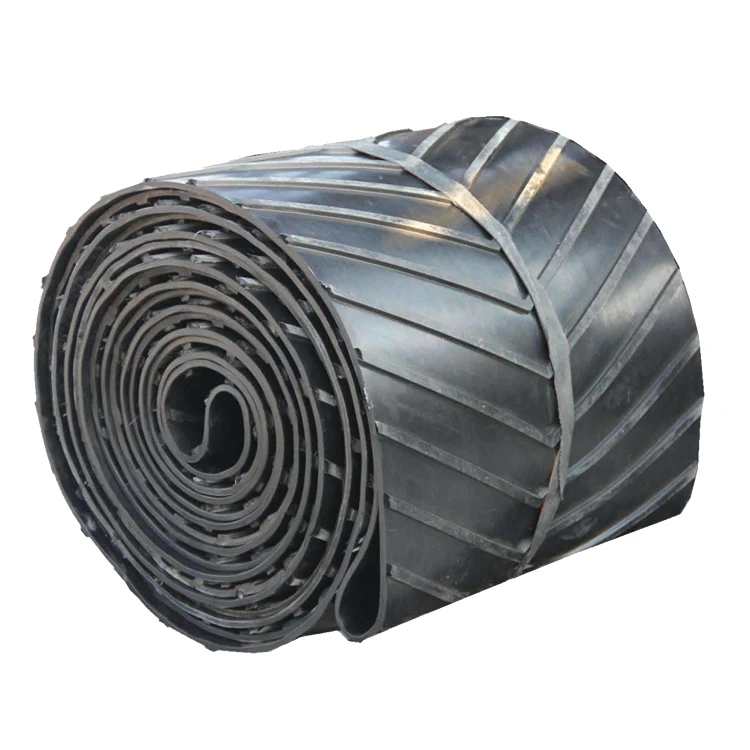
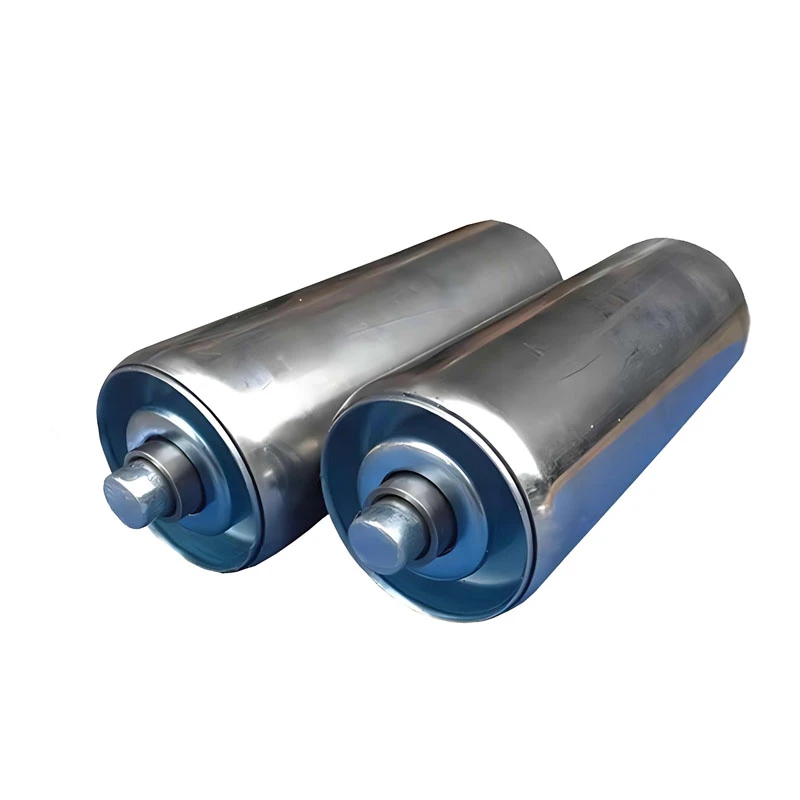
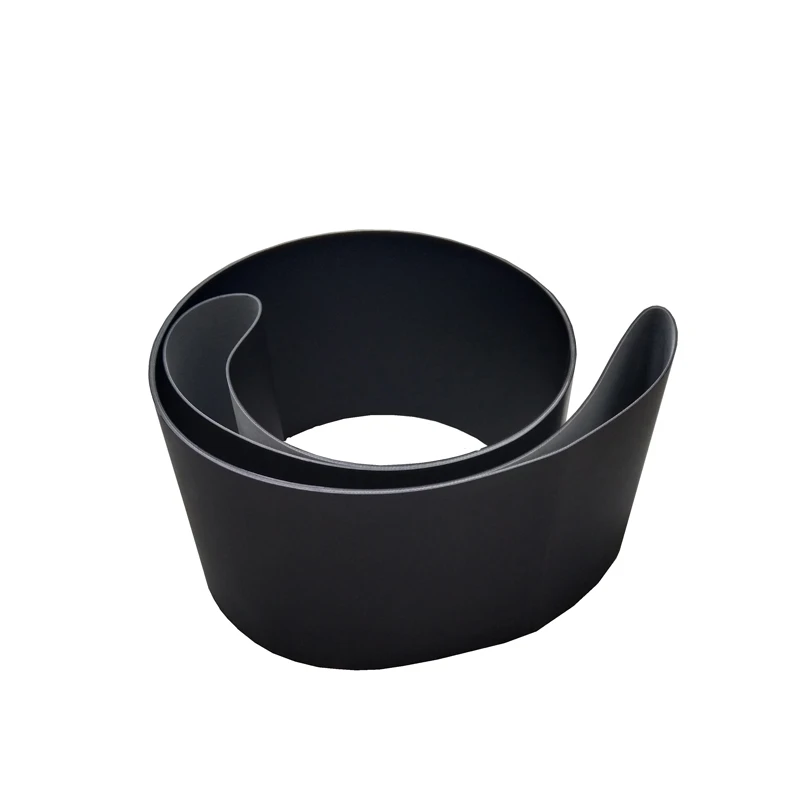
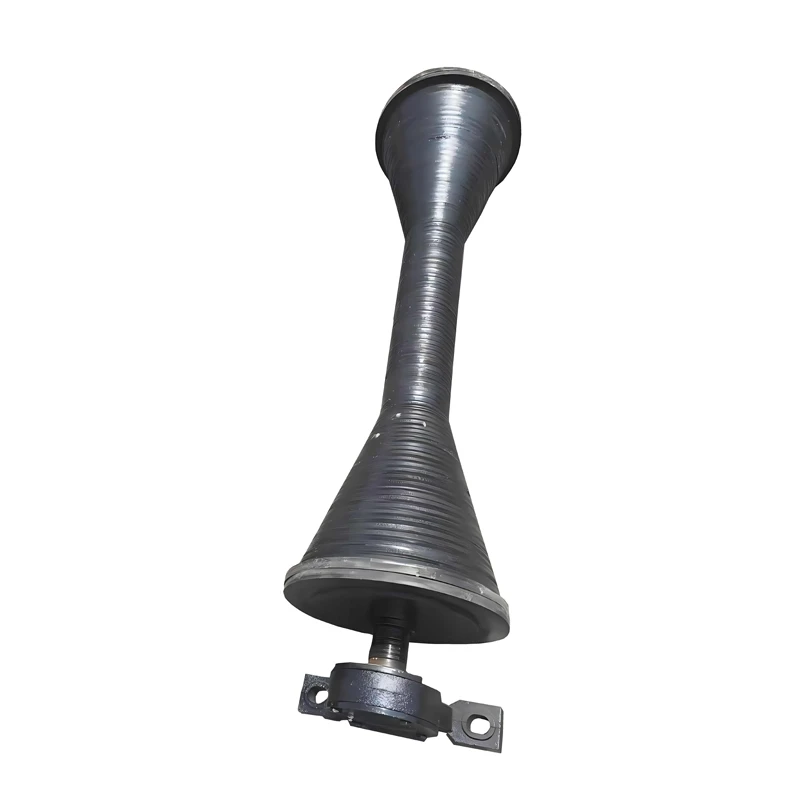
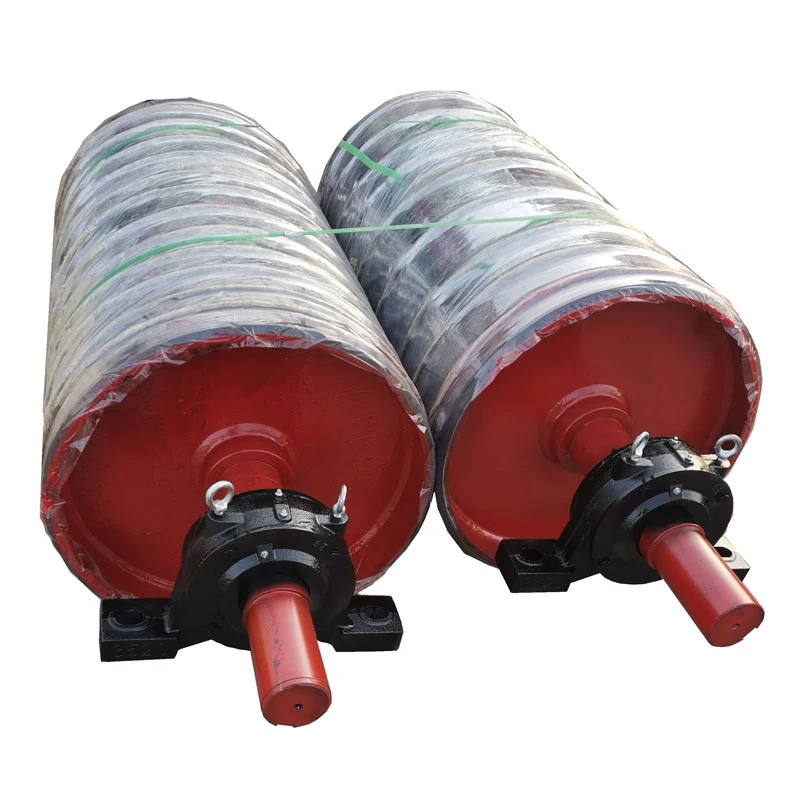
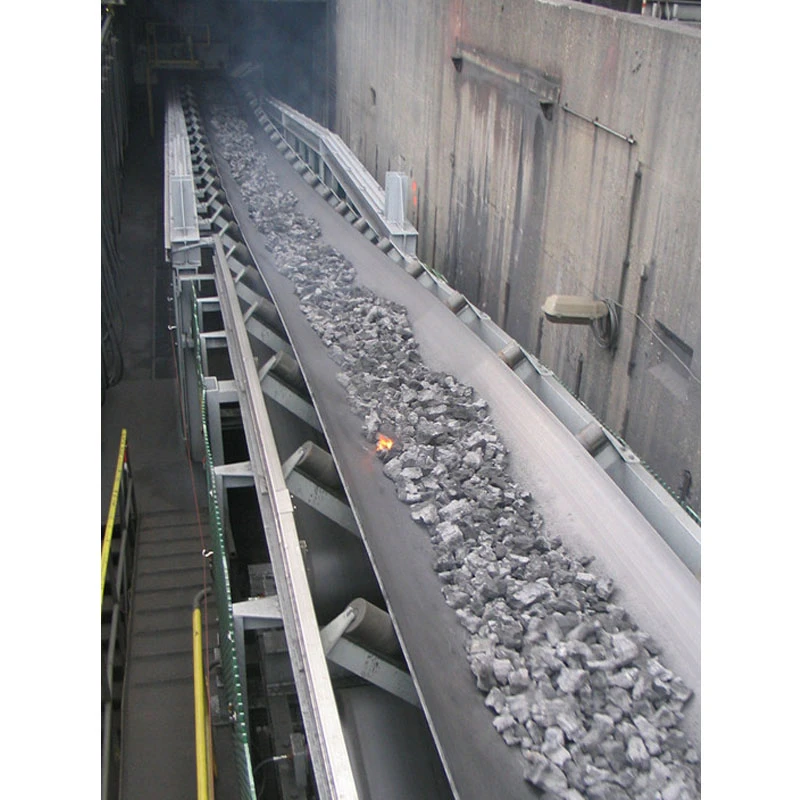
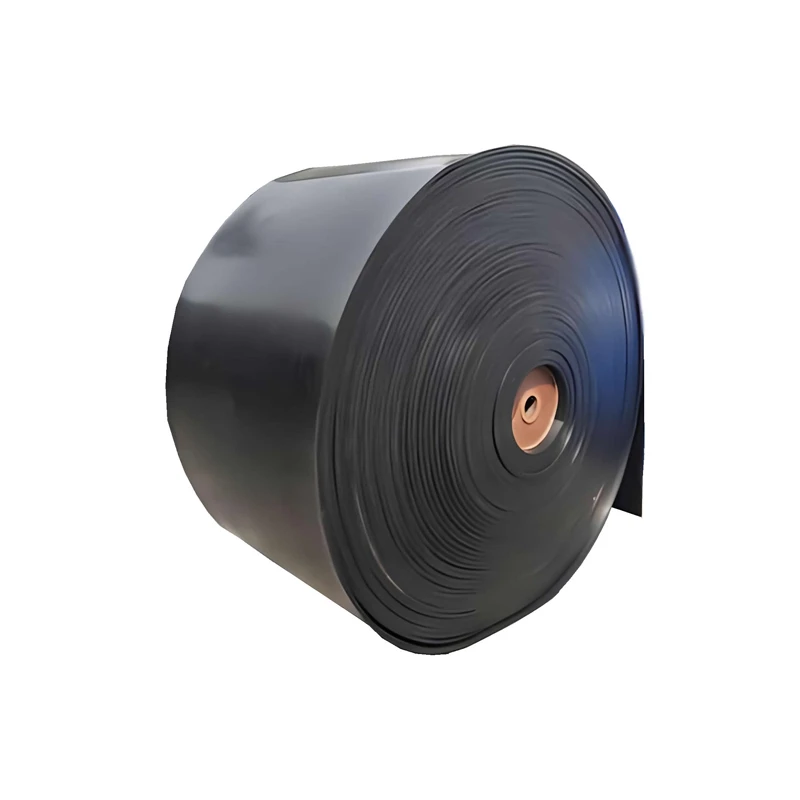
Concrete conveyors are not your run-of-the-mill belt systems. They need to withstand abrasive material, irregular loads, and sometimes harsh weather conditions if used outdoors. What struck me early on is their design focus—robustness coupled with flexibility. Most conveyors I’ve seen use special reinforced belts and sturdy steel frames to handle the weight and abrasiveness of concrete mix.
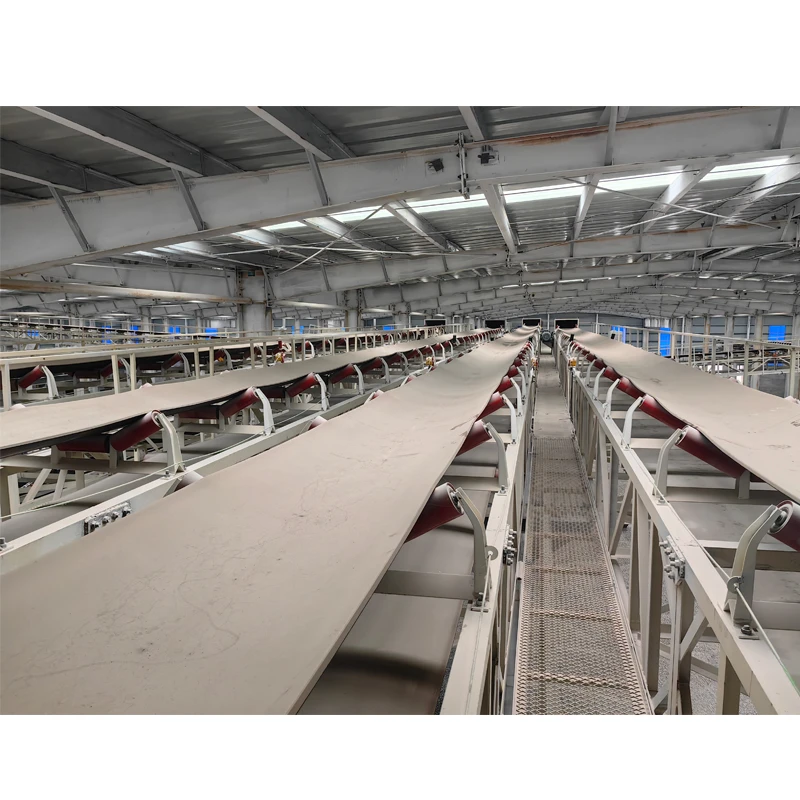
Honestly, it feels like every job site has its own unique demands. Some require conveyors to be quickly portable, while others rely on fixed long lines for continuous mixing plants. I once worked with a contractor who needed a conveyor that could tilt and extend—oddly enough, manufacturers readily accommodated that with modular designs. This kind of customization is what sets concrete conveyors apart from standard bulk material conveyors.
Key Concrete Conveyor Specifications
| Specification | Typical Values | Notes |
|---|---|---|
| Belt Width | 500 - 1500 mm | Depends on flow rate and material volume |
| Belt Type | Reinforced rubber, abrasion resistant | Key for concrete durability |
| Conveyor Length | 5 - 30 meters | Can be modular |
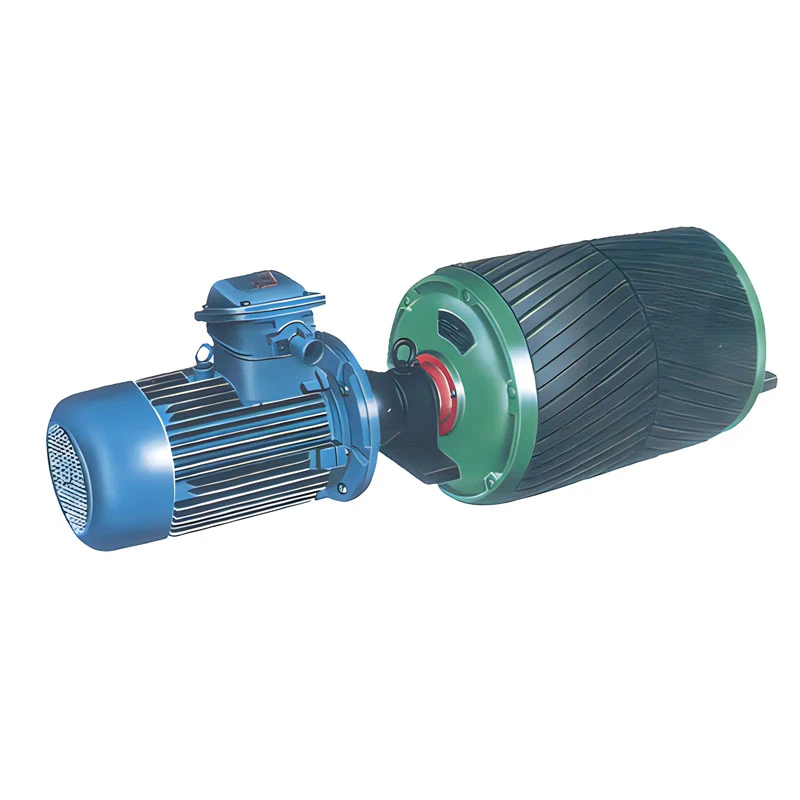
| Motor Power | 1.5 - 5 kW | Sufficient for heavy loads |
| Max Load Capacity | Up to 30 tons/hour | Varies by belt and drive |
One thing many engineers stress is the importance of belt material. A poor choice can lead to belt degradation in months rather than years. For concrete, abrasion resistance isn’t just a “nice to have,” it’s a must-have — especially with the sharp aggregates and sand in the mix.
Comparing Leading Concrete Conveyor Vendors
| Vendor | Key Features | Customization | Lead Time |
|---|---|---|---|
| HG Conveyor | Reinforced belts, modular frames | High (belt width, length, incline) | 4-6 weeks |
| QuickConvey Inc. | Heavy duty rollers, extra wide options | Medium | 6-8 weeks |
| BuildIt Conveyors | Foldable and portable options | Low | 2-4 weeks |
From experience, HG Conveyor stands out for the balance of quality and flexibility. I recall a project in Chicago where their modular conveyor system eased the setup time drastically — saving days on site, which translated directly into cost savings for the contractors.
Now, if you’re considering investing in a concrete conveyor (and I suggest you do if you want serious workflow improvements), think about factors like abrasion resistance, motor size relative to expected load, and modularity. Easier maintenance and quick access to spare parts can also be a subtle but important advantage. I’d say, based on many conversations with plant managers and operators, those who emphasize quality upfront rarely face downtime issues.
In short, a good concrete conveyor is more than just a moving belt. It's a vital partner that helps keep your mixing and pouring workflows running smooth — and in this industry, that reliability can’t be overstated.
— From someone who’s seen conveyors from dusty quarries to state-of-the-art indoor plants
References:
- Industry Equipment Insights, 2023
- Concrete Plant Technologies Annual Report, 2022
- Vendor Whitepapers from HG Conveyor, QuickConvey Inc.