Material Handling Conveyors: The Backbone of Efficient Industrial Operations
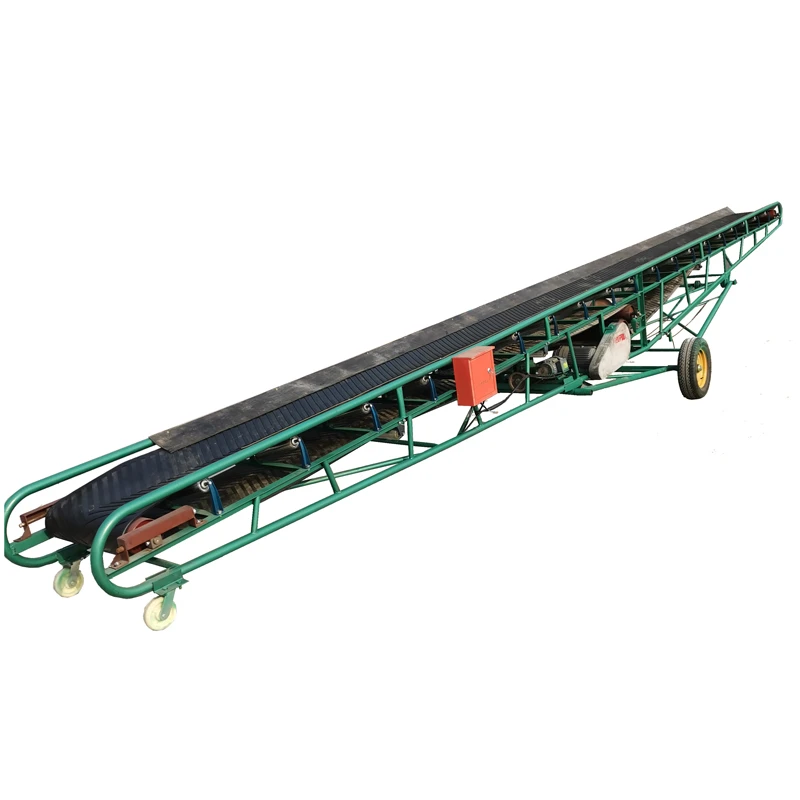
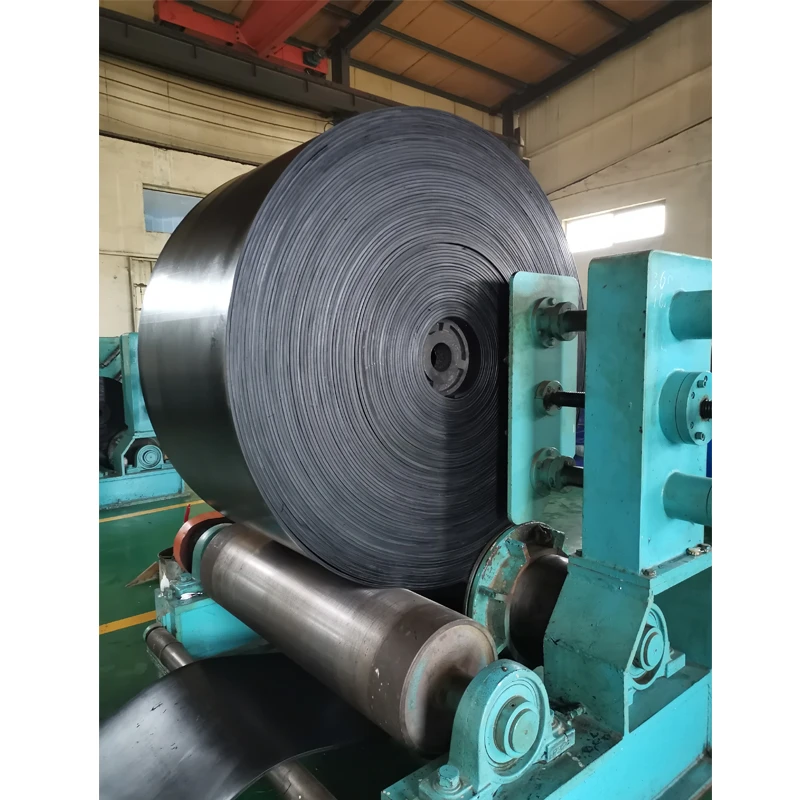
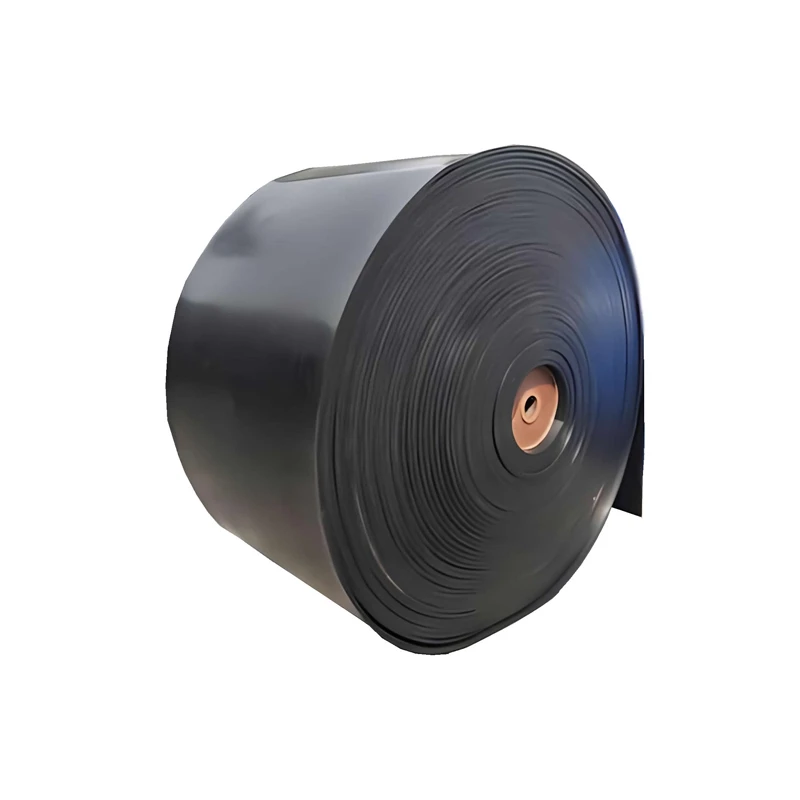
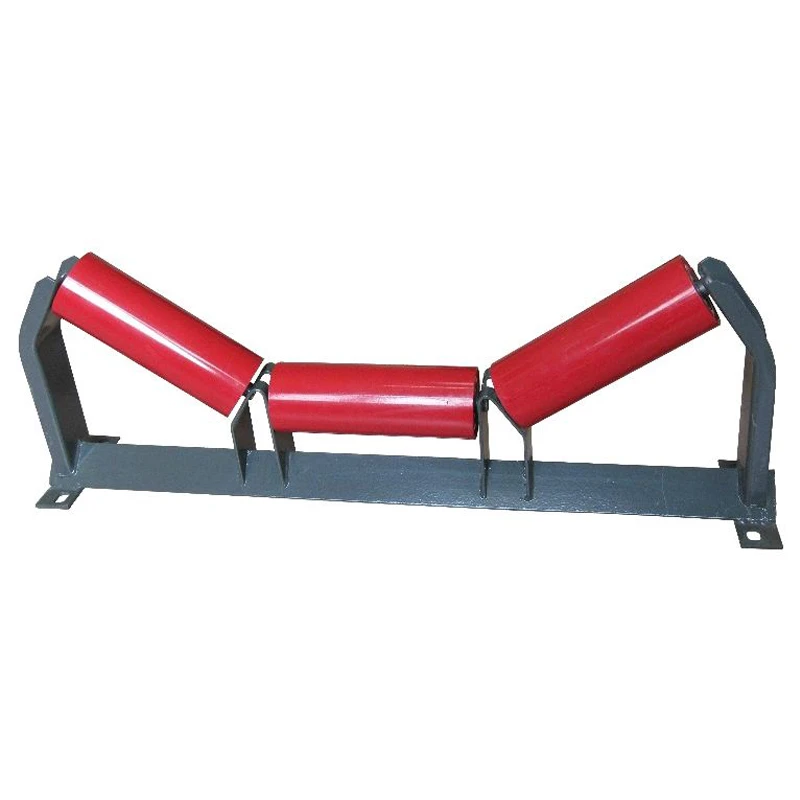
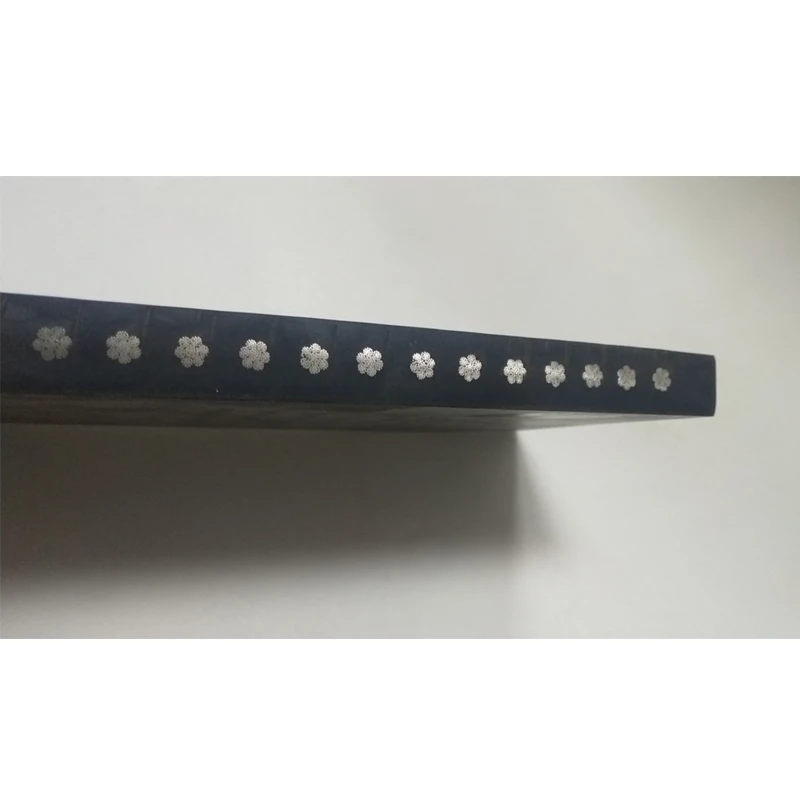
Having spent over a decade working directly in industrial equipment environments, I've come to appreciate the quiet but tough role material handling conveyors play. They’re sort of the unsung heroes in warehouses, manufacturing floors, and logistics hubs – seemingly simple machines that, if done right, keep everything flowing without a hitch. Honestly, no conveyor is just a belt and motor; the design, materials, and customization can make or break operational efficiency.
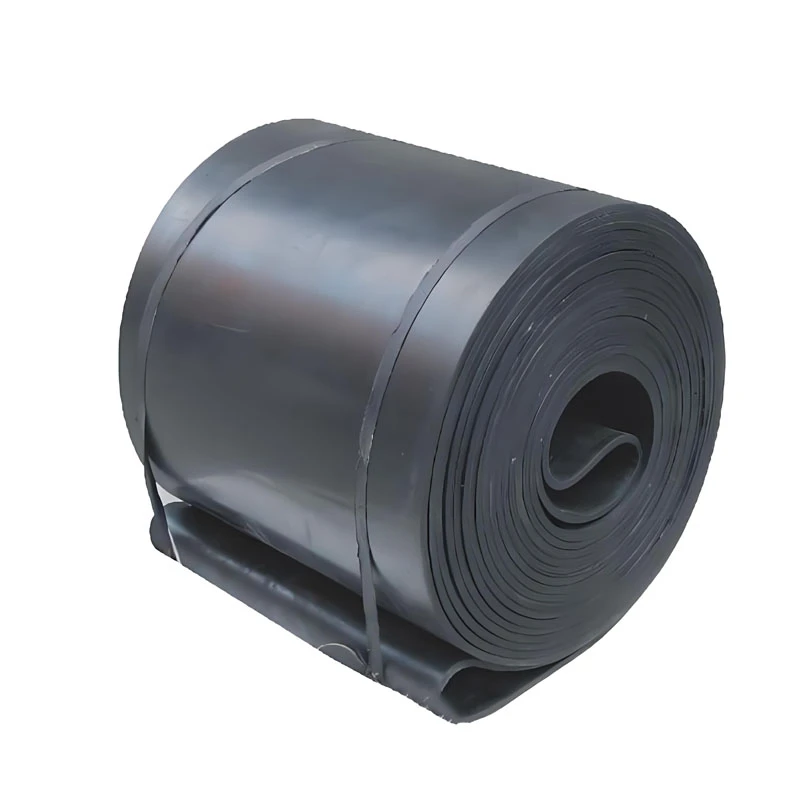
In real terms, the conveyor industry has evolved a lot over the years. What was once a rigid, one-size-fits-all approach is now an adaptable solution tailored to various loads, speeds, and environmental conditions. For instance, FTP (flat top plastic) belts can replace traditional PVC in areas where hygiene and cleaning are critical, like food processing. I remember working on a project where switching to modular plastic conveyors drastically reduced downtime for cleaning.
Let’s talk specs – because, frankly, even seasoned engineers I’ve met tend to dive into specs to choose conveyors tailored to their needs rather than relying on brand buzz:
| Feature | Standard Model | Heavy-Duty Model |
|---|---|---|
| Belt Material | PVC | Modular Plastic Mesh |
| Max Load Capacity | 100 kg/m | 500 kg/m |
| Belt Width Options | 300 - 1200 mm | 600 - 1500 mm |
| Speed Range | 0.1 - 2.0 m/s | 0.05 - 1.5 m/s |
| Drive Motor | 1 HP AC Motor | 3 HP AC Motor |
One thing many newcomers overlook is how crucial testing and customization are. Parameters like incline angles, startup/stop frequency, or even chemical exposure affect the belt’s life span. I recall an application where a customer needed a conveyor to handle oily packages on a steep incline - just specifying a standard friction belt led to multiple failures until we switched to a belt with specialized cleats and surface texture. It’s little tweaks like this that extend uptime and save maintenance headaches.
As for vendors, well, not all are created equal. Here’s a quick comparison of typical suppliers I’ve encountered in the field in terms of delivery speed, repair support, and cost, all crucial if you’re managing a 24/7 plant:
| Vendor | Lead Time | Spare Parts Availability | Warranty | Cost Range |
|---|---|---|---|---|
| Vendor A | 2 weeks | High | 2 Years | $$$ |
| Vendor B | 4 weeks | Medium | 1 Year | $$ |
| Vendor C | 1 week | Low | 6 Months | $ |
Now, I’m not endorsing any brand in particular, but if you ask me, the vendor’s service quality, spare parts availability, and lead time often matter more than sticker price — especially when conveyor downtime can cost thousands per hour. Within my projects, I’ve seen quick-response vendors halve downtime and really smooth out operations.
So yeah, conveyors may look straightforward, but the devil’s in the details: belt material, load specs, speed, and supplier reliability all intertwine to shape your success. Oddly enough, I find that people who truly understand these nuances also gain a sort of sixth sense — that “know it will work” feeling before it even leaves the factory floor.
If you’re shopping for solutions, I’d gently advise you to explore customization options and work closely with engineers — and maybe take a peek at material handling conveyors that balance quality and flexibility. After all, a conveyor should do more than move stuff; it should keep your line humming smoothly, day after day.
One final thought: no matter how many specs you crunch, nothing replaces real-world feedback from operators and maintenance crews. Listen to their daily grind; that’s where you’ll find the hidden improvements that specs never capture.
Happy conveying.
References:
1. Industry Equipment Magazine, Conveyor Trends 2023
2. Engineering Today – Conveyor Material Selection
3. Field notes from 10+ manufacturing sites, 2008–2023