Rubber Conveyor Belt for Sale: Why It Matters Worldwide
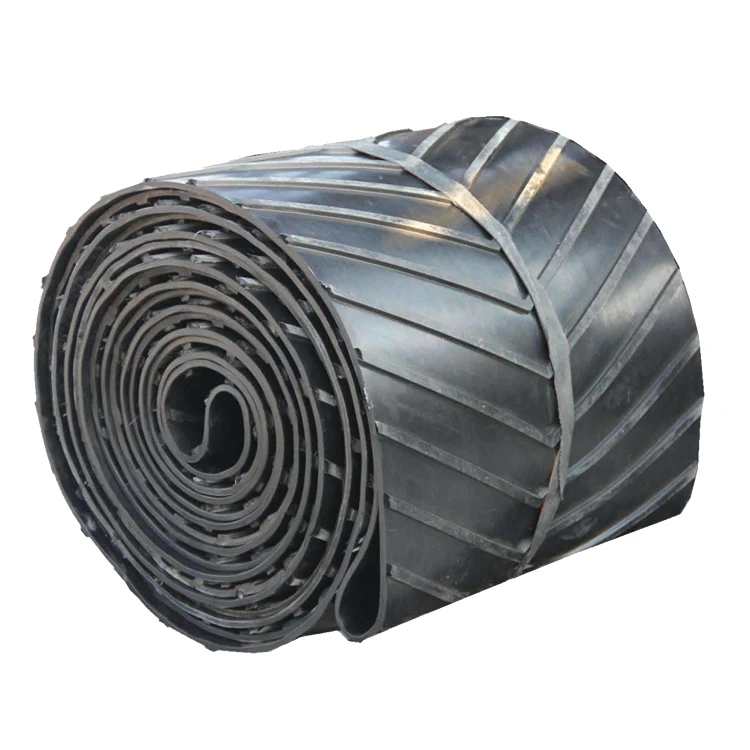
Conveyor belts are the silent heroes behind so many industrial successes and daily conveniences. Among them, the rubber conveyor belt for sale holds a special place. Not just a strip of material moving goods from here to there — it's a key facilitator of global trade, disaster relief, and sustainable development. Understanding what these belts bring to the table means appreciating how countless industries keep moving efficiently. From mining ores in Australia to packing food in Europe, the right conveyor belt can dramatically cut costs and boost productivity. It's the backbone (or rather, the conveyor) of modern logistics and manufacturing.
Introduction: The Global Context of Rubber Conveyor Belts
The global conveyor belt market was valued at roughly $5 billion in 2023, with rubber belts representing nearly half that share, according to data from the International Organization for Standardization (ISO) and corroborated by the World Bank's industry growth reports. Why such demand? Because as industries expand—especially in Asia, Africa, and South America—reliable transport solutions become critical. Rubber conveyor belts are favored for their flexibility, durability, and adaptability in harsh environments. But the challenge is real: as industries push for higher speeds and heavier loads, the belts must evolve to meet these demands without breaking down.
What Is a Rubber Conveyor Belt?
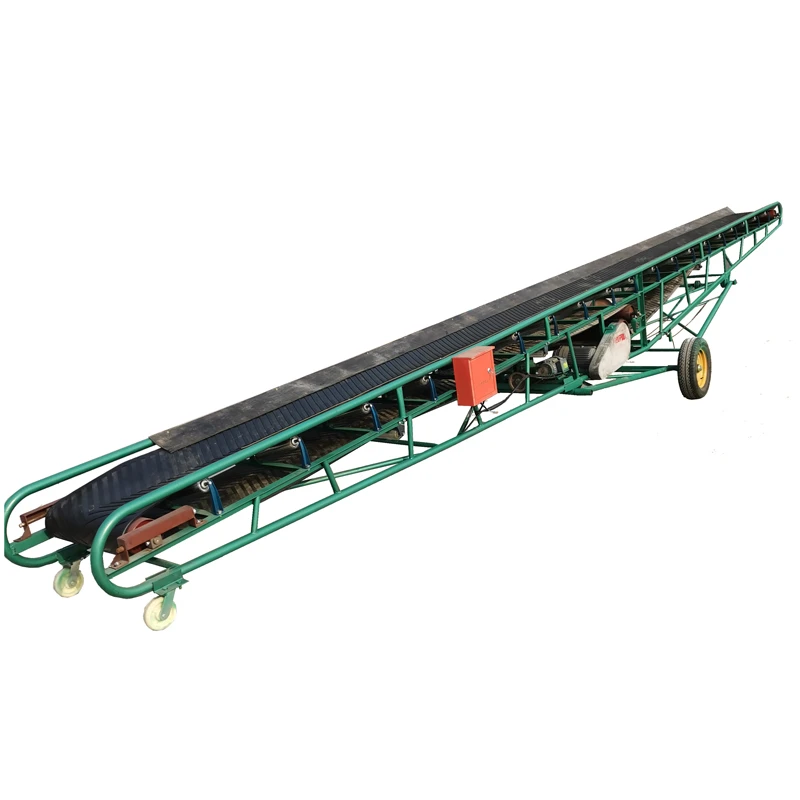
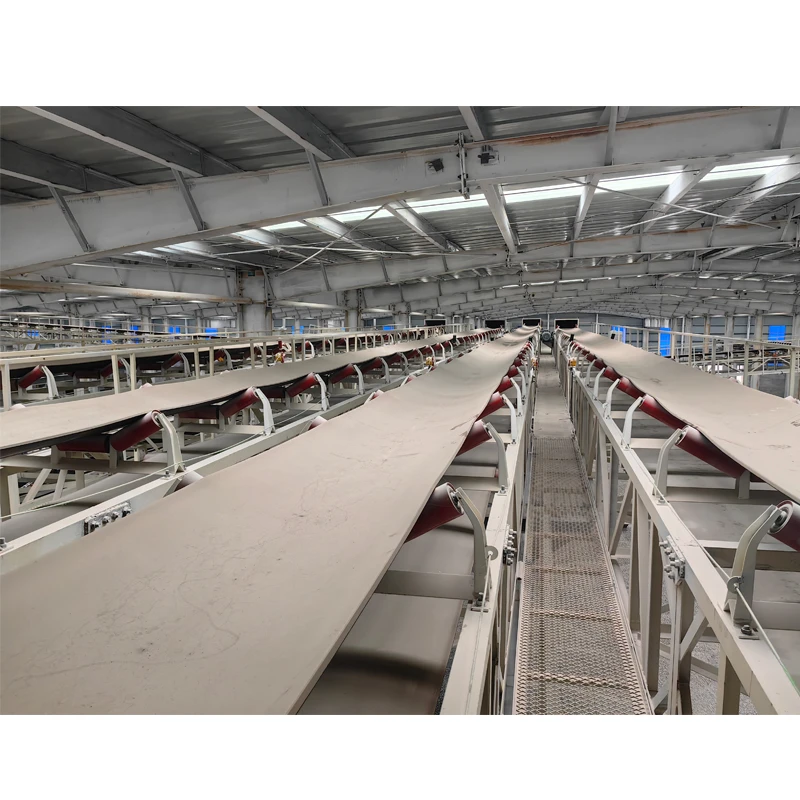
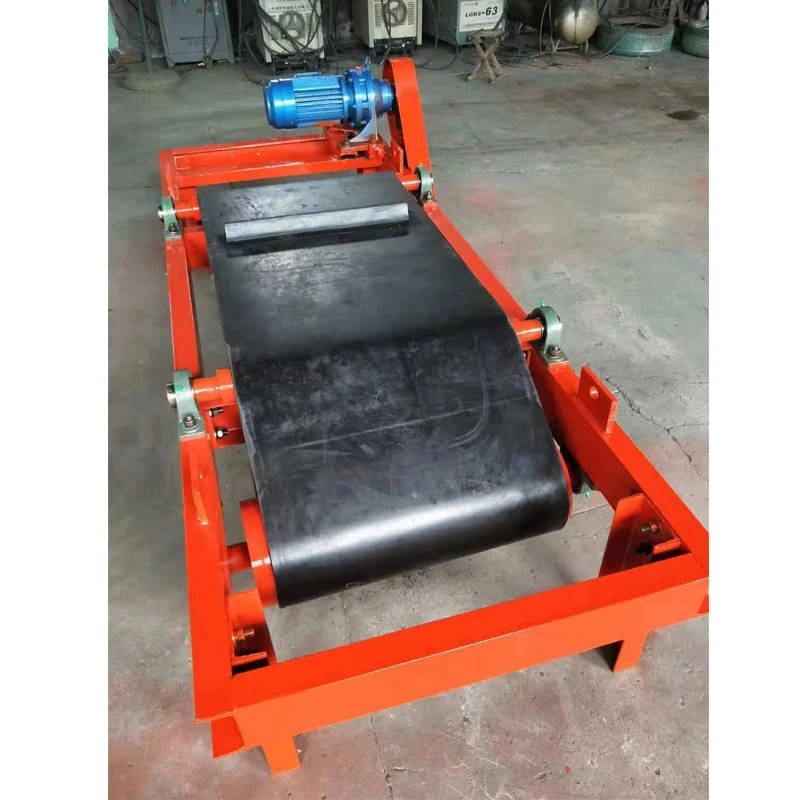
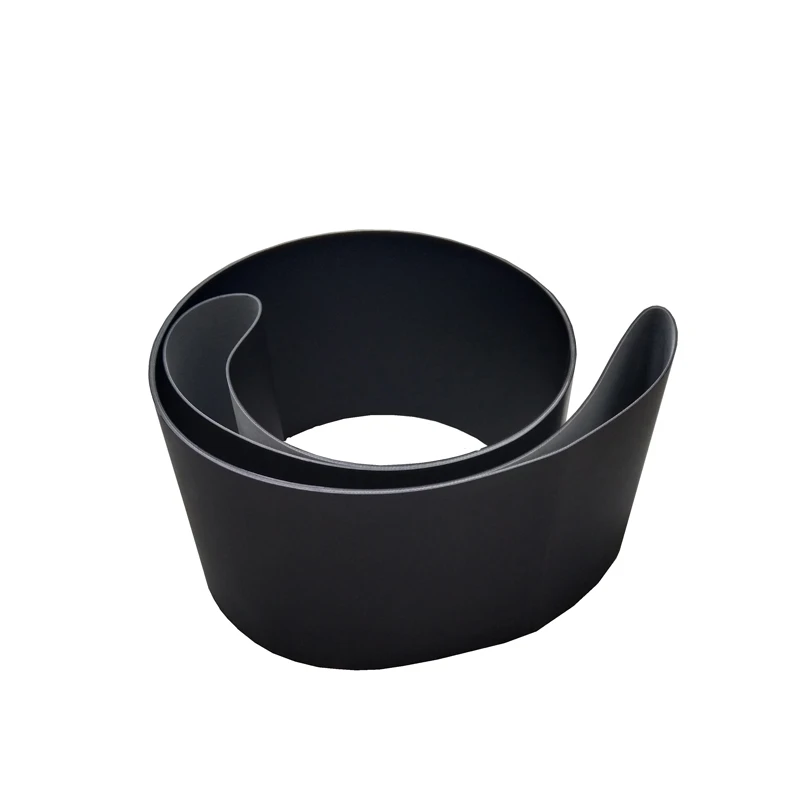
In simple terms, a rubber conveyor belt is a continuous loop of rubber material designed to move bulk materials and goods across distances in manufacturing plants, warehouses, and outdoor sites. It’s typically reinforced with layers of fabric or steel cords to boost strength. These belts come in various grades depending on use—some resist heat, others strong acids or sharp objects. Their critical role is to reliably transport products safely and with minimal downtime. In humanitarian efforts, for example, conveyor belts help move supplies rapidly after natural disasters, accelerating aid delivery.
Mini takeaway:
Rubber conveyor belts may look simple but are engineered products balancing strength, flexibility, and utility across countless global industries.
Core Components and Key Factors
Durability
Industry professionals often highlight durability as the single most important factor. Conveyor belts endure abrasion, impact, and constant friction. Rubber’s natural elasticity combined with reinforcements offers long life under punishing conditions.
Scalability
Whether shifting a few kilograms or several tons hourly, belts must scale to different sizes and speeds. Many vendors offer bespoke solutions tailored to specific throughput needs.
Cost Efficiency
Compared to alternative materials, rubber belts offer a balance of affordability and lifespan. Purchase price is just one view; long-term energy savings and reduced maintenance costs often tip decisions in their favor.
Customization
There's no “one size fits all” in conveyor systems. Rubber belts can be custom-built with different thicknesses, textures, and resistance levels, allowing industries—from food processing to mining—to pick exactly what fits.
Environmental Resistance
Belts can be designed to resist oils, flames, chemicals, and UV rays. This resilience opens applications in extreme environments like chemical plants or outdoor mines.
Safety
Smooth operation and slip resistance reduce workplace injuries. Some belts even offer fire-retardant properties, critical for hazardous zones.
Mini takeaway:
The best rubber conveyor belts are a deliberate balance of durability, custom specs, cost efficiency, safety, and environmental resistance.
Product Specification Table
| Specification | Details |
|---|---|
| Material | Natural & Synthetic Rubber Blend |
| Reinforcement | Polyester Fabric / Steel Cord Options |
| Width | From 400 mm to 2,400 mm |
| Operating Temperature | -20°C to +70°C Standard |
| Abrasion Resistance | Class A (ISO 4649) |
| Fire Resistance | Available on Request |
Real-World Applications of Rubber Conveyor Belts
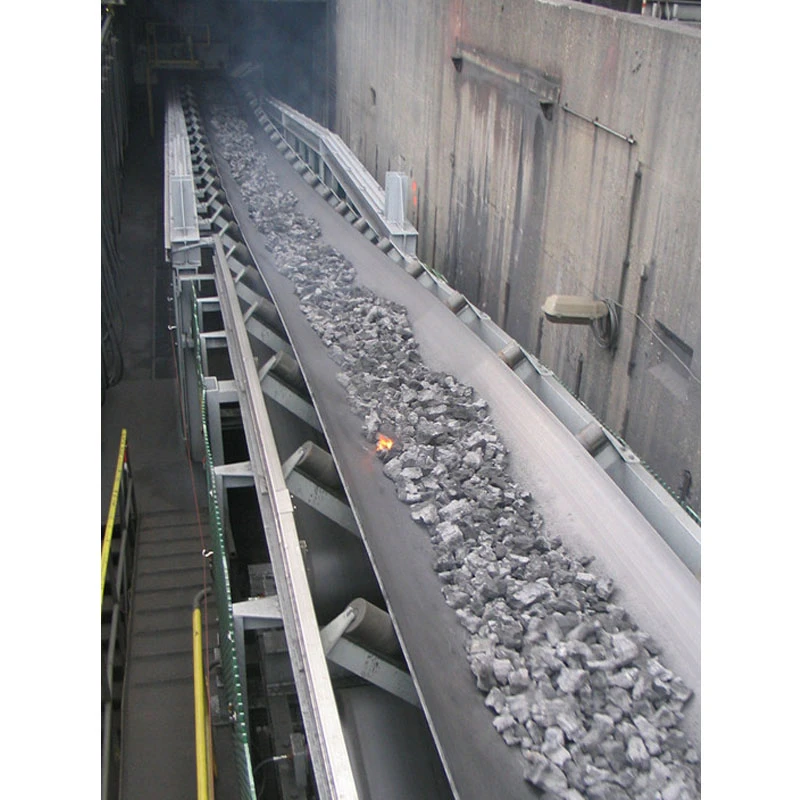
The versatility of rubber conveyor belts means industries from mining to agriculture rely on them daily. In South Africa’s mineral-rich regions, belts move tons of ore continuously to processing plants. In Southeast Asia, plantations use them to transport rubber and palm fruits. And oddly enough, in humanitarian contexts like after the 2010 Haiti earthquake, temporary conveyor setups helped move tons of relief supplies quickly through damaged ports.
Heavy industry isn’t the only beneficiary. Food processing plants in Europe use food-grade rubber belts to comply with strict hygiene standards as they move produce along the line. Even recycling centers in North America depend on rubber belts because of their wear resistance and adaptability to harsh sorting environments.
Vendor Comparison: Top Rubber Conveyor Belt Suppliers
| Vendor | Product Range | Customization Options | Price Range | Lead Time |
|---|---|---|---|---|
| HG Conveyor Co. | Wide (Food, Mining, Heavy) | Full Custom Specs | $$ | 2-4 Weeks |
| Global Belting Ltd. | Medium (Industrial Only) | Limited Options | $ | 1-3 Weeks |
| EcoBelt Solutions | Niche (Sustainable Materials) | Highly Customizable | $$$ | 4-6 Weeks |
Advantages and Long-Term Value
Many engineers say what stands out most is reliability—rubber conveyor belts typically last several years even under continuous heavy use. This reduces downtime and maintenance expenses, saving companies large sums over time. Their intrinsic elasticity also means fewer jams, better energy efficiency, and safer working conditions.
From a sustainability angle, newer belts are designed with eco-friendly additives and lower VOC emissions. So, beyond cost, they support companies’ green initiatives—a rising priority worldwide. There’s also the social impact: when conveyor belts run smoothly, workers face less strain and hazards, which improves morale and retention.
Future Trends and Innovations
The conveyor industry is slowly embracing smart technology. Sensors embedded in rubber belts can monitor wear, flexibility, and temperature in real-time, enabling predictive maintenance rather than reactive fixes. Plus, advances in biobased rubber composites hint at belts with lower carbon footprints without compromising performance.
Automation and digital twin tech bring new efficiency layers. Imagine a conveyor belt network optimally tuned on-the-fly to shifting production demands—less waste and energy use, higher uptime. There’s also a potential future boost from graphene-reinforced materials, which promise super strength alongside ultra-lightweight designs.
Challenges and Solutions
One challenge is the initial cost for high-spec custom belts, especially in developing markets. Some buyers hesitate, not realizing the lifecycle savings outweigh upfront expenses. Experts recommend a total cost of ownership approach to procurement.
Another ongoing issue is the handling of belts in extreme climates. Freezing cold or scorching heat can degrade rubber prematurely. To tackle this, vendors have introduced specialized compounds and offer service programs that monitor and replace belts before failure.
FAQ: Common Questions About Rubber Conveyor Belts
- Q: What types of industries benefit most from rubber conveyor belts?
A: Virtually all major sectors including mining, agriculture, food processing, recycling, and logistics. Their adaptability makes them essential across the board. - Q: How long do rubber conveyor belts typically last?
A: Lifespans vary, but good-quality belts can perform reliably for 5 to 10 years, depending on usage intensity and maintenance. - Q: Are rubber belts suitable for outdoor use?
A: Yes, with UV-resistant coatings and special rubber compounds, many belts withstand harsh outdoor environments effectively. - Q: Can these belts be tailored for food industry standards?
A: Absolutely. Food-grade rubber conveyor belts meet strict hygiene and contamination guidelines and are widely available. - Q: How quickly can vendors supply custom conveyor belts?
A: Depending on complexity and inventory, lead times generally range from 1 to 6 weeks.
Conclusion: Why Rubber Conveyor Belts for Sale Are a Smart Investment
Ultimately, the humble rubber conveyor belt is an indispensable industry cornerstone, quietly moving everything from raw materials to packaged goods 24/7 worldwide. Considering their durability, adaptability, and evolving innovation landscape, they represent a wise long-term investment. Whether your needs are heavy duty mining or food-grade processing, these belts ensure the heartbeat of your operations just keeps on rolling.
For those looking to explore premium quality and comprehensive rubber conveyor belt for sale options, visiting trusted suppliers like HG Conveyor Co. is an excellent first step towards upgrading your conveyor solutions.
Mini takeaway:
Rubber conveyor belts embody reliability and innovation—a vital piece in the puzzle of global production and distribution.