Understanding Conveyor Belts for the Food Industry: Why They Matter Globally
If you’ve ever wondered how your favorite snacks travel from raw materials to neatly packed boxes, chances are a conveyor belt for food industry use was part of that journey. These mechanical marvels are more than just moving belts—they’re a backbone of modern food processing and packaging worldwide. In a world where food safety, efficiency, and sustainability reign supreme, knowing how these systems work isn’t just for engineers or factory managers but for anyone curious about the intricate dance behind what lands on grocery shelves.
Globally, food supply chains are under constant pressure to meet growing demand, reduce waste, and adapt to emerging safety standards. Conveyor belts designed specifically for food applications address these needs by ensuring hygiene, speedy movement, and reduced human contact, all while maintaining the integrity of delicate products. It’s kind of fascinating how this one piece of equipment quietly shapes both industry practices and global food security.
Global Landscape: The Rising Importance of Conveyor Belts in Food Processing
Did you know that, according to the United Nations Food and Agriculture Organization (FAO), nearly one-third of all food produced globally is lost or wasted? The challenge of minimizing this loss has pushed the food industry to innovate its processing lines. Conveyor belts have become central to this effort. Specialized belts help automate complex tasks, reduce contamination risks, and speed the journey from farm to fork.
ISO standards such as ISO 22000 for food safety management highlight just how critical every link in the food chain is—including conveyor belts. Without hygienic, easy-to-maintain belts, companies risk costly recalls, foodborne illnesses, and damage to brand reputation. Meanwhile, rapid urbanization and rising consumer expectations drive demand for faster, safer food processing methods worldwide — making conveyor belt systems a global priority.
That’s not the only twist. Think about developing countries or disaster-affected zones, where food demand spikes unpredictably yet supply-chain infrastructure lags. Conveyor belts for the food industry often bridge these gaps quickly, moving staples efficiently and reliably in makeshift processing plants. All of this paints a picture: conveyor belts aren’t just industrial luxuries—they're vital global tools.
What Exactly Is a Conveyor Belt for the Food Industry?
Let’s start with a simple definition. A conveyor belt for food industry use is a continuous looped belt system designed to transport food items safely and efficiently during processing, handling, and packaging. Unlike generic industrial belts, these are crafted with materials—like FDA-approved plastics or food-grade stainless steel—that meet strict hygiene and safety standards.
In modern factories, this equipment integrates with sensors, automated sorting, and temperature controls to maintain product quality. More than just a mechanical tool, it’s a piece of the puzzle that ensures your salad stays crisp, your baked goods intact, and your dairy products uncontaminated—all without human hands, as much as possible.
Key Attributes That Define Their Role:
- Hygienic Design: Easy to clean, resistant to bacteria, with materials that don’t degrade even under harsh cleaning agents.
- Food Safety Compliance: Adherence to global regulations like FDA and EU Food Contact Materials legislation.
- Adaptability: Adjustable speed, modular sections to accommodate different product sizes and shapes.
Core Components and Considerations
Durability and Material Quality
There’s no sugarcoating it: conveyor belts for the food industry take a pounding. They must withstand moisture, temperature shifts, and abrasions from sometimes sharp or sticky foods. Many use polyurethane or PVC materials since these provide a good mix of flexibility and robustness. Others lean heavily on stainless steel frames and components for corrosion resistance and long life.
Sanitation and Cleaning Efficiency
One of the biggest worries in food production is contamination. Belts that are easy to disassemble or that have smooth surfaces without cracks make cleaning—not an afterthought but a daily priority—quick and thorough. Many suppliers design belts to support “clean-in-place” (CIP) systems, reducing downtime drastically.
Cost Efficiency
Choosing a conveyor belt isn’t just about upfront price. Long-term costs include maintenance, spare parts, and energy consumption. For instance, belts with lower friction surfaces and efficient motors help reduce electricity bills. This angle is often overlooked by newcomers but plays a key role in overall ROI.
Scalability and Customization
Interestingly, companies often require very different setups—a small artisan chocolate maker versus a giant meat processor. Conveyor belts for the food industry usually come in modular formats, so scaling or reconfiguring lines is possible without a complete teardown.
Safety Features
Beyond food safety is operator safety. Conveyor belts incorporate emergency stops, covers over pinch points, and smooth edges to prevent accidents. Oddly enough, these protective designs not only keep people safe but improve overall operational trust.
Who Uses Conveyor Belts for Food Industry and How?
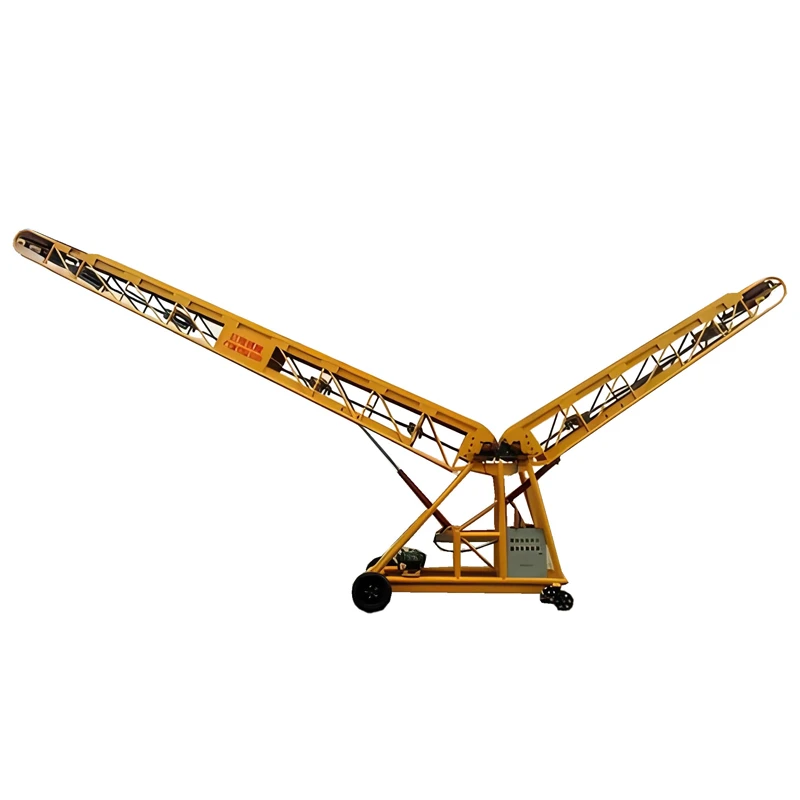
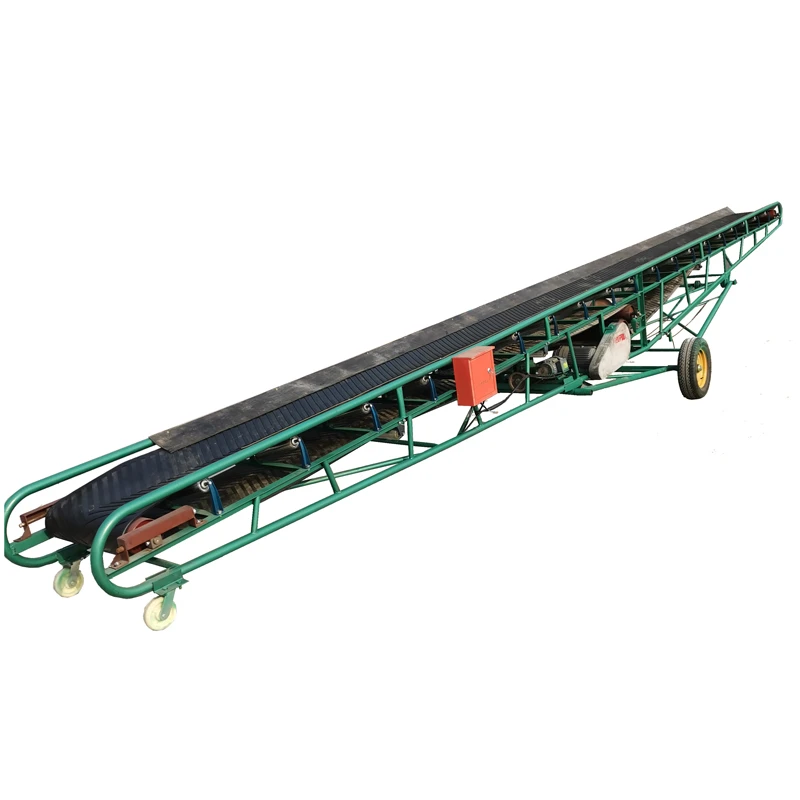
From sprawling meat packing plants in the U.S. Midwest to fresh fruit sorting lines in Spain’s orchards, these belts are everywhere. In Asia, automated rice packaging plants rely heavily on them to meet export quality demands. NGOs involved in post-disaster food distribution have also adopted portable conveyor units for rapid meal packing.
In fact, a notable case involved a consortium of European dairies that replaced manual cheese transfer with conveyor belts, resulting in a 40% uptick in output and a steep drop in contamination incidents. Even in remote industrial zones, rough environments don’t deter the use of ruggedized food belt systems.
Advantages and Enduring Value
- Efficiency: Faster throughput reduces lead times and emergency restocking.
- Safety & Hygiene: Reduced manual contact means fewer contamination risks.
- Sustainability: Newer belts use eco-friendly materials and consume less energy.
- Reliability: Consistent operation with minimal downtime enhances trust.
Perhaps the most overlooked benefit is how conveyor belts improve worker dignity — automating repetitive or hazardous tasks lets employees focus on skilled roles, which frankly changes morale and retention for the better.
Future Trends Shaping Conveyor Belts for Food Industry
Automation and digitalization are key buzzwords. Smart sensors embedded in belts track humidity, weight, and speed, feeding real-time data into production control systems. Green energy powers are also being integrated—for example, solar-assisted motors to run sections of conveyor lines in off-grid facilities.
Material science is moving toward biodegradable components, aiming to cut landfill waste after end-of-life equipment retirements. Then there’s AI-driven predictive maintenance, meaning fewer unexpected halts. Together, these trends point to a future where conveyor belts are not only smarter but kinder to the planet.
Common Challenges and How They’re Tackled
Obviously, no solution is flawless. Food-grade belts can be costly upfront, and improper maintenance means breakdowns affecting entire lines. And don’t forget adaptability: changing food products without full belt replacements is a classic headache.
Innovative solutions lie in modular design, predictive analytics, and training programs that empower operators. Some companies have begun leasing belts bundled with support services—sort of like a “belt as a service” model—that includes upgrades and troubleshooting. This trend is saving time and freeing up resources for core production — not to mention headaches...
Product Specification Table
| Specification | Detail |
|---|---|
| Material | FDA-approved PU with stainless steel frame |
| Belt Width | 300 mm to 1200 mm (customizable) |
| Temperature Range | -20°C to +90°C |
| Speed | Up to 120 m/min |
| Cleaning | Supports Clean-in-Place (CIP) |
| Certifications | FDA, EU 10/2011, ISO 22000 compliant |
Vendor Comparison Table
| Vendor | Product Range | Hygiene Features | Average Delivery Time | Warranty |
|---|---|---|---|---|
| FoodBelt Co. | Standard & custom widths, modular belts | Smooth surfaces, CIP-ready | 4-6 weeks | 2 years |
| SafeConvey | Heavy-duty belts for meat, dairy | Antimicrobial coating, stainless steel | 6-8 weeks | 3 years |
| GreenLine Systems | Eco-materials and solar-assisted belts | Biodegradable components, CIP | 5-7 weeks | 2 years |
FAQs About Conveyor Belt for Food Industry
- Q: What materials are best for food conveyor belts?
- A: Typically, FDA-approved polyurethane (PU) or PVC with stainless steel frames are preferred due to their durability, easy cleaning, and compliance with food safety standards.
- Q: How often should conveyor belts in food processing be cleaned?
- Daily cleaning is strongly recommended, especially for belts handling perishable or sticky foods. Using CIP systems can both speed this process and ensure thorough sanitation.
- Q: Can conveyor belts be adapted for different food sizes and shapes?
- Yes. Many belts feature modular designs that allow adjustments or swapping sections to handle various product dimensions without a full line shutdown.
- Q: Are there energy-efficient options for conveyor systems?
- Modern systems often include low-friction belts and energy-saving motors, with some vendors incorporating solar power assistance to reduce electricity consumption.
- Q: How are food conveyor belts regulated internationally?
- They must comply with local and international standards like the FDA’s CFR Title 21 in the U.S., EFSA in Europe, and ISO 22000 food safety management requirements.
Final Thoughts: The Conveyor Belt’s Quiet Revolution in Food Industry
The humble conveyor belt for food industry use may not grab headlines, but its impact is profound and unmistakable. It bridges the gap between manual inefficiencies and fully automated precision—keeping our food safe, affordable, and consistently available. Understanding its role offers a lens into the future of food tech, sustainability, and industrial collaboration worldwide.
Interested in exploring cutting-edge conveyor solutions? Visit our website to learn more: conveyor belt for food industry.
Mini takeaway: Conveyor belts designed for food handling are essential in improving hygiene, efficiency, and sustainability globally, meeting the challenges of an evolving food supply chain.