Why Conveyor Belts for Unloading Containers Matter More Than Ever
In a world that thrives on goods flowing nonstop—from food to electronics, humanitarian aid to industrial equipment—efficient unloading of shipping containers is the pulse of global trade. The conveyor belt for unloading containers is a seemingly simple innovation but a powerhouse enabling rapid, safe, and cost-effective transfer of goods.
Think about it: over 80% of global trade by volume uses containerized shipping, according to the United Nations Conference on Trade and Development (UNCTAD)[1]. Unloading these massive containers without snag or delay is critical to keep economies, supply chains, and relief operations humming.
The Global Context: Why Improving Container Unloading Speeds Up Progress
Globally, as cargo volumes hit record highs—reaching roughly 848 million TEUs in 2023 (ISO data)[2]—ports and companies face an ever-growing challenge: unloading thousands of containers quickly, safely, and with minimal manpower. Delays can cause bottlenecks, cost overruns, and even stock shortages, especially for time-sensitive goods.
More than just convenience, this challenge touches environmental and social concerns. Efficient container unloading systems reduce idle time for ships (cutting emissions), improve worker safety (less lifting and heavy manual handling), and support humanitarian logistics where speed literally saves lives.
Conveyor belt for unloading containers technologies address these pain points head-on, opening doors for smarter, greener logistics.
Mini Takeaway:
Container unloading lies at the heart of global supply chains; conveyor belts dramatically boost speed, safety, and sustainability.
What Exactly Is a Conveyor Belt for Unloading Containers?
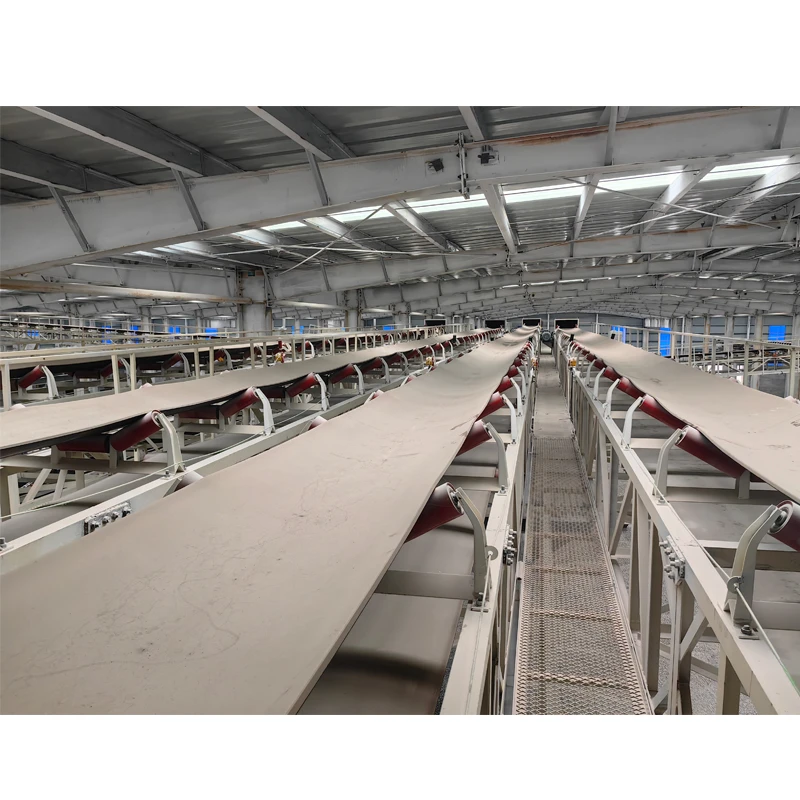
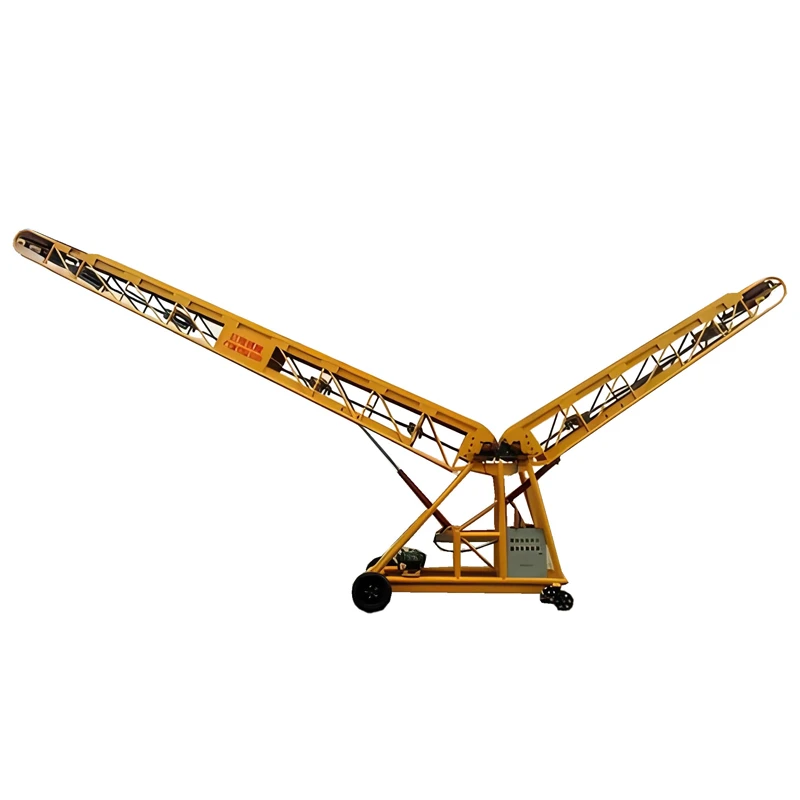
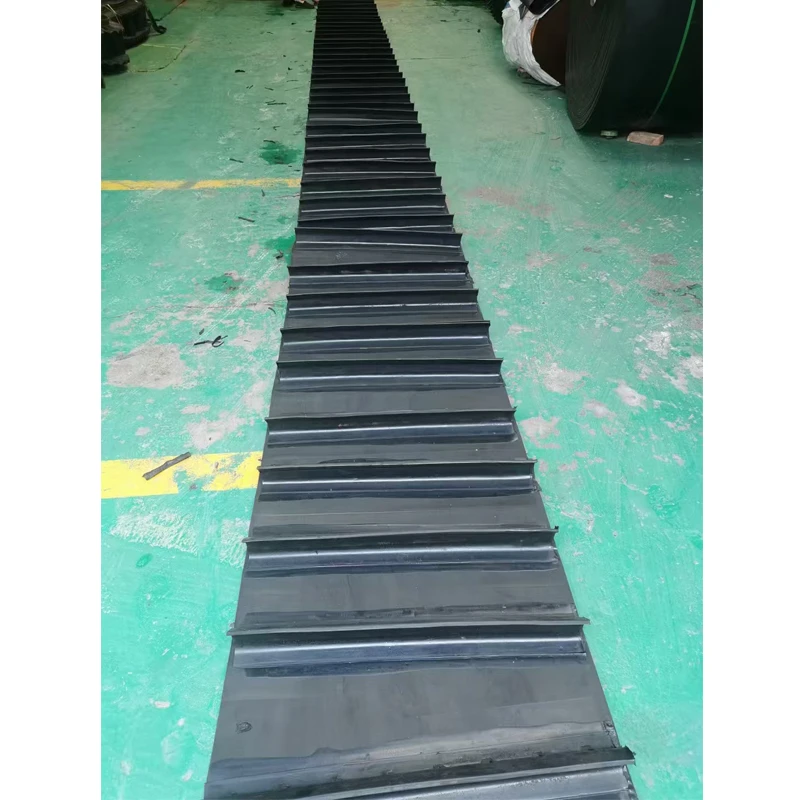
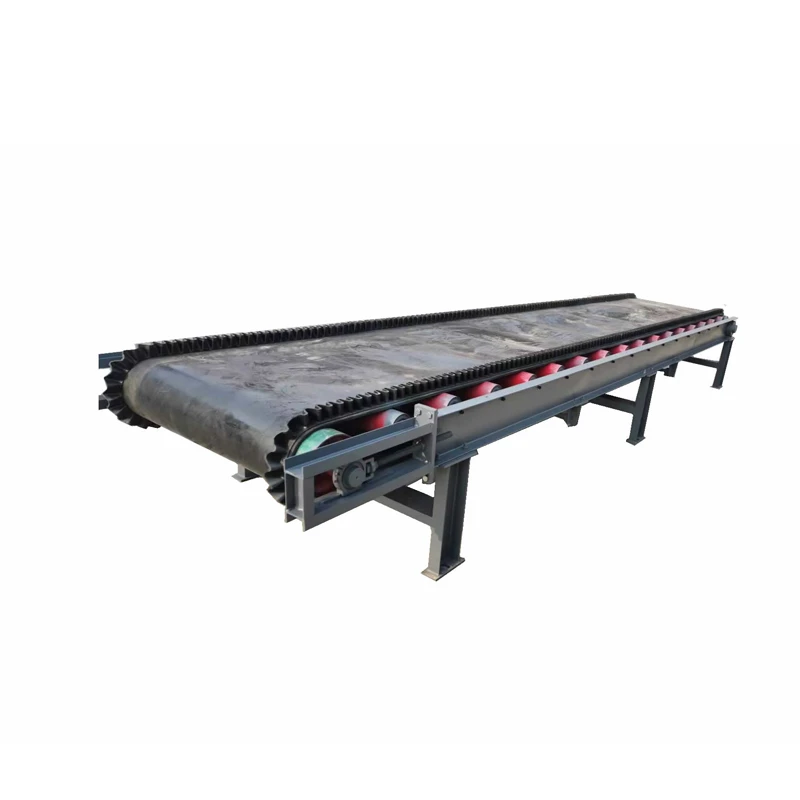
Simply put, these conveyor belts are mechanical systems designed to quickly move goods off shipping containers and onto docks or trucks. They vary from stationary belts integrated into unloading stations to portable, adjustable belts that flex with container sizes.
They’re not just conveyor belts as you imagine in factories—they're engineered to handle irregular packages, bulky freight, and in some humanitarian contexts, aid bundles, with precise speed and durability. Many incorporate sensors or automated sorting now.
Mini Takeaway:
These specialized conveyors adapt to the unique challenge of unloading dense, varied container cargo safely and efficiently.
Key Components and Features of Conveyor Belts for Unloading Containers
Durability and Material Quality
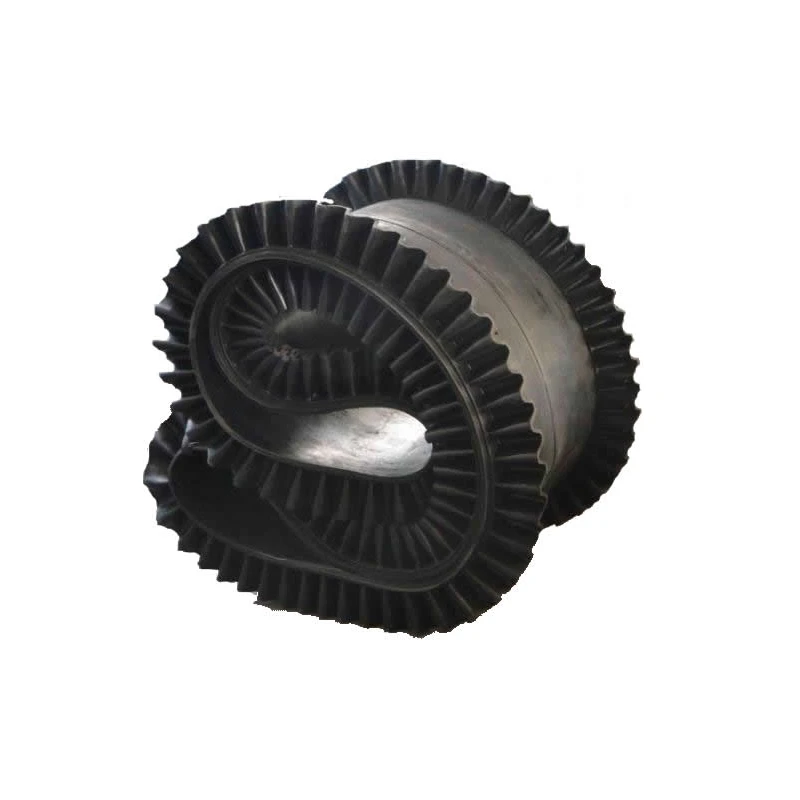
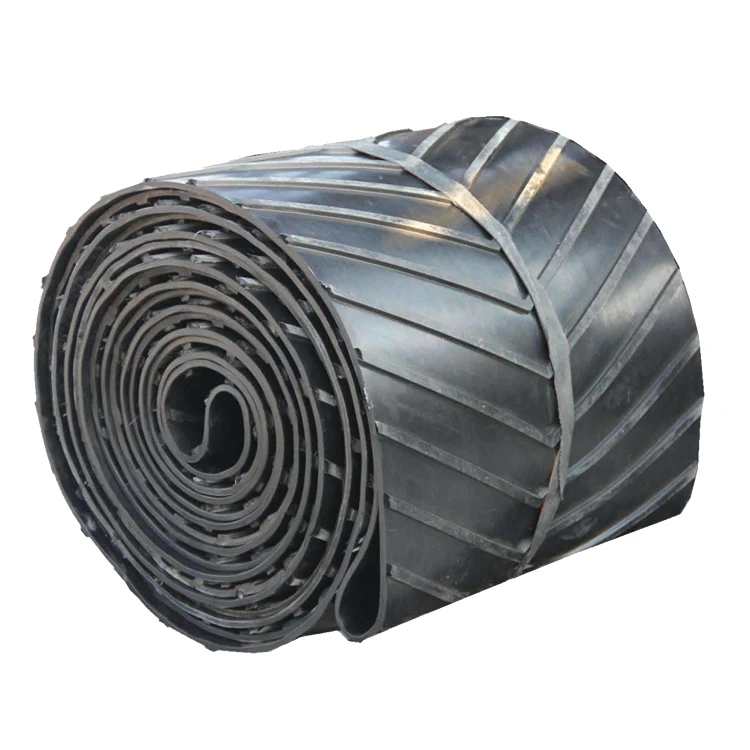
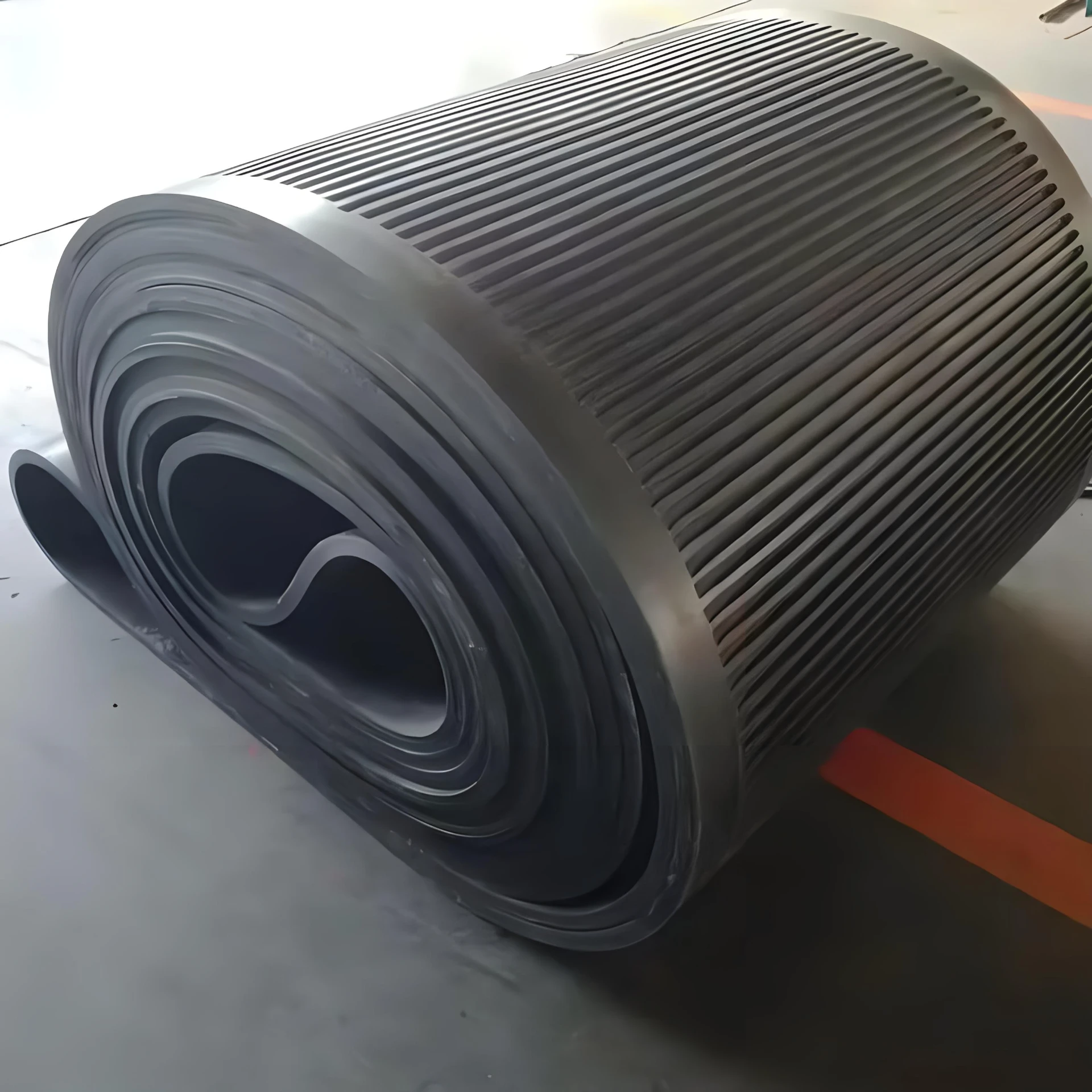
The harsh maritime and port environment means materials have to resist saltwater corrosion, sun exposure, and heavy loads. Most belts feature reinforced rubber composites and rugged metal frames, often stainless steel or galvanized alloys to prevent rust and flex failures.
Scalability and Portability
Depending on the application, conveyor belts can be modular—extendable for larger containers—or foldable for easy relocation. This helps ports of all sizes and NGOs working in unpredictable locations.
Load Capacity & Speed
From smaller pallets to heavy machinery, these belts can carry anywhere from 200 to 1000 kg per linear meter and move goods at variable speeds, balancing caution with throughput.
Cost Efficiency
Though initial capital outlay varies, the return on investment often comes in the form of reduced labor costs, faster turnaround times, and fewer workplace injuries.
Product Specification Table
| Specification | Typical Range / Example |
|---|---|
| Belt Width | 600 mm – 1200 mm |
| Load Capacity | Up to 1000 kg/m |
| Material | Reinforced Rubber, Stainless Steel Frame |
| Power Source | Electric Motor (220-440V), Optional Battery |
| Adjustability | Modular Length, Height Adjustable Legs |
| Speed | 0.2 - 1.2 m/s (Variable) |
How Are Conveyor Belts for Unloading Containers Used Worldwide?
Across bustling ports in Rotterdam and Singapore, automated conveyor systems speed up container unloads to minutes, not hours. In remote mining outposts, portable conveyor belts let operators quickly offload heavy equipment from containers without cranes.
Notably, humanitarian agencies leverage these systems when unloading aid supplies post-disasters. After the 2020 cyclone in Mozambique, relief workers used mobile conveyor belts to efficiently unpack life-saving medicine and food packages from supply containers amid muddy, unstable grounds.
Many industries — manufacturing, agriculture, logistics, and even military supply chains — see these belts as indispensable tools in agile cargo handling.
Mini Takeaway:
From mega ports to field operations, conveyor belts transform container unloading by making it rapid, reliable, and repeatable even in tough conditions.
Why Invest in Conveyor Belts for Unloading Containers? The Benefits and Long-Term Value
- Cost Savings: Cuts down manual labor hours and reduces potential damage to goods by automating transfers.
- Safety Boost: Minimizes heavy lifting, reducing accidents and occupational injuries among staff.
- Environmental Impact: Efficient unloading shortens vessel idle time, reducing carbon footprints.
- Operational Speed & Reliability: Smooth, continual movement improves workflow and customer satisfaction.
- Social Impact: In humanitarian contexts, enables quicker relief distribution, preserving dignity and urgency.
Vendor Comparison Table: Choosing the Right Conveyor Solution
| Feature / Vendor | HG Conveyors | Global Belt Inc. | PortTech Solutions |
|---|---|---|---|
| Modularity | High (Expandable) | Medium | High |
| Portability | Foldable, Lightweight | Fixed (Heavy) | Medium |
| Load Capacity | Up to 1000 kg/m | Up to 900 kg/m | Up to 1100 kg/m |
| Price Range | $$ | $$$ | $$$ |
| Warranty | 3 years | 2 years | 3 years |
What Does the Future Hold? Innovations in Conveyor Belt Technology
Roughly on the horizon: smart conveyor belts. IoT sensors monitoring load weight, belt integrity, and movement speed in real time are gaining traction. Imagine predictive alerts preventing breakdowns, saving costly downtime. Plus, eco-friendly materials and integration with renewable energy sources promise sustainability.
Automation won’t stop either—robots paired with conveyor systems redefine container unloading as a contactless, ultra-fast process. Digital twin simulations allow companies to design bespoke unloading sequences before the actual operation—a kind of logistics crystal ball.
Mini Takeaway:
Tech advances will make unloading containers faster, safer, and greener—paving the way to smarter supply chains.
Overcoming Challenges: What Holds Back Conveyor Belt Adoption?
Despite many advantages, some barriers persist. High upfront costs make small ports or NGOs hesitate. Uneven ground or non-standard container sizes add complexity. Training local operators can also slow down adoption.
Experts suggest modular, portable designs combined with affordable leasing models can solve these issues. Partnerships between manufacturers and port authorities help tailor systems to local needs, ensuring investment yields real efficiency.
FAQ: Quick Answers on Conveyor Belts for Unloading Containers
- How quickly can a conveyor belt system be installed at a container yard?
- Modern modular conveyor belts often take between one and three days to deploy, making them ideal for dynamic port environments or emergency relief needs.
- Are these conveyor belts customizable for unusual cargo?
- Yes, many vendors provide custom belt widths, adjustable speeds, and side guards to handle oversized or fragile containers’ contents safely.
- Can conveyor belts reduce worker injuries during unloading?
- Absolutely. By automating heavy lifting and repetitive tasks, conveyor belts significantly cut down physical strain and accidents on site.
- Is maintenance complex or costly?
- Routine maintenance—like belt tensioning and motor lubrication—is generally straightforward; many parts are modular and easy to replace.
In Conclusion: Why the Conveyor Belt for Unloading Containers Is an Essential Tool
The humble conveyor belt for unloading containers quietly changes how the world moves goods. It slashes unloading times, improves safety, and supports sustainable operations in ports—from mega hubs to temporary relief zones. As the logistics landscape evolves towards smarter, greener solutions, conveyor belts remain a core backbone.
If you’re involved in container logistics or interested in upgrading your unloading capacity, it’s worth exploring the latest conveyor technologies. Visit our website for detailed guides, product info, and expert support: https://www.hgconveyorbelt.com