The Role of Firewood Conveyor Belts in Modern Industry and Beyond
At first glance, a firewood conveyor belt might sound like a niche piece of machinery reserved for lumber yards or maybe some rustic sawmill tucked away in the woods. However, its significance stretches far beyond just carting split logs around. From sustainable biomass energy sectors to disaster relief operations that rely on accessible heating solutions, the humble conveyor belt plays a surprisingly pivotal role. Understanding this seemingly simple technology is surprisingly important given global energy challenges and the push toward greener, more efficient supply chains.
Introduction: Why Firewood Conveyor Belts Matter Globally
Firewood remains one of the primary sources of energy for heating and cooking globally, especially in lower-income and rural communities. The United Nations estimates that nearly 2.4 billion people depend on biomass, including firewood, for their daily energy (1). Ensuring that this resource is transported efficiently can have a domino effect—improving safety for workers, reducing labor costs, and lowering environmental impact by optimizing logistics.
Yet, handling firewood manually or with outdated methods often leads to injury, inefficiency, and increased emissions from unreliable transport. Conveyor belts designed specifically for firewood logistics solve many of these pain points, making them a vital part of meeting both humanitarian and industrial needs worldwide.
Defining Firewood Conveyor Belts
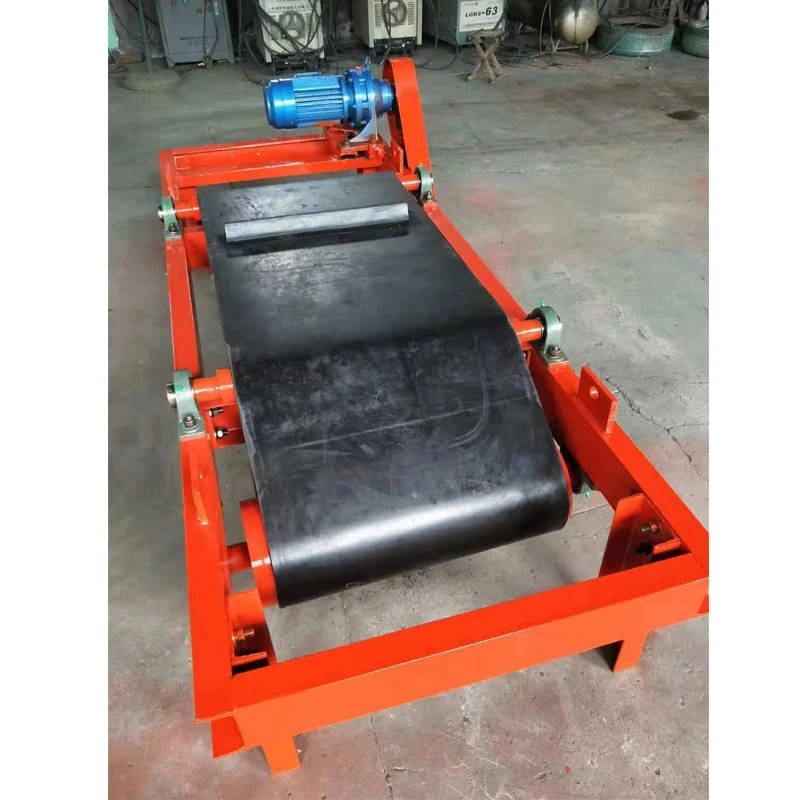
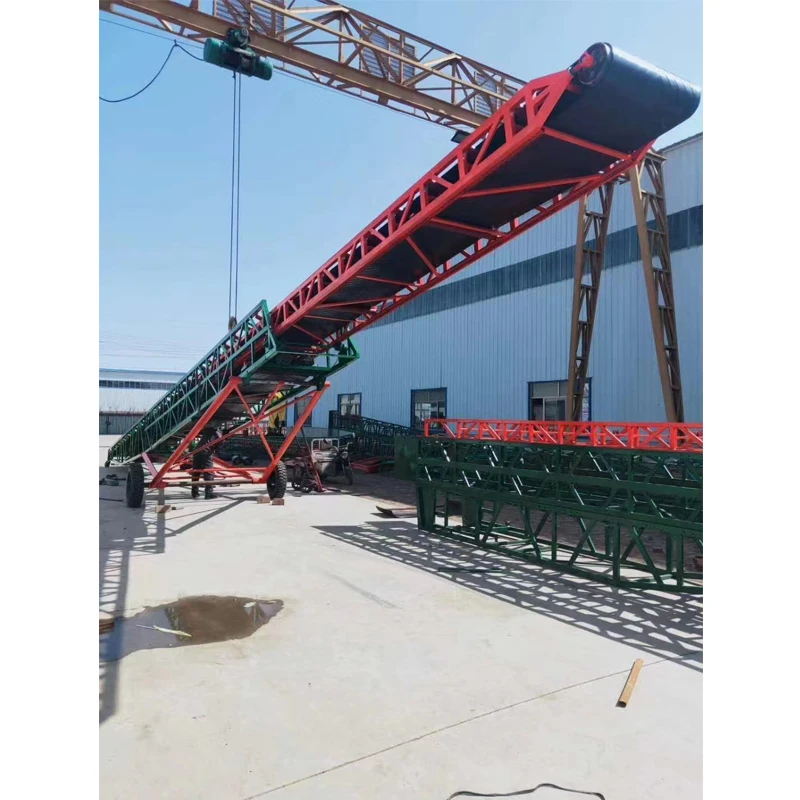
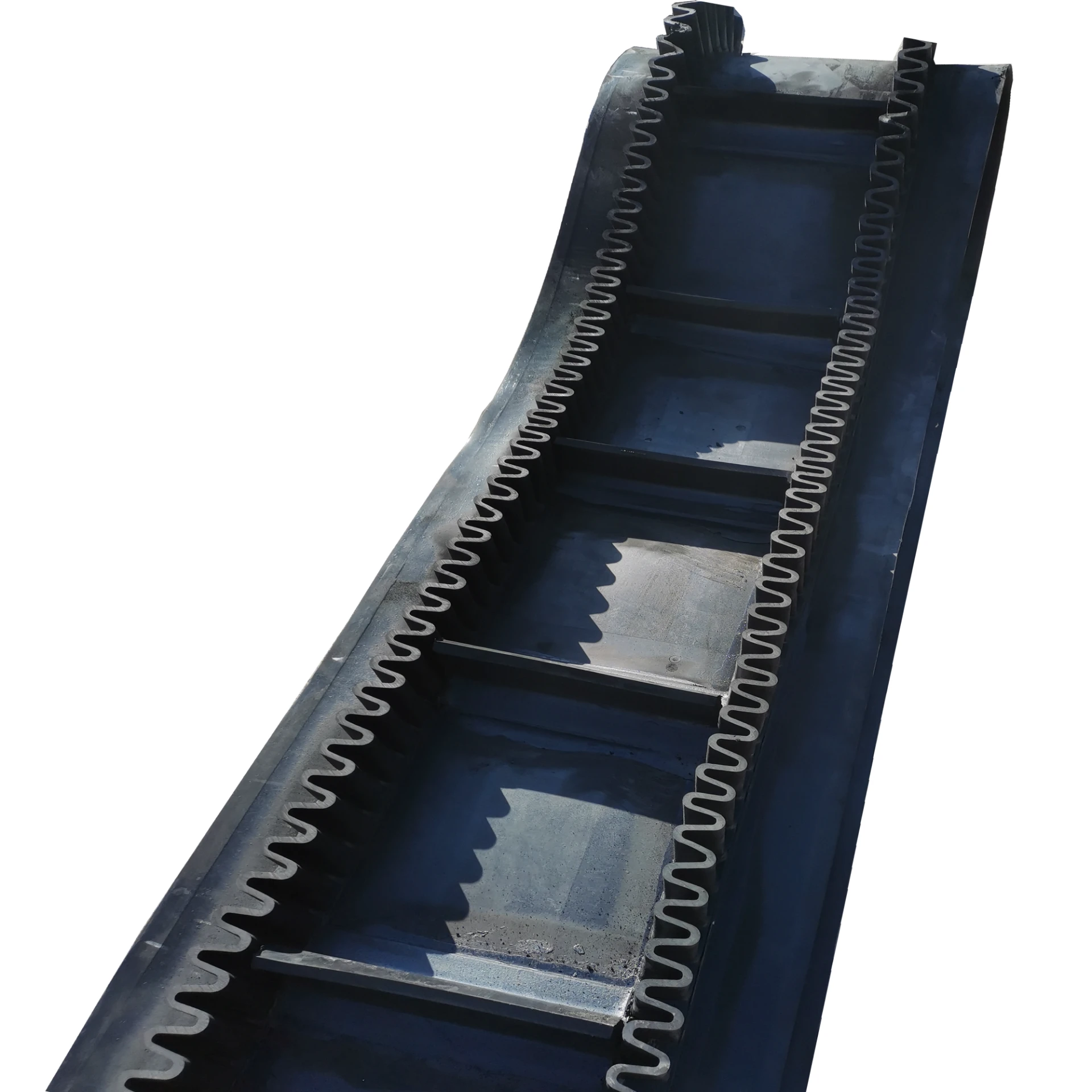
Simply put, a firewood conveyor belt is a moving belt system engineered to transport firewood logs, chunks, or split wood pieces from one location to another. Unlike generic conveyor belts, these are built to handle the specific challenges posed by irregular-shaped, often heavy, and sometimes wet wood pieces that can be cumbersome or dangerous to move by hand.
Their function connects deeply to industrial modernization, enabling sawmills, biomass plants, and even NGOs to streamline operations. In emergency contexts, these belts ensure timely delivery of wood fuel, which can mean the difference between safety and hardship during cold seasons.
Core Components and Key Factors of Firewood Conveyor Belts
1. Durability and Material Quality
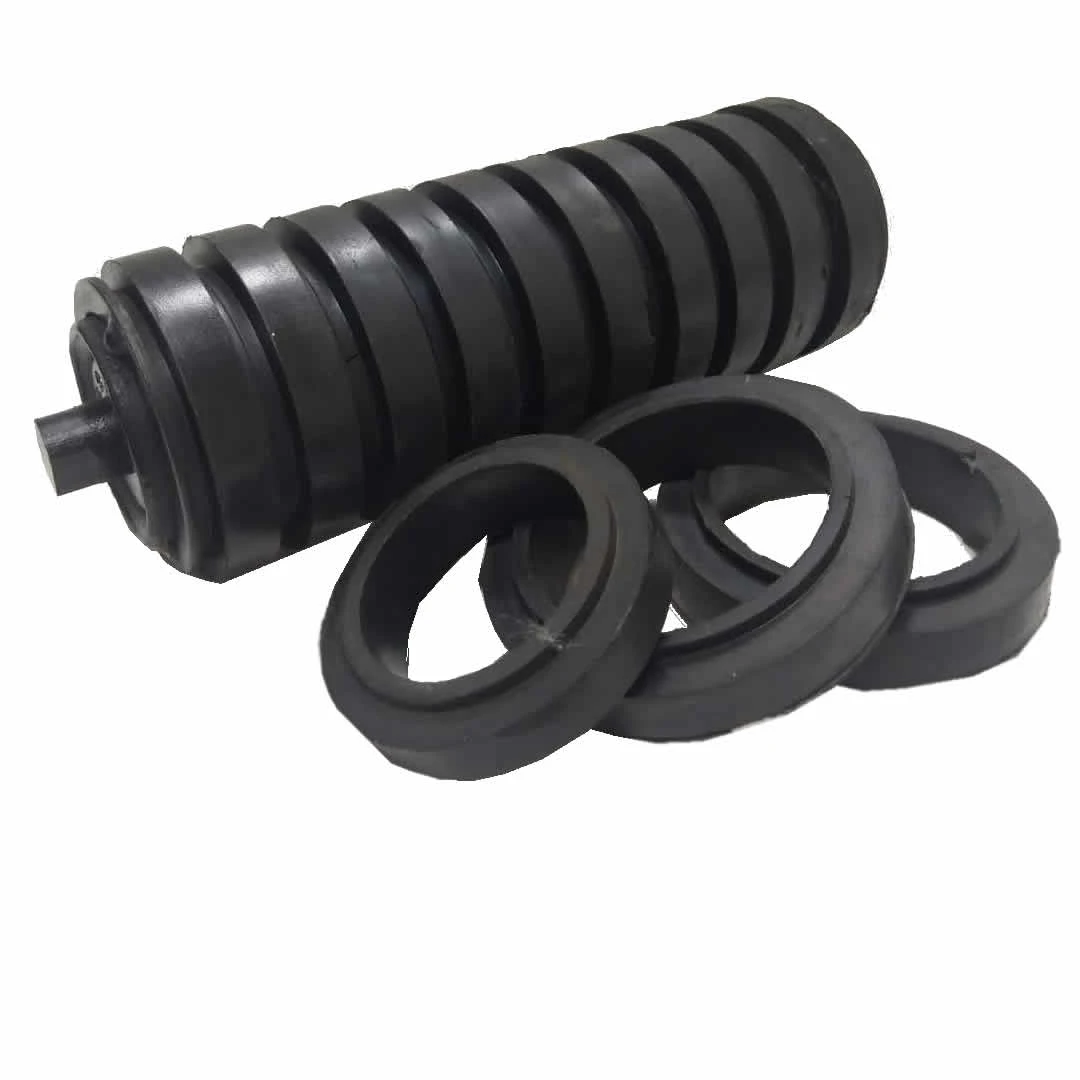
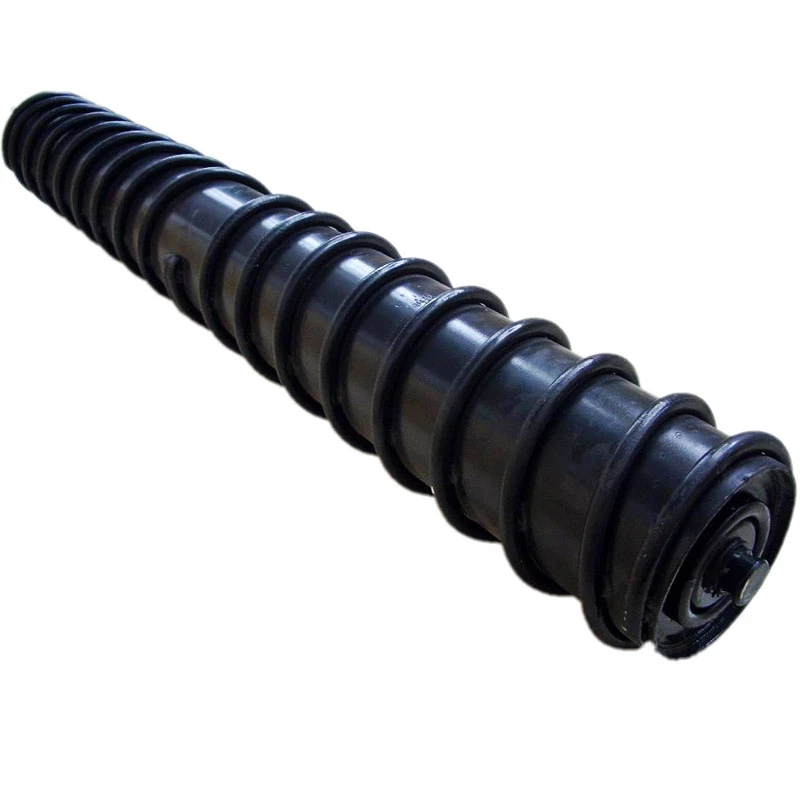
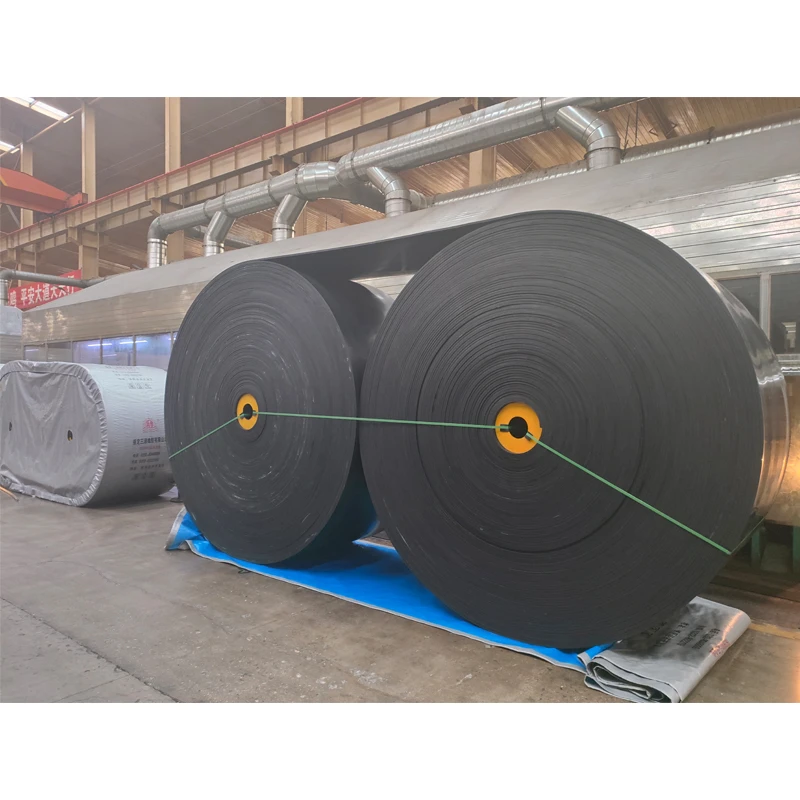
Wood is rough and can be abrasive; the belt’s material needs exceptional wear resistance. Many manufacturers use reinforced rubber composites or polyurethane covers to prolong service life. Frankly, you don’t want a belt failing mid-shift when firewood piles are waiting.
2. Scalability and Size Customization
Depending on the operation size—say, a small local co-op versus a large biomass power plant—the conveyor belt’s width, length, and motor power vary. Modular designs that can be expanded or adjusted on-site are quite popular nowadays.
3. Safety Features
Because firewood is heavy and potentially hazardous, belts often incorporate emergency stop systems, protective guards, and automated loading features to minimize manual handling injuries. Safety isn’t just a checklist; it’s a real concern in daily operations.
4. Cost Efficiency and Energy Consumption
Modern conveyor belts are designed to consume less energy per ton of wood moved compared to traditional manual labor or rudimentary mechanized systems. Many engineers I spoke with emphasize energy savings as a key decision factor when selecting a system.
5. Environmental Impact
Belts that help reduce labor and vehicle use indirectly cut down on carbon emissions associated with firewood transport. Plus, efficient conveyors can support sustainable forestry by integrating with sorting and processing systems.
Firewood Conveyor Belt Product Specifications
| Specification | Typical Range | Notes |
|---|---|---|
| Belt Width | 400 mm – 1,200 mm | Adjustable based on volume |
| Belt Length | 3 m – 50 m+ | Modular sections often used |
| Motor Power | 1.5 kW – 10 kW | Depends on belt speed and load |
| Belt Material | Reinforced rubber, polyurethane | Chosen for durability and grip |
| Load Capacity | Up to 1000 kg/hour | Varies by belt size and motor |
Who Uses Firewood Conveyor Belts Worldwide?
Regions with heavy reliance on wood fuel—parts of Sub-Saharan Africa, Southeast Asia, and some Eastern European countries—often deploy firewood conveyor belts in local production plants. Industrial biomass suppliers in Europe and North America also integrate conveyor systems to optimize their pellets and firewood chains.
In post-disaster relief operations, NGOs sometimes employ these conveyors to load and distribute firewood faster, maintaining fuel supplies needed for heating and cooking in harsh conditions. Oddly enough, they’re a quiet hero in places recovering from crises where traditional infrastructure fails.
Meanwhile, remote industrial zones with logging needs rely on conveyor belts to minimize human labor over rough terrain, improving safety and throughput.
Mini takeaway:
From fuel supply chains to disaster response, firewood conveyor belts subtly keep essential heating energy flowing.
Advantages and the Long-Term Value of Firewood Conveyors
- Cost Savings: Reduced manual labor means fewer injuries and lower wage bills.
- Reliability: Continuous operation reduces bottlenecks common when hauling wood manually.
- Sustainability: Optimized transportation lowers carbon footprints.
- Worker Safety & Dignity: Automated systems remove much of the grunt work, fostering a better workplace environment.
In many ways, these conveyors represent not just industrial efficiency but a subtle form of social innovation—transforming how people interact with a natural resource critical to their survival.
Looking Ahead: What’s Next for Firewood Conveyor Technology?
With automation taking center stage across industries, smart conveyor belts equipped with sensors for load balancing and damage detection are already emerging. Renewable materials for the belts themselves are being researched to reduce waste further.
The green energy push is also influencing conveyor design, favoring energy-efficient motors and modular, recyclable components. Some manufacturers experiment with solar-powered conveyor systems for use in remote, off-grid environments where firewood processing might be off the beaten path.
Common Challenges and Ways to Overcome Them
Wear and tear remain top concerns given wood’s abrasive nature; regular maintenance and high-quality materials are non-negotiable. Additionally, uneven firewood sizes sometimes jam belts, so proper pre-sorting and belt design tweaks (like cleats or tailored surface textures) are crucial.
Supplier reliability and installation expertise can vary significantly, so partnering with experienced vendors who offer on-site calibration and support often saves headaches down the road.
Firewood Conveyor Belt Vendors: A Quick Comparison
| Vendor | Price Range | Lead Time | Special Features |
|---|---|---|---|
| HG Conveyor | $6,000 – $15,000 | 2–4 weeks | Custom sizes, energy-efficient motors |
| WoodFlow Tech | $7,500 – $18,000 | 3–5 weeks | Smart sensor integration |
| LogMaster Industries | $5,500 – $14,000 | 4–6 weeks | Heavy-duty belts for large loads |
FAQ: Your Firewood Conveyor Belt Questions Answered
- Q: What types of firewood are best suited for conveyor transport?
- A: Split logs, small chunks, and uniform sizes work best. Irregular, oversized logs risk jamming, so pre-processing is often recommended to protect your belt system.
- Q: How often should a firewood conveyor belt be maintained?
- Typically, monthly inspections are sufficient for most setups, focusing on belt tension, motor operation, and checking for wear. Depending on operating hours and environment, some recommend more frequent checks.
- Q: Can these conveyor belts be used outdoors in harsh weather?
- Yes, many models are designed with weather-resistant materials and sealed motors to withstand rain, snow, and dust. However, additional protective housing is often advised for long-term outdoor use.
- Q: How does a firewood conveyor belt improve worker safety?
- By minimizing manual lifting and reducing the risk of back injuries and repetitive strain, conveyors take over heavy, repetitive tasks. Many systems include emergency stops and guards to prevent accidents around moving parts.
- Q: Where can I find more information or buy firewood conveyor belts?
- Visit specialized manufacturers like firewood conveyor belt suppliers for product catalogs and consultation tailored to your specific needs.
Conclusion: Embracing Efficiency with Firewood Conveyor Belts
Ultimately, if you’re involved in any step of firewood production or distribution, investing in a high-quality conveyor belt isn’t just about convenience—it’s about sustainability, safety, and long-term savings. From small village operations to industrial biomass plants, these systems quietly underpin a vast global energy network
If this has piqued your interest, do check out our trusted partner’s site for detailed specs and bespoke solutions. After all, moving firewood smarter today means warming lives tomorrow.
References: