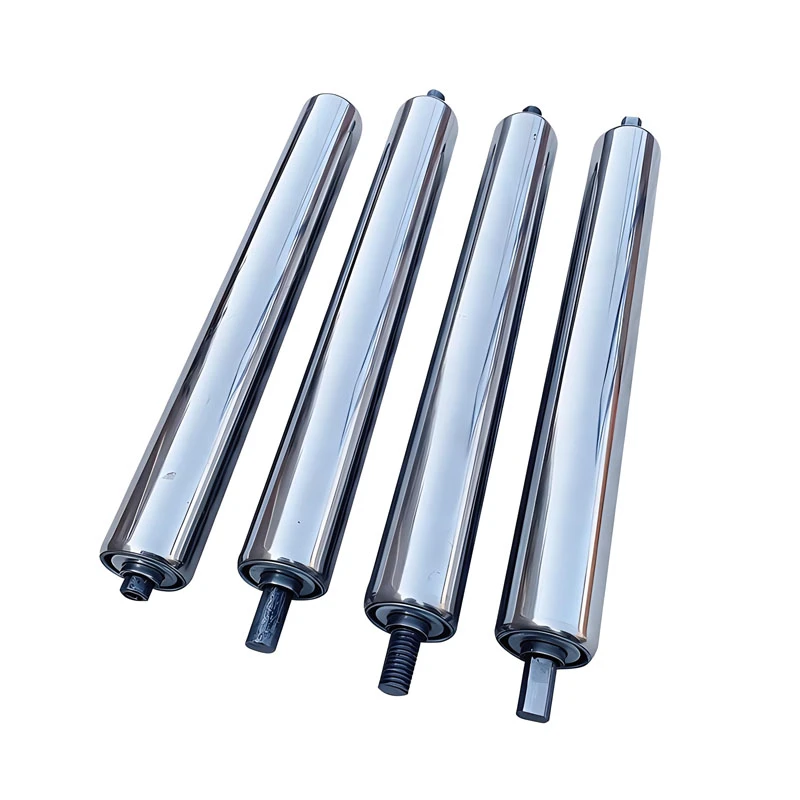
Airport Conveyor Belt: Moving the World Efficiently
When you glance at the hustle and bustle of a modern airport, one unsung hero is continuously working behind the scenes: the airport conveyor belt. This simple yet essential piece of machinery quietly ensures that luggage, cargo, and equipment move seamlessly through terminals, keeping millions of travelers on time worldwide. But beyond convenience, understanding the airport conveyor belt's role reveals a fascinating intersection of engineering, logistics, and global commerce. Even more interesting, these belts contribute to safety, efficiency, and environmental concerns — a mix that’s critical at international hubs.
Introduction: Why Airport Conveyor Belts Matter on a Global Scale
Globally, airports process over 4.4 billion passengers annually, not to mention countless tons of cargo. Behind the scenes, conveyor belts are the veins of these massive systems. According to the International Air Transport Association (IATA), efficient baggage handling reduces mishandling rates to less than 3%, primarily thanks to advanced conveyor belt systems. But implementing such systems isn’t always straightforward — airports face challenges like high traffic volume, safety standards, and sustainability goals.
There’s also the increasing pressure to upgrade conveyor belts to handle new security protocols and smart luggage tracking. In other words, the airport conveyor belt isn’t just a moving strip of rubber — it’s a critical cog in a multi-billion-dollar logistical machine that can’t afford to fail.
Mini Takeaway:
- Airport conveyor belts support billions of passengers and cargo worldwide.
- Efficient belts reduce mishandling and enable security innovations.
- Modern challenges include sustainability and scalability under pressure.
What Exactly Is an Airport Conveyor Belt?
Put simply, an airport conveyor belt is a mechanical system designed to transport luggage, cargo, or equipment across distances within the airport. Think of it as a moving walkway for your suitcase. Unlike those at grocery stores or factories, these belts are often custom-engineered to fit complex terminal layouts and integrate with security scanners, sorting machines, and robotics.
Beyond airports, similar conveyor systems have humanitarian applications, like disaster relief centers, where transporting supplies efficiently can be a matter of life and death. In this way, the tech behind airport conveyor belts is more than a convenience; it’s part of critical infrastructure in many contexts.
Mini Takeaway:
- Airport conveyor belts move luggage and cargo smoothly within terminals.
- They are custom-engineered to meet complex, multi-function requirements.
- Similar systems aid humanitarian logistics worldwide.
Key Factors That Define a Great Airport Conveyor Belt
1. Durability and Material Quality
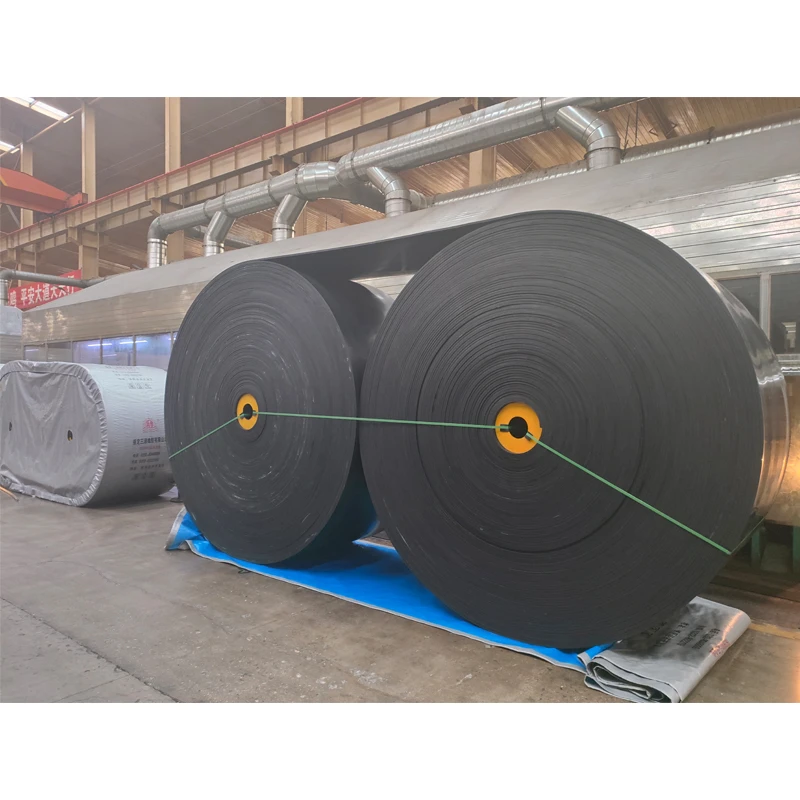
The wear-and-tear on airport conveyor belts is relentless, so they’re typically made with rugged materials like reinforced rubber composites, designed to resist cuts, abrasion, and chemicals. Many engineers swear by belts meeting standards such as ISO 21181 for safety and performance, ensuring they stand up to millions of cycles without breaking down.
2. Scalability and Modularity
Airports evolve and expand — so do their conveyor needs. Modular conveyor belts allow operations to add or remove sections with minimal downtime, which is invaluable during renovations or sudden traffic surges. A somewhat less obvious point is how scalability influences maintenance costs and operational agility.
3. Energy Efficiency
Conveyor belts consume power 24/7 in busy airports. Advanced designs now incorporate energy-saving motors, smart drive controls, and regenerative braking. Being eco-friendly isn’t just a nice-to-have; many airports aim to reduce their carbon footprint, and efficient conveyor belts make a measurable impact.
4. Automation and Integration
The future is smart conveyor belts — those equipped with sensors, scanners, and AI-driven sorting algorithms to reduce manual work and increase accuracy. International airports increasingly deploy RFID and barcode readers embedded within belts to track bags in real-time.
5. Safety Compliance
Passenger safety and regulatory compliance are paramount. Emergency stop buttons, timed belt stops, and clear signage all play parts in preventing accidents. Additionally, belts must meet fire-retardant and electrical safety standards to comply with international aviation regulations.
Mini Takeaway:
- Durability ensures longevity despite constant use.
- Scalability helps airports adapt without major disruptions.
- Energy-efficient designs lower operational costs and carbon output.
- Automation enhances accuracy and performance.
- Safety features protect passengers and staff.
Global Applications and Real-World Use Cases
Of course, airport conveyor belts aren’t limited to your local terminal. In busy hubs like Dubai International or Frankfurt Airport, intricate conveyor networks span kilometers to handle millions of bags per day. These systems integrate with customs and security, enabling smooth international travel.
Beyond commercial airports, conveyor belts feature in cargo airports like Leipzig/Halle, where freight volumes are staggering. Remote industrial zones, such as mining operations in Australia or Canada, also utilize conveyor inventions adapted from airport designs to transport equipment and materials efficiently.
Additionally, humanitarian organizations have applied conveyor systems in refugee camps to streamline food and medicine distribution, minimizing manual labor and human fatigue during crises.
Mini Takeaway:
- Major global airports depend on complex conveyor belt networks.
- Cargo and industrial sites adapt airport technologies for large-scale operations.
- Humanitarian efforts increasingly incorporate conveyors for logistics efficiency.
Advantages and Long-Term Value of Airport Conveyor Belts
The benefits here are a blend of tangible and intangible rewards:
- Cost efficiency: Automated luggage transport reduces labor costs and delays.
- Reliability: High-quality belts minimize breakdowns, cutting downtime.
- Sustainability: Energy savings and materials innovations contribute to greener operations.
- Safety and dignity: Reducing human handling limits injuries and lost luggage, fostering traveler trust.
- Innovation: Integration with AI and IoT promises enhanced efficiency in the future.
Behind those pragmatic points, there's also a more human note: conveyor belts silently enable millions of journeys, bringing families, professionals, and goods together — each belt segment is an unsung facilitator of global connection.
Product Specification Table
| Specification | Model AERO-500 | Model AERO-750 | Model AERO-900 |
|---|---|---|---|
| Belt Width | 500 mm | 750 mm | 900 mm |
| Max Load Capacity | 120 kg/m | 180 kg/m | 240 kg/m |
| Drive Type | Variable frequency motor | Variable frequency motor | Servo motor with sensor feedback |
| Energy Consumption | 750 W | 1,100 W | 1,350 W |
| Noise Level | 48 dB | 52 dB | 50 dB |
| Safety Features | Emergency stop, fire retardant belt | Emergency stop, safety edges | Emergency stop, integrated sensors |
Top Vendor Comparison: Airport Conveyor Belt Suppliers
| Vendor | Key Features | Lead Time | Warranty | Eco Initiatives |
|---|---|---|---|---|
| ConveyX Global | Custom modular belts, AI integration | 6-8 weeks | 5 years | Uses recycled materials |
| LoopTech Solutions | High-efficiency motors, regenerative drives | 4-6 weeks | 3 years | Solar-powered test facilities |
| AeroBelt Corp | Advanced safety systems, IoT ready | 8-10 weeks | 7 years | Carbon offset shipping |
The Future of Airport Conveyor Belts: Where Are We Headed?
Looking ahead, the airport conveyor belt landscape is buzzing with innovations. Smart belts with embedded sensors will better predict maintenance needs — you could almost say these conveyors will have a little “gut feeling” about when to call for a tune-up.
Material advances like graphene-infused belts promise lighter, stronger surfaces that resist wear far longer than today's rubber composites. Plus, airports are pushing green policies harder, which means we’ll see more solar-powered or hybrid conveyor systems.
Automation will also grow beyond sorting: robotics may soon work hand-in-hand with conveyors to load or unload bags, minimizing human intervention for increased safety and throughput.
Mini Takeaway:
- Smart sensors enable predictive maintenance, reducing downtime.
- New materials boost durability and reduce weight.
- Green energy integrations lower environmental impact.
- Robotics and AI will further automate baggage handling.
Challenges & Their Ingenious Solutions
Of course, no technology is perfect. Airport conveyor belts often face issues like belt misalignment, wear fatigue, or complex integration hurdles with legacy airport systems. Legacy infrastructure can be a nightmare when trying to retrofit new tech — balancing cost and disruption.
Many operators combat this through phased upgrades and modular belt replacements, often working overnight to minimize passenger impact. Additionally, software advances now allow remote diagnostics, catching small faults before they become disruptions. There’s also an interesting trend to use VR in training maintenance crews, which might seem a little sci-fi but makes a lot of sense.
FAQ: Frequently Asked Questions About Airport Conveyor Belts
Q1: How long do airport conveyor belts typically last?
A: With regular maintenance and depending on traffic volumes, airport conveyor belts can last 8-15 years. High-quality materials and smart monitoring extend their lifespan significantly.
Q2: Can airport conveyor belts be customized to fit complex terminal designs?
A: Absolutely. Most airport belts are modular and customizable to the airport's layout, including curves, inclines, and integration points with scanners.
Q3: How energy-efficient are modern airport conveyor belts?
A: Newer conveyor systems consume up to 30% less energy than older models, thanks to variable speed drives, regenerative braking, and smarter motor controls.
Q4: Can airport conveyor belts support modern security equipment?
A: Yes, conveyors are often designed to integrate with X-ray scanners, RFID readers, and other security hardware to streamline baggage processing.
Q5: Are airport conveyor belts environmentally friendly?
A: Increasingly so. Many vendors prioritize recycled materials, energy-efficient components, and even carbon-neutral shipping options for their products.
Final Thoughts
At first glance, an airport conveyor belt may seem like just a moving strip — but it’s a cornerstone of global travel infrastructure, an engineering marvel quietly keeping the world connected. From hefty load capacities to cutting-edge automation, these systems represent innovation, resilience, and a promise of smoother journeys ahead.
If you’re curious to learn more or explore state-of-the-art solutions, don’t hesitate to visit our website: airport conveyor belt — because the world moves on these belts, quite literally.