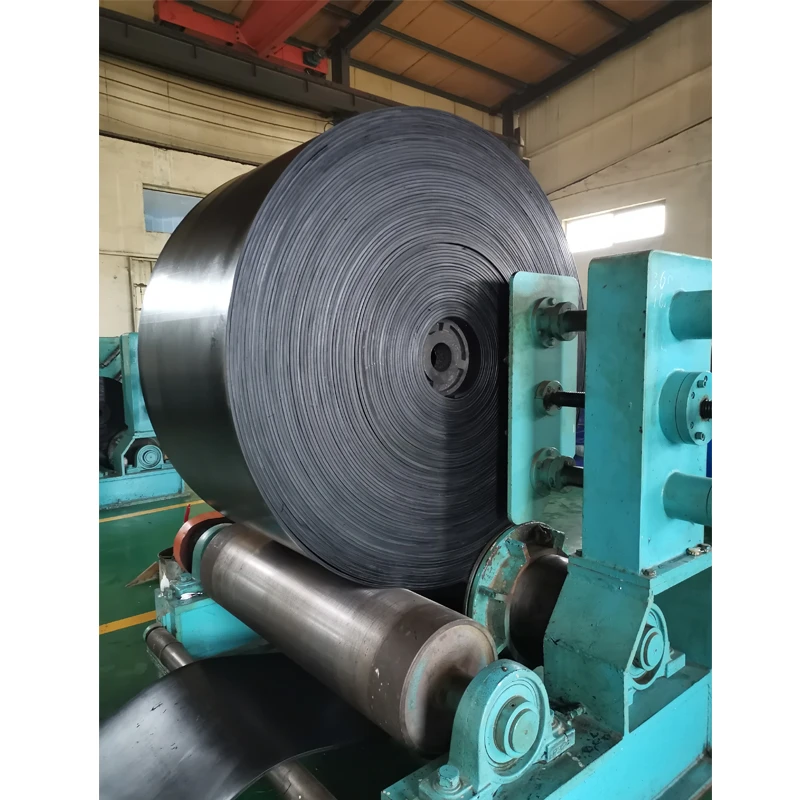
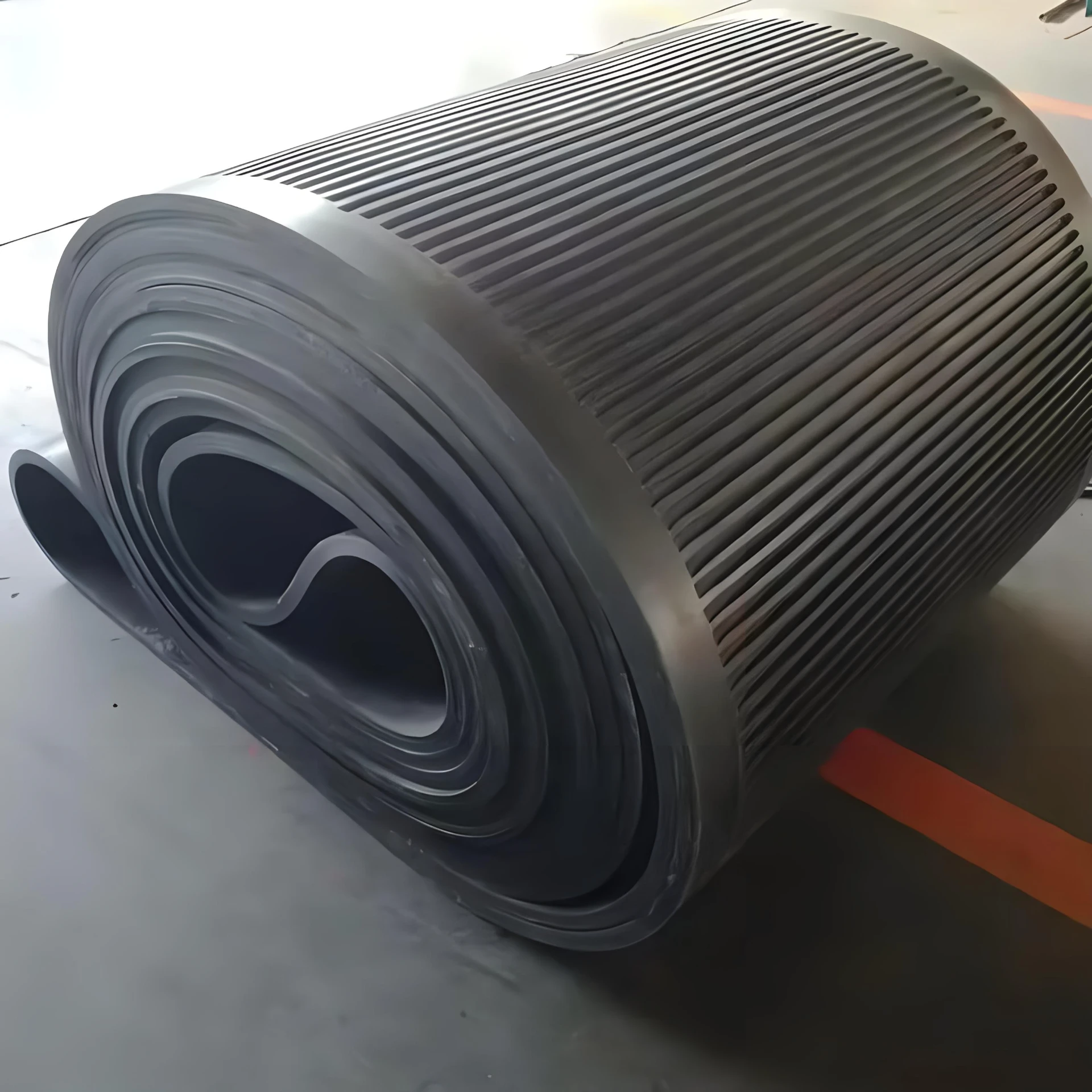
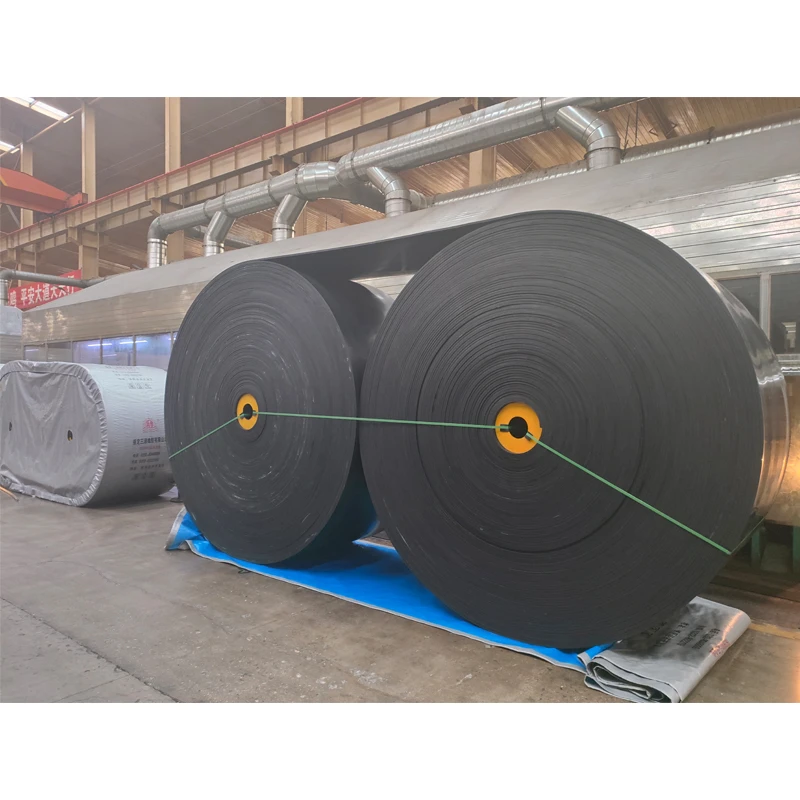
Understanding Conveyor Belt Cost: Why It Matters Globally
If you’ve ever watched a factory humming along or seen raw materials move effortlessly across a port, you’ve had a front-row seat to conveyor belts in action. But have you ever stopped to wonder about the real expense behind those continuous loops of rubber and metal? Conveyor belt cost might sound like a straightforward purchase line, but it's actually a bridge to efficiency and sustainability that industries worldwide rely on.
Globally, conveyor systems aren't just for packing chips or crossword puzzles at the local factory—they underpin mining operations, large-scale manufacturing, and critical supply chains that keep economies ticking. Understanding conveyor belt cost means understanding how businesses manage industrial flow while balancing budgets and long-term returns.
The Global Context: Conveyor Belt Cost and Industrial Growth
Recent data from the International Organization for Standardization (ISO) reveals that conveyor systems market growth correlates strongly with infrastructure development in emerging economies. Asia-Pacific, Latin America, and Africa are investing heavily in material handling technologies.
However, it’s no secret that many operations struggle with upfront procurement costs versus maintenance expenses in the long run—an economic balancing act that conveyor belt cost factors into deeply. According to the World Bank, efficient logistics chains can reduce product costs by up to 20%, yet the initial capital for conveyors can be a hurdle.
Aside from economics, environmental regulations push companies to choose belts with longer life cycles and reusable materials, making cost calculations even more nuanced.
Defining Conveyor Belt Cost in Plain Terms
Simply put, conveyor belt cost includes all expenses related to the purchase, installation, maintenance, and lifespan of a conveyor belt system. It’s not just the belt’s sticker price but the “total ownership cost” — including downtime, repairs, and energy consumption.
For industries, whether it’s mining ore in Australia or distributing goods in Germany, this cost directly affects bottom lines and operational reliability. Oddly enough, when humanitarian organizations use conveyors in disaster relief operations—say, moving bulk supplies through makeshift ports—selecting cost-effective yet durable belts can be a lifeline.
Core Components of Conveyor Belt Cost
1. Durability and Material Quality
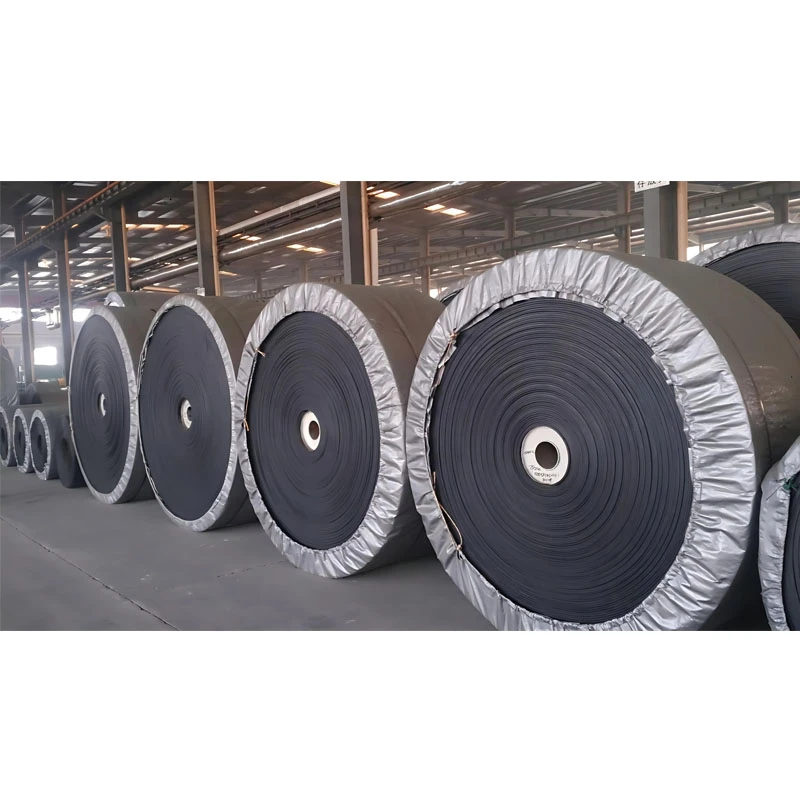
The type of material—rubber, PVC, steel-reinforced fabric—changes the belt lifespan and maintenance schedule dramatically. Some belts last 5+ years in harsh conditions; others wear out in months if you’re unlucky or cheap.
2. Scalability and System Integration
Cost considerations expand with system size. A small belt for sorting packages and a multi-kilometer conveyor for coal handling come at different price levels and infrastructure needs.
3. Energy Efficiency
Modern conveyor systems incorporate energy-saving motors and variable frequency drives whose upfront costs raise conveyor belt cost estimates but pay off in lower operating expenses.
4. Maintenance and Downtime
Companies calculate costs by combining routine maintenance, unexpected repairs, and system downtime — the latter often being surprisingly expensive.
5. Environmental Compliance
Using belts made from recyclable or low-impact materials might be pricier initially but help with regulatory costs and brand reputation.
Product Specification Table: Typical Conveyor Belt Specifications
| Specification | Value | Notes |
|---|---|---|
| Belt Width | 600mm to 2000mm | Varies by application |
| Material | Rubber, PVC, EP Fabric | Selected based on durability needed |
| Operating Temp | -20°C to +80°C | Depends on belt compound |
| Max Load Capacity | Up to 3,000 kg/m | Critical for heavy industries |
| Drive System | Electric motor, 1.5-7.5 kW | Affects energy consumption |
Global Applications: Where Conveyor Belt Costs Make a Difference
If you’re thinking surface mining in Chile or bulk cargo unloading in Rotterdam, conveyors are critical. Industries such as mining, food processing, manufacturing, and logistics rely heavily on conveyor belt cost decisions.
- Mining in Africa: Heavy-duty conveyor belts must withstand abrasive materials; cost efficiencies lead to better ROI.
- Disaster relief logistics in Southeast Asia: Temporary conveyor systems speed up supply chains when roads are blocked.
- Automotive manufacturing in Europe: Precise, variable-speed belts reduce downtime, improving throughput.
It’s fascinating how the same technology adapts across diverse scenarios, and managing costs smartly can mean the difference between success and bottlenecks.
Vendor Comparison Table: Key Conveyor Belt Suppliers
| Vendor | Average Belt Cost per Meter | Material Options | Typical Warranty | Ideal Application |
|---|---|---|---|---|
| HGC Conveyors | $30 – $75 | Rubber, EP fabric | 2-5 years | Industrial, mining, logistics |
| Global Belting Ltd. | $25 – $70 | Rubber, PVC | 1-3 years | Manufacturing, food processing |
| Eco Belt Suppliers | $40 – $90 | Recycled rubber, eco polymers | 3-5 years | Green tech, sustainable ops |
Advantages and Long-Term Value of Considering Conveyor Belt Cost Wisely
Looking at conveyor belt cost from only the purchase perspective misses the point. When companies invest wisely:
- Lower operational costs: Durable belts reduce downtime and frequent replacements.
- Energy savings: Modern belts with optimized drive systems consume less power.
- Environmental benefits: Choosing eco-friendly materials satisfies compliance and corporate responsibility.
- Social impact: Reliable belts keep workplaces safe and productive, enhancing worker dignity.
When I talk to plant engineers, they often say the “cost per hour of uptime” matters more than sticker shock. It’s about trust, innovation, and the safety net that keeps a facility humming smoothly.
Emerging Trends and Innovations in Conveyor Belt Cost Management
Technology is reshaping how conveyor belt costs are viewed and managed. Advances include:
- IoT-integrated belts: Sensors monitor belt conditions in real-time, reducing unexpected failures.
- Advanced materials: New polymers and composites improve lifespan and reduce weight.
- Green energy: Solar-powered drives and regenerative braking reduce operational expenses.
- Automation: Smart systems adjust speeds dynamically, optimizing energy and wear.
These innovations mean that although initial conveyor belt cost might be higher, the lifecycle benefits far outweigh early investments—a classic “pay now, save later” scenario.
Common Challenges and Solutions in Managing Conveyor Belt Costs
Managing conveyor belt cost isn’t without hurdles:
- High upfront prices: Can discourage smaller operations.
- Wear and tear in harsh environments: Abrasive or chemical exposure shortens belt life.
- Compatibility issues: Not all belts fit all motors or systems.
Solutions: Leasing options, modular conveyor designs, and partnering with suppliers like HGC Conveyors offer flexible financing and customized solutions. Plus, investing in predictive maintenance saves piles of unexpected downtime costs.
FAQ: Frequently Asked Questions About Conveyor Belt Cost
- What factors most influence conveyor belt cost in industrial applications?
- Material quality, belt width, system length, and environmental conditions significantly affect costs. Also, motor efficiency and integration complexity add to the price.
- How can companies balance upfront conveyor belt cost with long-term savings?
- By considering lifecycle costs, including maintenance and energy use, and choosing belts with better durability and energy-efficient drives, companies often realize savings down the line.
- Are eco-friendly conveyor belts more expensive?
- Generally yes, initially. They employ recycled or sustainable materials and offer longer-term environmental and sometimes operational benefits that justify the cost.
- How do I calculate the total cost of ownership for a conveyor belt system?
- Include purchase price, installation, energy consumption, scheduled maintenance, downtime costs, and disposal or recycling fees. Total cost of ownership gives a complete picture.
In Conclusion: Why Conveyor Belt Cost Deserves Your Attention
So, what’s the takeaway? Conveyor belt cost isn’t just a number you find on a quote sheet—it’s the thread weaving together efficiency, sustainability, and operational success worldwide. Taking the time to understand and plan around these costs ensures your systems run reliably, safely, and even more sustainably.
Ready to explore tailored conveyor solutions and discover how to optimize your conveyor belt cost? Visit us anytime at https://www.hgconveyorbelt.com. Because smart choices on conveyor tech pay dividends for years.