Why a Mulch Conveyor is a Game-Changer in Industrial Material Handling
Having spent over a decade in the industrial equipment arena, I can say one thing for sure: the right conveyor can make or break your operation. When it comes to mulch conveyor solutions, I’ve seen the evolution firsthand—from crude, heavy belts to more specialized systems designed to handle the quirks of mulch and biomass materials.
Frankly, handling mulch isn’t quite like moving grain or coal. It’s fibrous, often wet, and sometimes sticky. That means the conveyor needs to be robust yet gentle, with a belt that can resist wear but also not gum up under repeated exposure to moisture and organic debris. Many engineers I’ve worked with say the challenge lies in balancing durability with flexibility. The mulch conveyor, in that respect, stands out as a tailored solution.
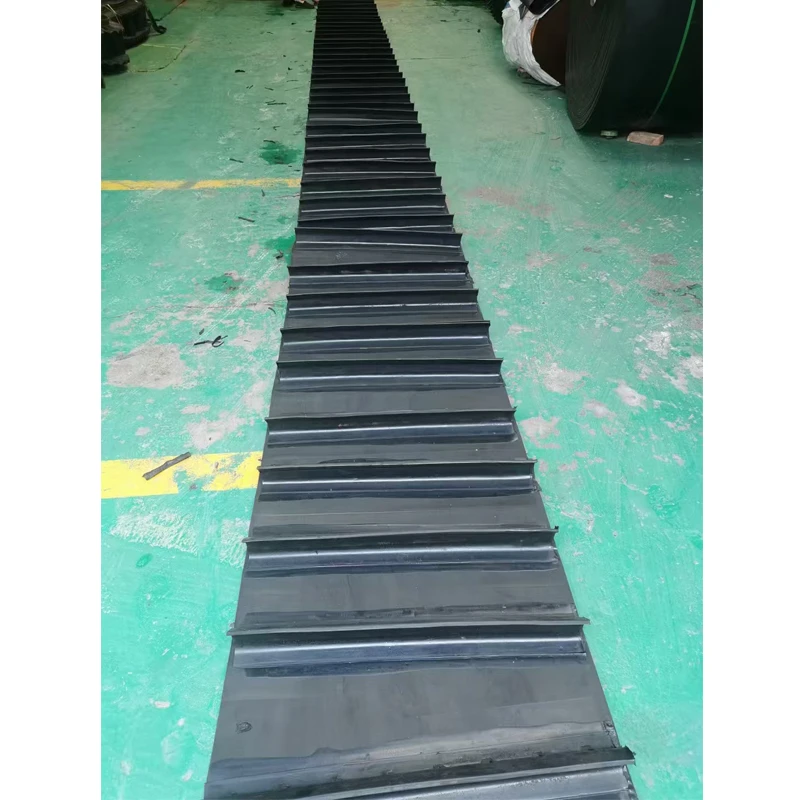
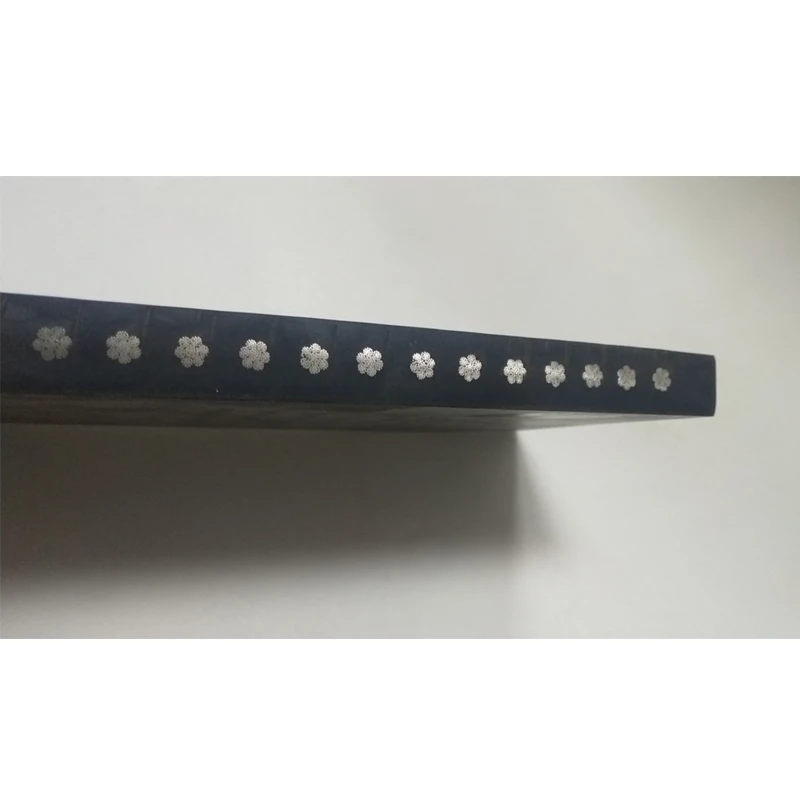
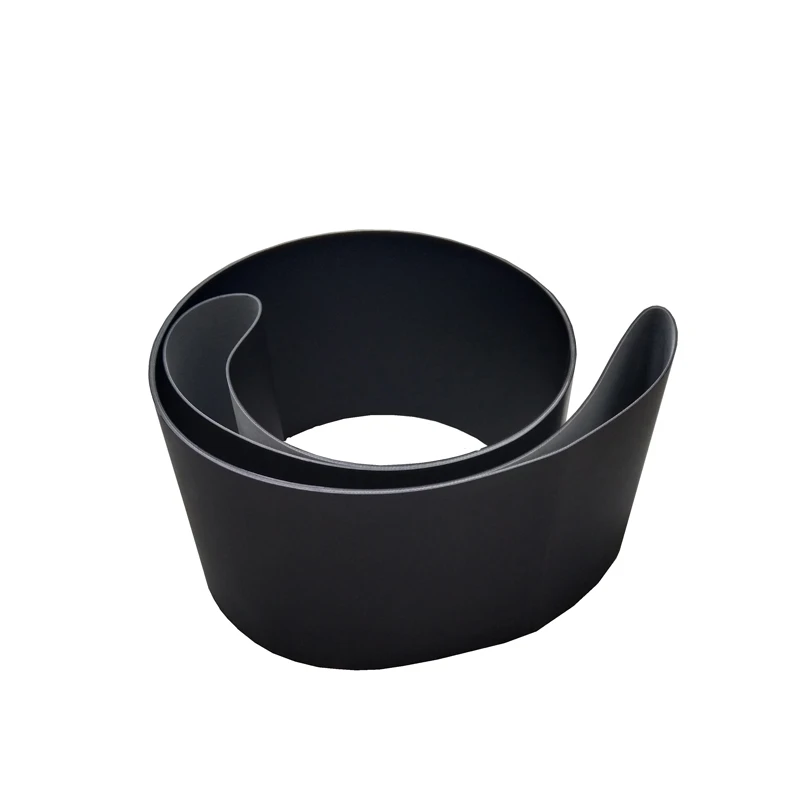
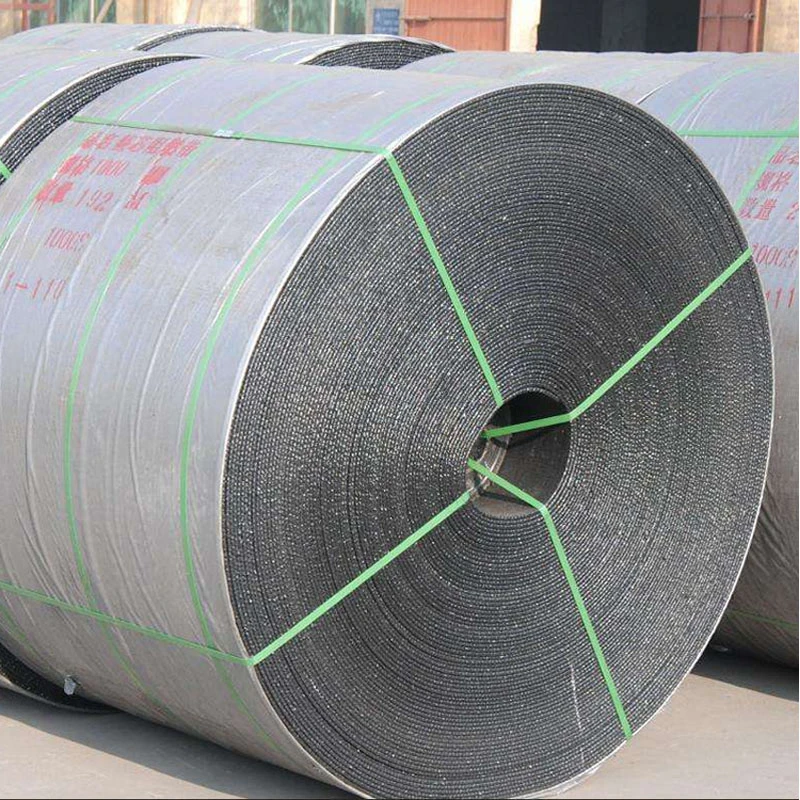
Over the years, I noticed manufacturers began integrating better materials into their belts, such as reinforced PVC or rubber compounds resistant to abrasion and temperature swings. It’s not just the belt material, either — the conveyor’s drive system, frame, and tension adjusters all have to be spot-on to keep everything moving without jams.
Here’s a quick rundown of typical mulch conveyor specs that I often specify when advising clients. You’ll see the focus is on durability and customization:
| Specification | Details |
|---|---|
| Belt Width | 500 mm – 1500 mm |
| Belt Material | Reinforced PVC or Rubber Compound |
| Conveyor Length | Customizable up to 30 meters |
| Load Capacity | Up to 20 tons/hour |
| Drive System | Electric Motor (variable speed control) |
| Frame Material | Galvanized Steel or Stainless Steel |
| Additional Features | Adjustable angle; dust covers; modular sections |
One interesting aspect I've learned is how vendors differ on customization and after-sales support. Some focus on rapid delivery with standard specs, while others embrace tailor-made designs that fit precisely into the processing line. Oddly enough, I once had a client in the landscaping waste sector who needed a conveyor configured for extremely heavy, wet mulch — standard solutions wouldn’t cut it. After some back-and-forth with vendors, we settled on a modular system with reinforced belts and stainless steel frames, which significantly reduced downtime during wet seasons.
| Vendor | Customization | Lead Time | Support & Training | Warranty |
|---|---|---|---|---|
| Vendor A | Standard specifications only | 2-3 weeks | Limited remote support | 12 months |
| Vendor B | Fully customizable modular design | 4-6 weeks | On-site training available | 24 months |
| Vendor C | Standard, with optional add-ons | 3-4 weeks | 24/7 remote support | 18 months |
In real terms, choosing your mulch conveyor means paying close attention not just to specs, but to how the vendor works with you before and after purchase. It’s kind of like buying a car — sure, the engine matters, but the dealer’s service makes all the difference in keeping things running smoothly.
And if you’re wondering how these conveyors perform day to day, I recall visiting a wood-chipping facility where their mulch conveyors, running nonstop in damp conditions, kept feeding biomass into dryers with practically zero downtime. That speaks volumes about good design and quality materials.
To sum up: mulch conveyors might not be the flashiest equipment on your floor, but they silently keep the whole chain humming. If you’re dealing with mulch or similar materials, investing in a conveyor system tailored to those tough conditions pays dividends over time.
That’s my two cents after years in the field. And you know, even after all this, I’m still learning... technology just keeps moving.
References:
1. Industry case studies on biomass conveyor systems, 2023
2. Interviews with equipment engineers, various manufacturing plants
3. Technical manuals from major conveyor belt manufacturers