Steel Conveyors: Durable Workhorses of Industrial Material Handling
Having spent a fair share of years on factory floors and in warehouses, I’ll admit: steel conveyors hold a special place in my toolkit memory. They’re the unsung heroes—rugged, straightforward, and surprisingly adaptable. If you’re scouting for reliable industrial conveyors, a well-crafted steel conveyor might just be what you need.
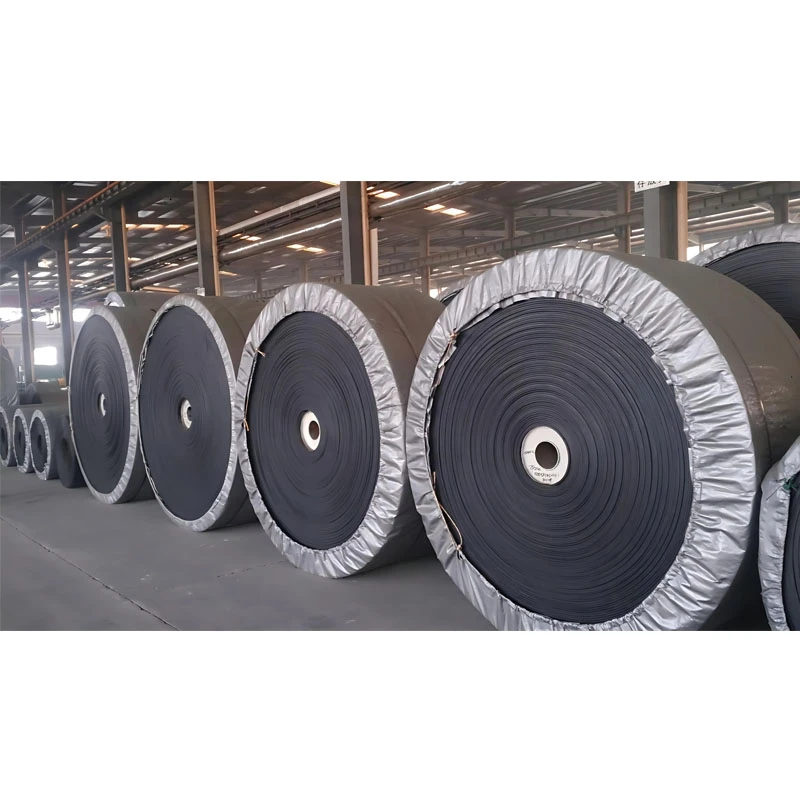
In real terms, steel conveyors deliver robust performance especially where heavy loads, harsh environments, or high temperatures come into play. Unlike some lighter materials, steel doesn’t buckle under pressure or warp when things get hot. This is why many engineers favor them for mining, automotive assembly lines, or scrap handling.
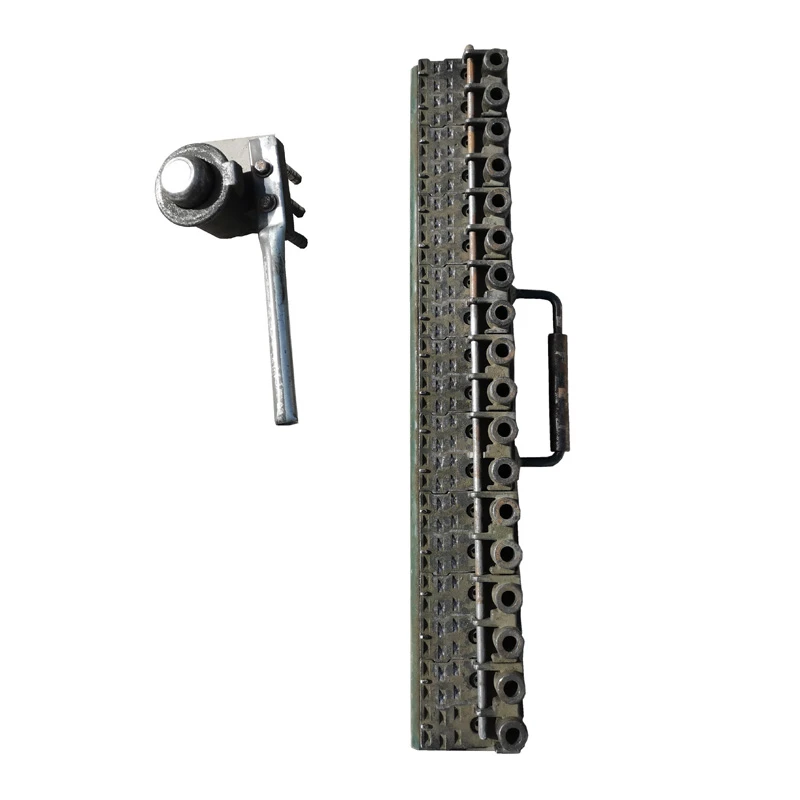
One thing I’ve noticed over time: the quality of the steel and design really makes the difference. You want conveyors made of corrosion-resistant alloys or properly treated surfaces to avoid the classic “rust trap” scenario. Plus, the modularity of the frame and ease of maintenance count for a lot, frankly.
| Specification | Details |
|---|---|
| Frame Material | Carbon Steel or Stainless Steel |
| Load Capacity | Up to 5,000 lbs per linear foot |
| Belt Width | 12" to 72" |
| Operating Temperature | -20°F to 400°F (depending on belt type) |
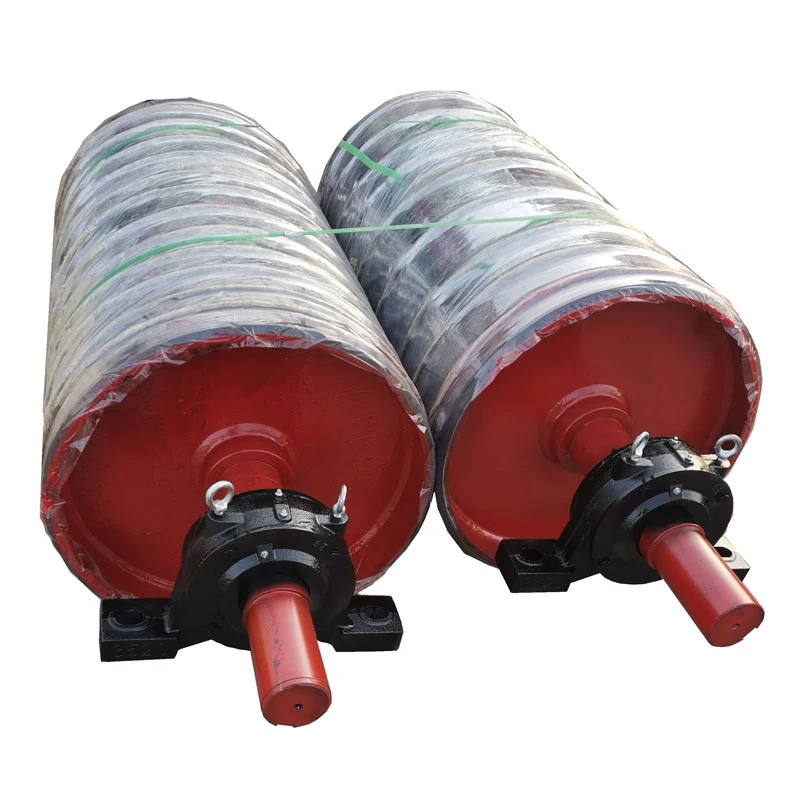
| Drive Types | Electric, Hydraulic, or Pneumatic |
| Typical Speed Range | 20 - 150 FPM (feet per minute) |
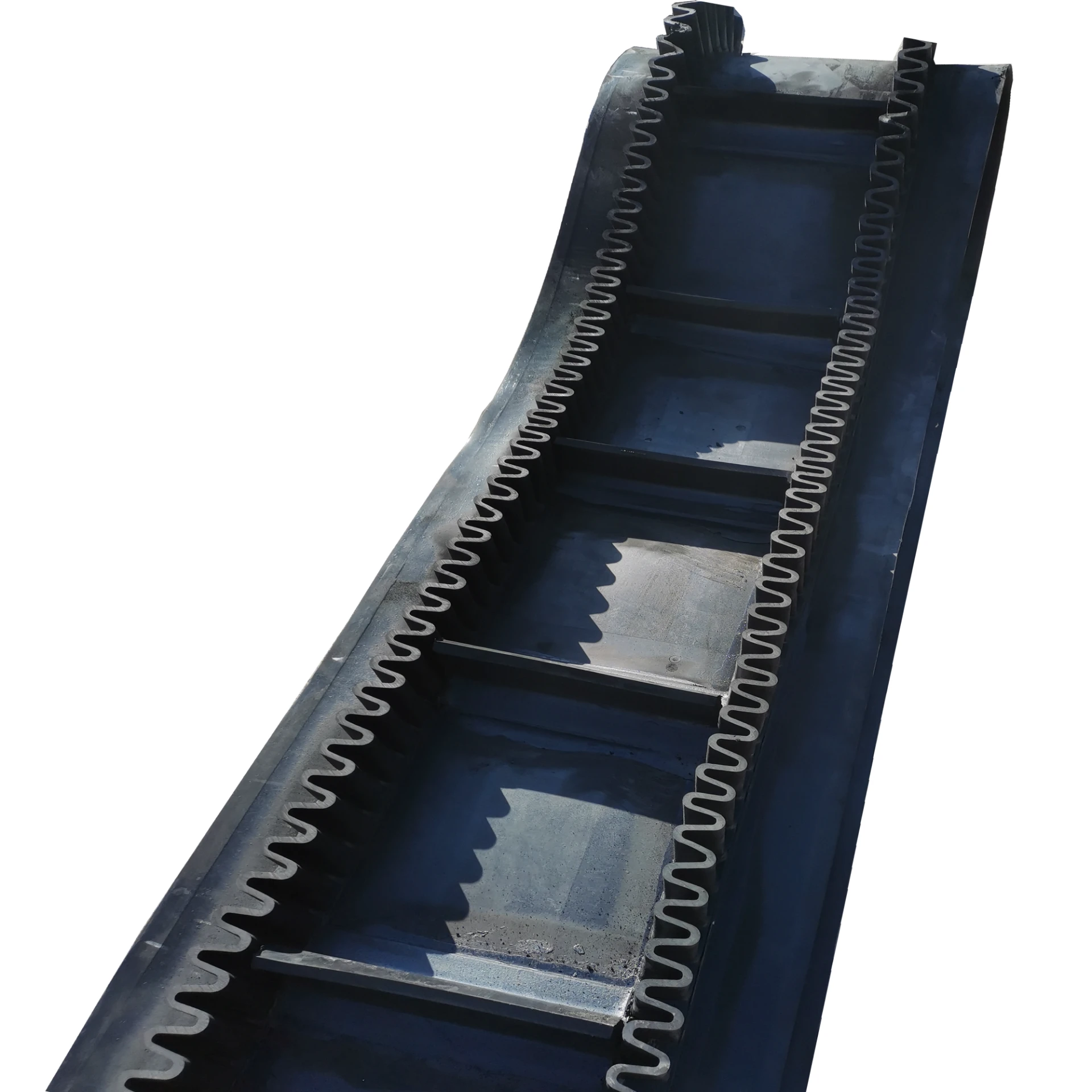
Customization is another key factor. I once worked with a client who needed a steel conveyor system capable of handling sharp metal scrap. Off-the-shelf wasn’t good enough—they wanted reinforced skirts, specialized belt coverings, and an incline that not only worked but also minimized belt slippage. The vendor’s flexibility in design was crucial; frankly, it felt more like a partnership than a sale.
Speaking of vendors, choosing the right supplier influences longevity and costs in a major way. Below is a quick vendor comparison table based on quality, customization, delivery time, and price. Keep in mind this is from years of reviewing options rather than exact ratings, but it may help as a rough guide.
| Vendor | Quality | Customization | Delivery Time | Price |
|---|---|---|---|---|
| HG Conveyor | Excellent | Highly Flexible | 4-6 weeks | Moderate |
| SteelTech Supply | Good | Limited | 6-8 weeks | Low |
| ConveyorPro | Very Good | Moderate | 5-7 weeks | High |
From my perspective, steel conveyors aren’t just about metal and belts—they’re about trusting a system designed to keep your operations moving efficiently. Oddly enough, the simpler designs often win the day, with fewer breakdowns and easier fixes.
Ultimately, if you're aiming for something tough and adaptable, a steel conveyor system is miles ahead in many industrial scenarios. I suppose it pays to invest a bit of time upfront choosing the right specs and vendor. Your production line will thank you.
One last thought: don’t overlook the importance of testing under your specific conditions before full deployment. It’s something many overlook but it can save headaches later on.
References:
1. Industry Conveyor Handbook, 2022
2. Case study notes from various plant visits, 2015-2023
3. Discussions with equipment suppliers and engineers