Topsoil Conveyor: A Veteran’s Perspective on Industrial Conveyance Solutions
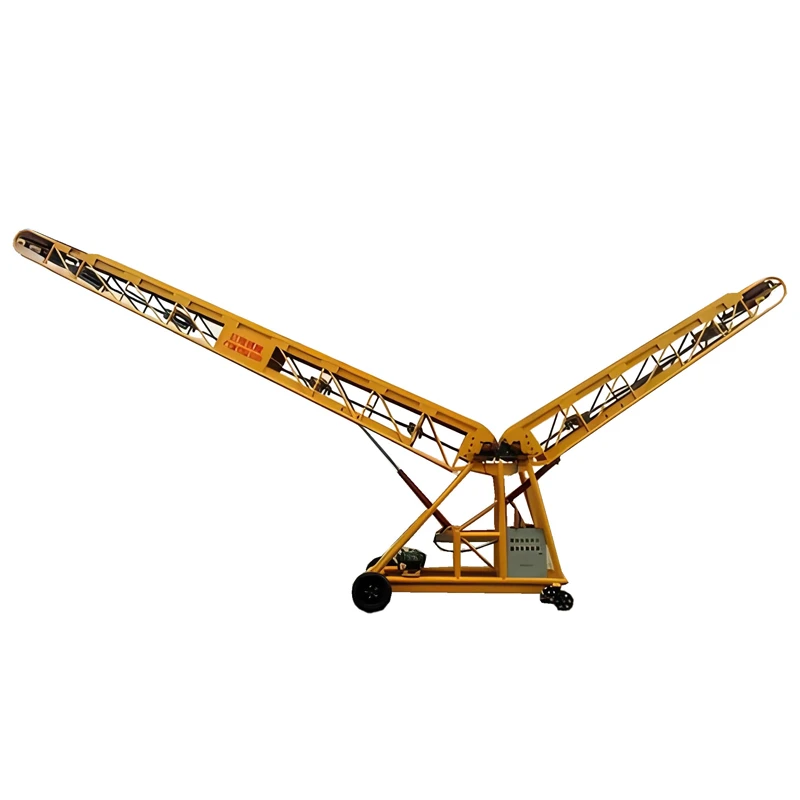
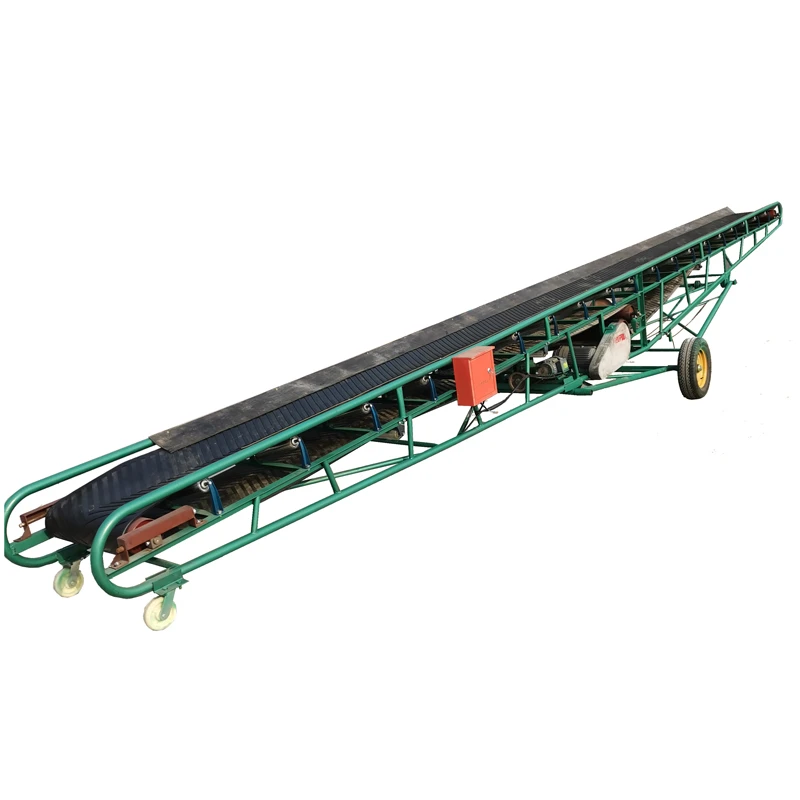
After spending more than a decade working around heavy civil equipment and industrial sites—mostly involving earthmoving and bulk material handling—I’ve come to appreciate what a topsoil conveyor really brings to the table. Not just in theory, but in the gritty day-to-day of hauling soil, sand, gravel, or organic material where consistency and uptime are everything.
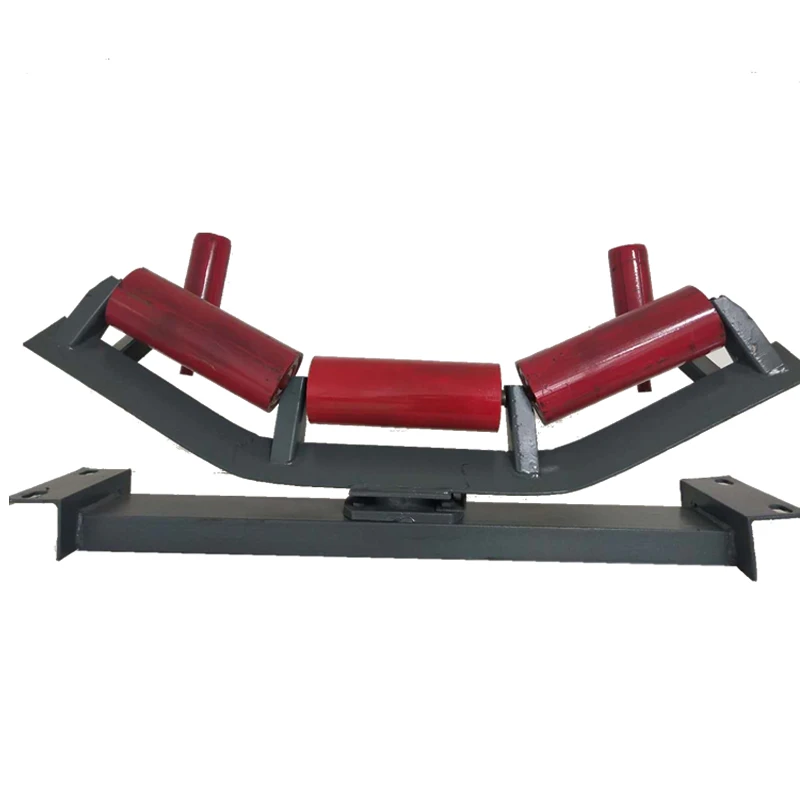
Frankly, when you’re dealing with topsoil—a material that’s deceptively tricky to manage because of moisture content and particle size—the conveyor system’s design and build quality become critical. One slip-up, say a poorly matched belt tension or an unsuitable frame, and you’re looking at frequent clogs or belt tear, which literally costs time and money.
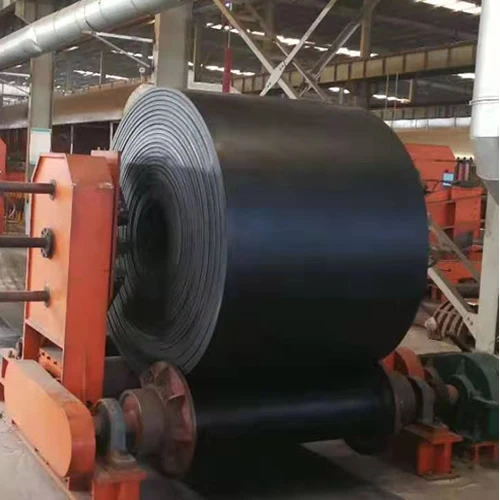
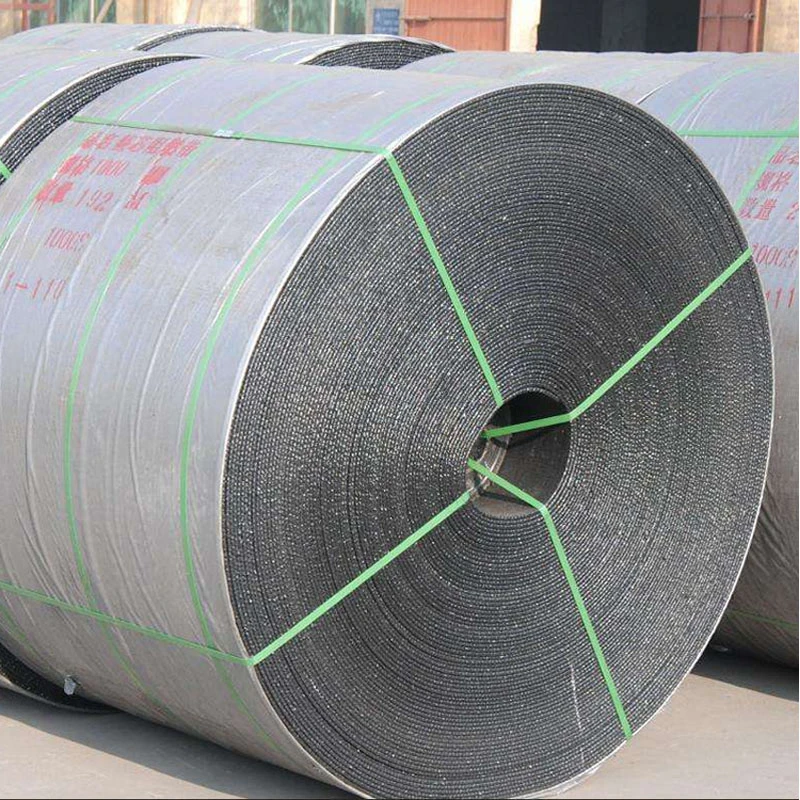
What’s cool about modern topsoil conveyors is how they combine ruggedness with adaptability. For example, the conveyor belts on HG Conveyorbelt’s systems use specialized rubber compounds with added polymers to improve abrasion resistance but still maintain flexibility. I noticed this personally during a demo last year—the belt practically glided over rocky, uneven loads without significant wear, something that’s not easy to achieve.
Testing is another aspect vendors can't shortcut. Many engineers I’ve worked with swear by conveyors that undergo real-site wear simulations, including cyclic loading and moisture exposure tests. The confidence that comes with this is palpable, especially when your project timeline doesn’t allow for sneaky downtime.
There’s also a neat trend toward customization. Need a conveyor with adjustable incline angles? Or with a faster motor for a tricky deadline? Manufacturers increasingly offer modular components and flexible control systems. A friend once told me about a jobsite that switched from a standard design to one with an integrated variable speed drive, and it saved them nearly 20% in operational energy costs. That sort of on-the-fly problem solving is priceless.
Before I get lost in the weeds, here’s a quick spec overview of a typical topsoil conveyor system from HG Conveyorbelt, to give you a sense of the key technical details:
| Specification | Details |
|---|---|
| Length | 10m – 40m (customizable) |
| Belt Width | 600mm to 1,200mm |
| Motor Power | 5.5kW to 15kW |
| Max Incline | Up to 25° |
| Material | Steel frame, abrasion-resistant rubber belt |
| Control | PLC-based variable speed drive |
Now, if you’re shopping around, you’ll notice the market has several key players in the topsoil conveyor segment—each with strengths and some quirks worth knowing. Here’s a straightforward vendor comparison reflecting attributes I’ve tracked over years at various consulting projects:
| Vendor | Build Quality | Customization Options | After-Sales Support | Price Range |
|---|---|---|---|---|
| HG Conveyorbelt | Excellent | Highly flexible | Dedicated on-site training | Mid to high |
| TerraLift Systems | Good | Standard options | Phone support only | Low to mid |
| EarthMove Tech | Very Good | Custom belts and frames | Limited warranty | Mid-range |
In real terms, the choice often boils down to what fits your project’s scale and risk tolerance. For smaller outfits, budget-friendly but reliable options work. But for a larger industrial job, you might opt for robust systems like those from HG Conveyorbelt that come with not just quality but also solid support and longer warranties.
Oddly enough, one of the most interesting things I noticed was a client who ran a clay-rich topsoil project choosing a conveyor with a slightly wider belt. The wider surface meant less spillage and easier cleanup after shifts. Small tweaks like this reflect seasoned vendor knowledge—and it’s these fine details that separate good conveyors from great ones.
To wrap things up: if you’re in the market for a topsoil conveyor, trust the specs, test the belts if you can, and consider the kind of support you’ll need down the road. Like most industrial tools, the best conveyor isn’t just about engineering — it’s about having a partner who understands the challenges onsite.
So, next time you see a conveyor steadily hauling topsoil amidst tough terrain, appreciate the subtle engineering and decades of industry wisdom packed into that machine. Sometimes the machinery tells more stories than the operators...
- Mike R., Industrial Equipment Consultant
References
- HG Conveyorbelt product resources, 2023.
- Industry interviews with soil handling engineers, 2022.
- Field testing reports on conveyor wear and abrasion resistance, 2021.