Understanding Conveyor Roller Guides: Why They Matter
After working a long while in the industrial equipment sector—especially with conveyor systems—I've come to appreciate the seemingly humble conveyor roller guide. They quietly support the entire conveyor operation, yet a lot of folks tend to overlook just how vital these guides are for smooth running lines. I remember a job where improperly chosen guides caused more downtime than expected; it was a costly lesson in precision.
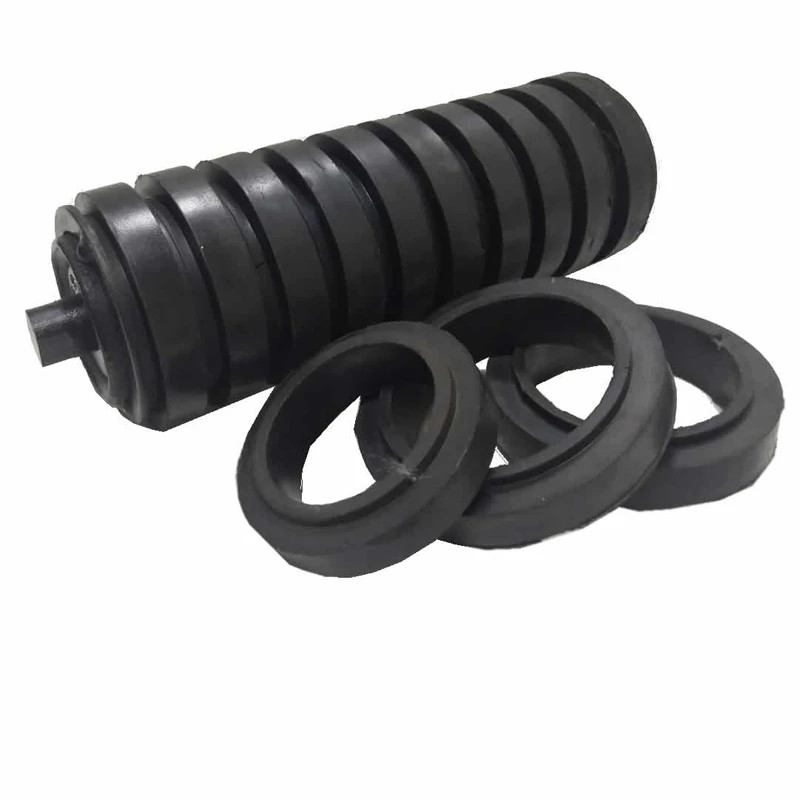
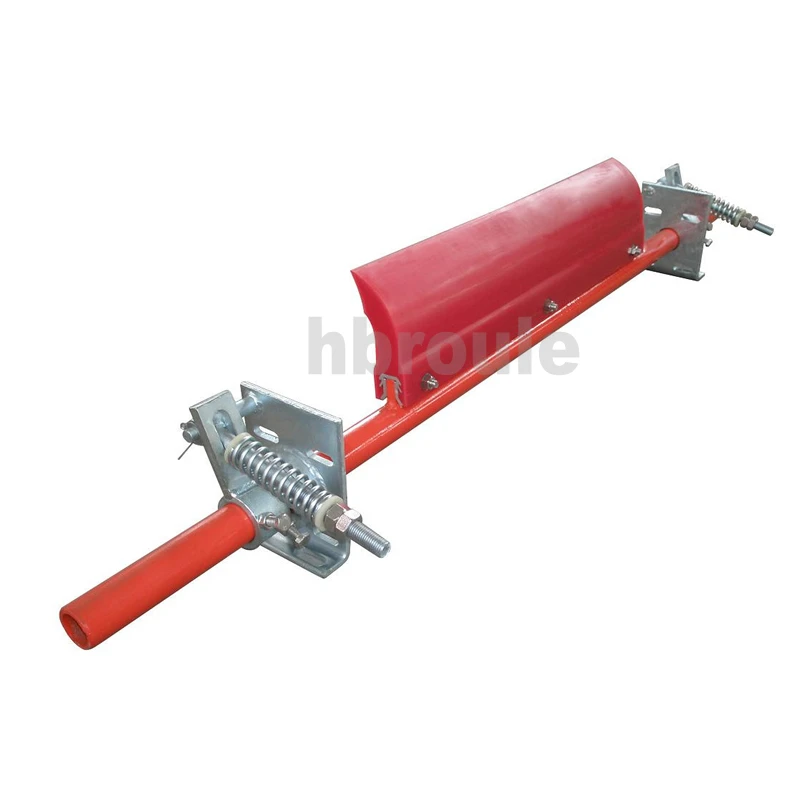
Conveyor roller guides are what keep your rollers aligned and your belt tracking properly. In real terms, that means less wear, fewer jams, and ultimately a longer lifespan for the whole setup. Given today’s fast-paced material handling needs, tougher environments, and greater automation demands, choosing the right roller guide isn’t just a “nice to have”—it’s crucial.
Product Design and Material Trends in Conveyor Roller Guides
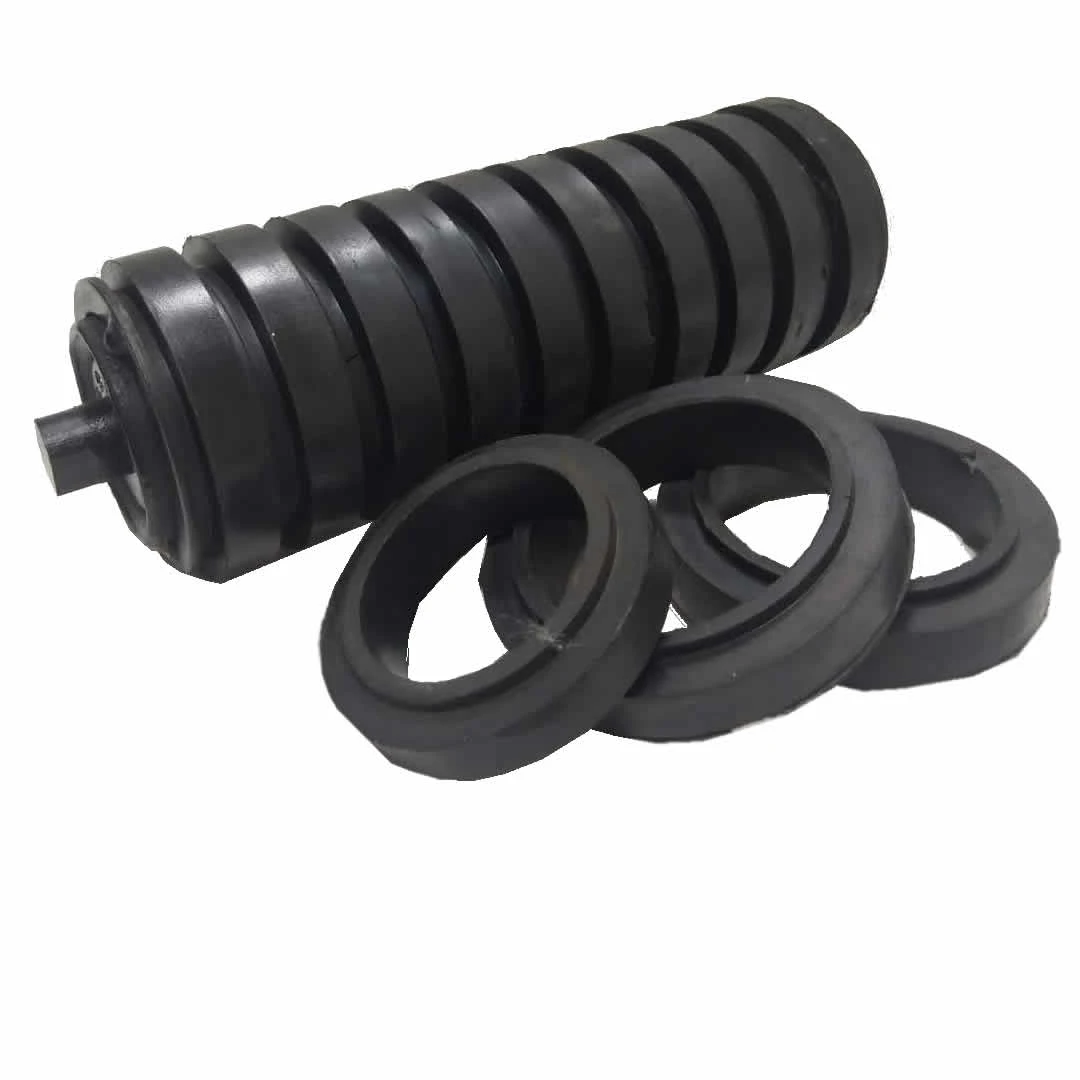
Design-wise, you want guides that not only fit your conveyor’s physical profile but can also handle the environmental stresses thrown at them. This means corrosion resistance, impact toughness, and sometimes, a little clever engineering to reduce noise. Oddly enough, I’ve noticed that many new roller guides incorporate polymer linings or wear strips which cut down friction substantially without needing constant lubrication.
Material selection varies from galvanized steel, stainless steel, to heavy-duty plastics. For some bulk conveyors handling abrasive materials, hardened steel guides can mean the difference between a few months and several years of service life. Frankly, the investment pays off when you factor in downtime costs.
| Feature | Common Range | Notes |
|---|---|---|
| Material | Galvanized Steel, Stainless Steel, Polymer | Depends on environment and load |
| Guide Length | 200mm to 1000mm | Custom lengths common |
| Width | 20mm to 50mm | Fits most roller diameters |
| Surface Finish | Powder Coated / Galvanized | Enhances longevity |
| Temperature Range | -20°C to 80°C | Higher temps need special materials |
Comparing Suppliers: What to Look For
If there’s one thing that I’ve learned, it’s that sourcing conveyor roller guides from the right supplier can save you more headaches than you might think. You want quality, yes, but also responsiveness and customization options. HG Conveyor Belt, for example, scores well here for blending competitive pricing with good lead times.
| Vendor | Lead Time (days) | Customization | Pricing Level | Notes |
|---|---|---|---|---|
| HG Conveyor Belt | 7 - 14 | High | Medium | Good support & flexible MOQ |
| ABC Materials | 10 - 20 | Medium | High | Premium grades, but pricier |
| Eastern Conveyors | 5 - 12 | Low | Low | Good for standard parts only |
Real-World Insight: When the Right Roller Guide Saved the Day
For example, one manufacturing plant I consulted on switched roller guides mid-production after repeated spillage issues. After installing guides with polymer wear strips from a trusted vendor, they noticed immediately smoother tracking with less noise — a minor upgrade that paid dividends in uptime. That’s roughly the sort of impact you want from this seemingly simple component.
And honestly, I get it—rolling up your sleeves and pondering roller guides isn’t everyone’s favorite topic. But if you spend enough time around conveyor belts, you soon realize that even minor tweaks here can save hours, if not days, of wrench time lost on the shop floor.
So next time you spec a conveyor system, don’t forget the conveyor roller guides. They’re the unsung heroes quietly making your belt run better.
Final Thoughts
Choosing the right conveyor roller guide means balancing cost, durability, and fit. Customization can be a lifesaver, especially in unique or harsh environments. Also, beware cheap knockoffs—those save pennies upfront but often cost more in downtime and repairs. Personally, I’d recommend investing a little more for a trusted vendor with proven quality and service.
In the end, the best conveyor systems don’t just rely on flashy tech or big motors—they come down to solid fundamentals, like sturdy roller guides quietly doing their job every shift.
References/Notes:
1. Industry feedback from field engineers, 2023
2. Material handling best practices, ConveyorTech Quarterly
3. Personal consulting experience, various conveyor lines, 2015–2023