Tunnel Conveyor: The Backbone of Modern Material Handling
Having spent over a decade in the industrial equipment sector, I’ve seen firsthand how tunnel conveyors quietly keep the wheels turning in factories and processing plants. When you think of conveyor systems, typical belt conveyors often spring to mind, but the tunnel conveyor is a bit of an unsung hero — especially for streamlined, space-saving, and efficient transport of bulk materials.
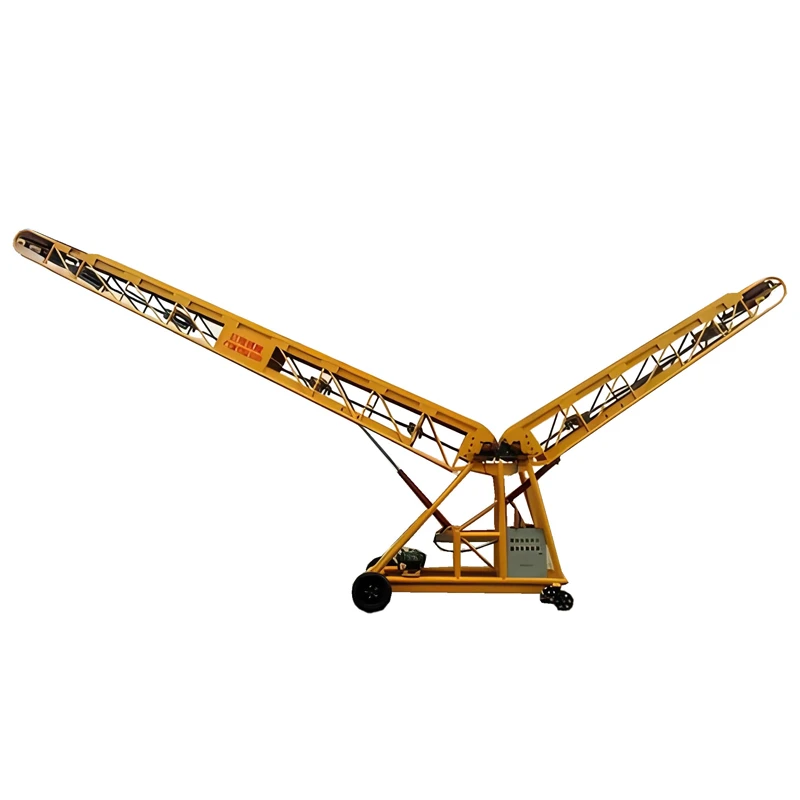
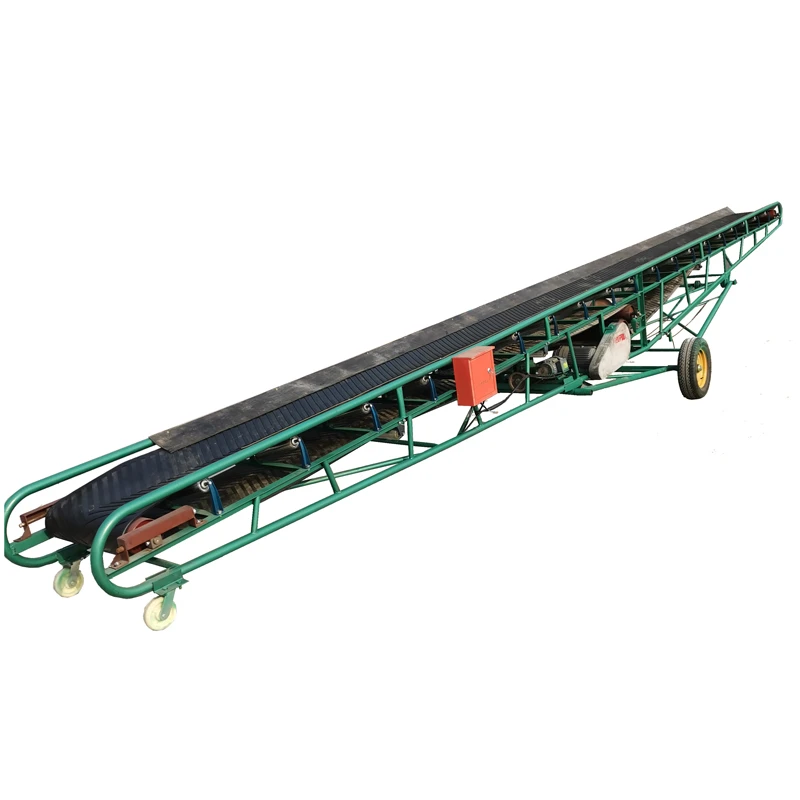
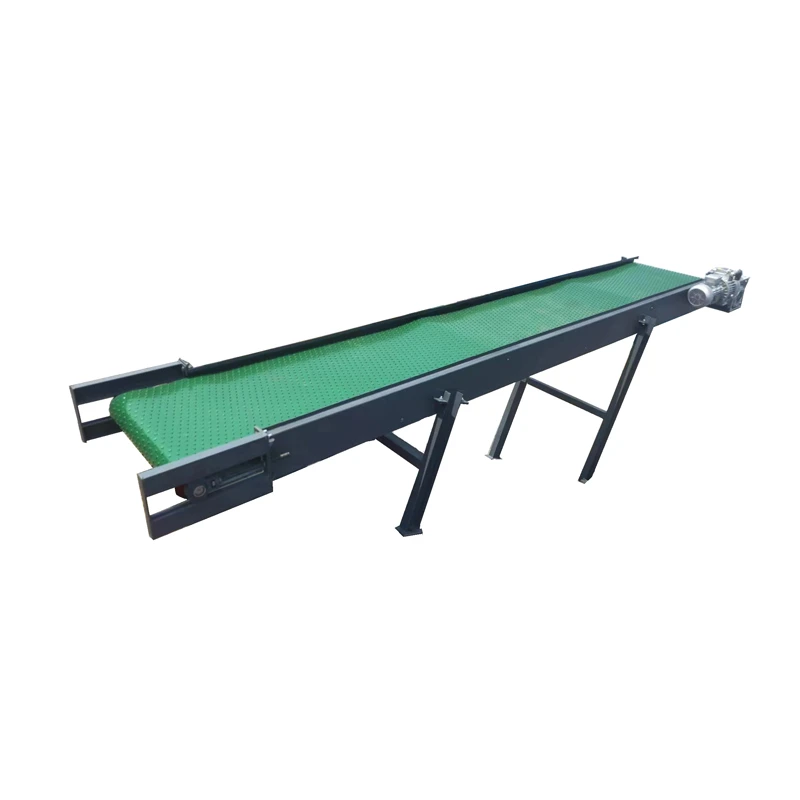
So, what exactly is a tunnel conveyor? In simple terms, it's a conveyor belt system enclosed within a tunnel or casing, designed to convey materials over varying topographies including uphill, downhill, or across tight spaces. The enclosure protects the materials from contamination, minimizes dust emissions, and often helps manage environmental factors like moisture or temperature. Honestly, if you ask many engineers, they’ll reckon tunnel conveyors balance robustness with flexibility better than open conveyors do.
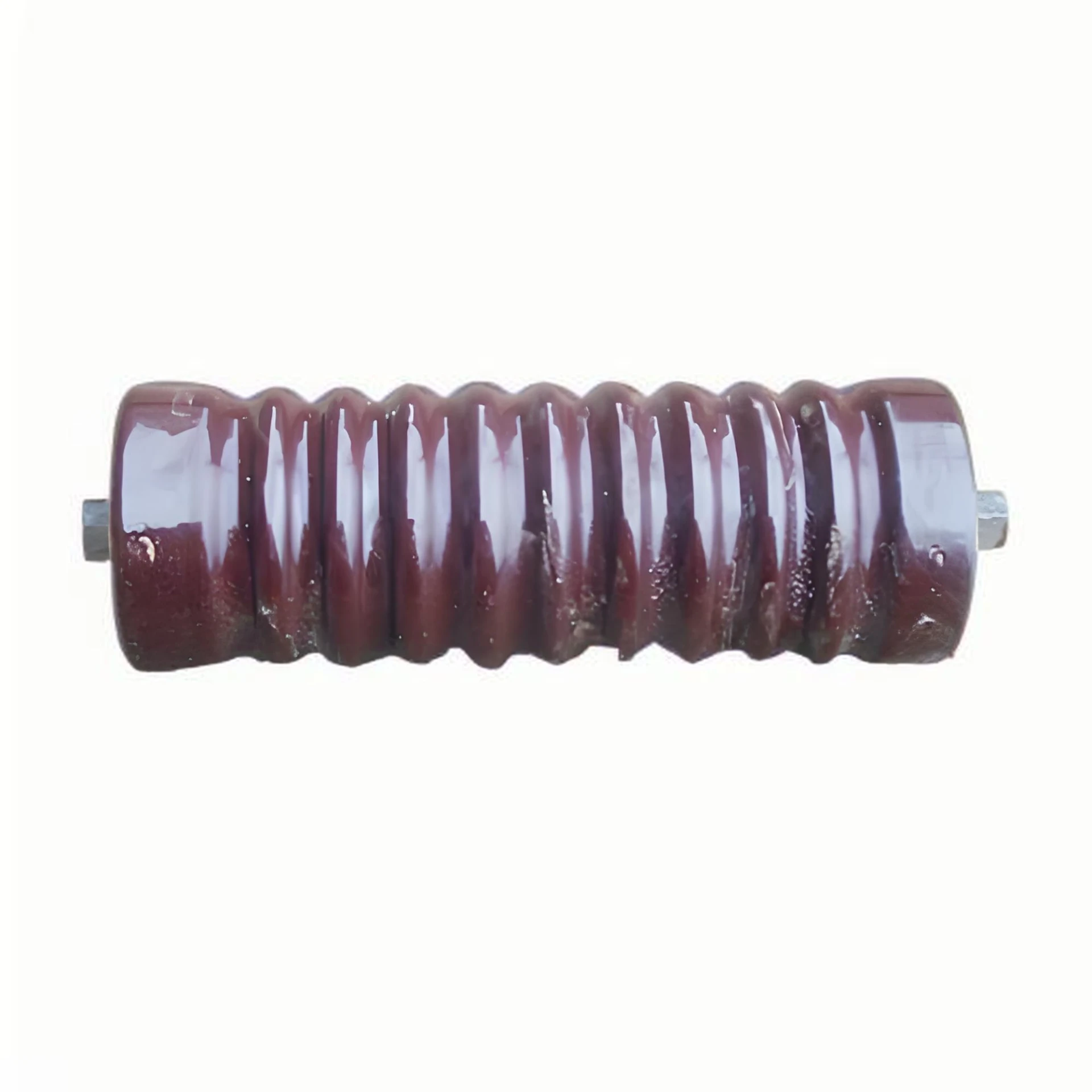
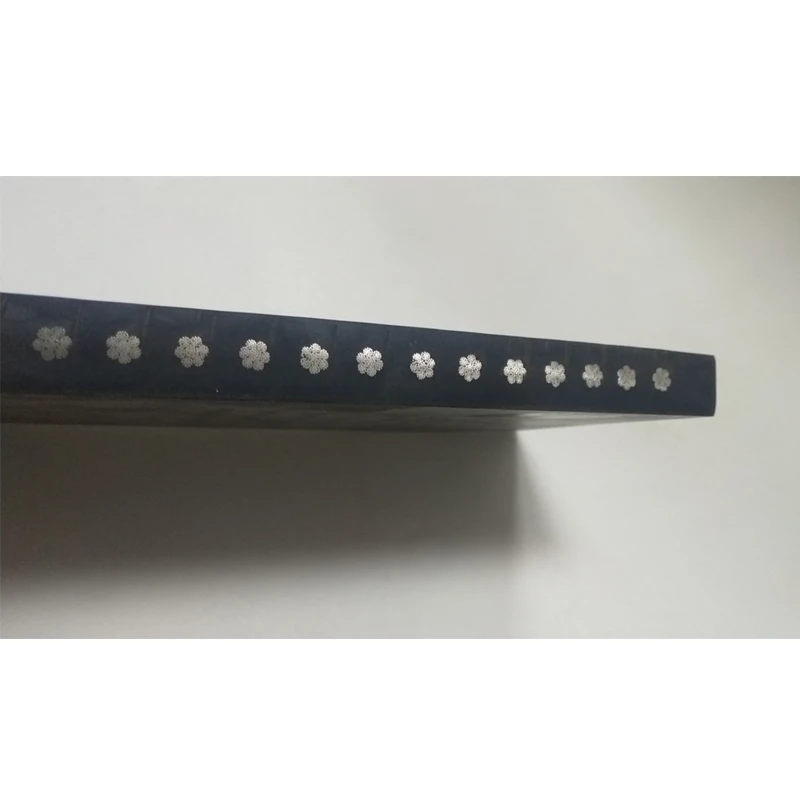
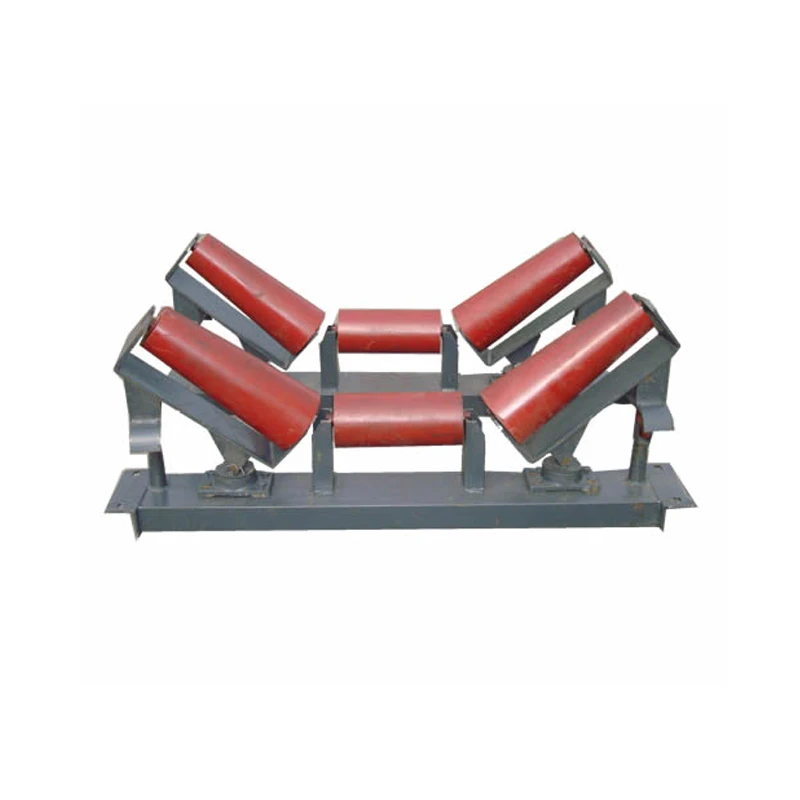
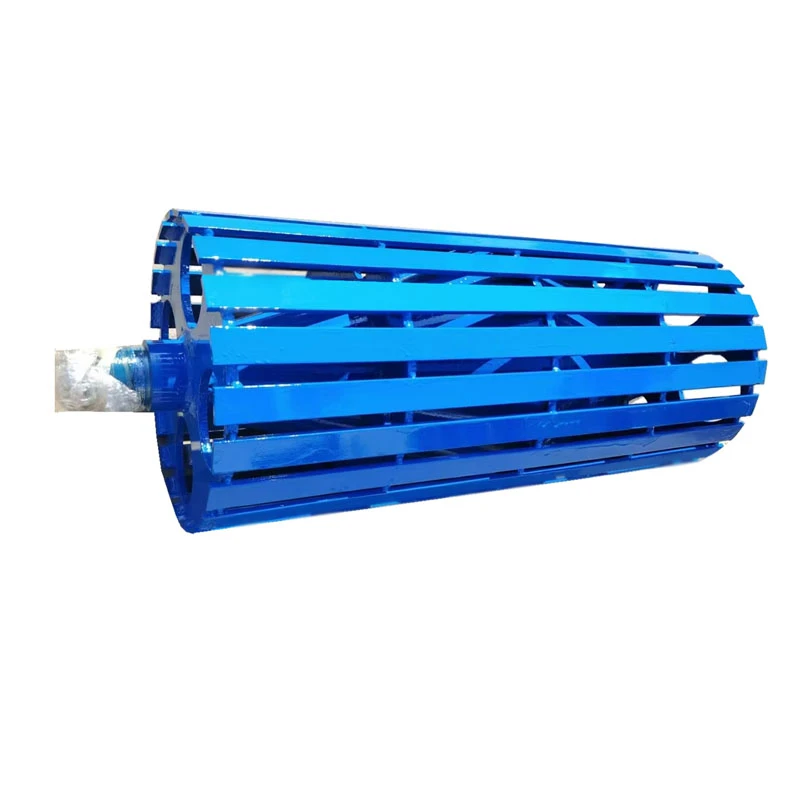
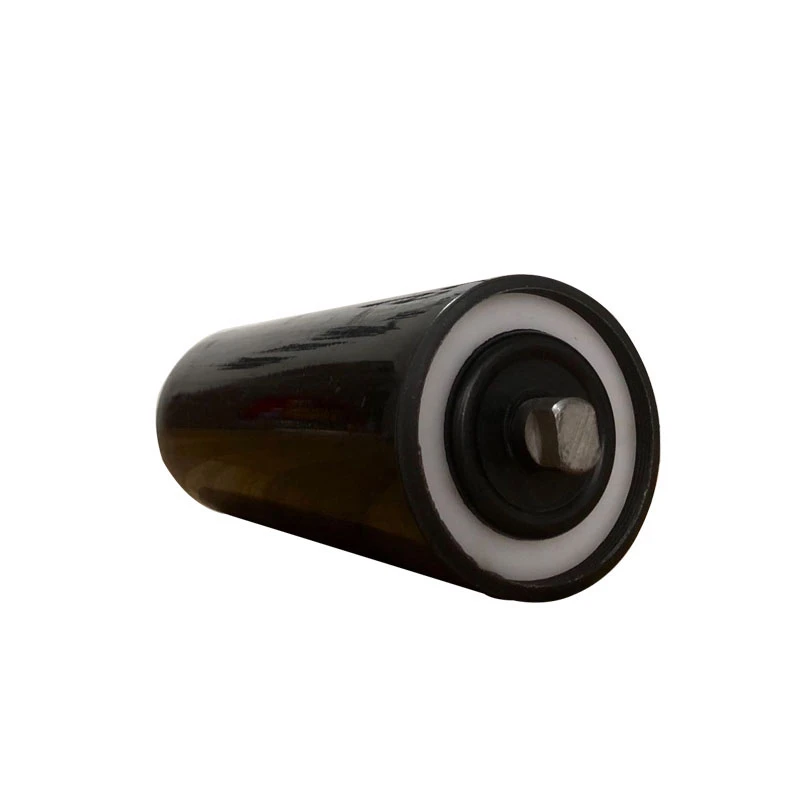
In real terms, tunnel conveyors are heavily customized. Materials range from coal and ores to foodstuffs—anything requiring protection or controlled handling. Designs typically include high-quality steel components, impact-resistant belts, and heavy-duty rollers or idlers. Over the years, I noticed companies prefer them where environmental regulations are stringent or where material loss must be kept low. Frankly, this niche makes tunnel conveyors quite essential.
Here's a quick rundown of some typical specs you’d expect from a standard tunnel conveyor setup:
| Specification | Details |
|---|---|
| Belt Width | 500 mm – 2000 mm |
| Conveying Length | Up to 1000 m (customizable) |
| Load Capacity | Up to 1,200 tons/hour |
| Operating Temperature | -20°C to 60°C |
| Material Handling | Bulk solids, packaged goods |
Oddly enough, despite the technical demands, the installation and maintenance routines for these conveyors are often straightforward—provided everything is specified properly. Many operators appreciate that tunnel conveyors cut down dust and spillage significantly, which lessens cleanup and environmental control costs. Over time, this often translates to good ROI, though you must really pay attention to belt material and tension settings; otherwise, you risk frequent breakdowns.
Now, if you’re shopping around for tunnel conveyors (trust me, I’ve chatted with many vendors), the choices can feel overwhelming. To help give a clearer picture, here’s a brief comparison of three well-known suppliers, highlighting some contrasts you might consider:
| Vendor | Customization | Lead Time | Warranty | Price Range |
|---|---|---|---|---|
| HG Conveyor Belt | Highly customizable | 4-6 weeks | 24 months | $$$ |
| ConveyTech Solutions | Standard models + some mods | 6-8 weeks | 18 months | $$ |
| Industrial Moving Co. | Limited; mainly catalog products | 2-3 weeks | 12 months | $ |
A little anecdote: I recall working with a processing plant in the Midwest that struggled with dust from traditional conveyors, which caused downtime and maintenance headaches. After switching to a tunnel conveyor supplied by HG Conveyor Belt, their dust complaints dropped dramatically, and so did their unexpected shutdowns. It still sticks with me because it’s the kind of improvement that feels simple but makes a huge difference on the shop floor.
So, if you’re weighing your options for handling bulk materials carefully and efficiently, the tunnel conveyor deserves a good, hard look. It’s not just about moving stuff from A to B; it’s about doing it cleanly, reliably, and in a way that fits your site like a glove. But remember—like any industrial gear—specification, installation, and ongoing care remain key.
In closing, I suppose the takeaway is this: tunnel conveyors blend practicality with precision. They’re not flashy, but they get the job done—and as someone who’s been on the floor, that’s worth a lot.
References:
1. Industry Equipment Insider, “Conveyor Trends in 2023”
2. HG Conveyor Belt Tech Manuals, 2022 edition
3. My personal field notes from multiple industrial site visits, 2015-2023