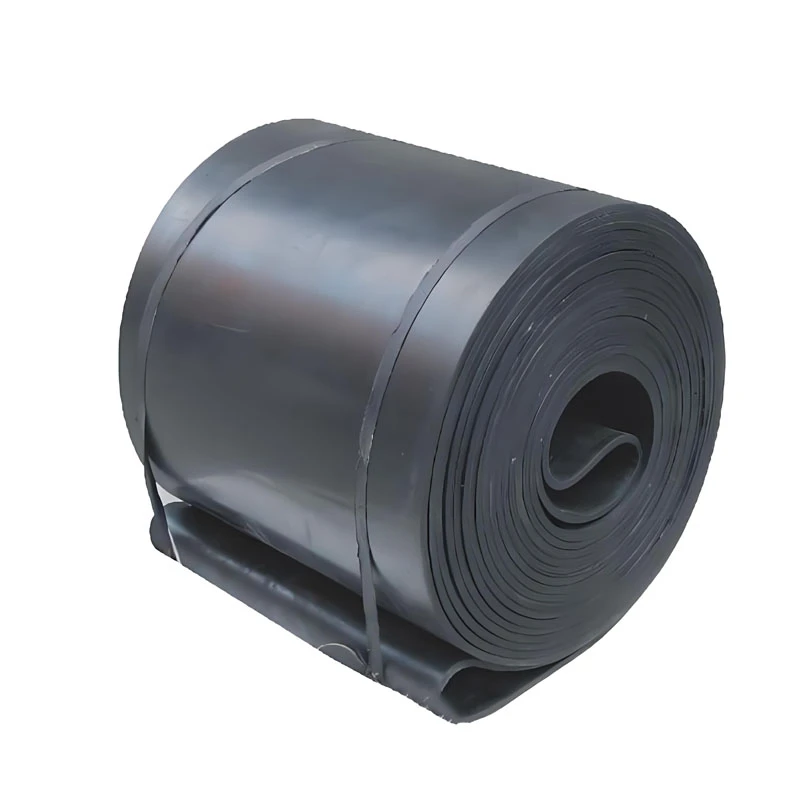
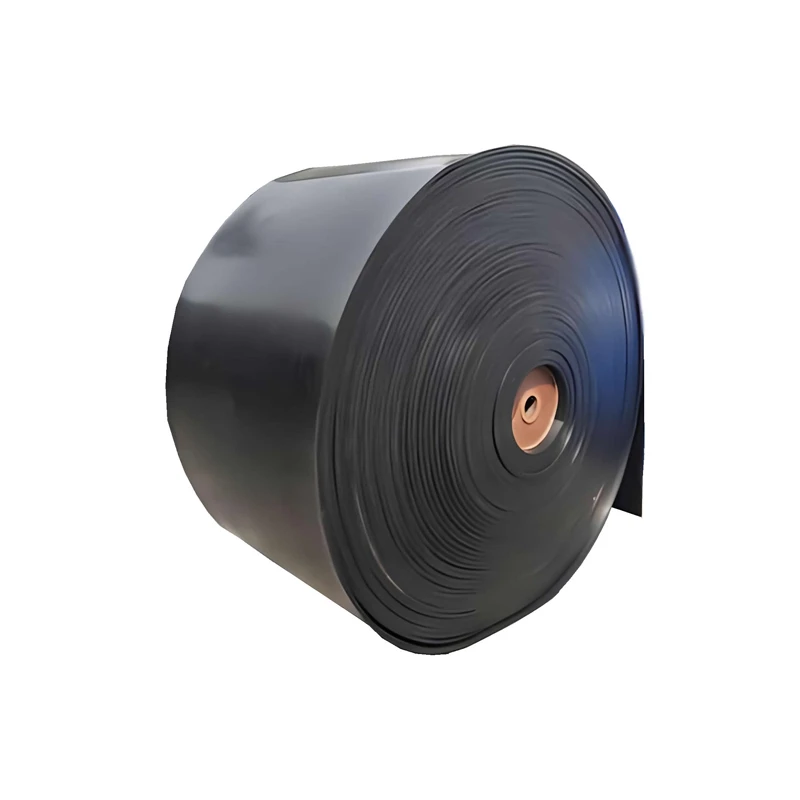
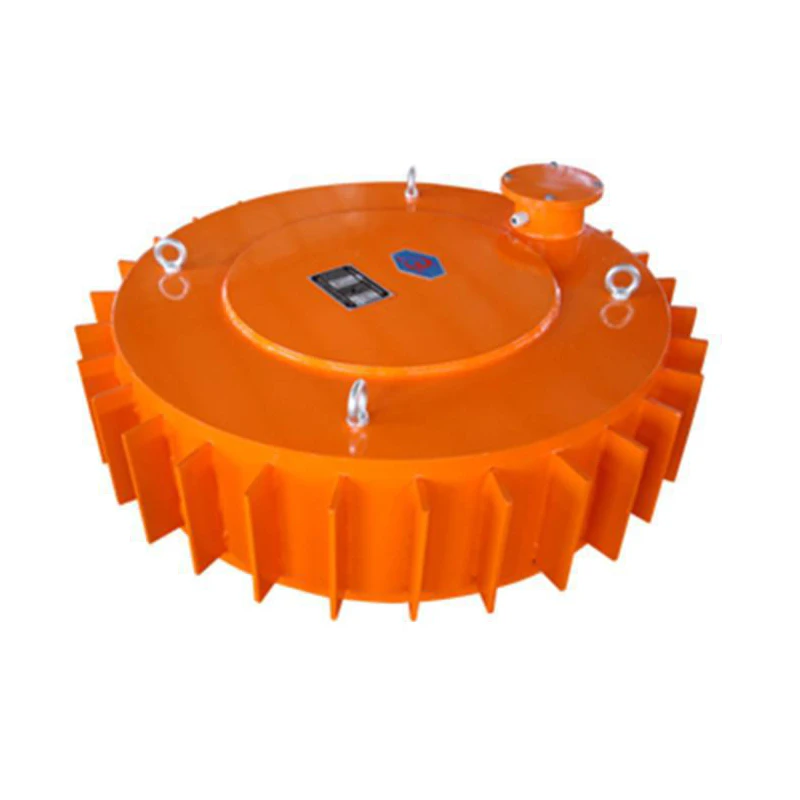
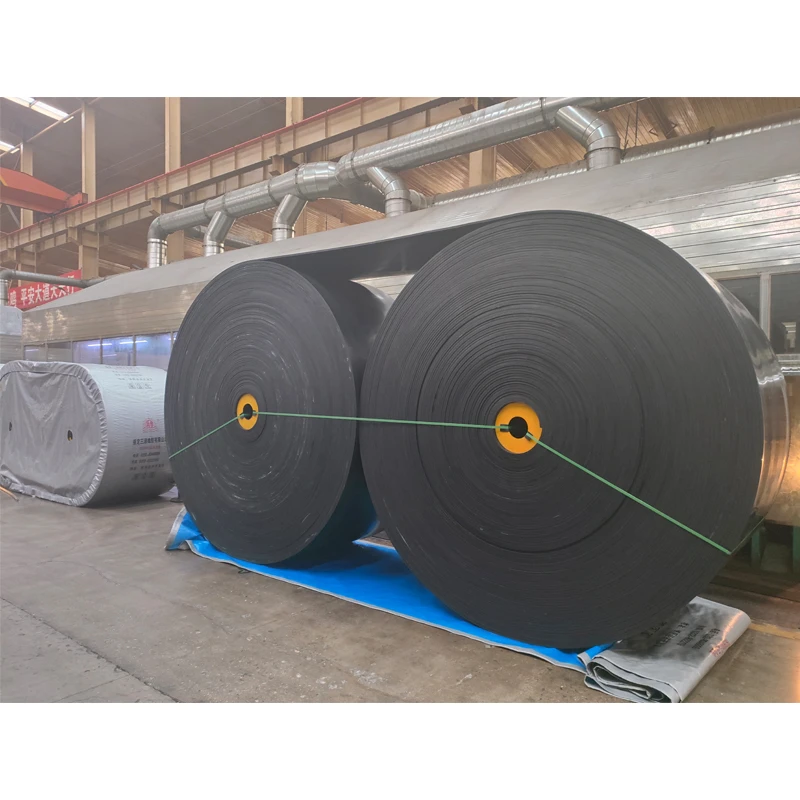
Portable Rock Conveyors is a key solution in the industry, specifically within mining, construction, and aggregate processing sectors. This article explores how https://www.hgconveyorbelt.com supports professionals with durable, high-performance products, and explains why this product is an ideal choice for businesses in these sectors.
Table of Contents
- Portable Rock Conveyors Overview
- Benefits & Use Cases of Portable Rock Conveyors
- Cost, Maintenance & User Experience
- Sustainability & Market Trends
Portable Rock Conveyors Overview
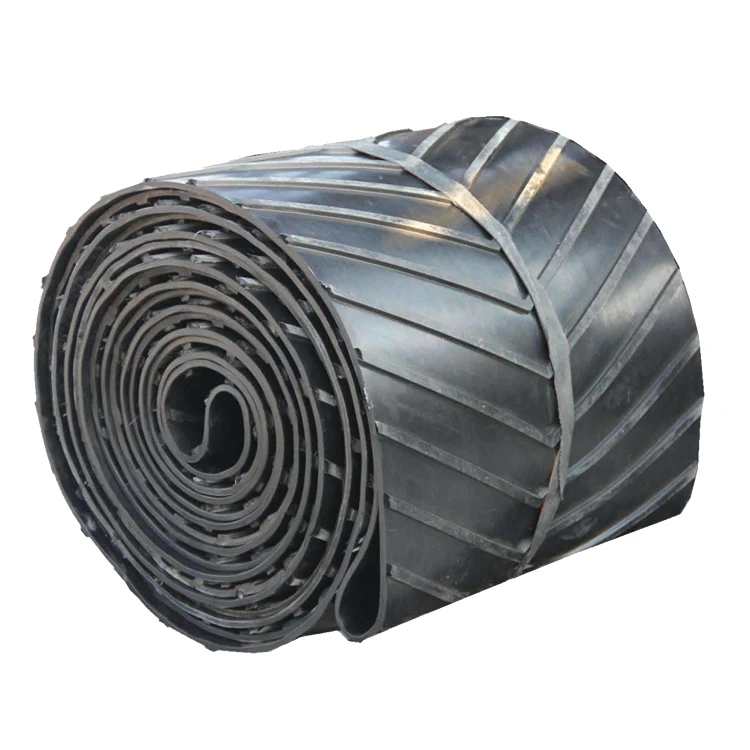
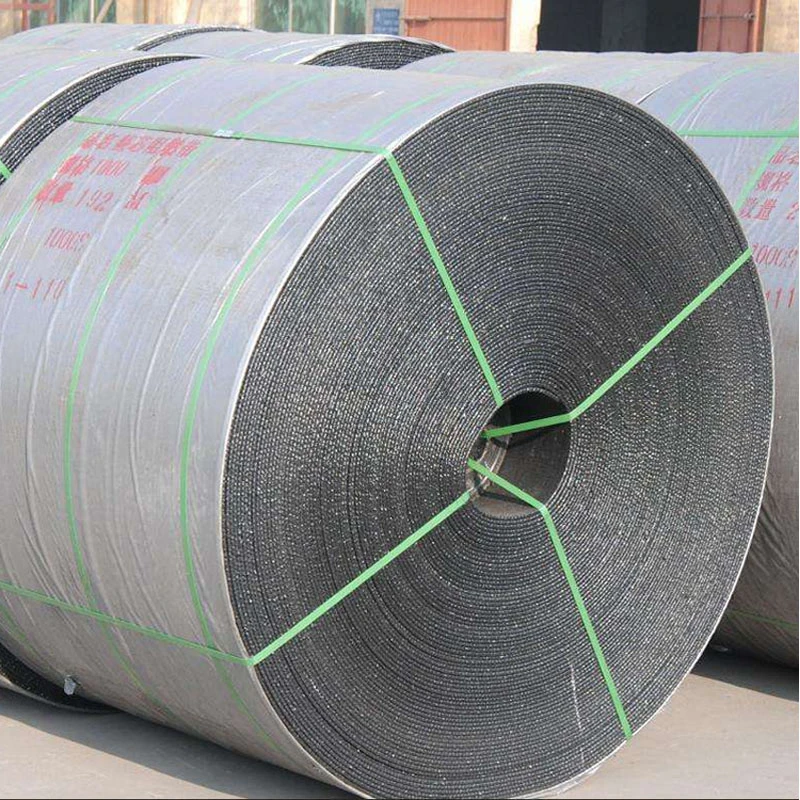
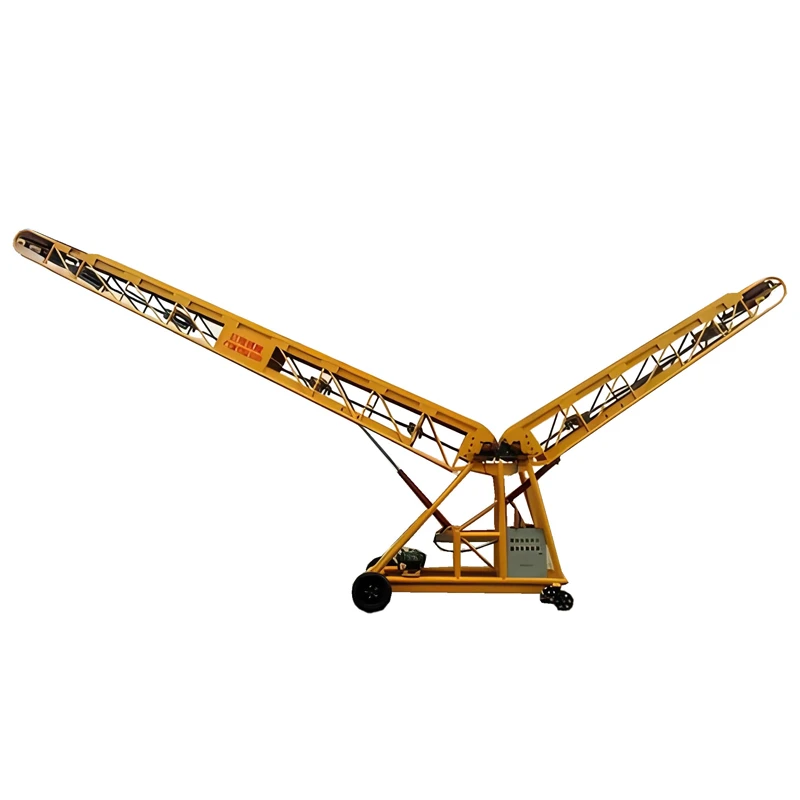
Simply put, Portable Rock Conveyors are mobile conveyor systems designed to transport rock, gravel, and other aggregate materials efficiently around work sites with uneven terrain. They have become indispensable in industries like mining and construction, where the ability to quickly relocate equipment can save time and money. What I find particularly interesting is how these conveyors marry rugged design with adaptability—kind of like the Swiss Army knives of bulk material handling.
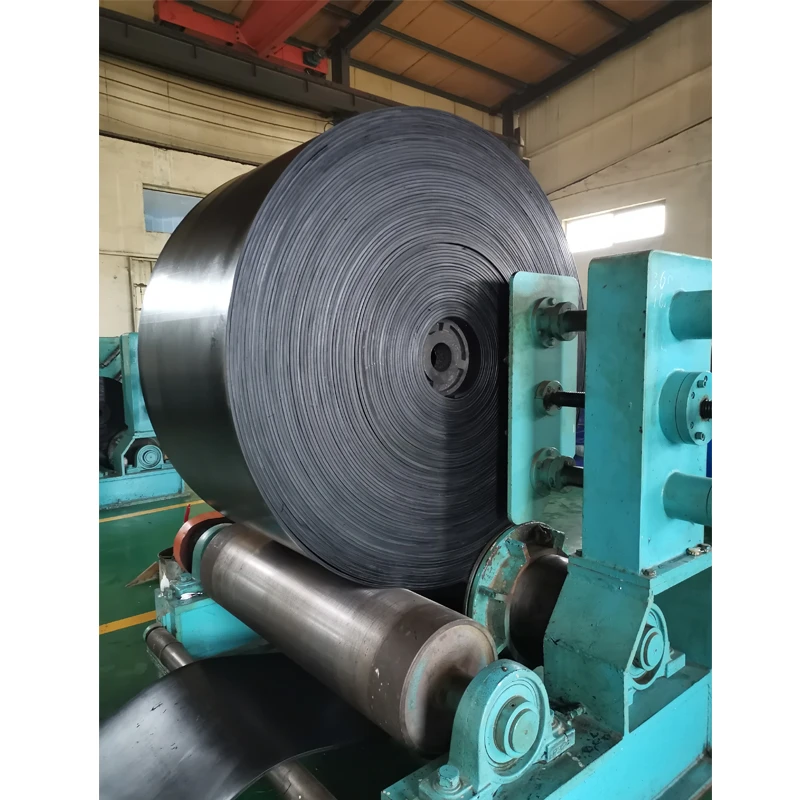
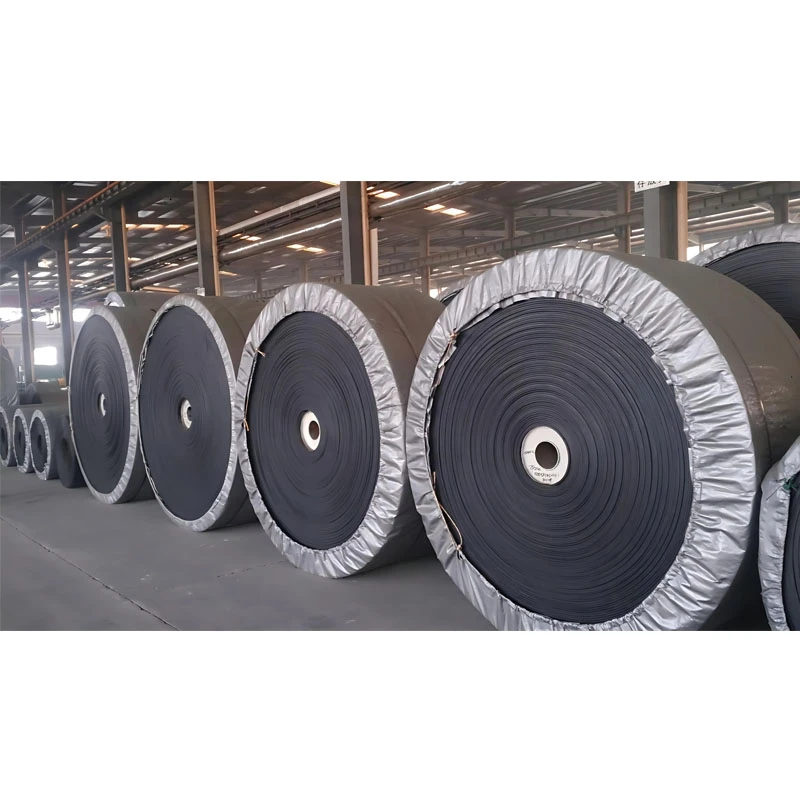
- Essentially, these conveyors feature heavy-duty belts capable of handling abrasive materials and high loads, powered by reliable engines or electric motors.
- Typical specs from HG Conveyorbelt include belt widths from 18 to 48 inches and lengths varying between 20 and 60 feet, often with adjustable incline angles for versatile deployment.
| Specification | Value |
|---|---|
| Belt Width | 18" - 48" |
| Belt Length | 20' - 60' |
| Material Capacity | Up to 400 tons/hour |
| Power Source | Diesel / Electric |
| Adjustable Incline | 0° - 18° |
Benefits & Use Cases of Portable Rock Conveyors
What’s quite compelling here is how these conveyors take the hassle out of moving materials across sites. In mining, they expedite rock hauling from extraction points to crushers or stockpiles without the usual dependence on trucks or loaders. Construction teams appreciate the flexibility when shifting between projects, cutting setup time dramatically.
- Applications range from quarry operations to demolition debris removal, and even landfill material redistribution.
- Notably, HG Conveyorbelt’s Portable Rock Conveyors boast robust frames and wear-resistant belts, helping reduce downtime in harsh conditions.
Cost, Maintenance & User Experience
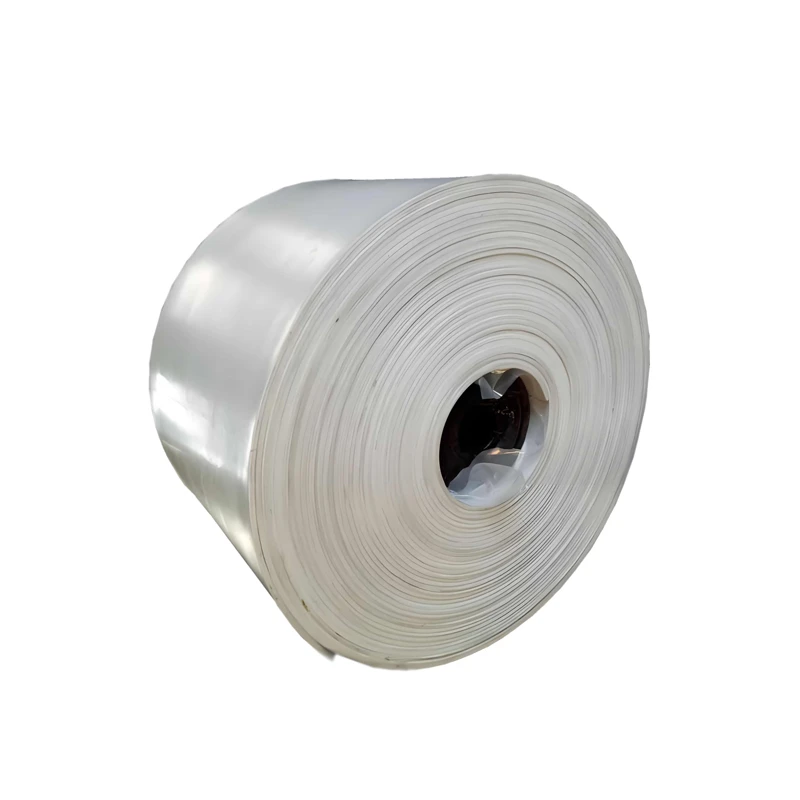
The total cost of ownership is where things get interesting. Investing in reliable Portable Rock Conveyors means cutting back on fuel and labor costs linked to trucks. Plus, the lifespan often exceeds expectations thanks to premium materials, like vulcanized rubber belts that are sometimes hard to fault. Clients I chatted with frequently highlight the low maintenance footprint as one of the best perks — which frankly seems to push ROI ahead in no time.
- Monthly preventive maintenance is minimal when you follow manufacturer guidelines.
- Users often mention the intuitive controls and quick assembly as key advantages in daily operations.
| Vendor | Price Range | Warranty | Lead Time |
|---|---|---|---|
| HG Conveyorbelt | $$$ (competitive) | 1 year comprehensive | |
| Other Asian Brands | $$ (budget) | 6 months limited | |
| Western Manufacturers | $$$$ | 2 years premium |
Sustainability & Market Trends
Sustainably speaking, Portable Rock Conveyors are a notable step forward because they often reduce the need for heavy diesel trucks, lowering greenhouse gas emissions on site. Industry regulations are tightening in many countries, meaning equipment that helps meet emission targets has a clear competitive spot. It’s also fascinating how manufacturers keep innovating — like integrating electric drives and solar assist systems — making these conveyors more energy-efficient and green-friendly.
- The market is growing steadily, driven by infrastructure demands around the globe.
- Many businesses are implementing these conveyors as part of broader sustainability pledges aiming for operational excellence.
Frequently Asked Questions about Portable Rock Conveyors
- What is Portable Rock Conveyors and how does it work?
- Portable Rock Conveyors are mobile conveyor belt systems that transport rocks and aggregate materials efficiently. They work by moving materials along a heavy-duty belt powered by an engine or motor, allowing materials to be moved across uneven or shifting terrain with ease.
- What are the main benefits of using Portable Rock Conveyors in industrial applications?
- Key benefits include enhanced operational flexibility, reduced reliance on haul trucks, lower fuel consumption, and faster material handling. Additionally, durability and ease of maintenance improve overall cost-effectiveness and uptime.
- How does Portable Rock Conveyors compare to traditional alternatives?
- Compared to traditional haul trucks or fixed conveyors, Portable Rock Conveyors offer mobility, quicker deployment, and lower operating costs. Technological advances mean better control systems and energy-efficient designs, making them more user-friendly and environmentally conscious.
- What industries can benefit most from Portable Rock Conveyors implementation?
- Mining, quarrying, construction, and landfill management are primary sectors benefiting from portable conveyors. These systems excel where materials need to be moved across challenging or temporary sites reliably and safely.
Conclusion on Portable Rock Conveyors from china
All considered, Portable Rock Conveyors offer a compelling mix of durability, operational flexibility, and cost efficiency that can transform material handling workflows, especially in rugged industries. For businesses keen on optimizing their operations while safeguarding sustainability goals, these conveyors from trusted vendors like those at HG Conveyorbelt deserve close attention. Curious? Visit our website: https://www.hgconveyorbelt.com.
Oddly enough, when you really dig into it, portable conveyors blend engineering smarts with real-world practicality — that’s why they’re a quiet hero in the industry. For further reading, check out:
1. Industry Mining Reports 2023
2. Sustainable Construction Journal, April 2024
3. HG Conveyorbelt Product Manuals & User Testimonials