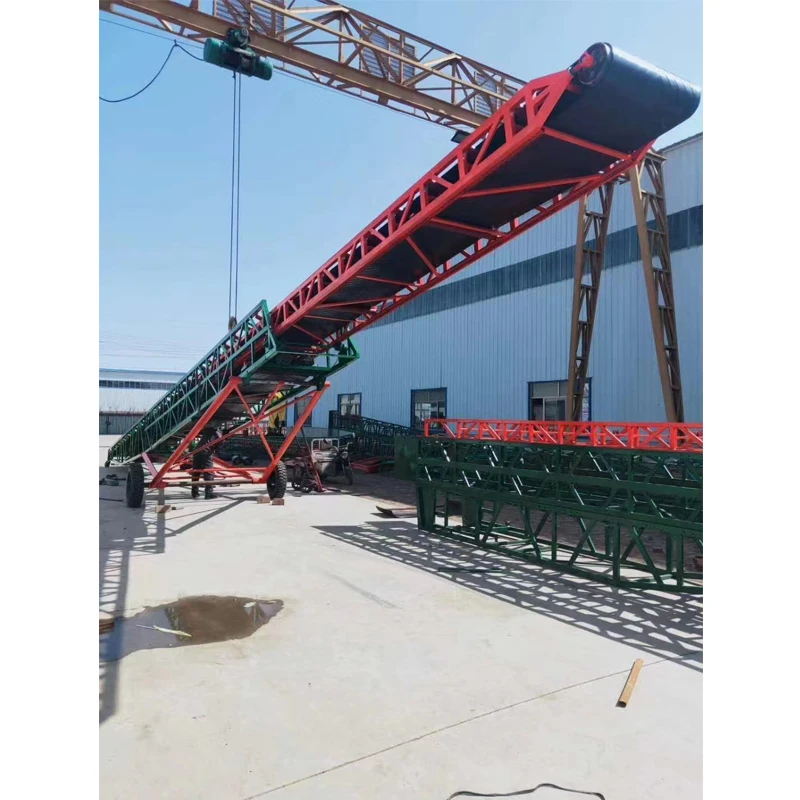
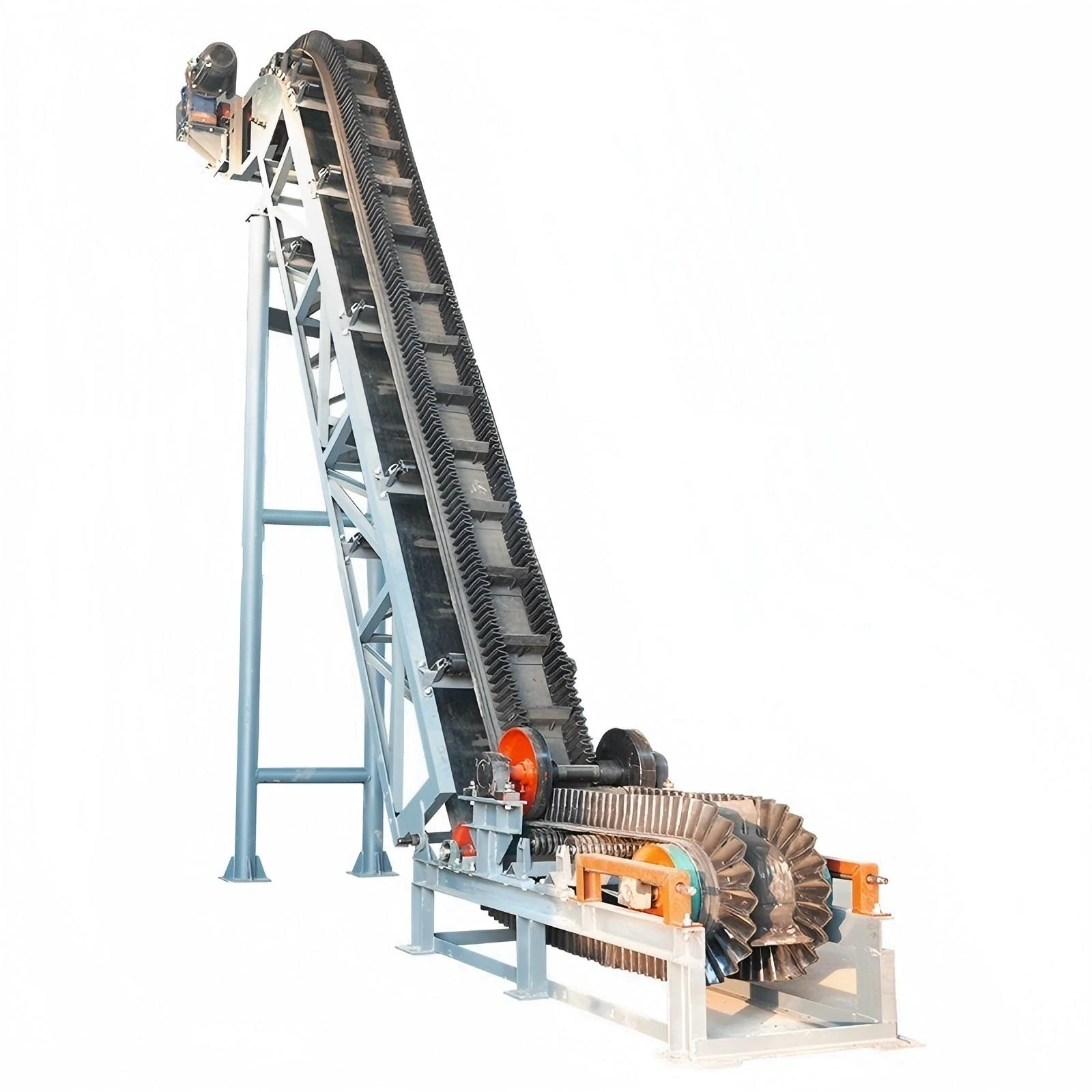
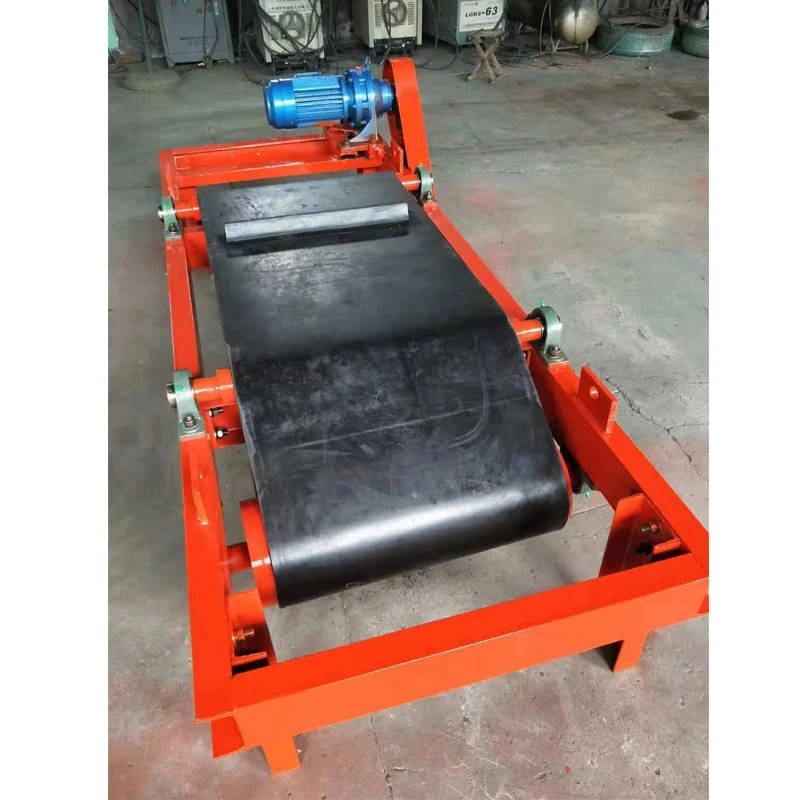
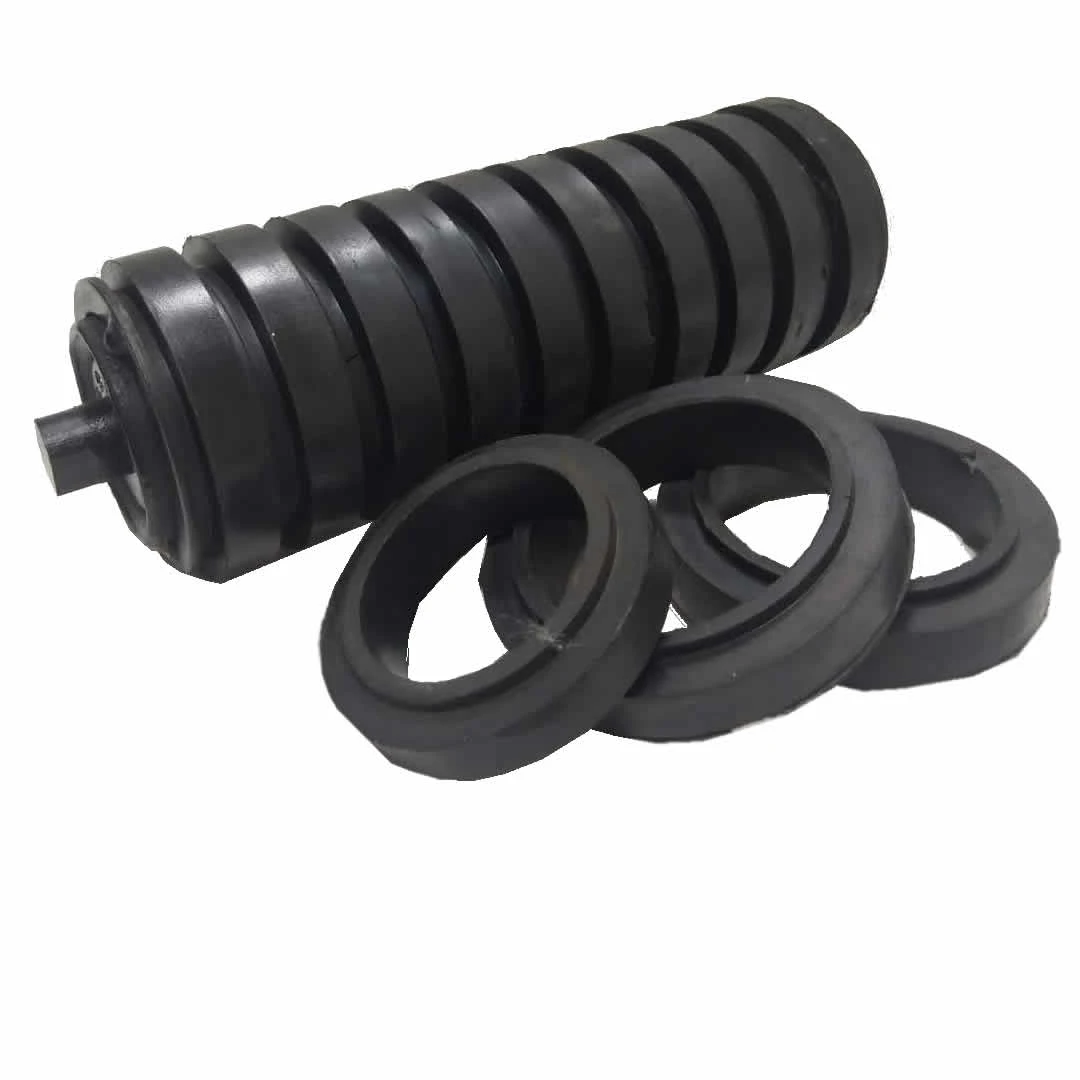
Small Grain Conveyor is a key solution in the industry, specifically within sectors that handle bulk materials such as agriculture, food processing, and feed production. This article explores how https://www.hgconveyorbelt.com supports professionals with durable, high-performance products, and explains why this product is an ideal choice for businesses in these sectors.
Table of Contents
- Small Grain Conveyor Overview
- Benefits & Use Cases of Small Grain Conveyor
- Cost, Maintenance & User Experience
- Sustainability & Market Trends
- Frequently Asked Questions about Small Grain Conveyor
- Conclusion on Small Grain Conveyor from China
Small Grain Conveyor Overview
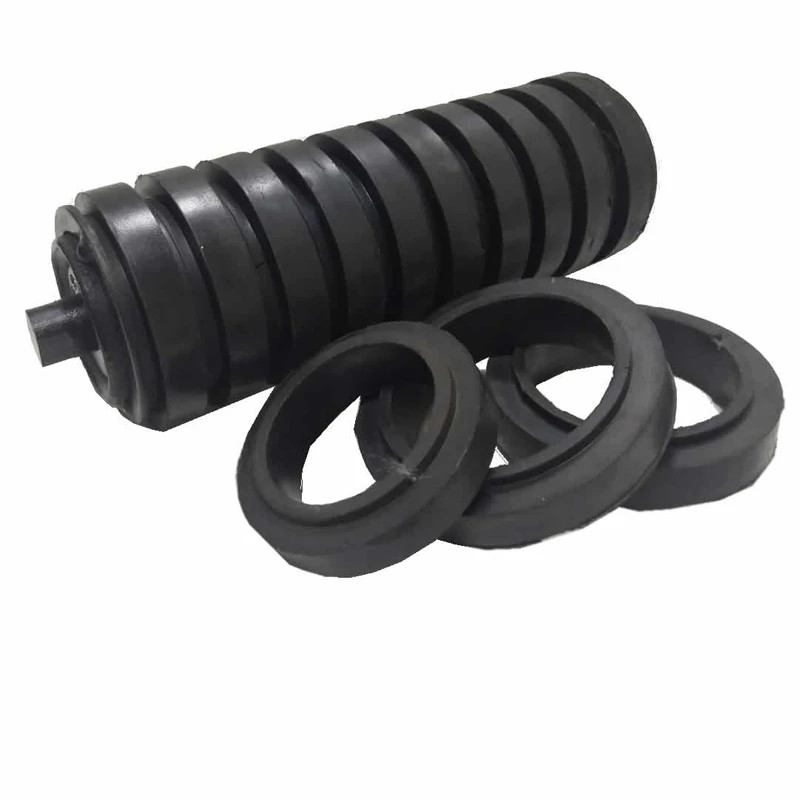
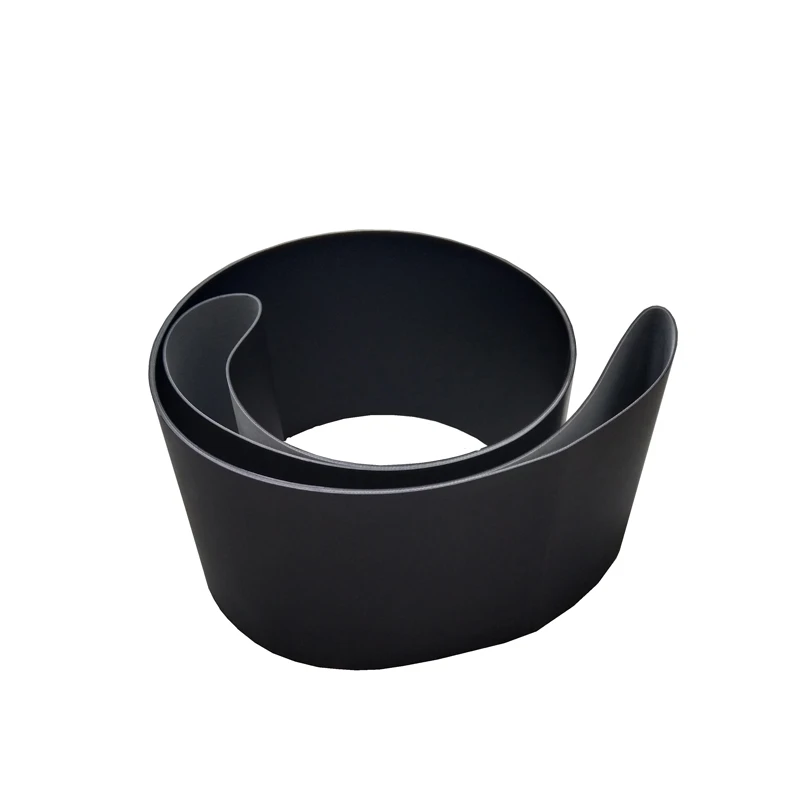
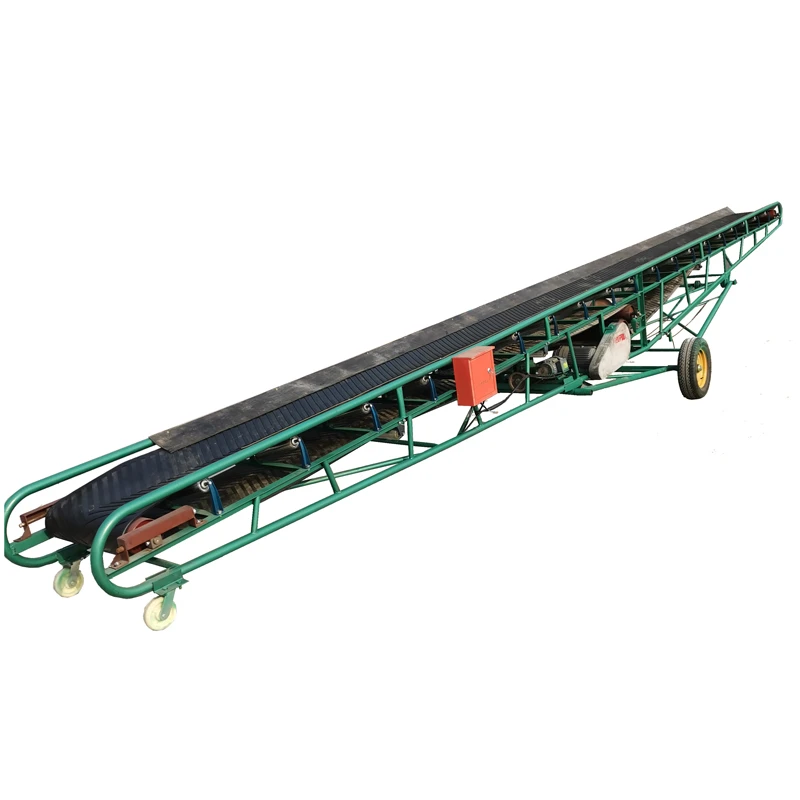
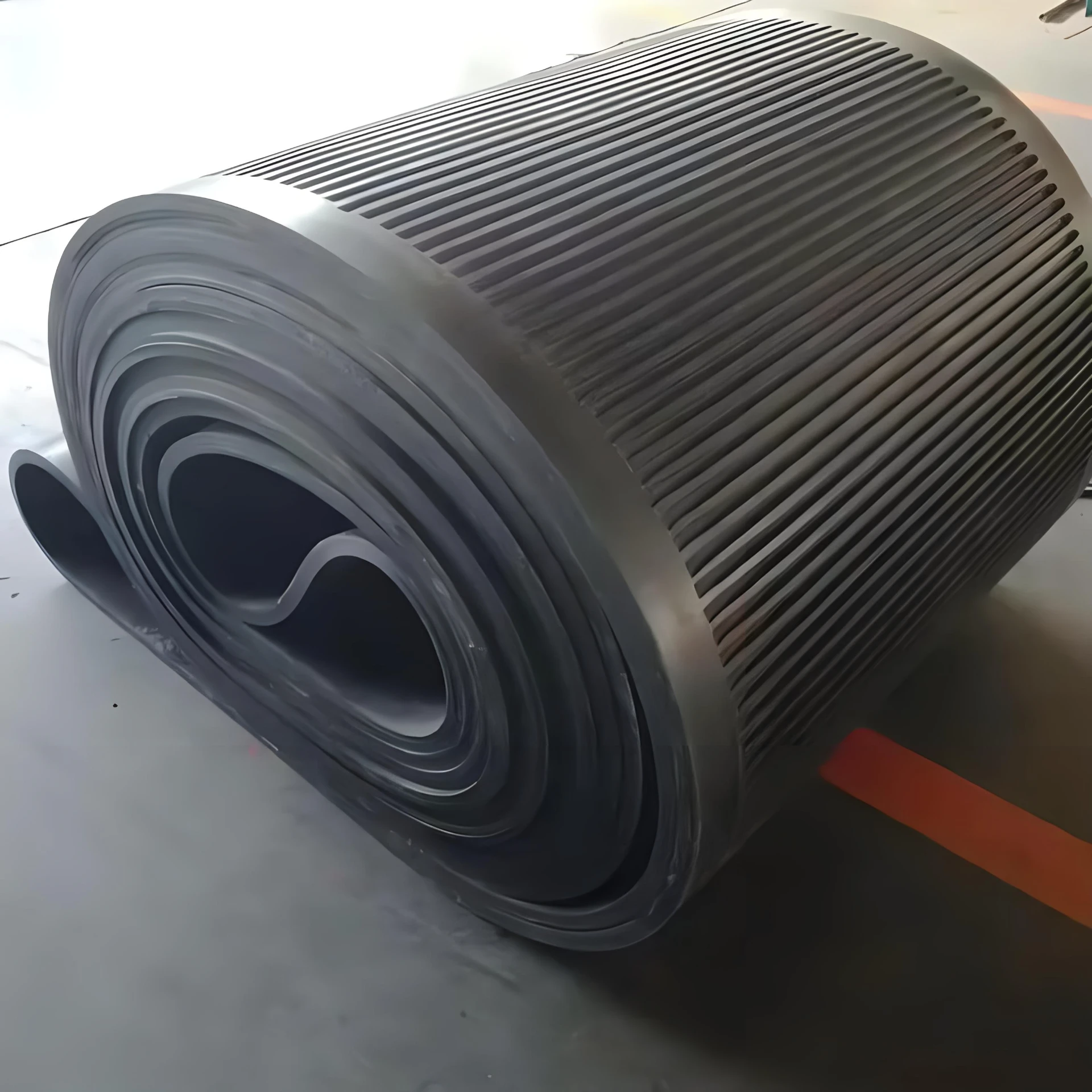
Simply put, a Small Grain Conveyor is a specialized conveyor belt system designed to efficiently move small-sized granulated materials—think grains, seeds, pellets, or even powdered feed—without spillage or damage. It’s kind of the unsung hero of many industrial processes: reliable, durable, and built for precision handling. Now, the folks at HG Conveyor Belt have been refining these conveyors with high-quality materials aimed at long service life and consistent performance.
- These conveyors typically feature abrasion-resistant, low-friction belts that prevent material waste.
- For instance, HG conveyor belts use multi-ply polyester and nylon fabric reinforcement combined with synthetic rubber to balance strength and flexibility, perfect for grains' delicate handling.
| Spec | Detail |
|---|---|
| Belt Width | 500 mm – 2000 mm (customizable) |
| Load Capacity | Up to 1000 kg/m |
| Material | PVC, PU with multi-ply reinforcement |
| Temperature Range | -20°C to 70°C |
| Surface Texture | Smooth or cleated options available |
Benefits & Use Cases of Small Grain Conveyor
The applications for small grain conveyors are numerous, especially in industries where small granular materials need careful handling. I suppose one of the biggest benefits is the way these conveyors minimize product loss and provide controlled transport — whether moving wheat kernels on a farm or fragile pellets in a feed mill.
- In agriculture, the conveyors streamline grain transfer during harvesting and storage, reducing manual labor and contamination risks.
- Food processing plants appreciate their food-grade specification belts that comply with hygiene standards.
- Their design often incorporates features like anti-static surfaces and adjustable speed controls, giving an edge over traditional bulk conveyors.
Oddly enough, many engineers have told me the capacity to customize the belts for slip resistance or heat resistance really pushes these conveyors ahead in tight production environments.
Cost, Maintenance & User Experience
When it comes to cost, there’s always that balance between upfront investment and ongoing expenses. With small grain conveyors, the total cost of ownership typically favors businesses due to the belts’ longevity and low maintenance needs.
- Durability is often proven by years of industrial use, especially in abrasive environments.
- Companies report improved ROI thanks to reduced downtime and fewer replacements.
User feedback across sectors highlights the ease of installation and customization that HG Conveyor provides. Frankly, it feels like they really listen to what users need — from belt tension adjustments to quick cleaning options, which frankly improve operational efficiency quite a bit.
| Feature | HG Conveyor Belt | Competitor A | Competitor B |
|---|---|---|---|
| Customization Options | High (width, texture, materials) | Moderate | Low |
| Durability | 10+ years tested | 7-8 years | 5-6 years |
| Hygienic Standards | Food-grade certified | Partial | No |
| Price Level | Mid-range | Low | High |
Sustainability & Market Trends
Sustainability is no longer just a buzzword in the conveyor industry; it’s a defining factor of product development. Small grain conveyors today are expected to comply with stricter environmental and safety regulations. HG Conveyor’s adoption of materials that are recyclable and designed for long life helps businesses reduce waste and energy consumption.
- New initiatives focus on reducing microplastic risk by using PU belts over PVC where possible.
- The global conveyor belt market is growing, driven mainly by expanding agricultural and food industries, especially in Asia-Pacific.
Frankly, it’s encouraging to see how suppliers like HG Conveyor are blending performance with responsibility — it makes selection feel like a future-proof investment.
Frequently Asked Questions about Small Grain Conveyor
- What is Small Grain Conveyor and how does it work?
- A Small Grain Conveyor is a conveyor belt system designed to move small particles like grains or pellets gently and efficiently. It works by running a reinforced belt—usually made from specialized materials—over pulleys, transporting materials from one point to another with minimal spillage or damage.
- What are the main benefits of using Small Grain Conveyor in industrial applications?
- The main benefits include reduced material loss, improved handling efficiency, lower labor costs, and increased product integrity. Additionally, food-grade and abrasion-resistant design often ensures compliance with industry standards.
- How does Small Grain Conveyor compare to traditional alternatives?
- Compared to conventional bulk conveyors, Small Grain Conveyors offer better control for delicate materials, customization options for different conditions, and typically longer lifespan due to advanced materials and construction methods.
- What industries can benefit most from Small Grain Conveyor implementation?
- Industries such as agriculture, food processing, feed manufacturing, and chemicals frequently use Small Grain Conveyors. These sectors require precise, gentle handling of granular materials to maintain quality and safety.
Conclusion on Small Grain Conveyor from China
To sum up, Small Grain Conveyor systems from reliable suppliers like HG Conveyor Belt offer tremendous value by combining robust engineering, customization, and sustainability. For businesses in the grain, food, and related industries, investing in these conveyors can lead to smoother operations, cost savings, and a greener footprint.
- If you want to explore durable, cost-effective conveyors designed for small grains, it’s worth checking out more at https://www.hgconveyorbelt.com
Sometimes, the smallest components carry the greatest weight in industrial success stories. In the case of small grain conveyors, that’s absolutely true.
References:
1. Industry Reports on Conveyor Belts, Statista 2023
2. HG Conveyor Belt Product Catalog, 2024 Edition
3. Agricultural Machinery Insights, “Trends in Grain Handling,” 2023