Transport Conveyor: The Backbone of Efficient Material Handling
After more than a decade navigating the twists and turns of industrial equipment—primarily in transportation and packaging lines—I can say one thing for sure: the humble transport conveyor often gets underrated. Yet, it's really the silent hero for many factories and warehouses, moving goods steadily and safely with minimal fuss.
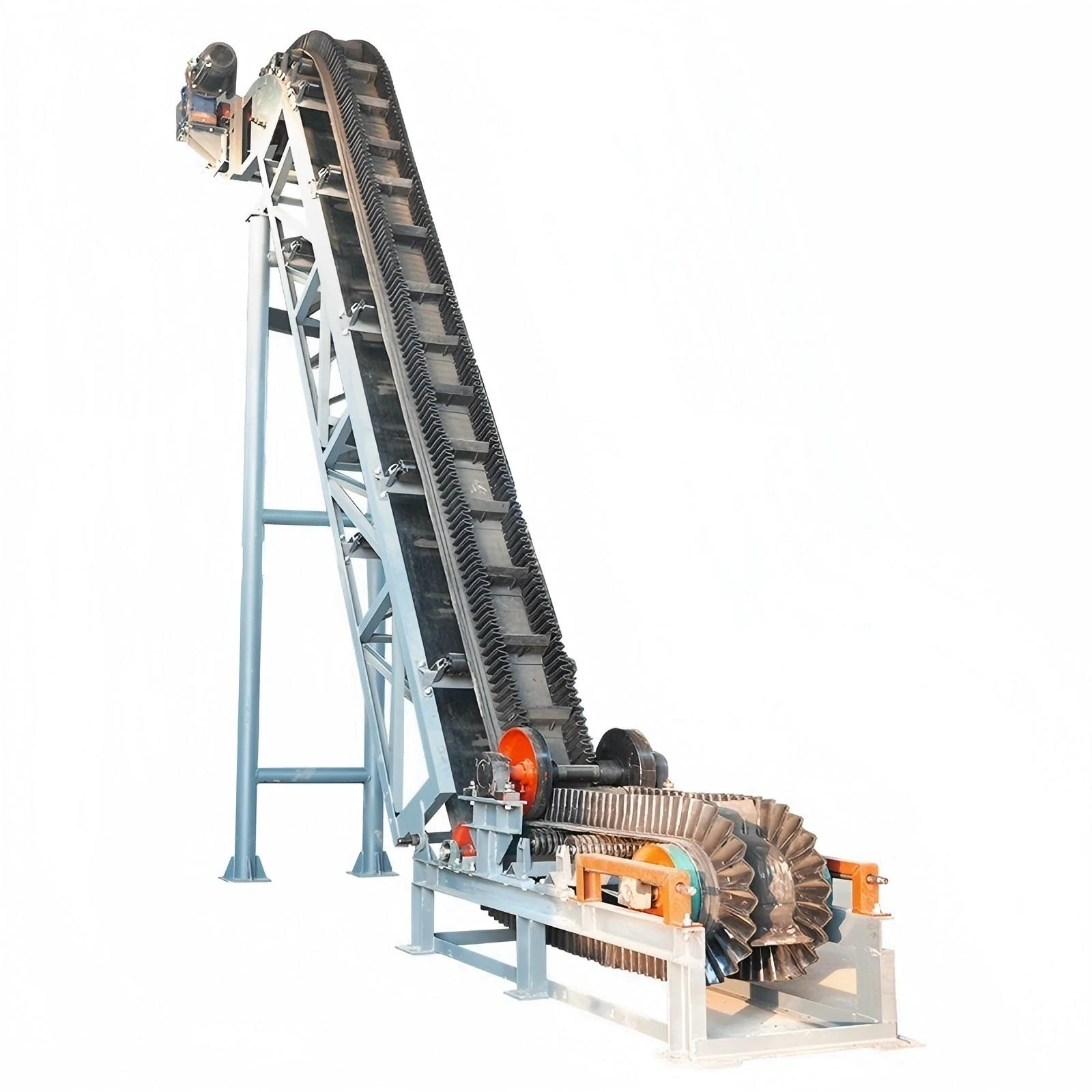
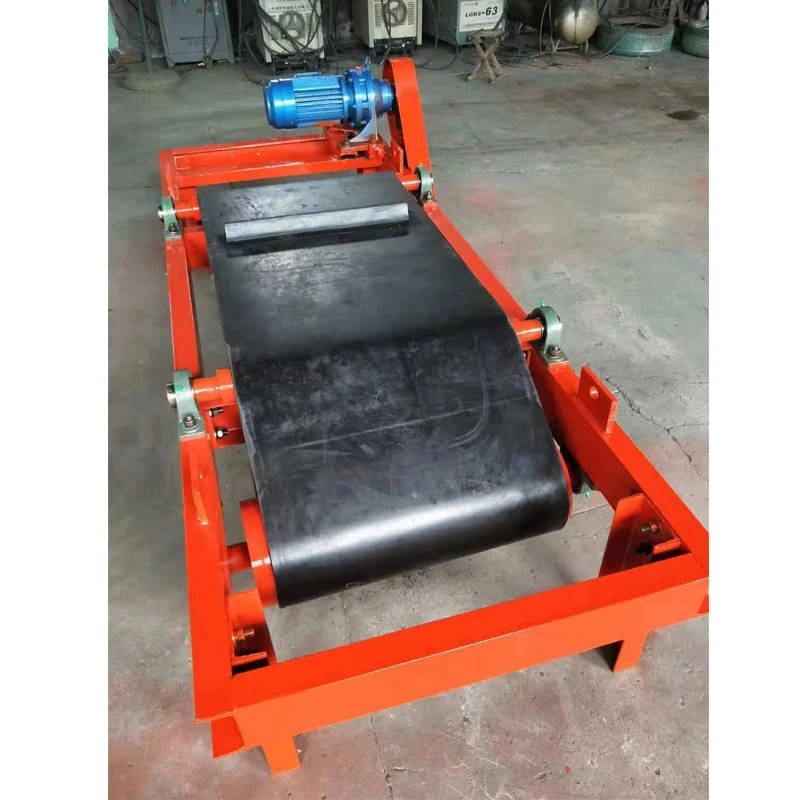
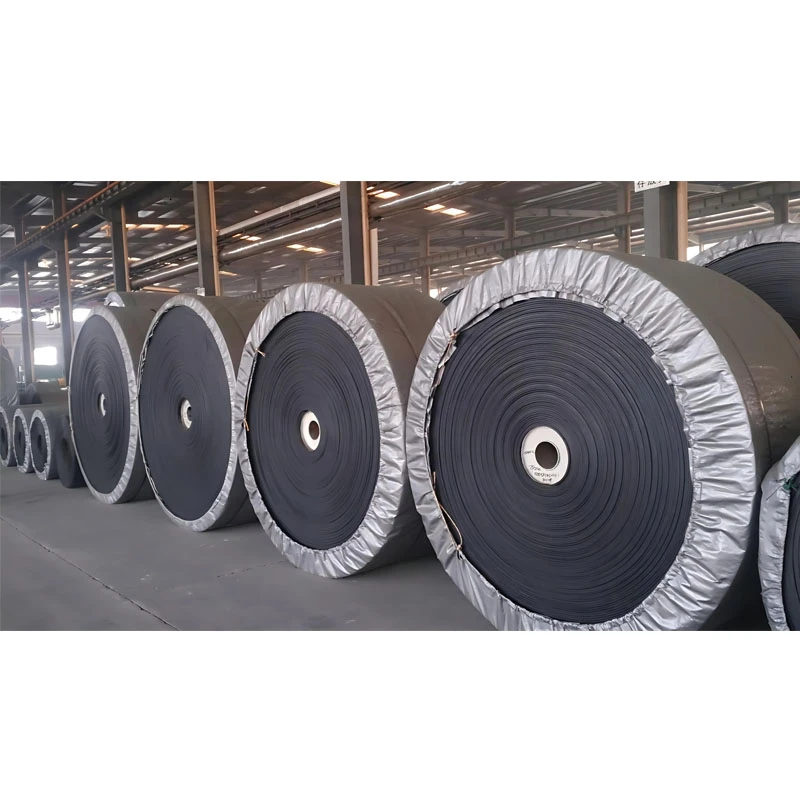
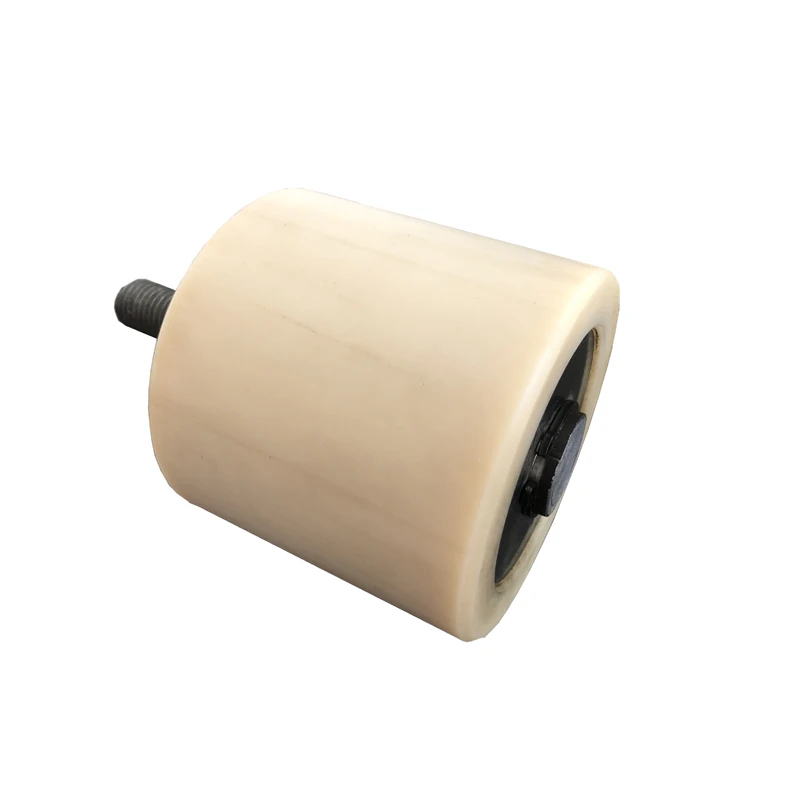
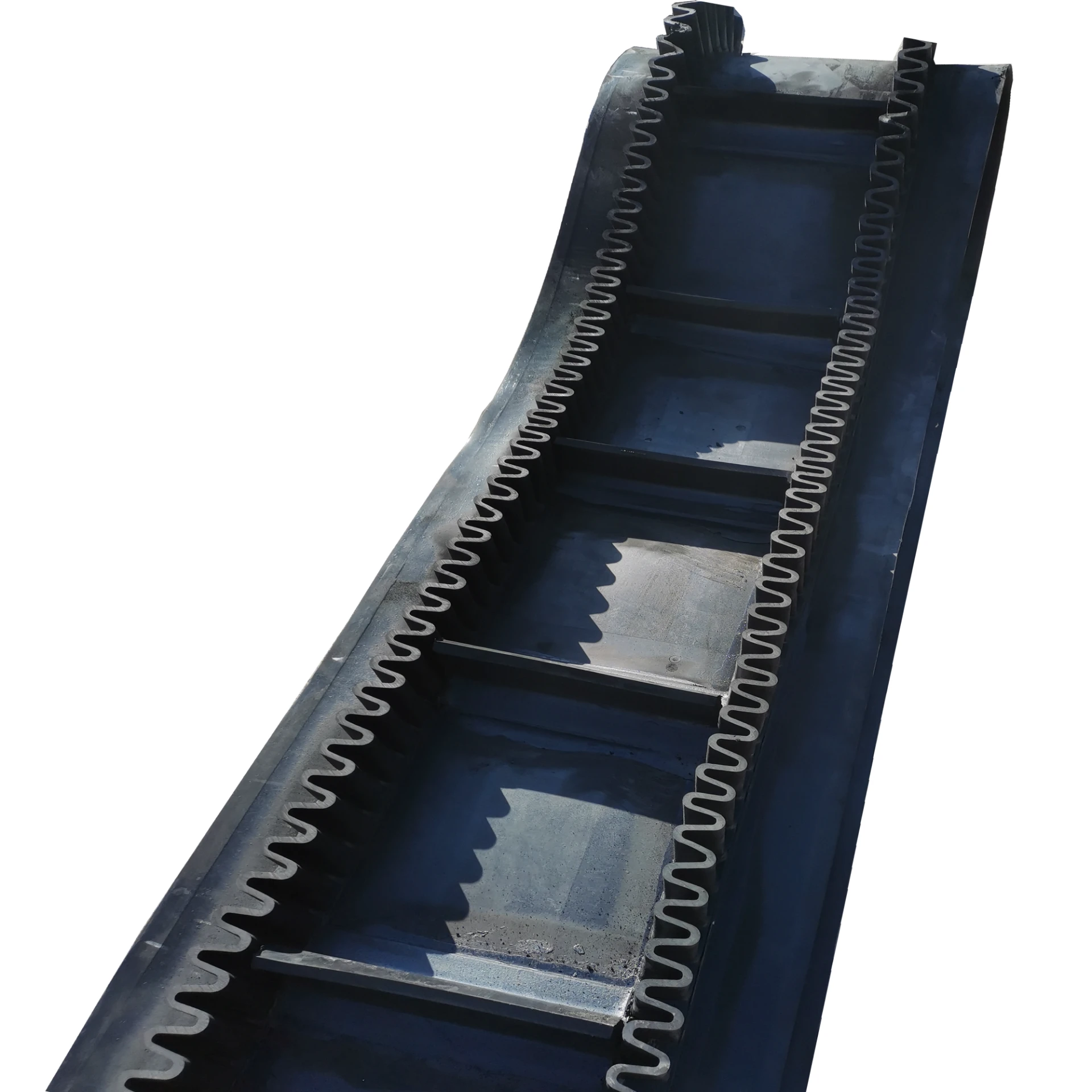
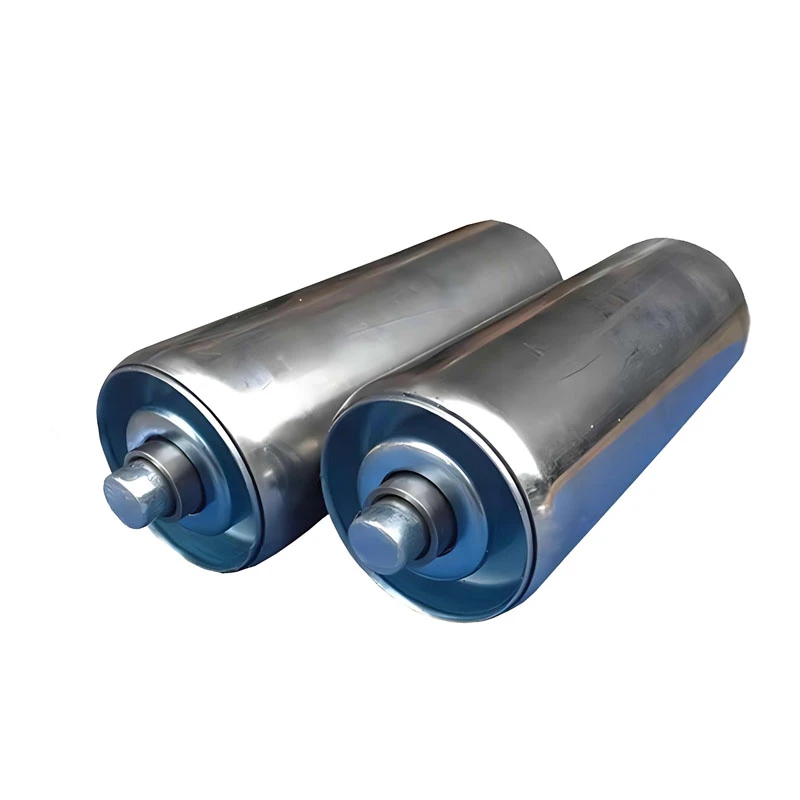
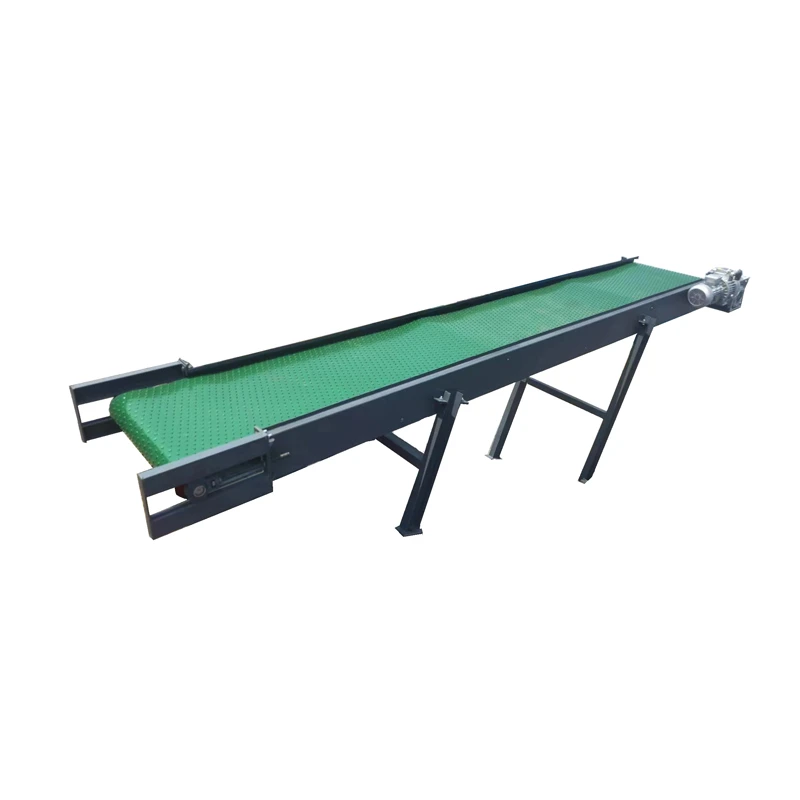
When I first started inspecting conveyors, I noticed how something so straightforward—just a revolving belt, some rollers—can vary widely depending on materials, driving mechanisms, and, frankly, clever design tweaks. You might not think much about belt material differences until you see a PVC strap down under 30,000+ cycles, or the way modular plastic belts simplify sanitation in food processing. It’s kind of fascinating how small engineering details translate to big efficiency gains.
Key Specifications of a Typical Transport Conveyor
| Specification | Details |
|---|---|
| Belt Width | 300 mm to 2000 mm (custom sizes available) |
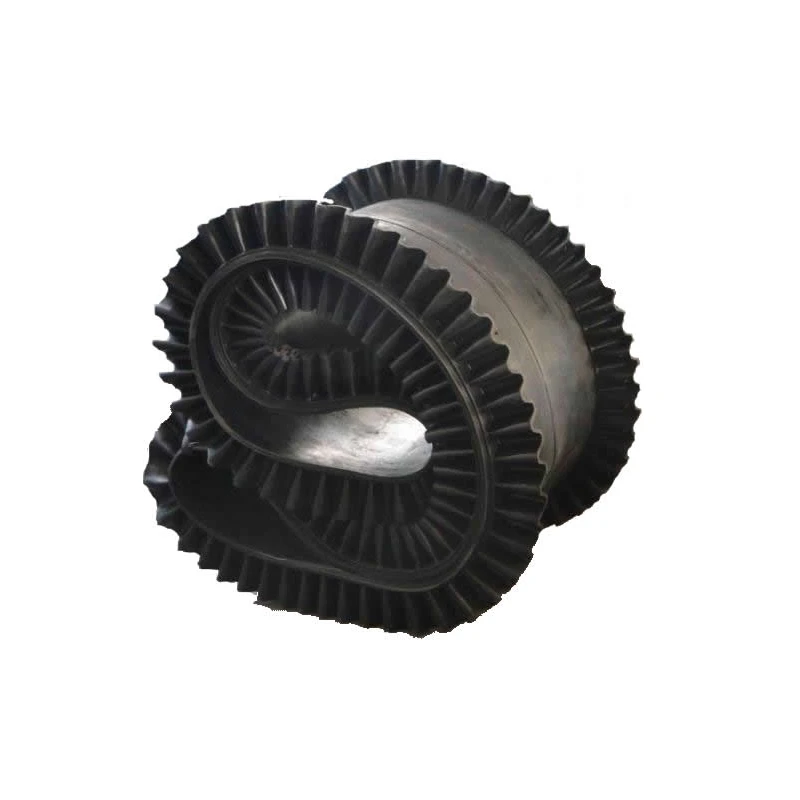
| Belt Material | PVC, PU, Rubber, Modular Plastic |
| Motor Power | 0.25 kW to 5 kW (variable based on application) |
| Speed Range | 0.1 to 3 m/s |
| Max Load Capacity | Up to 100 kg/meter depending on belt and frame |
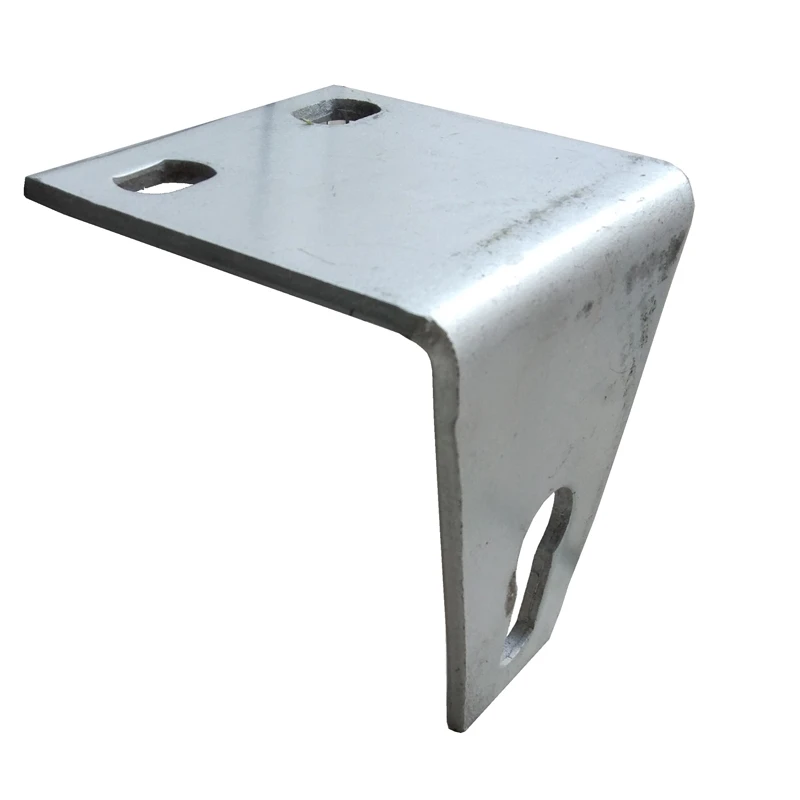
| Frame Material | Aluminum alloy or mild steel with powder coating |
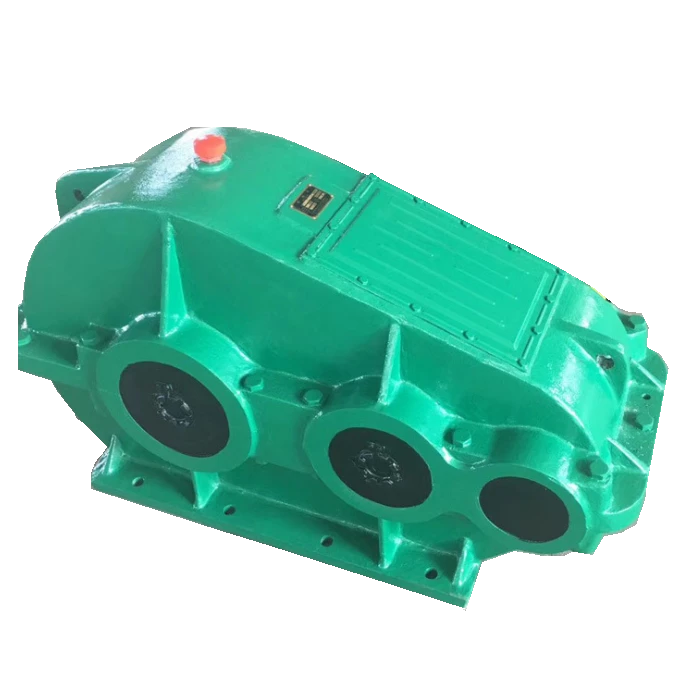
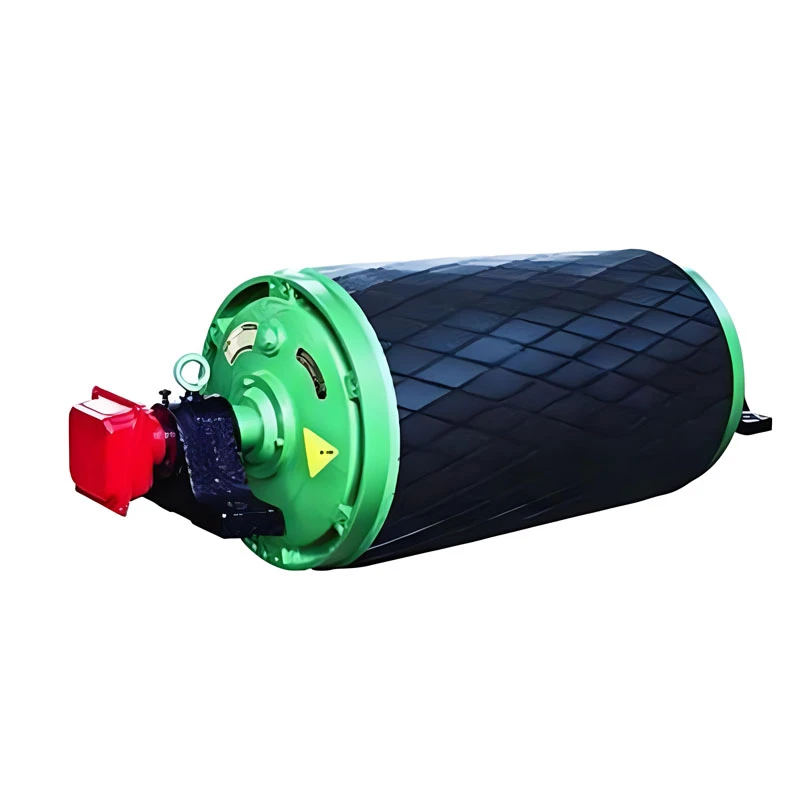
| Drive Type | Motorized pulley or gear motor with reducer |
One memorable job involved replacing a conveyor system for a regional food packing line. The challenge was minimizing downtime, but also ensuring the new belts were food-grade and easy to clean. I was impressed by how modular belts, which you don’t see everywhere, made a night-and-day difference during audits. Though they cost slightly more upfront, the savings on sanitation labor and downtime genuinely tipped the balance.
A Quick Look at Three Conveyor Vendors
| Vendor | Belt Options | Custom Designs | Price Range | Lead Time |
|---|---|---|---|---|
| HG Conveyor Belt | PVC, PU, Rubber, Modular | Yes (Bespoke solutions) | Moderate | 2-4 weeks |
| Conveyor Co. | Rubber, PVC | Limited | Low | 3-6 weeks |
| Industrial Moves Ltd. | PU, Modular | Yes (Standard frames) | High | 4-6 weeks |
From my experience, selecting a good transport conveyor comes down not only to specs but also to how flexible a supplier is. I often advise clients to look for vendors who listen carefully—because something as “standard” as a conveyor always benefits from a bit of tweaking tailored to your product flow and floor space. The ‘one size fits all' conveyor rarely works perfectly, oddly enough.
Another factor is ongoing support: conveyors do wear out, belts stretch, motors need occasional tuning. Building a relationship with suppliers like HG Conveyor Belt who understand your application and have proactive maintenance advice really pays off. Sometimes the best feature isn’t what you see on the brochure but the peace of mind you get from a responsive partner.
Frankly, if you’re in warehousing, manufacturing, or packaging, investing time in conveyor selection upfront can save weeks of headaches down the road. As anyone on the factory floor will tell you, equipment that just keeps running smoothly—that’s the dream.
So, if you want something dependable, adaptable, and built with real-world conditions in mind, explore options carefully, and don’t hesitate to ask your vendor plenty of questions. Conveyor systems are not just conveyors—they’re the circulatory system of your operation. Choose wisely, and you’ll feel the difference every single day.
References:
- International Conveyor Equipment Manufacturers Association (ICEMA) – Conveyor Industry Resources
- Material Handling Industry Whitepapers – Belt Material Pros and Cons
- Case Studies Archive, HG Conveyor Belt – Custom Installations & Client Testimonials