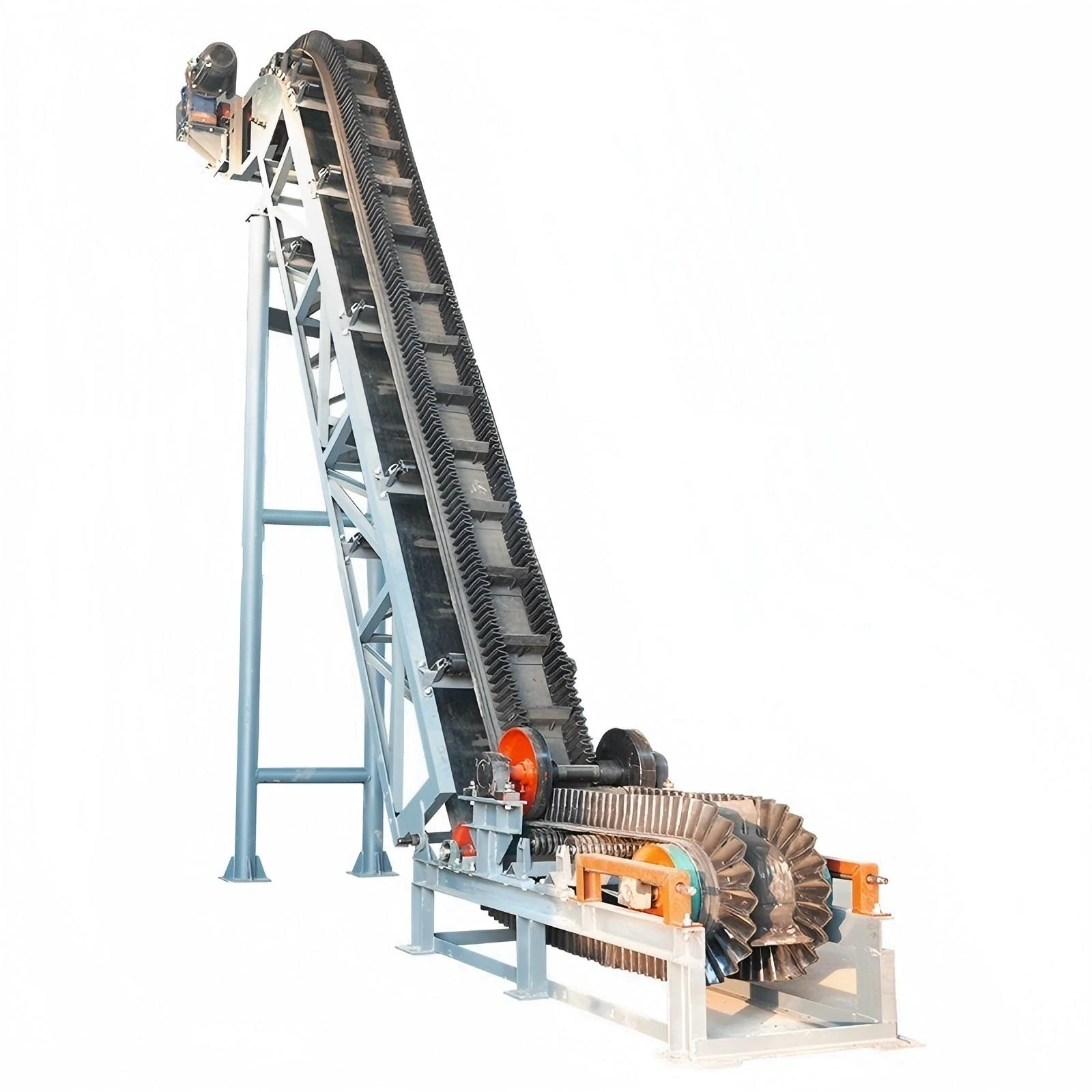
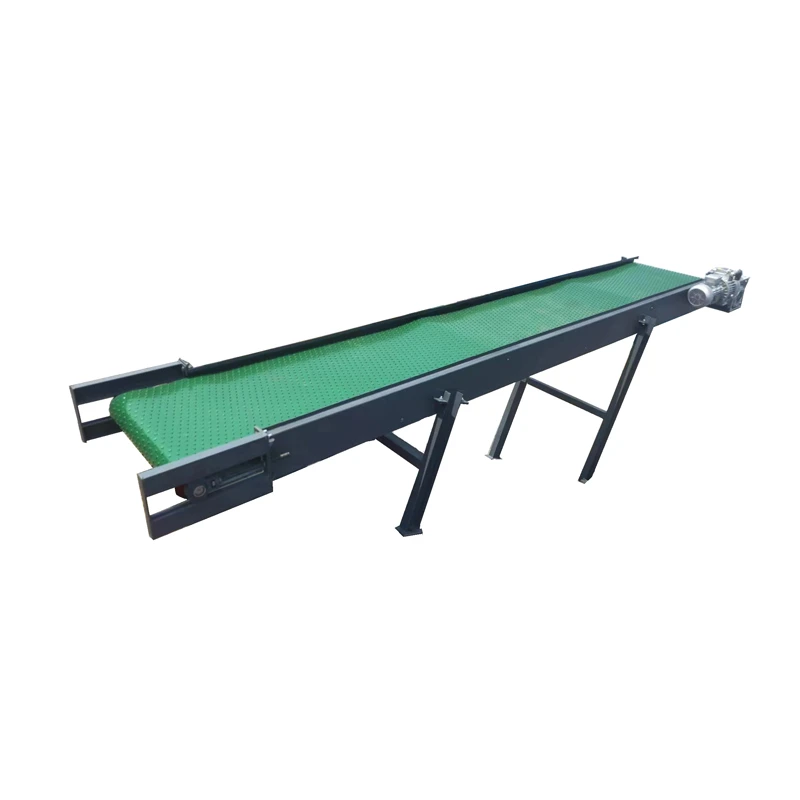
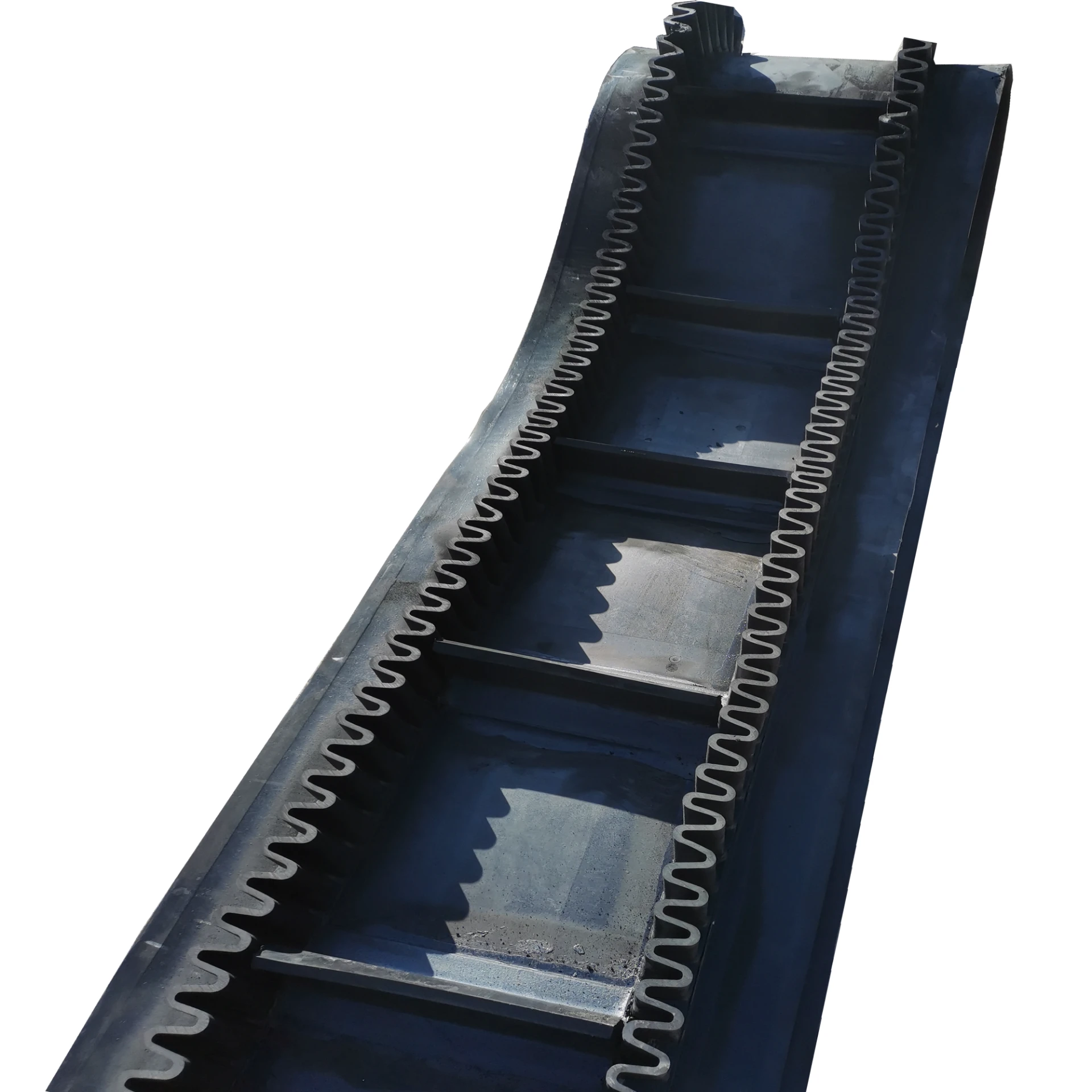
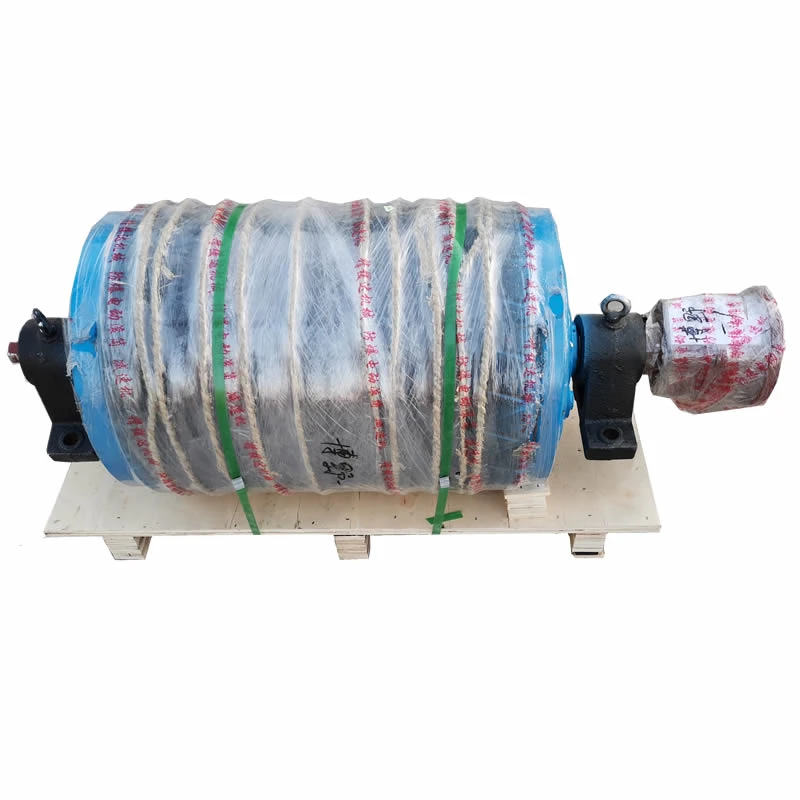
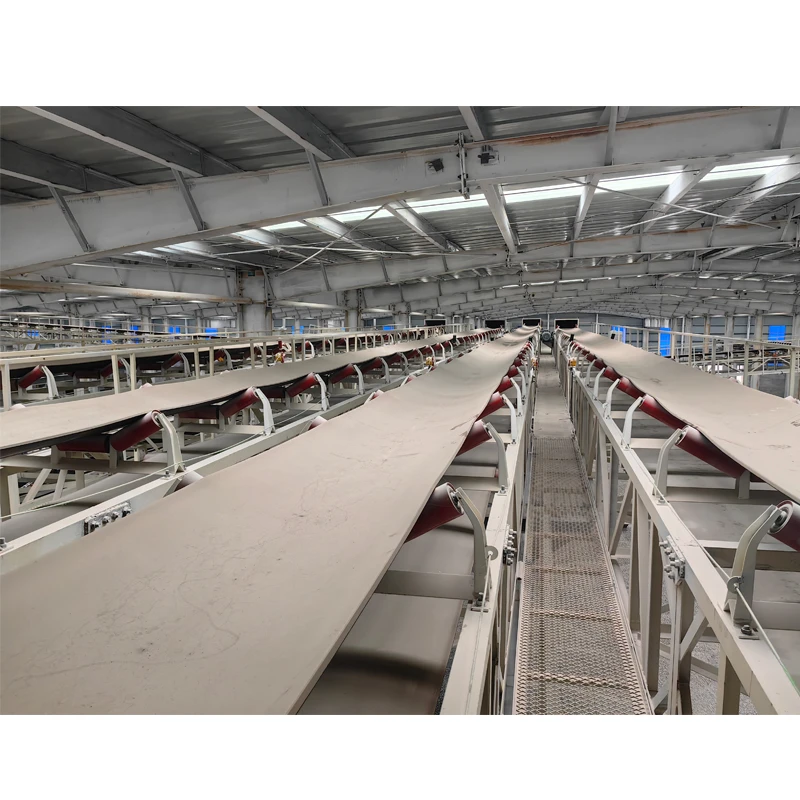
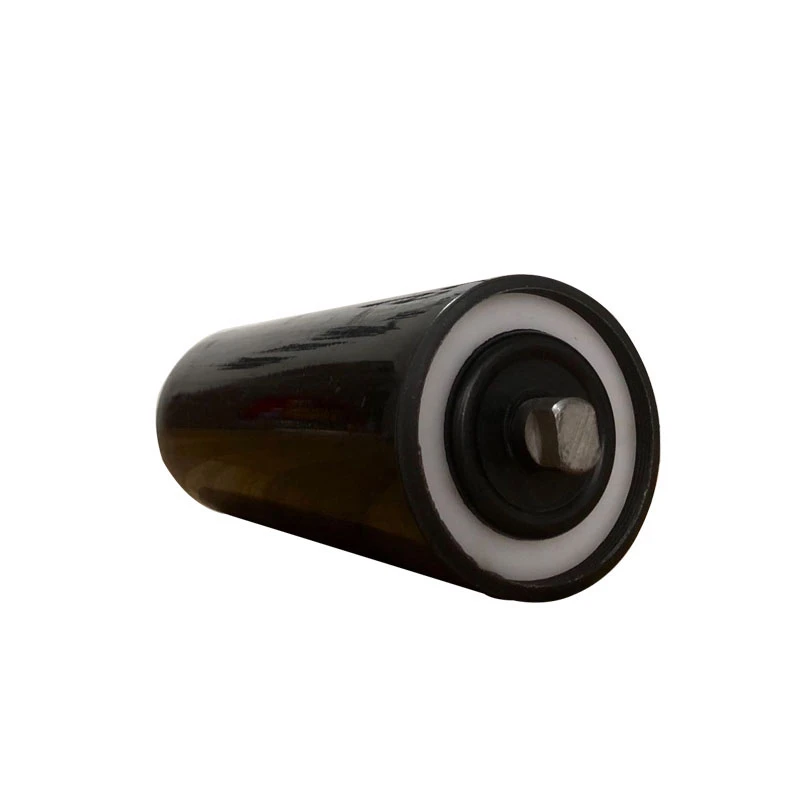
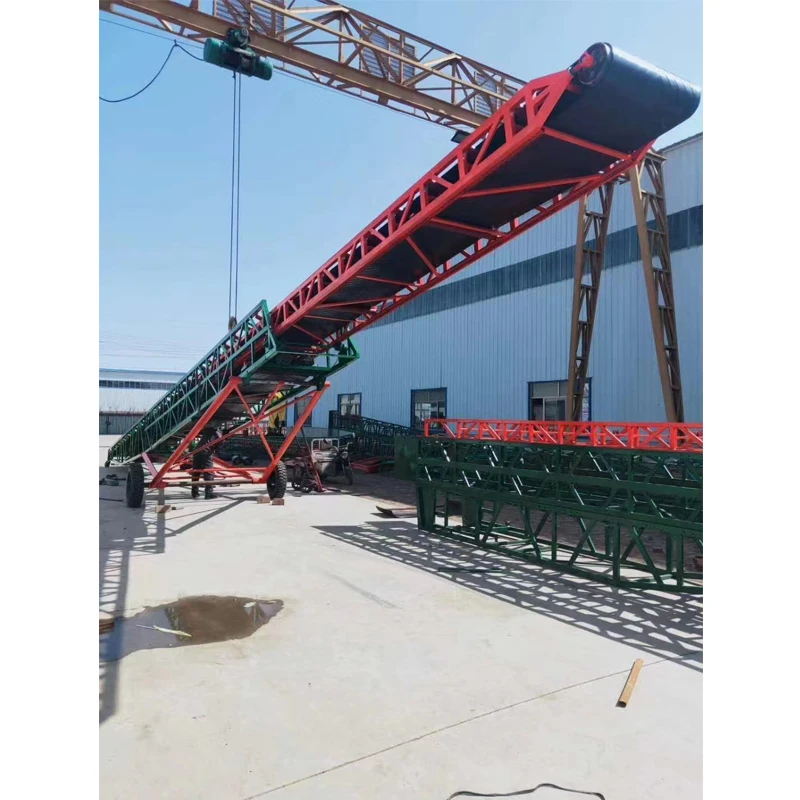
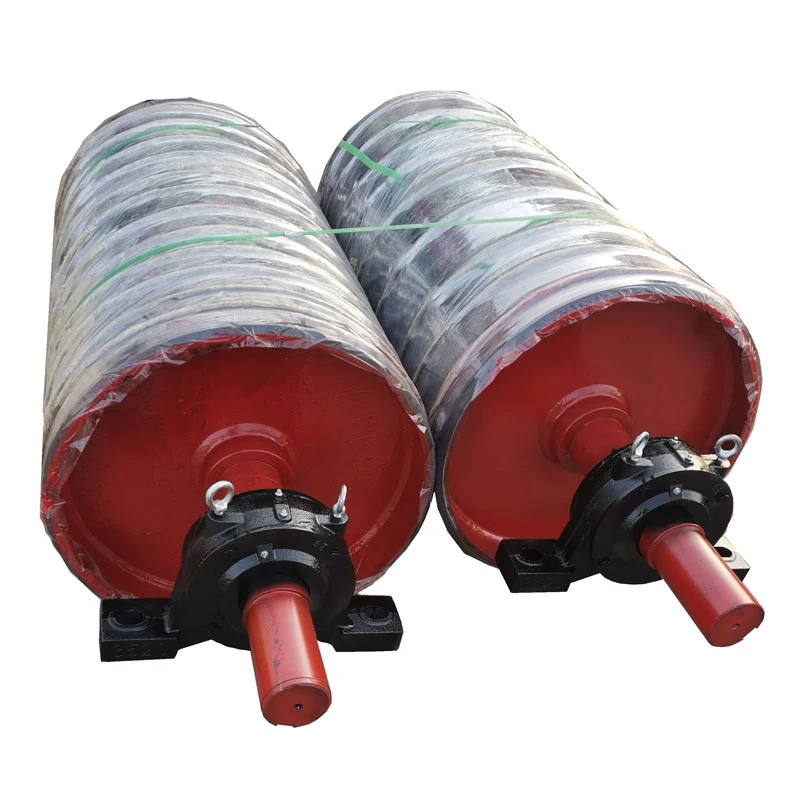
Vertical Lift Conveyor Systems is a key solution in the industry, specifically within logistics, warehousing, and manufacturing sectors. This article explores how https://www.hgconveyorbelt.com supports professionals with durable, high-performance products, and explains why this product is an ideal choice for businesses in these sectors.
Table of Contents
- Vertical Lift Conveyor Systems Overview
- Benefits & Use Cases of Vertical Lift Conveyor Systems
- Cost, Maintenance & User Experience
- Sustainability & Market Trends
Vertical Lift Conveyor Systems Overview
At its core, a Vertical Lift Conveyor System (VLC) is a mechanical solution designed to transport goods vertically between different floors or levels of a facility without consuming much horizontal space. It’s kind of the elevator for materials and packages in factories and warehouses. What makes these systems compelling is their ability to move products efficiently and safely, without the footprint of ramps or traditional inclined conveyors.
Technically, these conveyors rely on sturdy belts or platforms that lift loads vertically, sometimes covering heights up to 20 meters or more, depending on the model. HG Conveyor Belt’s lineup features heavy-duty steel frames with modular design, offering load capacities from 150 kg to over 1000 kg per cycle. In some real-world cases, factories saw a 40% reduction in product transit time between floors simply by installing these streamlined vertical lifts.
- Compact vertical transport solution, ideal for space-restricted sites.
- Modular construction supports easy integration and maintenance.
Benefits & Use Cases of Vertical Lift Conveyor Systems
The industries that gain the most from vertical lift conveyor systems are those juggling heavy load transport across multiple building levels—think e-commerce fulfillment centers, automotive plants, pharmaceutical packaging lines, and cold storage facilities. It’s no surprise that these systems enhance workflow, reduce manual handling injuries, and boost throughput.
What makes the HG Conveyor Belt’s vertical lifts stand out is their customizable speed options, adjustable conveyor widths, and smart safety interlocks that prevent accidental starts. Plus, their systems often come with integrated sensors for real-time monitoring—so supervisors aren’t left guessing when things go amiss. Frankly, the competitive edge is about reliable uptime and seamless compatibility with existing automation setups.
- Improved vertical space utilization without major building renovations.
- Enhanced safety features minimizing potential workplace accidents.
- Integration friendly with warehouse management systems (WMS).
| Specification | Value |
|---|---|
| Max Load Capacity | 1000 kg |
| Lift Height Range | Up to 20 meters |
| Belt/Platform Width | 400 – 1200 mm (customizable) |
| Speed | 0.1 – 0.4 m/s (adjustable) |
| Power Supply | 380V/50Hz Three Phase (typical) |
| Control System | PLC with HMI Interface |
Cost, Maintenance & User Experience
The upfront investment on Vertical Lift Conveyor Systems can seem significant — I suppose that’s true of most industrial equipment. But looking at total cost of ownership paints a different picture. HG Conveyor Belt customers often report quick ROI through reduced labor costs and minimized product damage. Plus, durability is baked right into the design: steel frames finished with corrosion-resistant coatings, gearboxes sourced from reputable manufacturers, and belts tested for abrasion resistance.
Maintenance routines are straightforward; remote diagnostics and modular parts mean downtimes are generally less than a day for scheduled service. Oddly enough, many facility managers noted that the intuitive user interface made staff training quick and painless — turning hesitant operators into confident ones within a week.
| Vendor | Load Capacity (kg) | Lift Height (m) | Customization | Smart Features |
|---|---|---|---|---|
| HG Conveyor Belt | 1000 | 20 | High (width, speed, control) | PLC with HMI, sensors |
| Competitor A | 750 | 15 | Medium | Basic sensors |
| Competitor B | 1200 | 18 | Low | No smart features |
Sustainability & Market Trends
Sustainability is more than just a buzzword in this market. Vertical Lift Conveyor Systems indirectly support greener operations—they enable tighter facility footprints and can reduce the need for energy-hungry forklifts or other mechanical lifts. Plus, manufacturers like those at HG Conveyor Belt are increasingly using eco-friendly materials, energy-efficient motors, and complying with ISO 14001 environmental standards. It’s a gentle nudge towards lower carbon emissions, frankly.
The market shows steady growth, fueled by booming e-commerce and automation adoption. Oddly enough, vertical conveyors are becoming more popular not only in traditional manufacturing but also in food processing and pharmaceuticals, where strict hygiene and space efficiency are paramount. Looking ahead, we might see more IoT integration and AI-driven maintenance protocols as standard.
Frequently Asked Questions about Vertical Lift Conveyor Systems
- What is Vertical Lift Conveyor Systems and how does it work?
- Essentially, Vertical Lift Conveyor Systems transport materials straight up or down between different elevations inside a facility, using belts or platforms that move vertically inside a compact frame. They're like specialized elevators but designed specifically for industrial products.
- What are the main benefits of using Vertical Lift Conveyor Systems in industrial applications?
- The key advantages are space saving, improved safety, faster material handling, and reduced labor. They prevent manual lifting injuries and optimize vertical space in facilities where horizontal expansion isn’t feasible.
- How does Vertical Lift Conveyor Systems compare to traditional alternatives?
- Compared to ramps, lifts, or forklifts, vertical conveyors are more compact, energy-efficient, and often integrate more easily into automated systems—plus, they reduce handling time and damage risk.
- What industries can benefit most from Vertical Lift Conveyor Systems implementation?
- Warehousing, manufacturing, pharmaceuticals, food processing, and e-commerce fulfillment centers can all greatly benefit — especially those needing vertical transport for bulky or sensitive products.
Conclusion on Vertical Lift Conveyor Systems from china
To wrap up, Vertical Lift Conveyor Systems deliver significant value by optimizing vertical space while streamlining material transport. For businesses eager to increase efficiency and safety without major facility alterations, these systems are often the logical choice. If you want to explore options or see what fits your operation, visit our website.
It’s interesting how such a focused piece of equipment can make a huge difference in the flow of goods – sometimes it’s the vertical step we overlook, but it shapes efficiency quietly, reliably, and effectively.