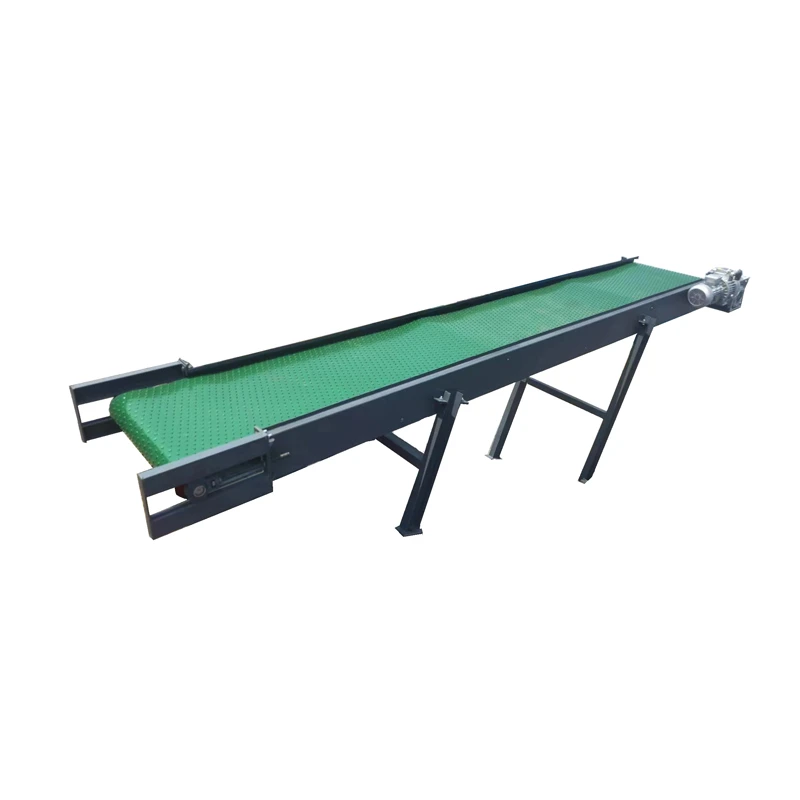
Production Conveyor: The Backbone of Modern Manufacturing
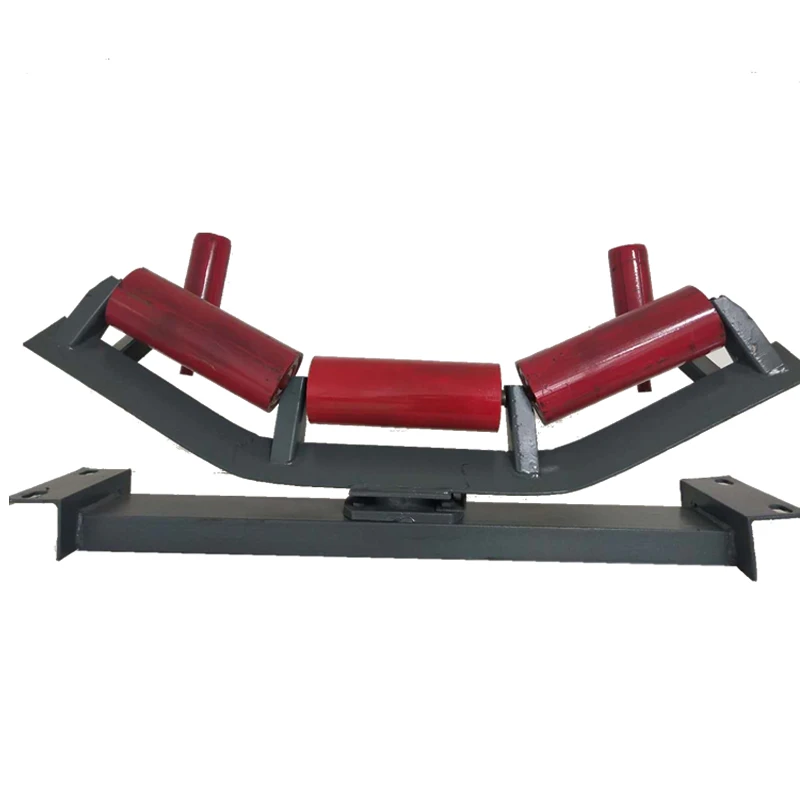
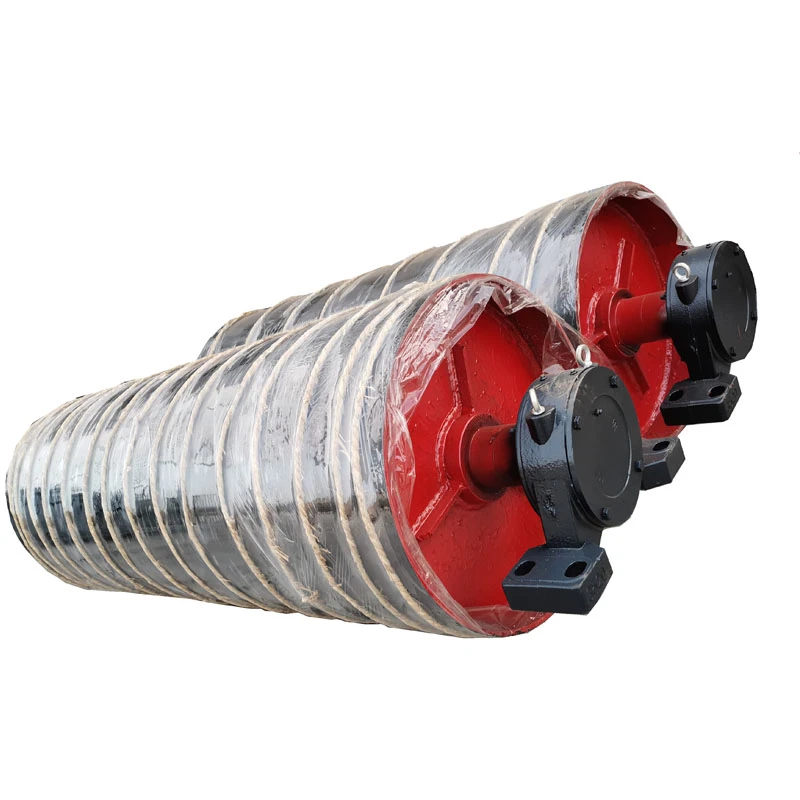
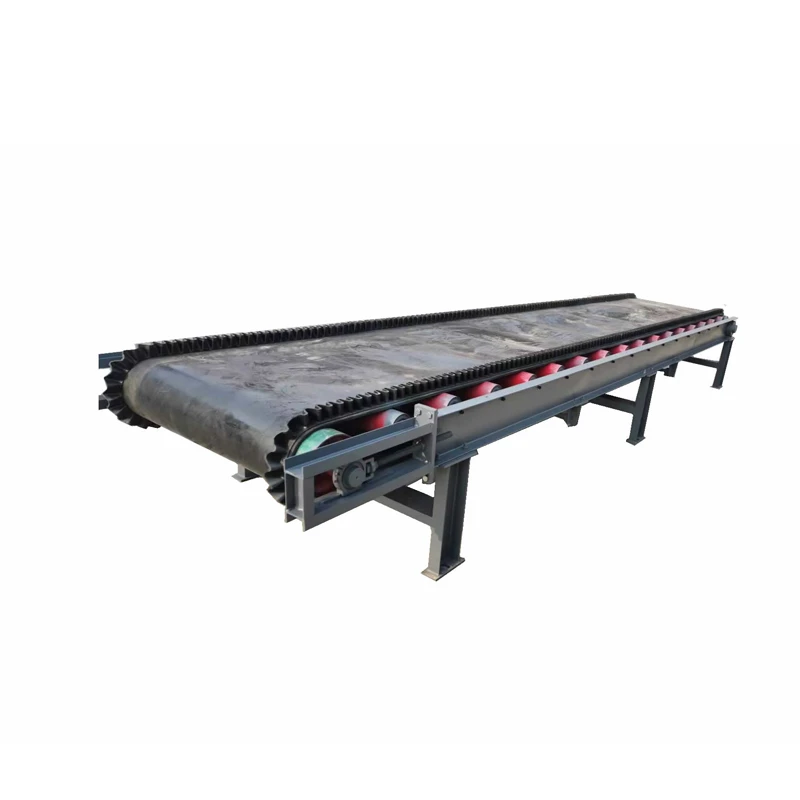
Having spent over a decade immersed in the industrial equipment sector, I can tell you that the humble production conveyor is often the unsung hero on factory floors. It’s an elegant piece of engineering that, frankly, keeps things moving — literally. From sorting parts to shipping final goods, production conveyors carry a huge load of the day-to-day operational success in manufacturing plants.
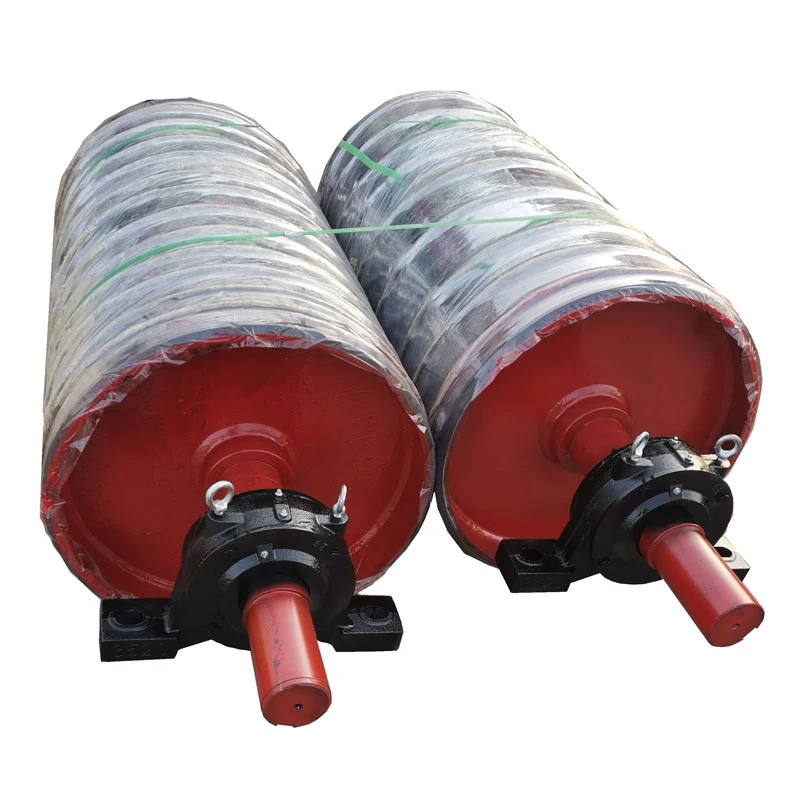
Oddly enough, while conveyors might look straightforward, the reality behind their design and selection is pretty intricate. You’d think a moving belt is just a moving belt, but in real terms, factors like belt material, load capacity, drive type, and customization options can make or break your process efficiency.
Material and Design Considerations
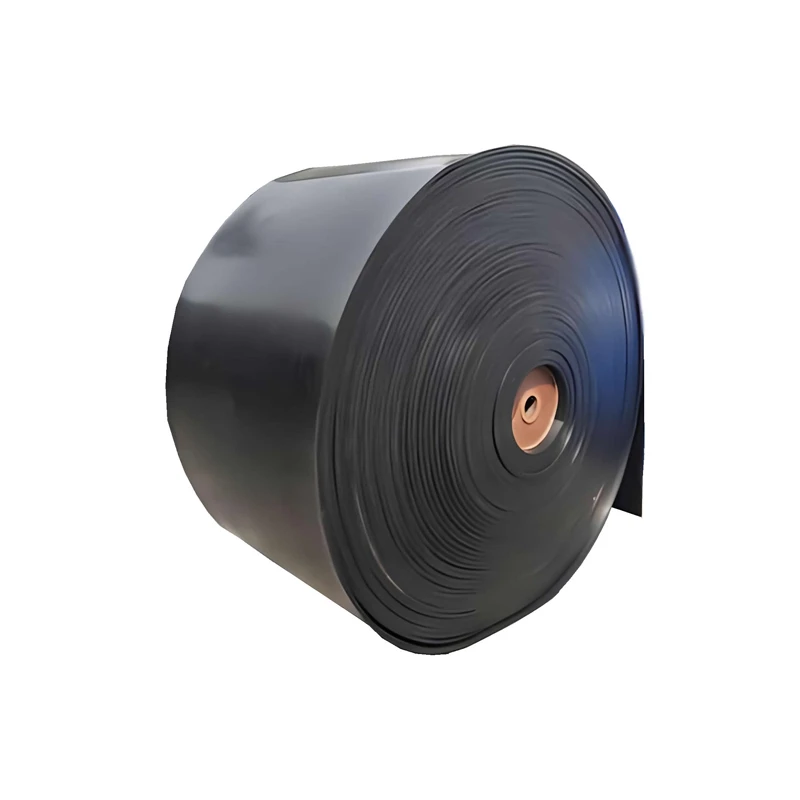
I’ve noticed that engineers tend to lean towards specific materials based on the environment. For example, PVC belts are lightweight and resistant to many chemicals, making them great for food processing or light packaging lines. Stainless steel components or belts come into play when hygiene and corrosion resistance are non-negotiable — think pharmaceuticals or wet environments. The subtle interplay between material specs and intended use is critical and often overlooked.
Speed control and belt width are other important details. If you recall a line that bottlenecks, sometimes it simply needs a conveyor that can run at variable speeds or handle wider or irregular goods. I remember a particular project where we switched from a fixed-speed system to a frequency-driven motor — it drastically reduced jams and improved throughput overnight.
Product Specification Snapshot
| Feature | Specification |
|---|---|
| Belt Material | PVC, PU, or Stainless Steel options |
| Belt Width | 100 mm up to 2000 mm |
| Max Load Capacity | Up to 500 kg/m |
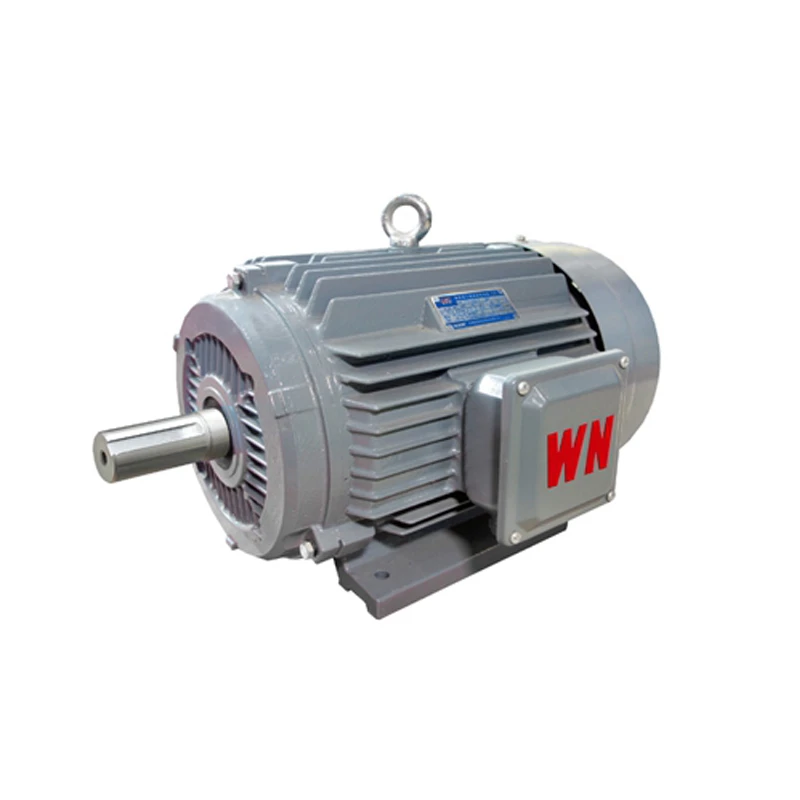
| Motor Type | Variable Speed AC / DC Motors |
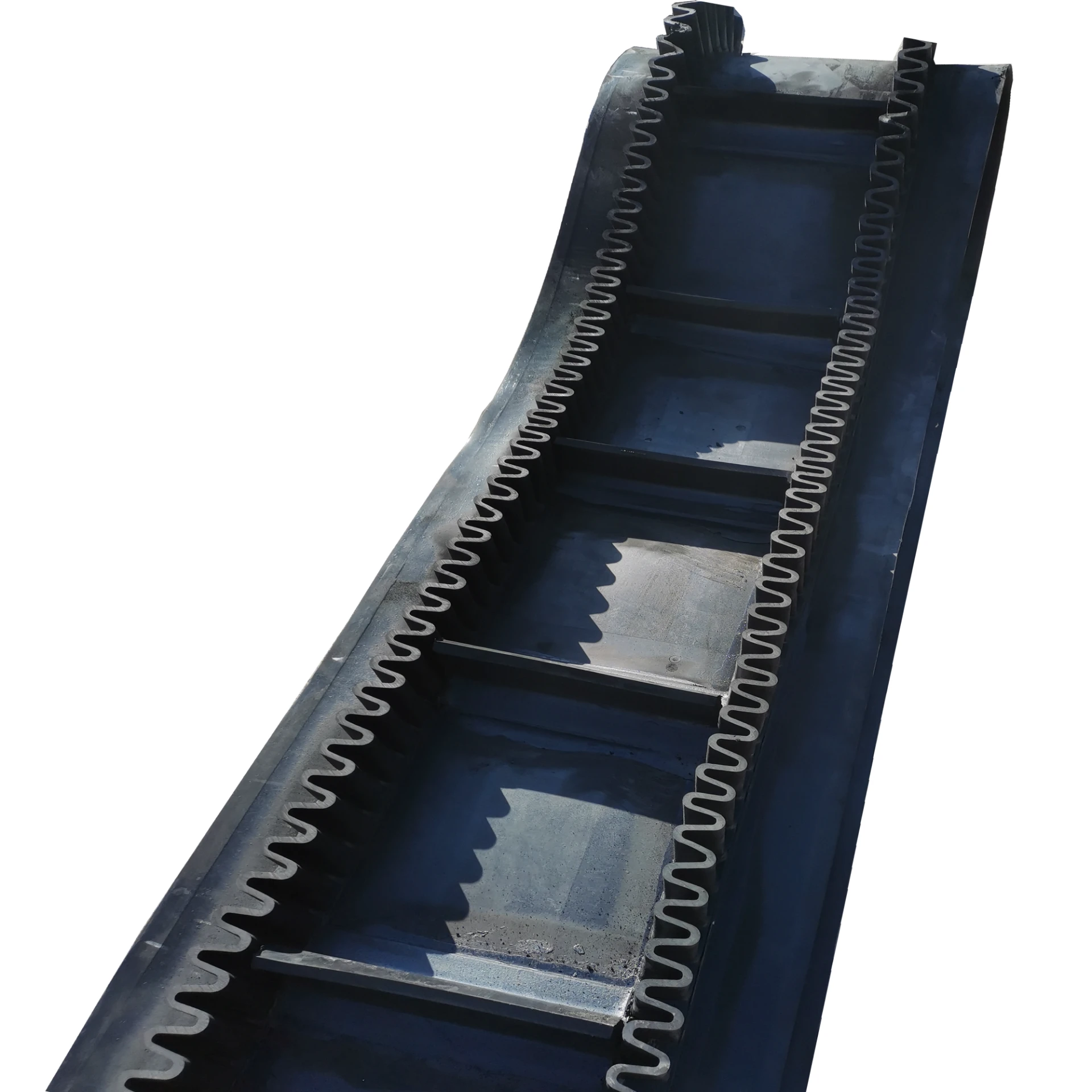
| Customizable Features | Side guards, dividers, sensors, curves |
Vendor Comparison: What to Look For
Choosing the right vendor is a bit like picking a partner for a long-term project. You want reliability, technical support, and a company who understands your industry’s quirks. Here’s a quick side-by-side I’ve put together, based on hands-on experience and customer feedback.
| Vendor | Product Range | Customization | Technical Support | Price Level |
|---|---|---|---|---|
| HG Conveyor Belt | Extensive | High | Excellent | Mid-range |
| Brand X Conveyors | Moderate | Medium | Good | Low |
| Global Conveyors Inc. | Wide | Limited | Average | High |
Real-World Reflections
I recall a mid-sized packaging client who was struggling with inconsistent throughput— products would pile up, and quality inspectors got overwhelmed. After implementing customized production conveyors from HG Conveyor Belt, optimized with sensors and adjustable speed settings, the workflow smoothed dramatically. The impact was tangible: fewer stoppages, faster inspection lines, happier workers.
What struck me was how small tweaks to conveyor specs can ripple through an entire production chain. It feels like every factory has its own “sweet spot,” and finding that balances art and science.
If you’re in the market for a production conveyor, it pays to dig into the details and find a vendor who’s willing to collaborate, not just sell equipment.
At the end of the day, the belt moves — but it's the partnership and precision that truly keeps production running.
- Industry standards for conveyor design, ASME B20.1 (2020)
- Materials selection for conveyor belts, Journal of Manufacturing Processes (2021)
- Implementation case studies from HG Conveyor Belt client reports (2022)