Why Understanding Conveyor Belt Types Matters Today
If you’ve ever been near an airport luggage carousel, a supermarket checkout, or even a big industrial factory, you’ve witnessed a conveyor belt in action. Conveyor belt types might sound like just a technical detail, but in the grand scheme, they’re vital to global logistics, manufacturing, and even humanitarian aid. These belts keep goods moving smoothly across millions of miles daily, boosting efficiency while cutting labor strain. The more you understand the specific conveyor belt types, the clearer it becomes how critical they are to economies and infrastructure worldwide.
Across sectors, conveyor systems offer key benefits: speed, cost savings, and adaptability. From remote mining operations in Australia to sprawling food processing plants in Europe and relief logistics after natural disasters, selecting the right conveyor belt type can mean the difference between success and costly downtime. It’s fascinating to consider that something as straightforward as a moving belt plays a complex role in modern life and industry.
The Global Context: Why Conveyor Belt Types Are a Big Deal
Globally, the conveyor belt market is projected to expand steadily, with reports from organizations like the International Organization for Standardization (ISO) confirming rising demand in mining, manufacturing, and warehousing sectors. For instance, mining accounts for roughly 40% of conveyor belt use, driven by massive mineral extraction worldwide – from Chile’s copper mines to Canada’s potash fields. Meanwhile, the United Nations has highlighted the role of conveyor technology in humanitarian logistics, especially for fast deployment of aid post-disaster.
However, there’s a core challenge here: one size most definitely does NOT fit all. Different applications require different conveyor belt types — from ultra-durable steel cords for heavy loads to lightweight PVC belts for food-grade handling. The wrong choice can lead to safety issues, increased downtime, or unexpected costs.
Getting to Grips with Conveyor Belt Types: What They Really Are
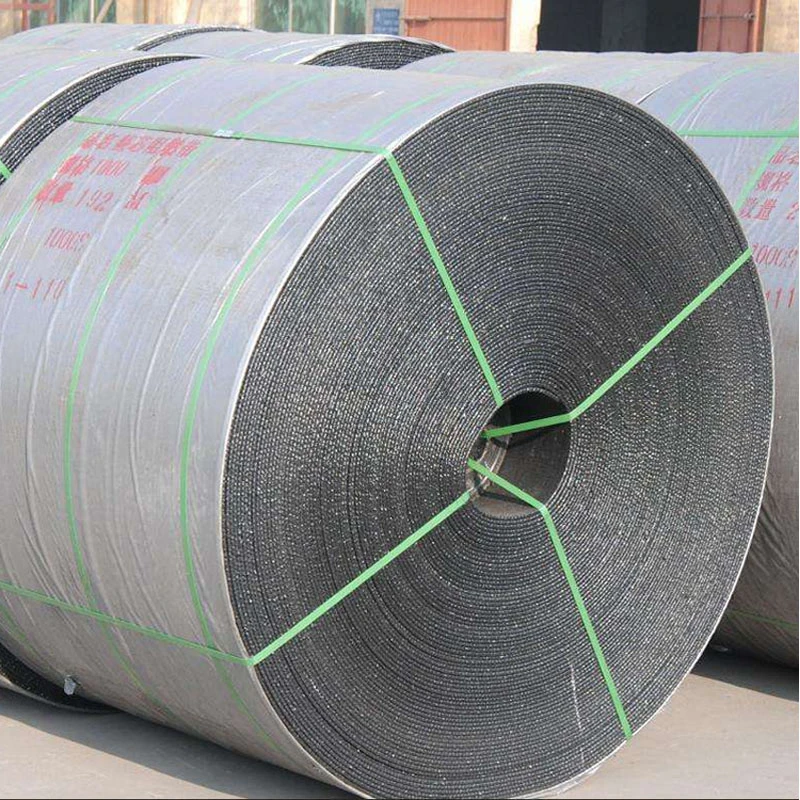
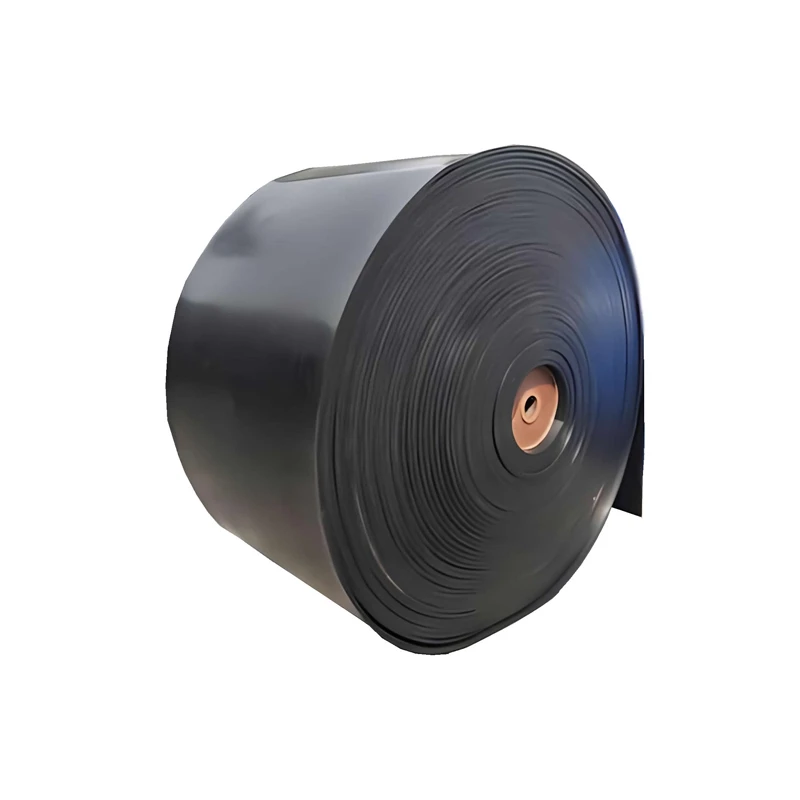
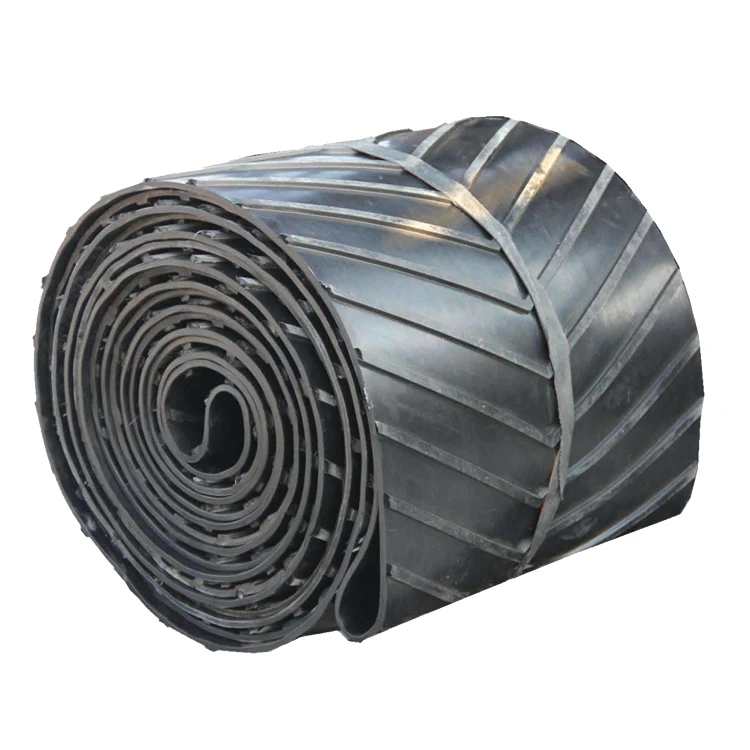
In plain terms, conveyor belt types refer to the variety of belts categorized by their material, construction, and intended use. Some common classes include fabric belts with layers of polyester or nylon, steel cord belts for heavy-duty tasks, and modular belts that snap together, offering flexible configurations.
Each type aligns with particular needs: food-grade belts prioritize hygiene and easy cleaning; heat-resistant belts handle molten materials or furnace environments; abrasion-resistant variants fight wear in rough mining sites. So the term "conveyor belt types" covers a broad spectrum of solutions — each crafted to keep industry humming smoothly.
Core Components That Define Conveyor Belt Types
1. Durability
This is often the primary consideration. Many engineers say the lifespan of a conveyor belt depends heavily on how well its core materials resist wear, abrasion, chemicals, and temperature extremes. Steel cord belts, for example, offer extraordinary tensile strength for heavy loads, but can be costly. Fabric belts may trade some durability for flexibility and cost efficiency.
2. Scalability
How well a conveyor belt type accommodates system expansion or customization is key. Modular belts are champions here, designed for quick repairs and reconfiguration — which can be crucial in fast-paced warehouses or changing production lines.
3. Cost Efficiency
Raw materials, manufacturing processes, and maintenance all factor into overall cost. PVC belts suit low-budget, low-impact goods transport, while reinforced rubber belts may fit mid-range industrial needs. The trick is balancing upfront costs with long-term reliability—sometimes spending more upfront saves a lot later.
4. Safety & Compliance
Especially in food processing or pharmaceutical industries, belts must meet strict hygiene standards and noise regulations. This drives choices toward special coatings, FDA-approved materials, and silent operation technologies.
5. Environmental Resistance
One can’t ignore the environment these belts function in. Outdoor mining conveyors endure UV exposure and moisture; food conveyors resist oils and acids. Choosing belts with correct resistance properties is practical common sense but often overlooked.
| Conveyor Belt Type | Primary Material | Main Use Case | Durability Rating | Cost |
|---|---|---|---|---|
| Steel Cord Belt | Steel cords embedded in rubber | Heavy mining & bulk material | Very High | High |
| Fabric Belt | Polyester/Nylon Fabrics | Light to medium industrial | Medium | Medium |
| PVC Belt | PVC polymer | Food, packaging, light goods | Low | Low |
| Modular Plastic Belt | Interlocking plastic modules | Hygienic, configurable lines | Medium to High | Medium to High |
Conveyor Belt Types in Action Around the Globe
Alright, this is where it gets interesting. Conveyor belts aren’t just factory fixtures; they’re crucial players in diverse scenarios. In Australia’s mining zones, for instance, steel cord belts haul tons of ore daily, minimizing truck traffic and lowering emissions. Meanwhile, in Europe’s food sectors — think bakery lines or meat processing — modular plastic and PVC belts ensure hygienic transport with easy cleaning.
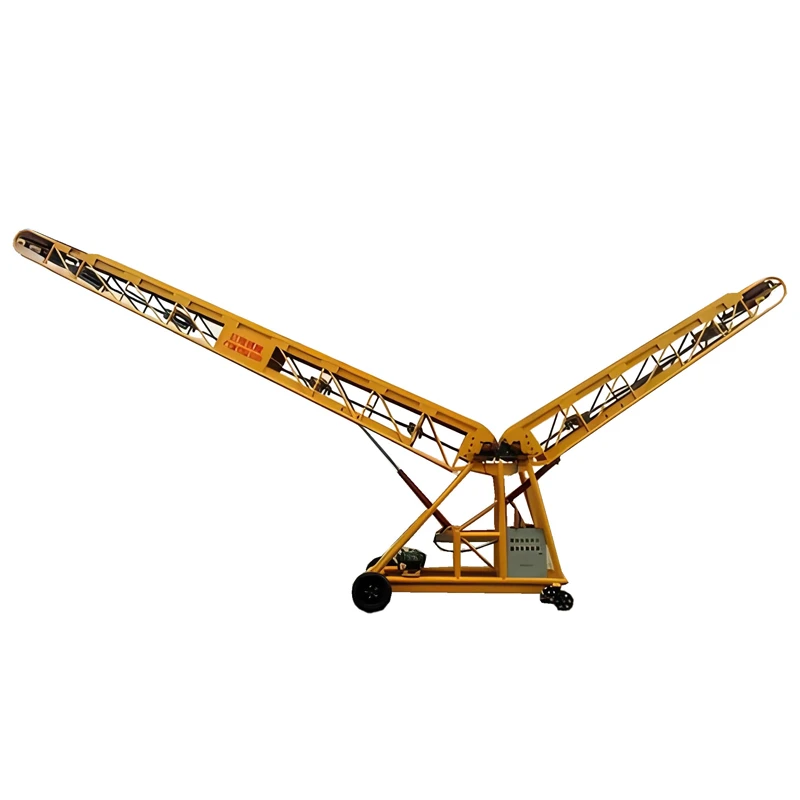
Post-disaster relief organizations regularly deploy portable conveyor systems to help unload aid supplies quickly at rough, unsecured airstrips. Here, modular and lightweight belts prove their worth for rapid setup and flexibility.
Even regions with less stable infrastructure rely on conveyor technology to boost economic development. Imagine an emerging port in West Africa utilizing customized fabric conveyor belts to speed up bulk grain handling — it’s often the invisible backbone of growth.
Benefits and Long-Term Value of Choosing the Right Conveyor Belt
Choosing the right conveyor belt type pays dividends over time. Cost savings aren’t just about the purchase price but reduced energy consumption, lower maintenance, and less product loss. Socially, safe and reliable belts protect workers from injury and enable consistent workflows.
Many production managers I’ve talked to emphasize how modern conveyor belts enable innovation — automating processes that once required manual labor. The emotional uplift from trusting a system that “just works” while respecting safety can’t be underestimated.
What’s Next? Trends and Innovations in Conveyor Belt Technology
Curious about the future? Conveyor belts are quietly embracing green tech — some newer belts incorporate recycled materials or biodegradable polymers. Automation buzzwords apply here too, with sensors enabling smart monitoring of belt wear, tension, and temperature to prevent failures before they happen.
Digital twins, AI diagnostics, and modular systems promise a future where conveyor belt types aren’t static but adapt in real-time to shifting operational conditions. This fusion of mechanics and software is oddly exciting for something that started as a simple moving band of rubber.
Challenges & Some Clever Solutions
Not all is rosy, though. Harsh environments can degrade conveyor belts faster than expected. Also, balancing cost against durability and environmental footprint requires expertise.
Innovators tackle these hurdles through advanced composite materials, smarter belt design, and improved maintenance protocols. Outsourcing belt production to specialist vendors who understand regional challenges is another wise step — a lesson learned the hard way by some companies.
| Vendor | Specialization | Price Range | Global Reach | Customization |
|---|---|---|---|---|
| HG Conveyor | Wide range including steel cord & modular | Mid to High | International | High |
| ConveyTech Solutions | Focus on light-duty & food-safe belts | Low to Mid | Regional | Medium |
| Global Belt Manufacturers | Heavy industrial & mining | High | Worldwide | High |
FAQs About Conveyor Belt Types
1. What conveyor belt types are best suited for extreme heat environments?
Heat-resistant rubber belts with aramid reinforcement or specially engineered synthetic materials perform best here. They can withstand furnace or kiln temperatures without degrading, crucial for industries like steel or glass manufacturing. It’s always vital to check manufacturer specs to ensure compliance.
2. How often should conveyor belts be replaced to avoid costly failures?
Replacement cycles vary by belt type and usage but typically range from 3 to 10 years. Regular inspections, including wear and tear assessments and tension checks, extend lifespan and prevent sudden breakdowns.
3. Can conveyor belt types be customized for unique industry needs?
Absolutely. Many vendors offer customization in materials, coatings, width, and modular design. Collaboration with belt specialists can tailor solutions to specific operational and environmental challenges.
4. Are modular plastic belts suitable for food processing?
Yes. Modular belts are popular in food applications because their interlocking design allows easy cleaning and conforms to strict hygiene standards. Most comply with FDA regulations.
5. How does the choice of conveyor belt affect energy consumption?
Lighter, well-designed belts typically reduce motor load and energy costs. Conversely, older or overbuilt belts may cause inefficiencies. Selecting the right type for the load and environment helps optimize energy use.
In Closing: Moving Forward with Conveyor Belt Types
Conveyor belt types aren’t just an engineering nicety—they’re a backbone of global industry and logistics. Selecting the right kind impacts everything from cost and safety to sustainability and innovation. Frankly, it’s a topic worthy of more attention than it usually gets.
For anyone navigating the complexities of choosing or upgrading conveyor systems, I’d strongly recommend diving deeper into trusted vendors like HG Conveyor Belt. Their range and expertise make life easier for engineers and logistics managers alike.
As automation and smart tech evolve, so too will conveyor belt technologies. But regardless of trends, the fundamentals of matching belt type to purpose remain essential. It feels like a small detail, but it often drives big outcomes – quietly, reliably, and tirelessly moving the world forward.
References: