Understanding Ceramic Roller Manufacturers: The Unsung Heroes of Modern Industry
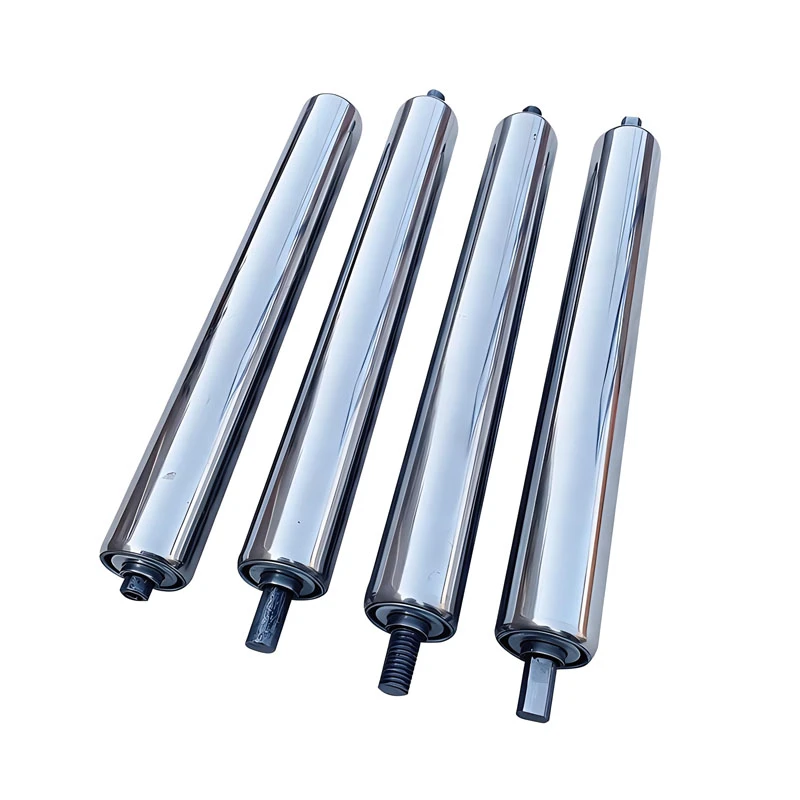
If you’ve ever wondered what keeps production lines moving smoothly, especially in demanding environments, you might want to tip your hat to ceramic roller manufacturers. These specialists craft high-performance rollers out of ceramic materials that withstand heat, wear, and harsh chemicals better than most alternatives. Given how vital industrial rollers are—from conveyor systems in mining to textile production—knowing about these manufacturers is like having a backstage pass to global manufacturing resilience.
Why Should We Care? A Global Perspective
Globally, industries worth trillions depend on conveyor and roller technologies for seamless operations. According to the International Organization for Standardization (ISO 17390:2012), advanced rollers improve energy efficiency and reduce downtime, which matters when economies are pivoting towards sustainability and automation. Think about heavy sectors like steel production and cement manufacturing — they demand rollers that won’t give up under extreme conditions.
However, the challenge is real: conventional rollers wear out too quickly, causing costly replacements and production halts. This gap is exactly where ceramic roller manufacturers step in, offering products that last longer and perform consistently.
What Exactly Are Ceramic Roller Manufacturers?
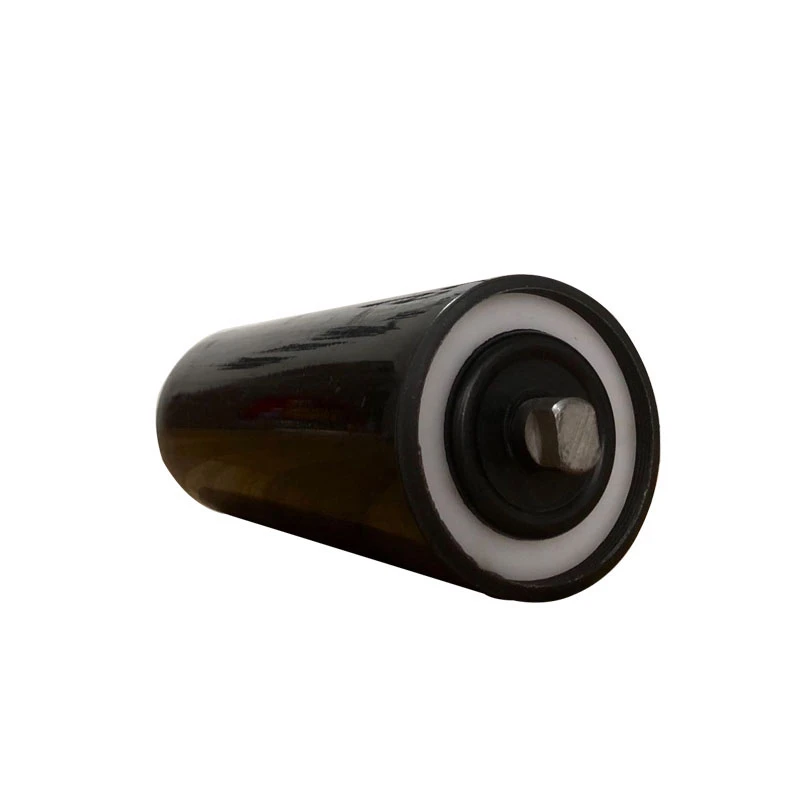
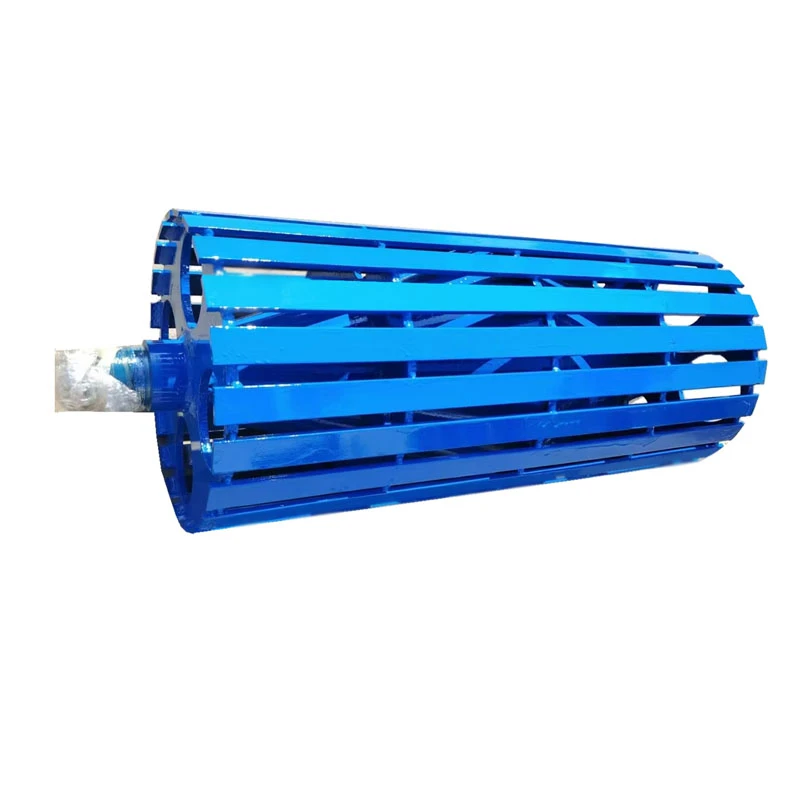
In simple terms, ceramic roller manufacturers are companies or workshops dedicated to producing rollers made primarily from advanced ceramic materials. Unlike metal or rubber rollers, ceramic rollers are prized for hardness, heat resistance, and corrosion resistance. Their specialized production involves high-tech processes like sintering, grinding, and quality control tests.
These manufacturers often serve industries such as manufacturing, mining, energy, and even humanitarian logistics — imagine the importance of reliable conveyors for emergency relief supplies, where a single failed roller could delay aid delivery.
Mini Takeaway:
In a nutshell, these manufacturers create a functional backbone for critical industrial processes where durability and reliability save time and money globally.
Core Components of Ceramic Roller Excellence
Durability Over Time
Ceramic rollers resist abrasion far better than standard metal rollers. Their long lifespan reduces maintenance frequency, which for heavy machinery, means fewer interruptions.
Heat & Chemical Resistance
Working in high-temperature environments or amidst aggressive chemicals, these rollers hold up without deforming or corroding — ideal if you’re handling molten metals or acidic substances.
Scalability & Customization
Top-tier ceramic roller manufacturers offer custom sizing and designs to fit specific machinery needs, from ultra-miniature rollers for precision electronics to large-scale rollers for mining conveyors.
Cost Efficiency in the Long Run
Sure, ceramic rollers cost more upfront than basic steel rollers, but their savings come from longer service intervals and less energy loss due to smoother motion.
Lightweight Yet Strong
Compared to metals, ceramic rollers are often lighter, contributing to lower energy consumption in motorized systems—not always obvious but important over millions of operational cycles.
Eco-Friendly Manufacturing
Many manufacturers now adopt greener processes using recycled materials or lower emissions techniques, responding to global calls for sustainability (check ISO 14001 guidance).
Mini Takeaway:
The magic of ceramic rollers lies in balancing toughness with fine-tuned manufacturing to meet diverse industrial demands.
Real-World Applications Across Continents
From bustling steel mills in Germany to mining operations in Australia, ceramic rollers keep goods moving by conveyor. In post-disaster relief, conveyors fitted with ceramic rollers not only speed up aid processing but handle dusty, rugged conditions without fail.
In Japan’s electronics factories, miniature ceramic rollers play a precise role in assembly lines, highlighting the scale diversity these manufacturers cater to.
Manufacturers in emerging markets like India and Brazil are also ramping up, seeing increased ceramic roller demand as industries modernize. It’s fascinating how a niche product links such varied sectors globally.
Mini Takeaway:
Whether it’s heavy industry or delicate manufacturing, ceramic rollers are quietly supporting progress worldwide.
Advantages & Long-Term Value
- Reduced Downtime: Fewer replacements mean uninterrupted production.
- Energy Savings: Lightweight rollers reduce motor strain.
- Safety Improvements: Heat resistance lowers risk of failures in critical systems.
- Environmental Impact: Longer-lasting parts mean less waste and resource use.
- Trust & Reliability: Proven materials foster user confidence.
These aren't just dry statistics but real-world benefits that managers and engineers will smile about — especially during audits or budget reviews.
Product Specifications at a Glance
| Feature | Typical Values | Industry Standard |
|---|---|---|
| Material Composition | 95% Alumina (Al₂O₃) | ISO 20565-1 |
| Hardness (Mohs Scale) | 8.5 – 9 | ISO 6507-1 |
| Max Operating Temperature | 1,600°C | ASTM C1557 |
| Corrosion Resistance | Excellent in acidic & alkaline environments | ISO 9227 |
| Weight | ~4.0 g/cm³ (lighter than steel) | –– |
Comparing Leading Ceramic Roller Manufacturers
| Vendor | Product Range | Customization | Lead Time | Sustainability Initiatives |
|---|---|---|---|---|
| CeramiRoll Inc. | Heavy-duty & precision rollers | High (up to custom alloys) | 6–8 weeks | Recycles scrap; energy-efficient kiln |
| AluminaTech Solutions | Standard rollers, miniatures, and sleeves | Moderate (standard sizes) | 4–6 weeks | Sustainable sourcing of raw materials |
| Global Ceramic Works | Custom-engineered rollers & assemblies | Very High (engineering support) | 8–10 weeks | ISO 14001 certified; waste reduction programs |
Looking Ahead: Trends Shaping Ceramic Roller Manufacturing
Curiously, with Industry 4.0 gaining momentum, ceramic roller manufacturers are integrating digital twins and smart sensors into rollers to predict wear before it happens. This is changing maintenance from reactive to predictive, saving millions across sectors. Sustainability also remains front and center, with the push to use bio-based binders and lower-energy firing methods.
Then there’s the rise of additive manufacturing (3D printing) for ceramics—oddly enough, it’s beginning to open ways for more complex roller shapes that couldn’t be mass-produced before, making customization more affordable.
Challenges and How Manufacturers Tackle Them
- Material Brittleness: Ceramics can crack under impact—manufacturers use composite layering to add toughness.
- Cost Constraints: They’re expensive upfront; many firms partner with OEMs early to share development costs.
- Supply Chain Issues: Rare raw material sourcing is tricky—most manufacturers diversify suppliers and explore recycled alternatives.
Frankly, no solution is perfect but the agility of ceramic roller manufacturers in R&D keeps them ahead of the curve.
Frequently Asked Questions About Ceramic Roller Manufacturers
1. What industries benefit most from ceramic rollers?
Industries like steel production, mining, glass manufacturing, and chemical processing gain the most, especially where heat and corrosion resistance are crucial.
2. How do ceramic rollers compare to metal rollers in terms of lifespan?
Ceramic rollers typically last 3-5 times longer than standard metal rollers, depending on conditions, thanks to superior wear and corrosion resistance.
3. Can ceramic rollers be customized for specific conveyor systems?
Yes, many ceramic roller manufacturers offer bespoke solutions tailored to size, shape, and material needs to match unique machinery requirements.
4. Are ceramic rollers environmentally friendly?
While production has environmental costs, their longevity reduces waste and frequent replacements, and many manufacturers address sustainability through greener processes.
5. How can businesses find reliable ceramic roller manufacturers globally?
Engaging with industry directories, visiting trade shows, and checking credentials like ISO certifications help identify trustworthy suppliers. Don’t miss checking out ceramic roller manufacturers with established reputations.
Conclusion: Why Ceramic Roller Manufacturers Matter More Than Ever
In an ever-demanding industrial world, ceramic roller manufacturers quietly drive efficiency, durability, and innovation. Their products aren’t just parts; they’re enablers for safer, cleaner, and more productive operations across continents.
Curious to see what’s possible? Check out ceramic roller manufacturers to explore options that can future-proof your operations.
Quick Reflection:
It’s rare that such a niche market intersects with so many facets — from the nitty-gritty technical specs to global sustainability goals. Looking ahead, these manufacturers will continue to be pivotal in balancing performance and responsibility.