The Global Impact and Benefits of Roller Ceramic Components
If you've ever peeked beneath the hood of industrial conveyor systems, you might have noticed a curious element: ceramic rollers. Roller ceramic components might sound niche, but they play a surprisingly big role in industries worldwide, especially in harsh environments where durability and efficiency are non-negotiable. Understanding roller ceramic technology helps businesses optimize performance, reduce downtime, and contribute to sustainability in manufacturing and logistics — which in today’s fast-paced, resource-conscious world, matters quite a bit.
Introduction: Why Roller Ceramic Matters on the Global Stage
Picture global supply chains churning day and night. Conveyor belts are the arteries transporting raw materials and finished goods. According to the International Organization for Standardization (ISO), industrial conveyor systems consume significant operational resources; inefficient or failing components can cost companies dearly in both time and money. That’s where robust roller ceramic parts come in. World Bank data reminds us that industries in emerging economies rely heavily on heavy-duty conveyor systems to maintain production momentum. Yet, environmental challenges, such as corrosive dust or extreme heat, can shorten equipment lifespan dramatically.
Roller ceramic technology answers this challenge by offering exceptional resistance to corrosion, wear, and temperature — making supply chains more resilient and environmentally friendlier. From mining in Africa’s deserts to food processing in Europe’s cold warehouses, roller ceramic components ensure smoother operations.
What Exactly Are Roller Ceramic Parts?
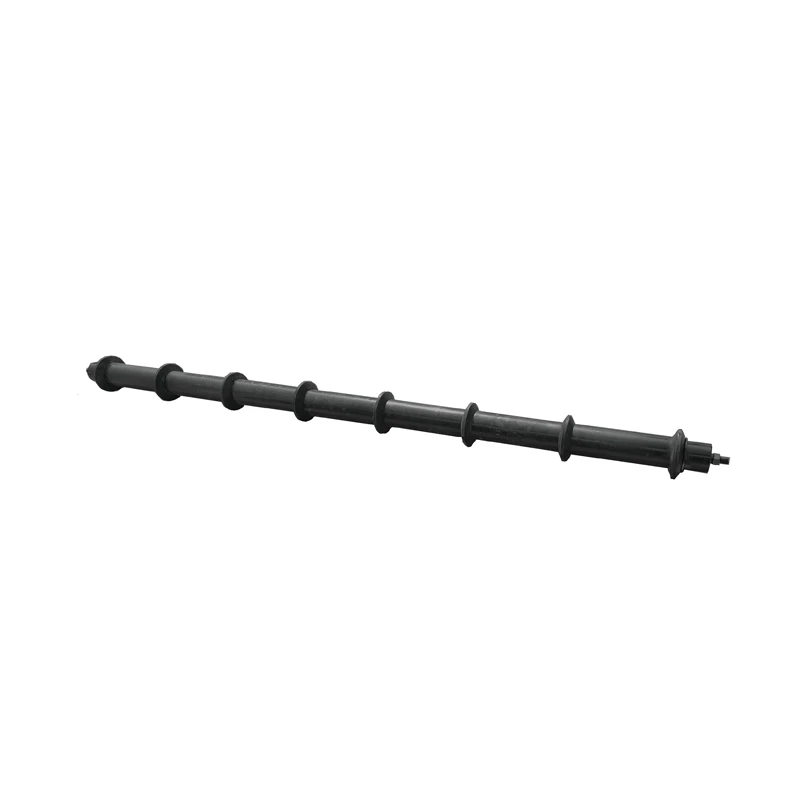
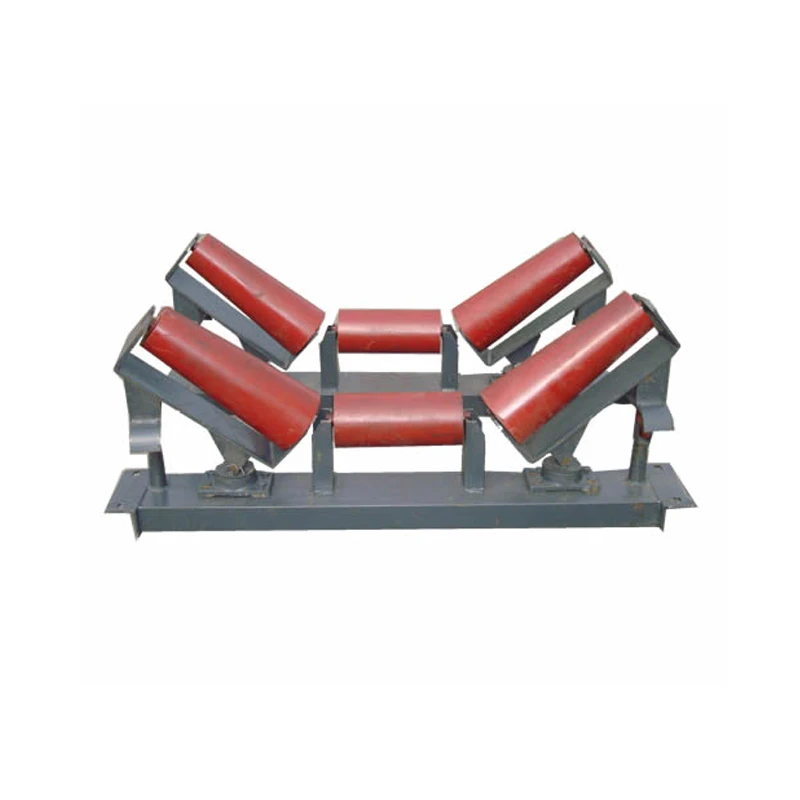
Simply put, roller ceramic parts are conveyor rollers made primarily from engineered ceramic materials instead of traditional steel or rubber. Ceramics — often alumina- or zirconia-based — are prized for their hardness, chemical inertness, and wear-resistance. When used as rollers supporting conveyor belts, they reduce friction and resist surface abrasion that would otherwise degrade steel rollers quickly.
This durability aligns closely with modern industry demands for equipment that can survive continuous operation without frequent replacement. Equally important, roller ceramic solutions often contribute to humanitarian efforts where reliable materials are scarce — allowing critical goods to reach remote areas without interruption.
Key Features of Roller Ceramic That Make a Difference
1. Durability and Wear Resistance
Many engineers swear by ceramic rollers because they last up to five times longer than steel in abrasive or corrosive environments. A side effect? Less frequent maintenance means fewer interruptions. This longevity is a direct cost saver.
2. Temperature Tolerance
Ceramic rollers can withstand very high temperatures — sometimes above 1000°C — without deforming. This feature is a boon for industries like glass manufacturing or metallurgy where conveyors inch through blazing heat.
3. Corrosion and Chemical Resistance
Unlike metal, ceramic rollers don’t rust or react chemically with acids or alkalis, making them ideal for food processing plants or chemical factories. Their inertness translates into cleaner operating environments — a huge plus.
4. Low Friction and Energy Efficiency
Roller ceramic surfaces exhibit low friction coefficients, reducing the energy consumption of conveyor motors. When your rollers glide smoothly, you save watts — which, multiplied across thousands of hours, lowers your carbon footprint.
5. Scalability and Customization
Manufacturers often customize roller ceramic solutions to fit conveyor sizes and loads precisely, enabling widespread adoption from small packaging lines to massive mining conveyors.
Mini Takeaway: Roller ceramic parts are more than just tough—they’re a versatile, energy-saving option tailored for demanding industrial environments.
Real-World Applications and Success Stories
Across continents and sectors, roller ceramic technology proves its worth in fascinating ways. In Australia’s mining belts, where corrosive mineral dust erodes traditional components in months, ceramic rollers last years. This reduces both costs and safety risks related to frequent maintenance breaks.
Food processing facilities in Scandinavia rely on ceramic rollers for hygiene and corrosion resistance, ensuring their conveyor belts run cleanly and efficiently — essential given stringent food safety standards.
Even humanitarian logistics in disaster zones have benefited: roller ceramic components help deliver relief supplies via robust conveyor systems in makeshift ports, even when steel options would quickly fail.
Mini Takeaway: Whether mining, food processing, or disaster relief, roller ceramic is quietly powering vital global operations that demand durability.
Product Specification Table: Typical Roller Ceramic Features
| Specification | Description |
|---|---|
| Material | Alumina (Al2O3) or Zirconia-based ceramic |
| Diameter Range | 50 mm – 300 mm (custom sizes available) |
| Temperature Tolerance | Up to 1200°C |
| Hardness | Mohs 8.5 – 9 |
| Corrosion Resistance | Excellent against acids, alkalis, salts |
| Expected Lifespan | 3–5 times that of steel rollers |
Comparing Leading Roller Ceramic Vendors
| Vendor | Material Quality | Customization | Price Range | Lead Time |
|---|---|---|---|---|
| CeramTech Inc. | High purity alumina | Full custom sizes and coatings | $$$ | 4–6 weeks |
| RollerPro Ceramics | Alumina with zirconia additives | Standard and semi-custom | $$ | 3–5 weeks |
| EcoRoll Ceramic | Eco-friendly production alumina | Limited customization | $ | 6–8 weeks |
The Real Value: Long-Term Advantages of Roller Ceramic Rollers
Now, on paper, roller ceramic parts shine with their strength and resistance. But in real terms, their value extends to operational safety — fewer replacements mean less human risk working among moving machinery. Plus, sustainability takes center stage as these rollers reduce waste and energy use. It’s a quiet win for businesses striving for green certifications.
Emotionally, customers report a kind of peace of mind knowing that their conveyors won’t betray them mid-shift. I'd bet that kind of reliability isn’t just a line on the balance sheet — it’s part of a company’s ethos.
Looking Forward: Innovations and Emerging Trends in Roller Ceramic
It’s 2024, and the conveyor world is quietly embracing digital transformation. Sensor-enabled ceramic rollers that monitor wear in real time are becoming a reality. This means predictive maintenance, fewer surprises, and smoother production lines. On the materials side, hybrid ceramics infused with nano-coatings promise even better friction and longevity.
With a push toward sustainability, green manufacturing processes for roller ceramic parts aim to cut carbon footprints. Not to mention, automation in conveyor setups increasingly depends on roller ceramics that can handle unpredictable conditions without faltering.
Challenges Remain — But Solutions Are on the Horizon
That’s not to say roller ceramic is perfect. Initial costs can be steep, and some industries hesitate, fearing brittle failure — which is a fair concern given the material’s physical properties. Yet, manufacturers address this through improved design, thorough testing, and hybrid roller solutions combining ceramic cores with protective metal housings.
The key is education and proper application. When used where their strengths shine, ceramic rollers drastically cut costs. It often feels like convincing an industry to trade old habits for a quieter, smarter future.
FAQ: Common Questions on Roller Ceramic
-
Q: How much longer do roller ceramic parts last compared to steel?
A: Typically, ceramic rollers can last between 3 to 5 times longer than standard steel rollers, especially in abrasive or corrosive environments, significantly reducing replacement frequency. -
Q: Are ceramic rollers suitable for food processing conveyors?
A: Yes, their corrosion resistance and inertness make them excellent for hygienic environments like food processing, helping maintain cleanliness and comply with safety standards. -
Q: Can roller ceramic components be customized for different conveyor sizes?
A: Absolutely. Most vendors offer customizable roller diameters and lengths to fit various conveyor systems, ensuring optimal integration. -
Q: Are ceramic rollers prone to cracking under impact?
A: While ceramics are generally brittle, modern manufacturing improves toughness significantly. Using hybrid designs or protective housing helps mitigate impact damage. -
Q: How do roller ceramic parts contribute to energy efficiency?
A: Their low friction surfaces reduce the power needed to drive conveyors, which over time translates to meaningful energy savings.
Conclusion: Why Roller Ceramic is a Smart Investment Today
In a world hungry for durable, efficient, and sustainable industrial parts, roller ceramic components quietly deliver. Their ability to resist wear, handle extreme conditions, and reduce downtime offers businesses a game-changing edge. If you're managing conveyor systems and looking to invest smartly, roller ceramic could well be your champion for years ahead.
For more detailed info or to explore options, visit our website: https://www.hgconveyorbelt.com