Stainless Steel Roller Price: Why It Matters Across Industries
Stainless steel rollers may sound niche, but their price and quality influence a wide swath of industries worldwide. From manufacturing conveyor belts to precision processing lines, understanding the stainless steel roller price helps businesses balance performance, cost, and longevity. Globally, as supply chains tighten and stainless steel raw materials fluctuate, discerning buyers want more than just a number — they want insight into what drives that price, what benefits remain hidden behind it, and how to get the best value without compromise.
In a nutshell: stainless steel rollers are critical, durable parts that keep goods flowing efficiently. Knowing the cost dynamics not only saves money but supports innovation, sustainability, and even humanitarian logistics in areas where robust material handling is essential.
Introduction: Stainless Steel Roller Price on the Global Stage
Stainless steel serves as the backbone for many sectors — everything from food and pharma to mining and recycling depends heavily on it. According to international steel statistics (World Steel Association, 2023 data), the global stainless steel market is expected to grow at about 5% annually, driven partly by the increased demand for rollers used in conveyor systems and industrial applications.
Now, getting the stainless steel roller price right isn't just about metal costs; the price is a complex dance of supply chain volatility, alloy grades, manufacturing technologies, and even geopolitical dynamics. For example, recent tariffs and raw material shortages have caused noticeable price swings, leaving procurement managers wondering about cost predictability and ROI.
On a more practical note: if your conveyor rollers are outdated or cheap imitations, expect frequent downtime, costly maintenance, and sometimes safety hazards — the stakes can be pretty high.
Defining Stainless Steel Roller Price: Beyond the Tag
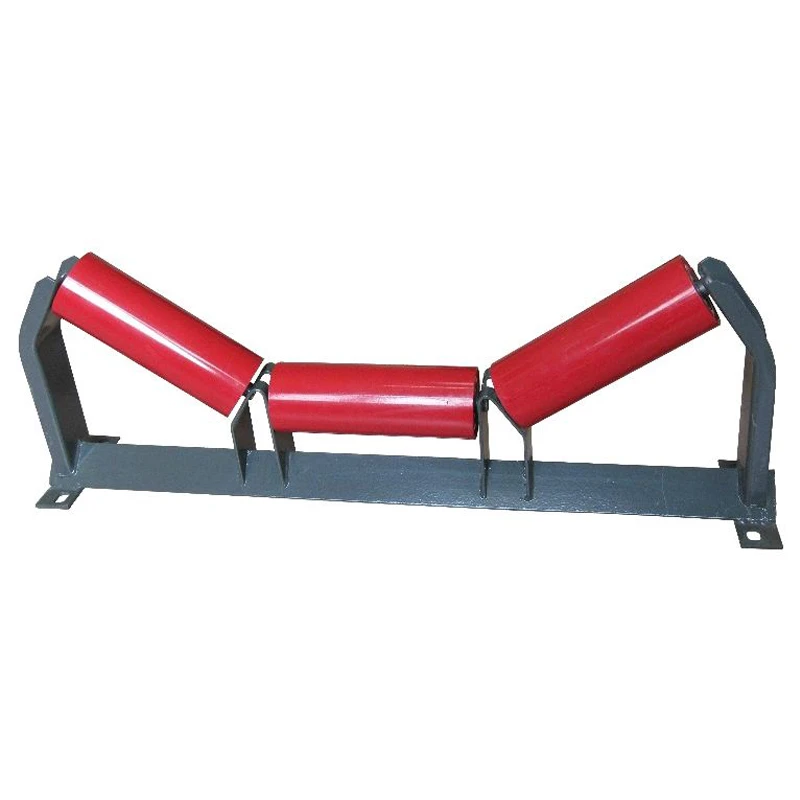
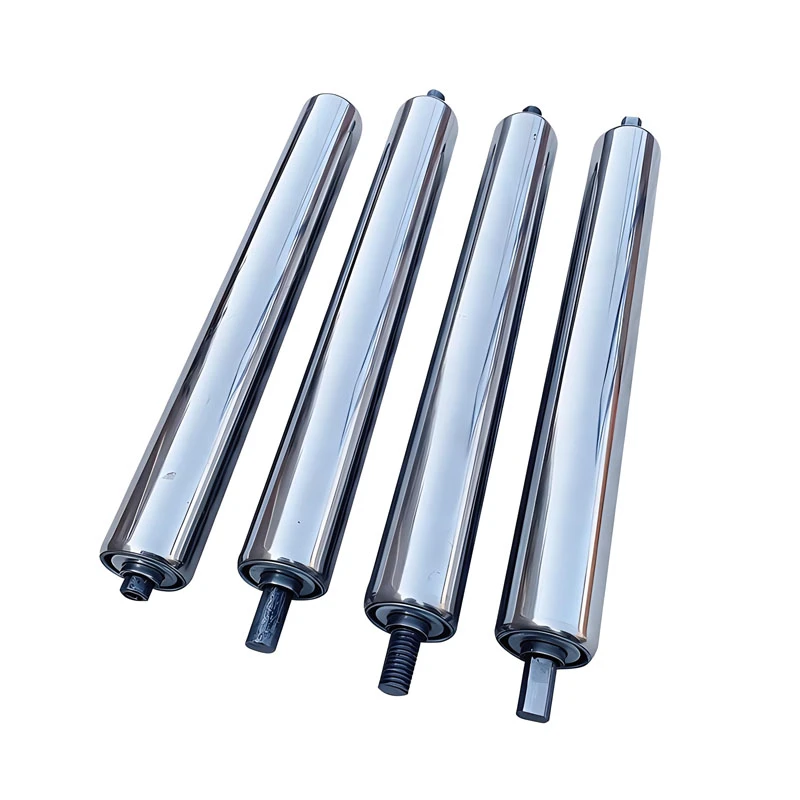
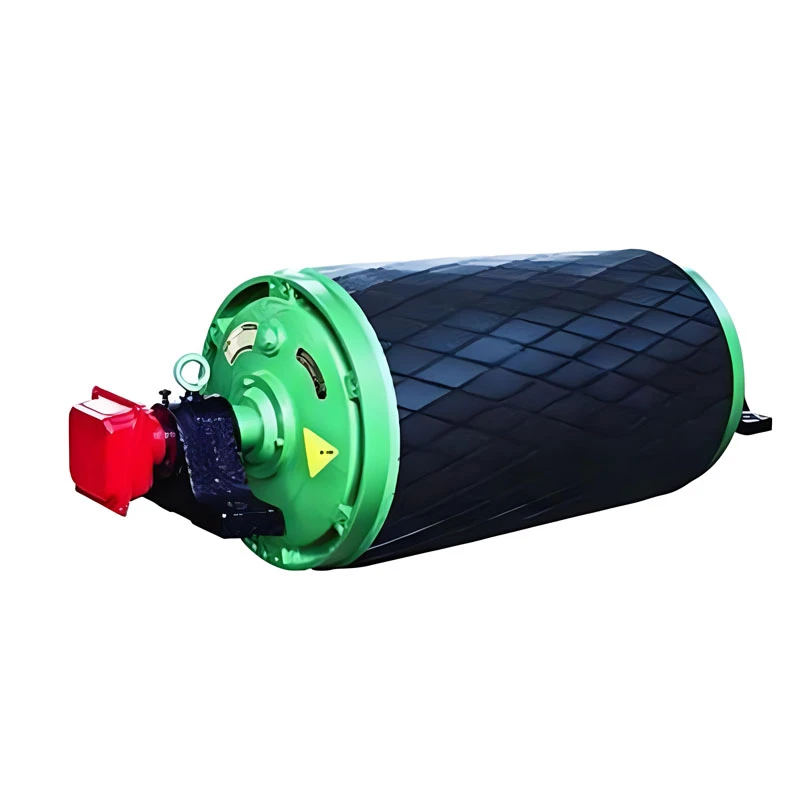
Put simply, stainless steel roller price refers to the cost of acquiring rollers made from stainless steel alloys used in conveyors, automated machinery, and other material handling systems. These rollers come in many forms — idler rollers, drive rollers, drum rollers — each with unique specs and applications.
But the “price” encompasses more than just the metal and machining. It also reflects:
- Material grade and treatment
- Precision of manufacturing tolerances
- Surface finish, which matters for hygiene or friction levels
- Load capacity and expected lifespan
Why does this matter beyond the factory floor? Because stainless steel rollers often keep humanitarian aid flowing in disaster zones or ensure clean food handling in sensitive supply chains. So understanding pricing links directly to reliability and social responsibility.
Key Factors Influencing Stainless Steel Roller Price
1. Material Composition and Grade
Stainless steel alloys vary — 304, 316, and duplex grades are common. Generally, better corrosion resistance and strength will bump up the price. For example, you pay more for 316 stainless rollers used in marine or chemical environments than for general-purpose 304s.
2. Manufacturing Precision and Finish
Highly polished rollers can reduce friction and contamination risks, crucial in food or pharmaceutical industries, but they cost extra. Rough or matte finishes might be enough for mining or heavy freight.
3. Roller Size and Load Requirements
Bigger, heavier rollers require more material and robust internal bearings, materially driving up the stainless steel roller price. Custom diameters or special load-handling specs matter a lot.
4. Supply Chain & Raw Material Costs
Nickel, chromium, and molybdenum prices fluctuate globally. These feed directly into steel prices and elastic roller costs. Shipping delays or tariffs also play a role.
5. Quantity and Vendor Selection
Larger orders benefit from economies of scale; boutique manufacturers may charge premium prices for customization or fast delivery.
Mini takeaway: Price isn’t a solitary figure — it’s a bundled story of materials, specs, and supply dynamics that you navigate as a savvy buyer.
Specifications Table: A Typical Stainless Steel Roller
| Specification | Typical Value | Notes |
|---|---|---|
| Material Grade | 304 or 316 Stainless Steel | 316 preferred for corrosion resistance |
| Diameter | 50–150 mm | Custom sizes available |
| Length | 300–1200 mm | Based on conveyor width |
| Load Capacity | Up to 1000 kg per roller | Depends on bearing type |
| Surface Finish | Ra | Sanitary applications |
| Price Range (USD) | $30 – $150 per roller | Depends on specs and quantity |
Global Applications: Where Stainless Steel Rollers Make a Difference
Industries worldwide rely on stainless steel rollers for smooth operations:
- Food & Beverage: Hygienic rollers help transport products without contamination — in places like the EU and North America, strict hygiene laws make stainless steel essential.
- Mining & Minerals: Robust rollers tolerate harsh environments in Africa and Australia.
- Pharmaceuticals: In Asia-Pacific, conveyor rollers with smooth, corrosion-resistant finishes enable safer ingredient handling.
- Disaster Relief Logistics: Aid agencies use durable rollers to speed up loading/unloading in tough conditions — think of emergency food shipments arriving in remote regions.
- Recycling Industries: Stainless steel helps resist abrasive wear, aiding sustainable waste processing worldwide.
Oddly enough, even industries as divergent as airport baggage handling and solar panel manufacturing depend on precise, reliable rollers, showing just how versatile these components are.
Vendor Comparison: Key Manufacturers in Stainless Steel Rollers
| Vendor | Price Range (USD) | Customization Level | Lead Time | Notable Strength |
|---|---|---|---|---|
| RollerCo International | $40 – $130 | High | 4–6 weeks | Custom finishes, global shipping |
| SteelRoll Solutions | $30 – $100 | Medium | 3–5 weeks | Cost-effective for large orders |
| PrimeMetal Rollers | $50 – $150 | Very High | 6–8 weeks | Premium quality, advanced coatings |
Advantages & Long-Term Value of Understanding Stainless Steel Roller Price
Paying attention to stainless steel roller price isn’t penny-pinching—it’s savvy investment. Durable stainless rollers reduce downtime and maintenance costs, which often makes a relatively higher upfront price a steal in the long run.
Additionally:
- Sustainability: Stainless steel is recyclable, and quality rollers mean less replacement waste.
- Safety & Reliability: Proper rollers minimize failures that endanger workers or disrupt production.
- Innovation & Trust: Leading manufacturers invest in testing, coatings, and precision machining that you get only when the price reflects that quality.
These factors combine to create tangible and even emotional value — reliable conveyors = peace of mind, dignity in supply (especially in humanitarian logistics), and confidence in brand performance.
Future Trends & Innovations in Stainless Steel Rollers
The conveyor industry is anything but static:
- Smart Rollers: Embedded sensors track wear and performance remotely, cutting downtime further.
- Eco-friendly Materials: New stainless steel recycling methods and lighter alloys lower environmental impact and cost.
- Automation: As production lines digitize, rollers must integrate smoothly with AI-based diagnostics.
- Surface Treatments: Anti-bacterial coatings or nano finishes promise cleaner, more durable rollers for sensitive industries.
In real terms, these developments might add little to the unit price but deliver huge savings and safety upgrades.
Challenges & Solutions Around Stainless Steel Roller Pricing
Of course, it’s not all smooth sailing. Common challenges include volatile metal prices, long lead times, and mismatched vendor specs. Some buyers feel stuck between wanting premium quality and tight budgets — I suppose that’s familiar to most folks in manufacturing.
Good news? Many suppliers now offer modular designs or local stocking options that reduce wait times and lower costs. Bulk-buying cooperatives or pooled procurement (common in humanitarian sectors) also help stabilize pricing.
Beyond that, requesting detailed spec sheets and testing reports can avoid costly mistakes — that’s invaluable advice, straight from industry consultants.
FAQ: Frequently Asked Questions About Stainless Steel Roller Price
Q1: What factors most influence stainless steel roller price fluctuations?
A: Raw material prices, especially nickel and chromium, heavily impact roller costs. Manufacturing complexity, finish quality, and order volume also play major roles.
Q2: Are more expensive rollers always better?
A: Not necessarily. Price often correlates with quality, but ensure specs match your industry requirements. Sometimes mid-range rollers suit heavy-duty needs better.
Q3: How can I check if a vendor’s price is fair?
A: Compare multiple quotes, look for certifications (ISO 9001, ASTM standards), and ask for references or sample testing data.
Q4: Can I find eco-friendly stainless steel rollers without paying more?
A: Emerging suppliers focus on recycled materials and greener production methods which may bring prices close to traditional rollers.
Q5: Does roller size affect price significantly?
A: Yes, larger or heavier rollers use more material and stronger bearings, typically increasing their price.
Conclusion: Why Staying Informed About Stainless Steel Roller Price Pays Off
In a nutshell, savvy understanding of stainless steel roller price unlocks more than just cost savings. It means investing in reliability, sustainability, and innovation. Whether you're streamlining food packing lines or supplying disaster relief hubs, this knowledge helps you make choices that last.
If you want to dive deeper into specs, market trends, and find trusted suppliers — visit our website: stainless steel roller price and explore tailored solutions for your needs.
References & Further Reading
- World Steel Association — Global Stainless Steel Trends
- Stainless Steel - Wikipedia
- ISO Standards for Stainless Steel Products