Understanding Stainless Steel Roller Manufacturers: Why It Matters Today
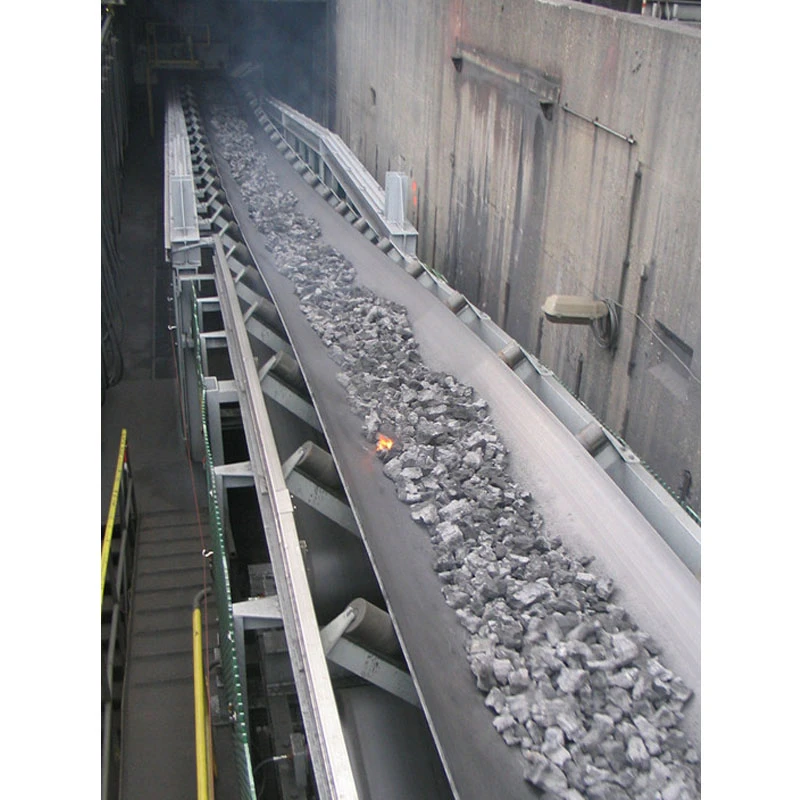
If you’ve ever wondered how conveyor systems keep things moving smoothly across industries — from food processing to mining — there’s a high chance stainless steel rollers are involved. Behind these vital components are the stainless steel roller manufacturers, a niche yet globally significant segment of the supply chain. Why? Because these manufacturers power industries that shape economies and impact millions of lives worldwide.
Globally, the conveyor and materials handling market was valued at over $35 billion in 2023, growing steadily as manufacturing output and logistics needs rise [1]. Stainless steel rollers, known for their durability and corrosion resistance, are key to systems operating in everything from pharmaceuticals to packaging — areas where hygiene, reliability, and longevity are paramount.
Understanding these manufacturers means grasping the subtle but crucial engineering behind rollers that often bear the brunt of hostile environments, heavy loads, and nonstop motion. Plus, their innovations often ripple into humanitarian logistics — think disaster relief supply chains or remote mining camps. So while they may be ‘simple’ parts, these manufacturers have a far reach.
Mini takeaway: Stainless steel roller manufacturers are unsung heroes in global supply chains, ensuring industrial efficiency and supporting vital sectors worldwide.
Global Context: The Role and Reach of Stainless Steel Roller Providers
Let’s zoom out. The production and distribution of stainless steel rollers isn’t just an industrial footnote — it’s intertwined with major global trends. According to the International Organization for Standardization (ISO), standards for stainless steel components have increased worldwide to meet demands for safety and environmental compliance [2]. This tightens the link between manufacturers producing high-quality rollers and industries aiming to reduce waste and boost efficiency.
Yet manufacturing these components also poses challenges — regional supply chain disruptions, climbing raw material prices, and environmental regulations frequently pressurize producers to innovate. Stainless steel roller manufacturers must balance cost, quality, and ecological impact — no small feat in a world increasingly focused on sustainability.
Mini takeaway: These manufacturers operate at the crossroads of industrial demand, innovation, and sustainability pressures.
What Exactly Are Stainless Steel Roller Manufacturers?
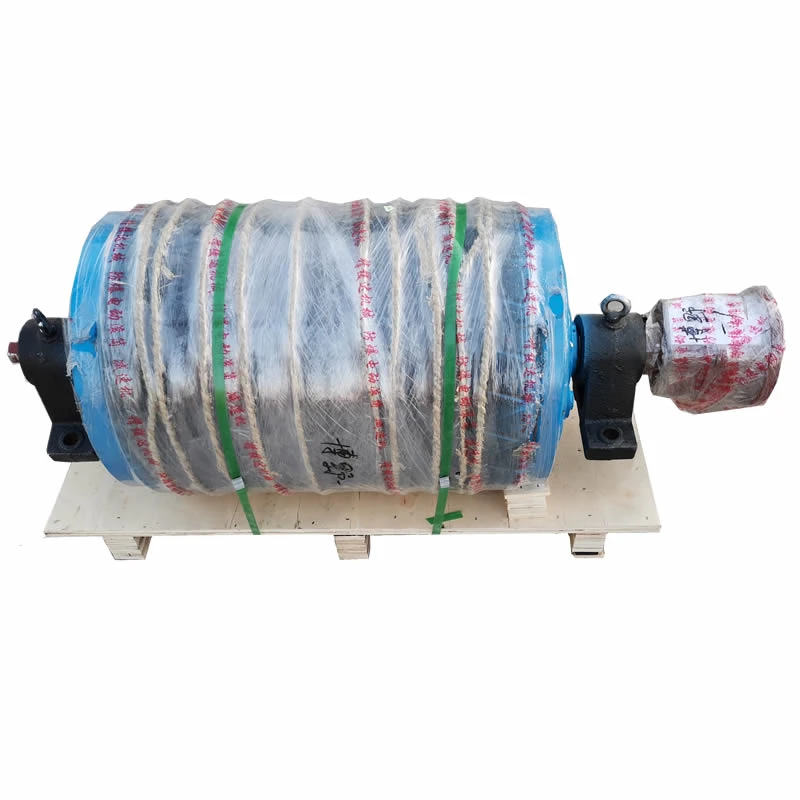
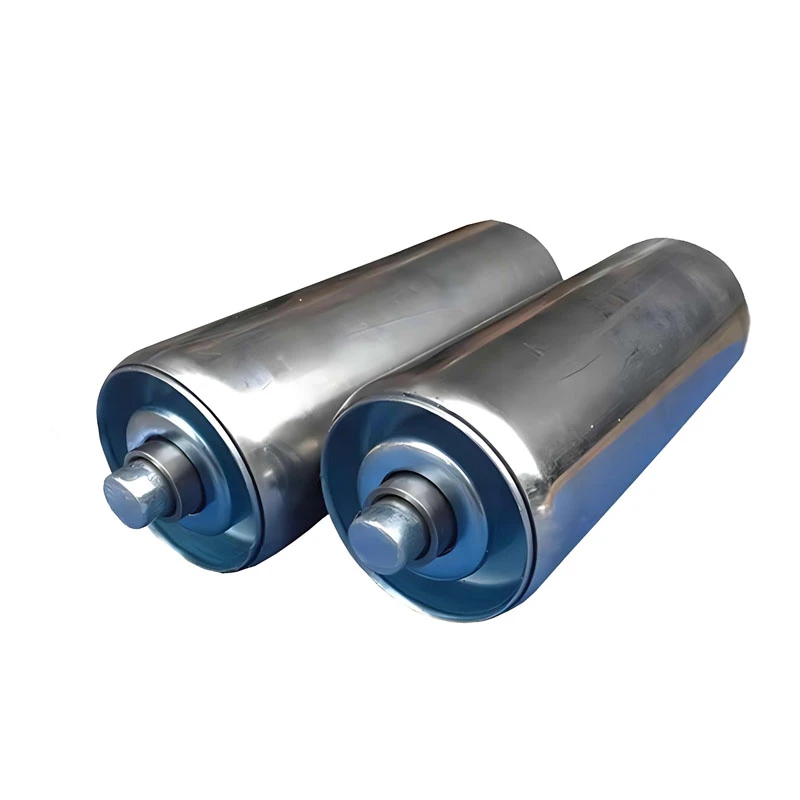
Simply put, stainless steel roller manufacturers design, fabricate, and supply rollers made predominantly from stainless steel alloys. These rollers become the moving “wheels” in conveyor belts, guiding and supporting materials or products. The stainless steel element makes them resistant to rust, chemical corrosion, and wear — vital for harsh conditions.
In industries like food processing or pharmaceuticals, for example, stainless steel rollers mean conveyors meet hygiene standards, easily cleaned without degrading. In others, such as mining or heavy industry, their toughness allows rollers to endure abrasive materials and tough environments.
Mini takeaway: These manufacturers blend materials science and mechanical engineering to produce components that keep industries moving safely and efficiently.
Core Components That Define Quality Stainless Steel Rollers
Durability
This is the bread and butter of stainless steel rollers. They must resist rust and physical impacts. Manufacturers usually select alloys like 304 or 316 stainless steel — the latter offering marine-grade corrosion resistance. For heavy industries, durability translates to fewer replacements and lower downtime.
Precision Engineering
Rollers aren't just cylinders; tolerances are tight. Flaws can cause jams or skewed products. Manufacturers rely on CNC machining and rigorous quality checks to hit exact diameters and surface finishes.
Customization & Scalability
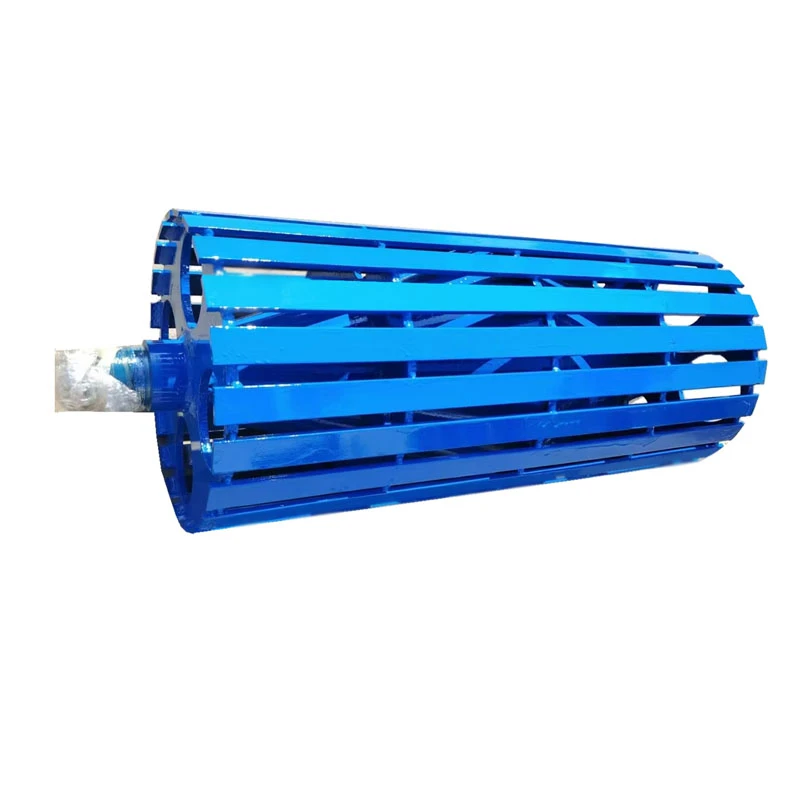
No two conveyor systems are alike. Leading stainless steel roller manufacturers provide tailored sizes, load capacities, and surface textures to fit specific use cases — whether a food-grade smooth roller or a knurled roller for grip.
Cost Efficiency
While stainless steel rollers cost more upfront than painted steel or plastic alternatives, their lifespan and performance often justify the investment. Manufacturers constantly optimize processes to offer competitive pricing without sacrificing quality.
Compliance & Certification
Especially important in sensitive sectors — food, pharma, medical devices — certifications like FDA-compliance or ISO 9001 quality management assure buyers of safe and consistent product quality.
Mini takeaway: It’s the combination of material choice, engineering precision, and certifications that set stellar stainless steel roller manufacturers apart in a crowded market.
Where Are Stainless Steel Rollers Making a Difference?
Your morning coffee beans might have rolled on a stainless steel conveyor in the manufacturing plant. Food, beverages, pharmaceuticals, manufacturing, logistics hubs — these sectors rely heavily on stainless steel rollers worldwide.
- Asia-Pacific: Rapid industrial growth means growing demand for conveyor components in China’s manufacturing hubs and Indian logistics centers.
- Europe: Stringent hygiene laws stimulate production of top-grade rollers for food and pharma industries a la Germany and Scandinavia.
- North America: Automation in warehouses and mining sites keeps innovation focused on durability and digital integration.
Oddly enough, humanitarian missions also benefit. In post-disaster relief areas, stainless steel rollers onboard mobile conveyor units enable rapid distribution of aid without frequent failures, something NGOs and international agencies highly value.
Mini takeaway: Stainless steel rollers transcend borders, bolstering economies, industries, and humanitarian efforts alike.
Advantages That Keep Providers in Demand
What’s behind the growing trust in stainless steel roller manufacturers? Several tangible benefits:
- Longevity: Corrosion resistance means fewer replacements and smoother operational flow.
- Hygiene: Easy sanitation promotes safety in food and pharma systems.
- Environmental Sustainability: Recyclable materials and long life reduce waste footprints.
- Economic Value: Reduced downtime and maintenance translate to overall savings — a win for CFOs.
- Trust: Reliable components foster confidence among engineering teams and end users.
One manufacturing plant manager told me once, “It’s not glamorous, but these rollers keep our entire line humming. When one fails, you feel it immediately.” That’s the quiet power of dependable stainless steel rollers.
Mini takeaway: It’s about blending logical efficiency with emotional peace of mind that drives demand for quality rollers.
Looking Ahead: What’s Next for Stainless Steel Roller Manufacturers?
Innovation marches on. Several trends shape the future:
- Smart Rollers and IoT: Sensors embedded in rollers could provide real-time data on wear, load, and maintenance needs.
- Green Manufacturing: Using greener steel sourcing and lower energy fabrication methods to reduce carbon footprints.
- Advanced Coatings: Developing antibacterial or self-lubricating coatings to boost hygiene and performance.
- Automation & Custom AI Design: Software helping manufacturers quickly prototype and produce bespoke rollers.
In real terms, these innovations mean machines that anticipate failure before it disrupts production — a game changer.
Mini takeaway: The future is smart, sustainable, and tailored — stainless steel roller manufacturers are no different.
Common Challenges and How Experts Overcome Them
No industry rides smoothly without bumps. Some ongoing hurdles include:
- Raw Material Price Volatility: Steel prices fluctuate, affecting cost predictability.
- Supply Chain Interruptions: Global conflicts or pandemic aftershocks delay deliveries.
- Customization Timeframes: Tailored rollers take longer to produce, straining fast-moving projects.
To combat this, many manufacturers are diversifying suppliers, increasing in-house machining capabilities, and investing in modular designs that speed up custom orders. It’s a clever balancing act between quality and agility.
Mini takeaway: Flexibility and innovation help manufacturers stay ahead despite market and logistical challenges.
Product Specification Table: Sample Stainless Steel Roller Details
| Specification | Detail |
|---|---|
| Material | Stainless Steel 304 / 316 |
| Diameter | 25mm – 150mm (custom sizes available) |
| Length | 100mm – 2000mm |
| Load Capacity | Up to 1500 kg per roller |
| Surface Finish | Polished / Matte / Knurled |
| Certifications | ISO 9001, FDA (if applicable) |
Vendor Comparison Table: Top Stainless Steel Roller Manufacturers
| Manufacturer | Key Strengths | Customization | Lead Time | Sustainability |
|---|---|---|---|---|
| GlobalRollers Inc. | High precision CNC machining | Full custom designs | 4-6 weeks | ISO 14001 certified |
| Stainless Pro | Food-grade sanitary rollers | Standard & custom variants | 3-5 weeks | Uses recycled steel |
| EcoRollers Ltd. | Green manufacturing processes | Modular solutions | 6-8 weeks | Carbon-neutral facility |
FAQ: Your Top Questions, Answered
1. What materials are best for stainless steel rollers used in food production?
The most common stainless steel grades for food processing are 304 and 316. Grade 316 offers enhanced corrosion resistance especially in salty or acidic environments. Both are FDA compliant, making them suitable where hygiene is critical.
2. How long can stainless steel rollers last in heavy industrial use?
If properly maintained and selected for the environment, stainless steel rollers can last 5 to 10 years or more. Their corrosion resistance and mechanical strength minimize wear, reducing downtime and replacement costs.
3. Are custom stainless steel rollers expensive compared to standard ones?
Custom rollers generally command a higher price due to tailored sizing, surface finishes, or load specs. However, these costs can be offset by longer service life and optimized performance for your specific application.
4. Can I find stainless steel roller manufacturers who prioritize sustainability?
Yes, many manufacturers have started embracing greener practices like using recycled steel, eco-friendly coatings, or energy-efficient fabrication. Look for certifications like ISO 14001 or carbon-neutral production claims.
5. How do I ensure timely delivery of customized rollers?
Work closely with your supplier to understand lead times upfront. Some manufacturers offer modular designs or maintain inventory for common sizes to speed up delivery. Planning and clear communication always help.
Conclusion: The Long-Term Value of Partnering With Trusted Stainless Steel Roller Manufacturers
At the end of the day, stainless steel roller manufacturers don’t just produce components — they support the seamless operation of systems that feed industries, economies, and even humanitarian efforts. Their work embodies a quiet blend of precision, innovation, and reliability.
For companies serious about uptime, hygiene, and sustainability, investing in quality stainless steel rollers is a no-brainer. If you’re interested in exploring your options or need expert advice tailored to your industry, I highly recommend visiting stainless steel roller manufacturers — they offer both broad expertise and hands-on support you won’t regret.
After all, sometimes what feels like a small component drives the biggest changes.