Stainless Steel Pipe Rollers: Small Components Driving Big Industrial Progress
At first glance, stainless steel pipe rollers might seem like humble hardware — essentially rollers that help pipes move or stay aligned during processing, transport, or installation. Yet, these little marvels are quietly indispensable across countless global industries, shaping manufacturing, construction, and infrastructure projects worldwide. Understanding what stainless steel pipe rollers are and why they matter helps us appreciate their role in enhancing efficiency, durability, and sustainability in diverse operations.
Why Stainless Steel Pipe Rollers Matter in a Global Industry Landscape
Globally, the demand for reliable, corrosion-resistant components in pipe handling is rising steadily. According to ISO standards surrounding industrial materials and the World Bank's data on infrastructure investments, stainless steel's worldwide production hit nearly 55 million metric tons in 2022, reflecting how crucial corrosion-resistant materials are to modern industry [1]. Within this, pipe rollers—a seemingly niche segment—address a common challenge: the risk of pipe damage, misalignment, or workflow delays during large-scale handling and installation.
In sectors like oil and gas, water treatment, and even humanitarian engineering projects, the reliability of the pipe rollers can literally make or break the supply chain or emergency response effectiveness. The focus? Durable rollers that can withstand abrasive environments, align heavy pipes smoothly, and reduce downtime on critical projects worldwide.
Mini Takeaway: Stainless steel pipe rollers are a vital, often overlooked link in the global supply chain, underpinning safer, smoother, and more efficient pipe handling in diverse industries.
What Exactly Are Stainless Steel Pipe Rollers?
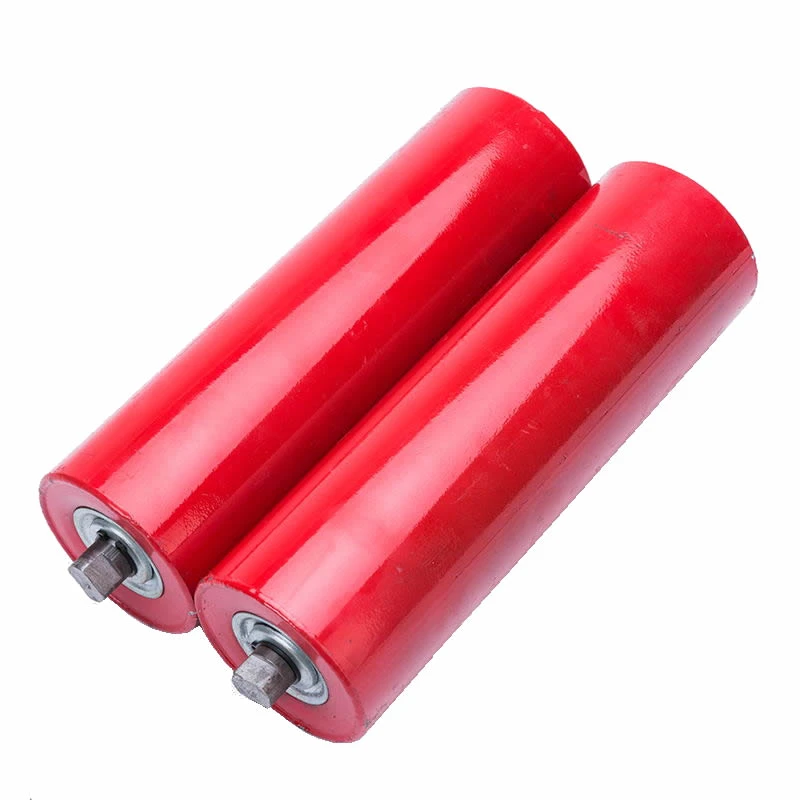
Simply put, stainless steel pipe rollers are mechanical components designed to support, rotate, or guide pipes through handling phases like welding, coating, inspection, or transportation. Unlike generic rollers, those made from stainless steel resist corrosion, offer longer lifespans, and perform reliably under harsh conditions—think offshore rigs or desert oilfields.
They are typically cylindrical with precision bearings inside and arrive in varying diameters and load capacities, tailored to the pipes they handle. Their presence is essential in manufacturing plants, construction sites, and even temporary relief projects, where pipe infrastructure sets the foundation for everything from clean water delivery to energy distribution.
Core Aspects of Stainless Steel Pipe Rollers
Durability
The hallmark of stainless steel pipe rollers is their superior corrosion resistance. This isn’t just marketing fluff; these rollers can endure salty sea mists, chemical splashes, and extreme temperature swings without pitting or rusting—key for outdoor or marine environments.
Precision and Smooth Operation
High-grade bearings and finely machined roller surfaces ensure pipes can rotate or translate smoothly without snagging. This precision minimizes frictional damage to pipe surfaces, preserving integrity over time.
Load Capacity and Scalability
Different projects require vastly different rollers—from lightweight versions for small-diameter pipes to heavy-duty rollers capable of supporting multiple tons. Modular designs even enable scalability, where several rollers can be linked to support longer pipe sections.
Cost Efficiency Over Full Lifecycle
While stainless steel rollers might cost more upfront compared to carbon steel alternatives, their extended lifetimes, minimal maintenance needs, and avoidance of replacement downtime more than balance the initial expense.
Customization and Compatibility
Rolling demands vary significantly. Some rollers incorporate heat resistance for welding lines, while others are designed with specific coatings or surface finishes. Vendors often work directly with engineering teams to tailor products for unique industrial applications.
Mini Takeaway: Durable, precise, scalable, and cost-effective—stainless steel pipe rollers come packed with practical benefits that respond directly to field demands.
Where Stainless Steel Pipe Rollers Are Making Waves Globally
- Energy Sector: Oil & gas pipelines use rollers extensively during welding and inspecting pipeline sections, especially in hostile climates from Arctic tundra to Middle Eastern deserts.
- Water and Sewage Infrastructure: Urban and rural projects rely on corrosion-resistant rollers to handle pipes delivering clean water and removing waste efficiently.
- Disaster Relief and Temporary Installations: NGOs and engineers working in post-disaster zones use mobile pipe roller units to quickly set up lifesaving water and energy lines.
- Manufacturing and Fabrication: Pipe fabricators globally incorporate rollers into automated lines to speed up coating, cutting, or shaping processes without damaging delicate pipe surfaces.
Oddly enough, in places like Southeast Asia’s flood-prone areas, these rollers indirectly support life-saving infrastructure by enabling faster pipe deployment for drainage and irrigation systems. In remote industrial zones—say, mining operations in Canada or Australia—rugged rollers reduce downtime due to equipment failure, improving overall productivity.
Advantages of Stainless Steel Pipe Rollers: Why Invest?
Beyond the raw technical specs, there’s a strong case for their long-term social and operational value. For one, using corrosion-resistant rollers means less frequent replacement, less waste, and a lower environmental footprint—a small but meaningful nod to sustainability. From a safety aspect, reliable rollers mean fewer pipe mishaps, protecting workers and ensuring project timelines hold true.
On a more emotional level, many engineers echo how knowing their rollers won’t seize up when needed fosters trust and confidence, which in high-stakes projects translates into calmer, more efficient teams. Furthermore, stable and secure pipe handling supports the dignity of communities relying on critical infrastructures like clean water or gas supplies.
Product Specification Snapshot of Stainless Steel Pipe Rollers
| Feature | Specification | Comments |
|---|---|---|
| Material | AISI 304 / 316 Stainless Steel | Marine-grade option available |
| Diameter Range | 50 mm – 600 mm | Custom sizes possible |
| Load Capacity | Up to 10,000 kg per roller | Heavy-duty models available |
| Bearing Type | Sealed ball bearings | Maintenance-free with lubrication |
| Surface Finish | Polished or matte | Depends on application needs |
Comparing Stainless Steel Pipe Roller Vendors: What Sets Leaders Apart?
| Vendor | Material Options | Customization | Price Range | Lead Time |
|---|---|---|---|---|
| SteelRoll Inc. | AISI 304 / 316 | Full; on-site consulting | $$$ | 4-6 weeks |
| PipeGlide Solutions | 304 Stainless Steel only | Partial; standard mods | $$ | 3-4 weeks |
| RollTech Global | 316 and specialty alloys | Extensive; for high-temp & special | $$$$ | 6-8 weeks |
Looking Ahead: Future Trends In Stainless Steel Pipe Roller Technology
Technology doesn’t stand still, and pipe rollers reflect that evolution. I noticed a growing trend toward integrating smart sensors inside rollers to monitor real-time load stresses and environmental conditions — a sort of “Internet of Things” approach to industrial hardware. This helps predict maintenance needs before failures occur, aligning neatly with the Industry 4.0 digital revolution.
Materials science is also pushing boundaries, with developments in ultra-high corrosion-resistant alloys and self-lubricating bearing systems gaining ground. On the sustainability front, manufacturers are exploring carbon-neutral production and recyclable roller designs, reducing the environmental toll of repeated roller replacements.
Common Challenges & How to Tackle Them
- High Initial Cost: Stainless steel rollers can feel pricey. But the key is to evaluate full lifecycle cost, not just sticker price. Many engineers swear by total cost of ownership analyses that factor in downtime savings and maintenance avoidance.
- Environmental Wear: Extreme environments cause abrasion and seal failures. Forward-thinking vendors now use enhanced sealing tech and surface treatments to extend operating life multiple folds.
- Customization Delays: Tailored rollers can mean longer lead times. Here, fostering early collaboration between project engineers and suppliers solves many headaches.
FAQ: Frequently Asked Questions About Stainless Steel Pipe Rollers
- Q: How do stainless steel pipe rollers improve pipe handling over conventional rollers?
- A: Their corrosion resistance ensures longevity even in harsh environments such as offshore platforms or chemical plants. This reduces downtime and repair costs, while providing smoother pipe movement.
- Q: What sizes of pipe rollers are typically available for industrial use?
- A: Rolling diameters generally range from about 50 mm to over 600 mm to accommodate different pipe diameters and weights. Many vendors offer custom sizing as well.
- Q: Are stainless steel pipe rollers suitable for outdoor construction projects?
- A: Absolutely. Their resistance to rust and temperature variations makes them ideal for outdoor use, especially in coastal or industrial zones where exposure to corrosive elements is common.
- Q: How does preventive maintenance work for these rollers?
- A: Most feature sealed bearings that come pre-lubricated, requiring minimal maintenance. In harsh or heavy-duty applications, periodic inspections and occasional lubrication are encouraged for optimal service life.
- Q: Can I source custom stainless steel pipe rollers internationally?
- A: Yes, many suppliers offer global shipping and customization services. It's best to plan ahead to account for lead times and compliance with local regulations.
Conclusion: The Quiet Strength of Stainless Steel Pipe Rollers
In the grand tapestry of global infrastructure, stainless steel pipe rollers are small but mighty players. Offering unmatched durability, operational efficiency, and adaptability, they enable smoother, safer pipe handling from remote industrial zones to emergency relief setups. By investing in quality rollers, businesses and NGOs alike tap into a resource that saves time, cuts long-term costs, and supports sustainable, resilient infrastructure worldwide.
If you’re weighing options for pipe handling components, I encourage you to explore stainless steel pipe rollers—a choice that keeps things rolling smoothly, literally.
Thanks for reading — sometimes the quietest parts do the heaviest lifting.
References: