A Practical Guide to types of belt cleaners — with hard-won shop-floor lessons
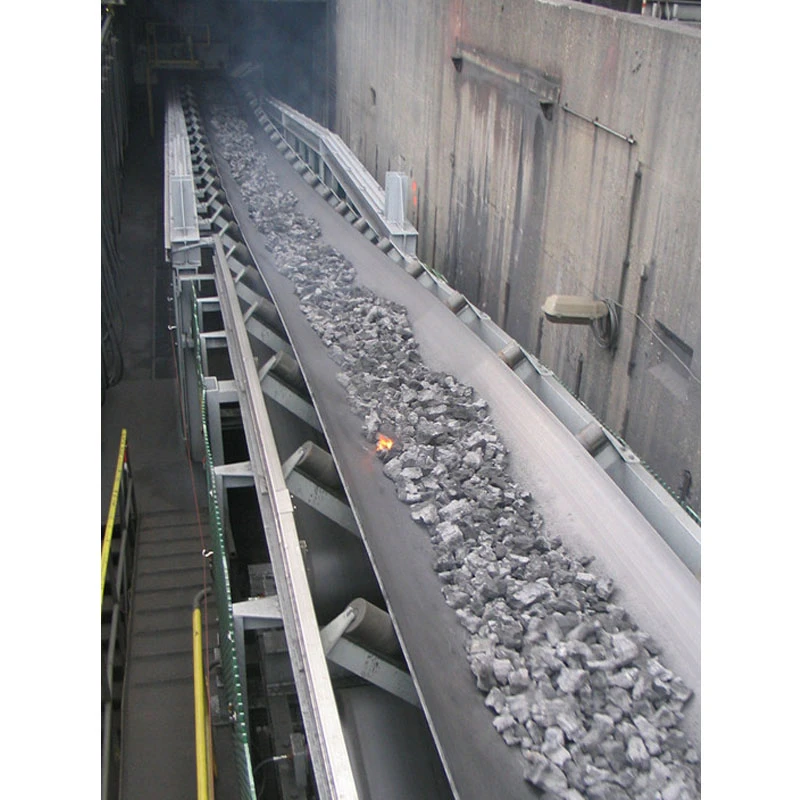
I’ve spent enough time around quarries, ports, and cement lines to know one thing: belt cleaning looks simple until it isn’t. Fouled pulleys, mistracking, and carryback fines can quietly punish uptime. Lately, demand has shifted toward safer, low-maintenance cleaners that auto-adjust and don’t chew through belts. To be honest, the quiet hero in many retrofits is the “empty-side” or return-belt cleaner—especially when you’re chasing fines after the primary and secondary scrapers have done their best.
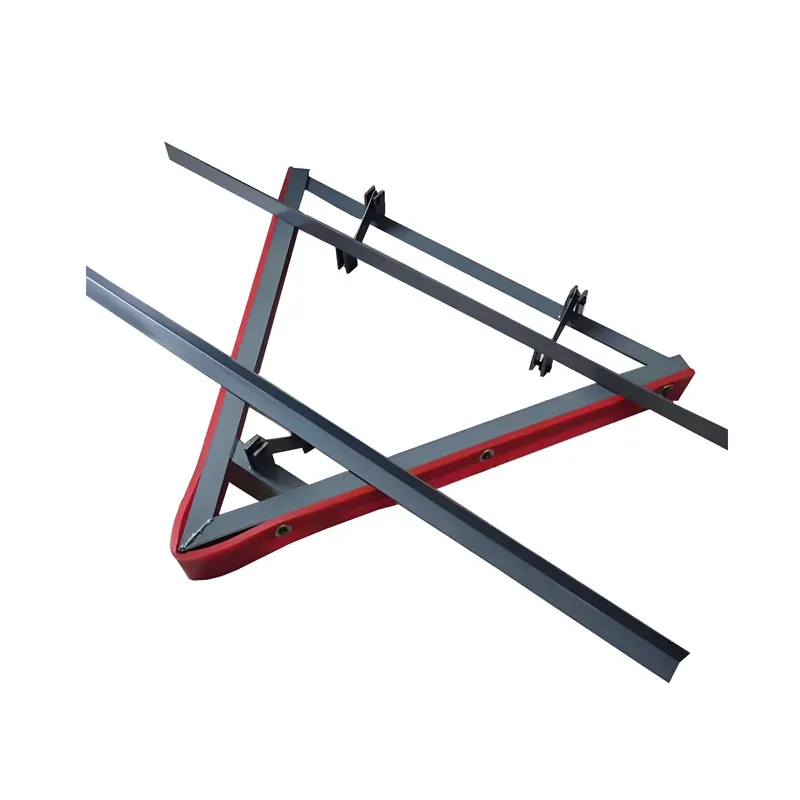
What’s out there: key types of belt cleaners
In fact, most sites mix and match:
- Primary (head-pulley) scrapers: often polyurethane or carbide blades.
- Secondary (after head pulley): segmented blades to chase fines.
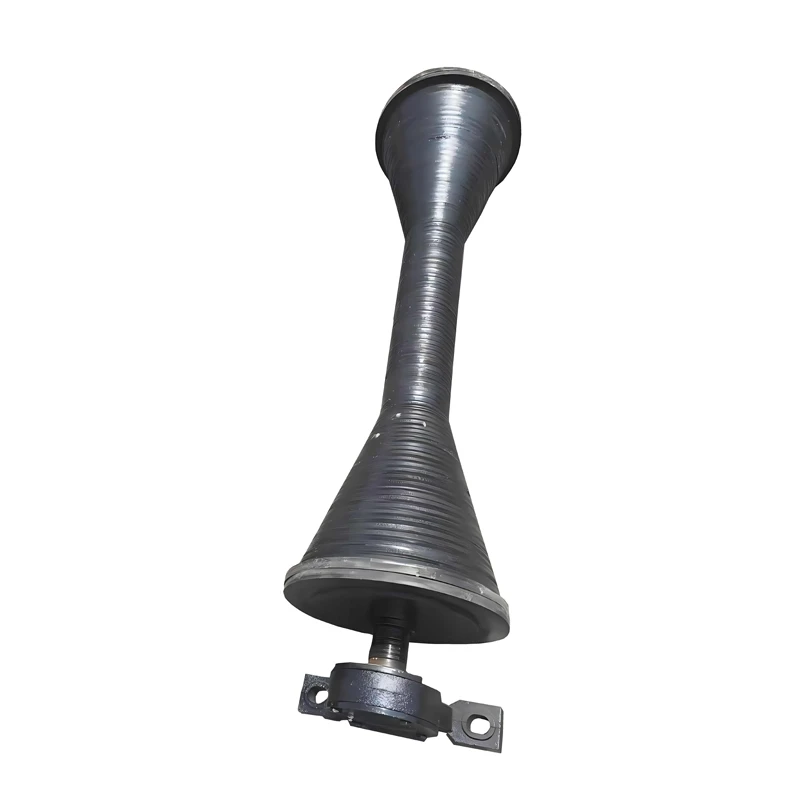
- Return/empty-side cleaners: ploughs or parallel-frame rubber scrapers that keep the non-working side tidy.
- V-ploughs (or diagonal ploughs): divert spillage off the return run before the tail pulley.
- Brush or rotary cleaners: sticky materials, light to medium duty.
- Specialty: air knives, wet-wash bars for ultra-fine or hygienic scenarios.
Spotlight: Nonloaded Cleanser for Belt Conveyor (Return-Side Cleaner)
From Room1109, Building C, Tianshan Galaxy Plaza, No. 358 Yuhua East Road, Shijiazhuang High Tech Zone, Hebei, this unit targets the non-working belt surface. The blade uses wear-resistant rubber plates; the parallel mechanism keeps even pressure, auto-adjusting as the blade wears or the belt shifts. Many customers say it’s surprisingly forgiving—safe on the belt, corrosion-resistant, and easy to maintain. Honestly, the “set it and forget it” vibe matters when crews are stretched thin.
Specs that matter (real-world, not brochure-speak)
| Product Name | Nonloaded Cleanser for Belt Conveyor |
| Blade material | Wear-resistant rubber (≈60–75 Shore A) |
| Frame/tension | Parallel mechanism, auto self-adjusting |
| Belt width | ≈500–1600 mm (custom wider on request) |
| Belt speed | Up to ≈3.5 m/s (real-world use may vary) |
| Temperature | -20 to +70 °C (high-temp compounds optional) |
| Compliance | CEMA 576 application class guidance; ISO 4649 abrasion tested |
| Service life | ≈8,000–12,000 h depending on fines load and speed |
Process, testing, and where it fits
Materials: abrasion-resistant rubber blades, painted steel or stainless options. Methods: clamp-on frame, set neutral angle, tension to spec, run-in and re-tension after 24–48 h. Testing: ISO 4649 abrasion loss; Shore A hardness per ISO 868; elastomer classification per ASTM D2000. For belts, alignment with ISO 14890 helps. Typical industries: mining, cement, coal power, aggregates, ports, steel, and yes—recycling lines with annoying light carryback.
Vendor snapshot (my quick, slightly opinionated matrix)
| Vendor | Strengths | Trade-offs | Lead time | Price level |
|---|---|---|---|---|
| HG Conveyor (this product) | Simple install; auto-adjust; budget-friendly spares | Rubber blade—may wear faster than carbide on abrasive ores | ≈2–4 weeks | $ |
| Martin Engineering | Premium carbide systems; broad global support | Higher cost; over-spec for light duty | ≈2–6 weeks | $$$ |
| Flexco | Reliable kits; easy parts availability | Some models need frequent tension checks | ≈1–3 weeks | $$ |
Mini case: cement return run cleanup
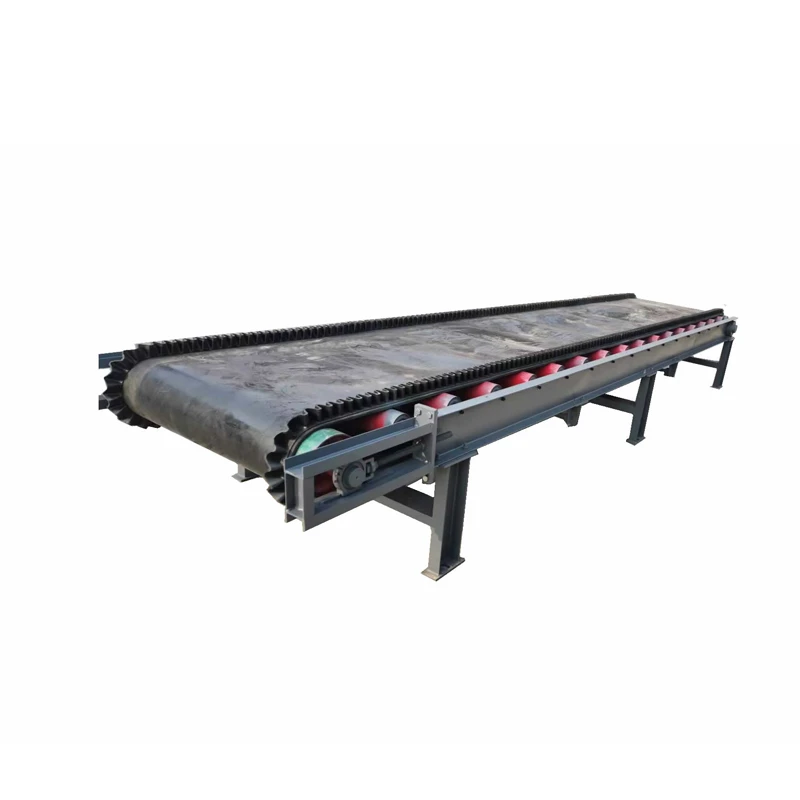
A 1200 mm belt moving ≈1,000 t/h clinker had persistent dust cakes after the secondary scraper. After installing the return-side cleanser with 65 Shore A blades, carryback dropped ≈45% in the first week; tail-pulley buildup basically vanished. Belt speed 3.0 m/s, ambient 35 °C, blade wear measured by ISO 4649 method: ≈120 mm³ loss—acceptable. Operators liked the zero-spark risk versus carbide. Service interval stretched to monthly wipes and quarterly blade swaps.
Customization and fit
- Blade compounds: standard, anti-static, oil-resistant; food-grade on request.
- Frames: painted carbon steel or stainless (for corrosive or coastal sites).
- Widths up to 2000+ mm; retrofit brackets for tight conveyors.
- Documentation: ISO 9001 factory QA, test sheets, and install checklists.
If you’re mapping types of belt cleaners to a single line, my rule of thumb: primary + secondary for big chunks and fines, then a return-side cleaner to keep the system honest. It seems simple, but the ROI shows up in fewer stoppages and cleaner tail pulleys.
Authoritative references
- CEMA Standard 576-2019: Classification of Applications for Bulk Material Conveyor Belt Cleaning.
- ISO 4649: Rubber—Determination of abrasion resistance (rotating cylindrical drum device).
- ISO 14890: Conveyor belts—Specification for rubber- or plastics-covered belts.
- ASTM D2000: Standard Classification System for Rubber Products in Automotive Applications (applied to elastomer spec’ing).
- ISO 868: Plastics and ebonite—Determination of indentation hardness by means of a durometer (Shore hardness).