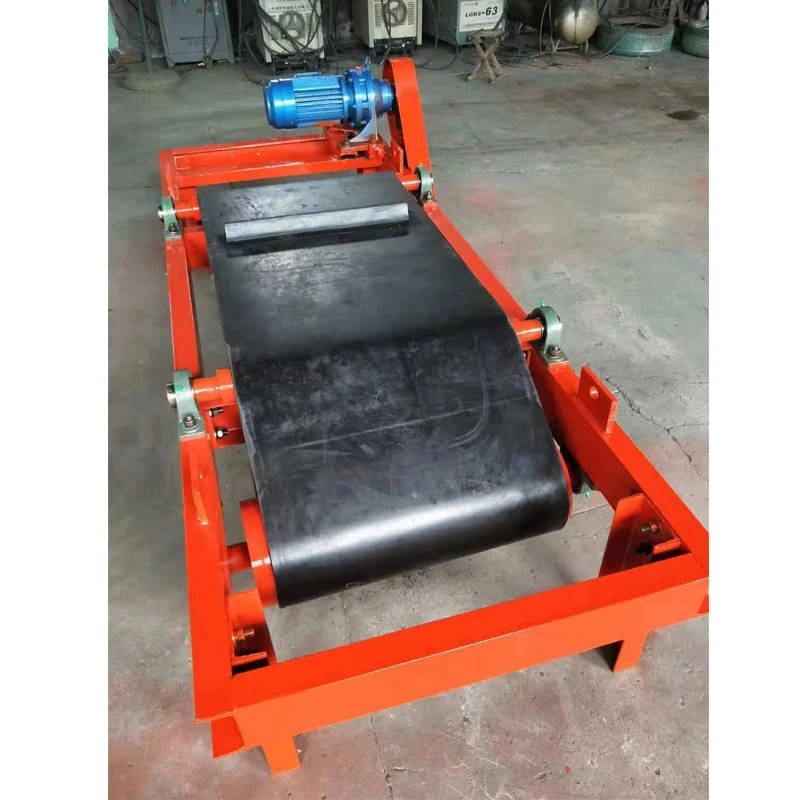
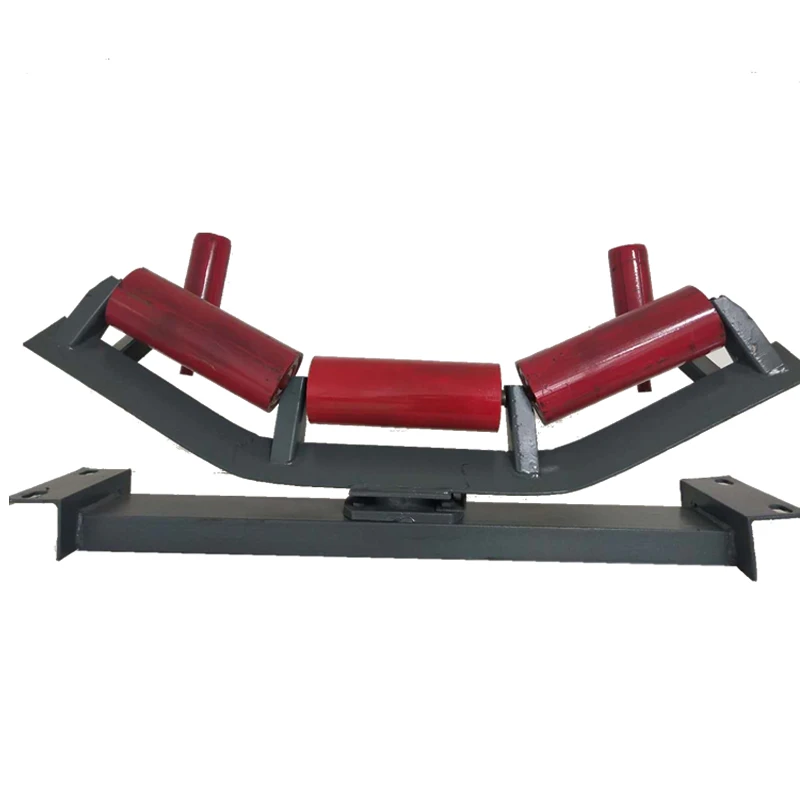
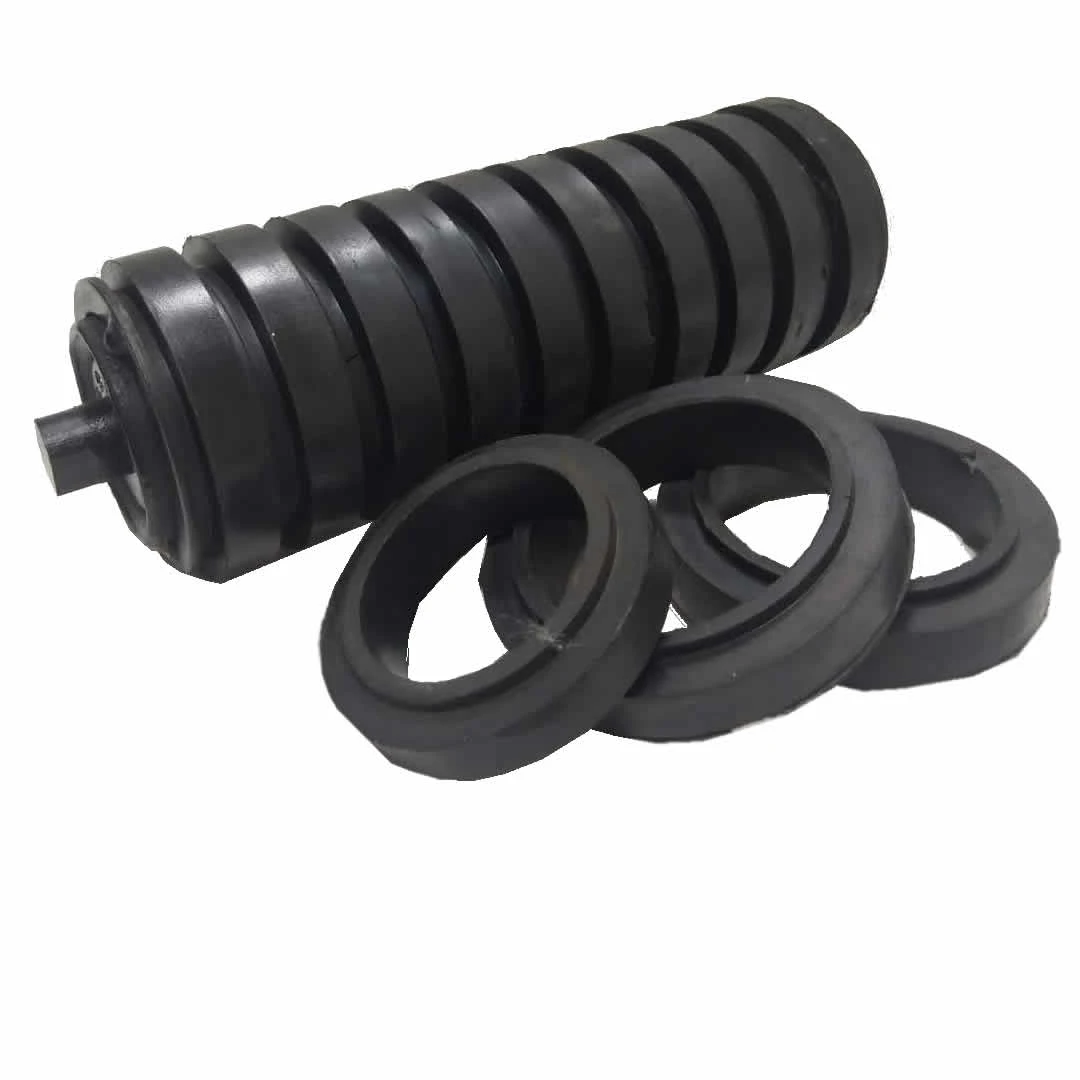
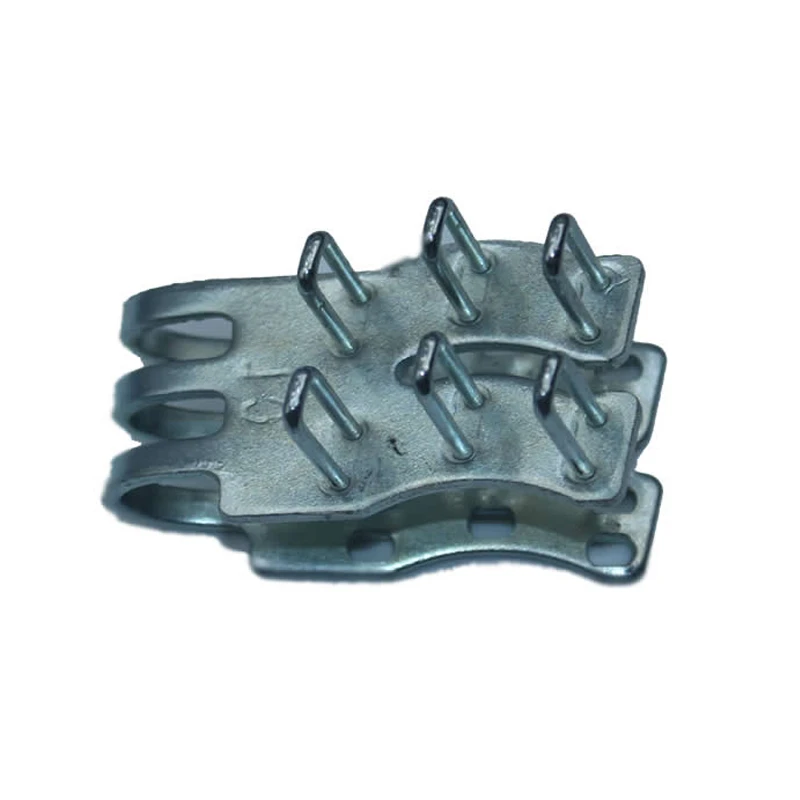
Navigating Efficiency: The Crucial Role of Guide Roller Brackets in Modern Conveyor Systems
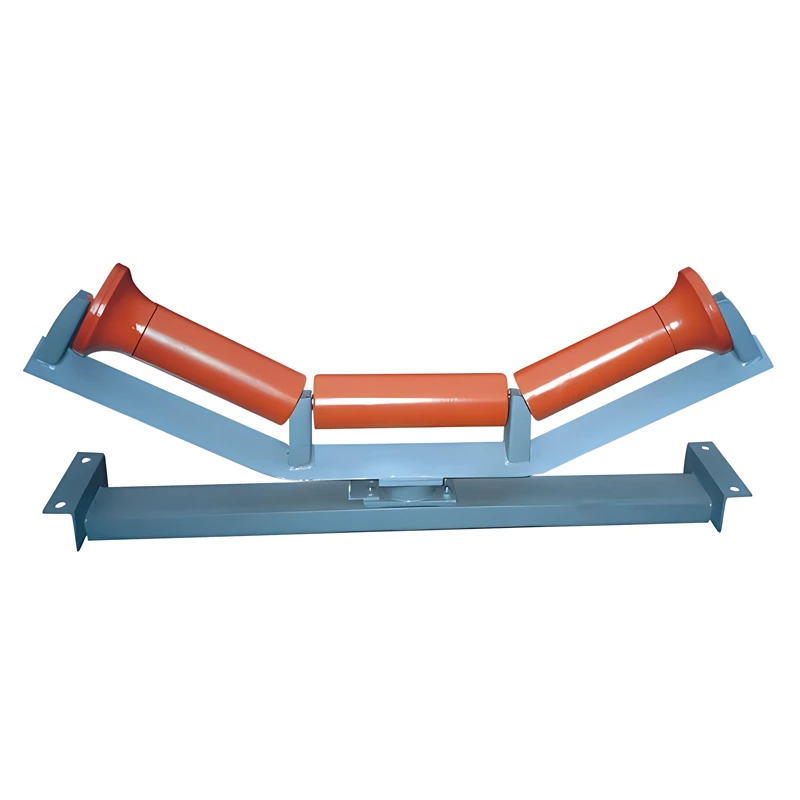
In the intricate landscape of bulk material handling, the reliability and efficiency of conveyor systems are paramount. At the heart of this operational integrity lies a seemingly modest yet critically important component: the guide roller bracket. This foundational element is indispensable for ensuring the stable, safe, and prolonged operation of conveyor belts across a multitude of heavy-duty industrial applications. Its primary function is to securely support and align conveyor rollers, preventing belt misalignment, spillage, and premature wear—issues that can lead to significant operational downtimes and escalating maintenance costs.
Industry trends indicate a sustained growth in demand for high-performance conveyor components, driven by increasing automation in logistics, mining, petrochemical, and manufacturing sectors. The market is shifting towards more durable, energy-efficient, and application-specific solutions. As operational demands intensify, the expectations for components like the guide roller bracket rise, necessitating advanced material science, precise manufacturing, and stringent quality control to withstand abrasive environments, extreme temperatures, and heavy load capacities. The integration of smart monitoring capabilities and predictive maintenance considerations is also becoming a key differentiator, influencing design and material choices for these essential structural components.
Precision Manufacturing: The Journey of a High-Quality Guide Roller Bracket
The manufacturing of a high-quality guide roller bracket is a testament to meticulous engineering and robust fabrication techniques. It involves a multi-stage process designed to ensure structural integrity, dimensional accuracy, and optimal performance under demanding conditions. The material selection is pivotal; common choices include high-grade carbon steel (e.g., Q235, S355JR) for its strength and weldability, and stainless steel (e.g., 304, 316) for enhanced corrosion resistance in aggressive environments like chemical processing or marine applications.
Manufacturing Process Flow:
- Material Sourcing & Preparation: High-grade steel sheets or profiles are selected based on application requirements. These are then cut to precise dimensions using CNC plasma, laser, or shearing machines to minimize material waste and ensure accurate starting geometries.
- Forming & Stamping: Depending on the design, components of the bracket roller are shaped through cold stamping, bending, or hydraulic pressing. This process imparts the necessary contours and mounting points, ensuring critical tolerances are met for subsequent assembly.
- Welding: Individual components are meticulously welded together using advanced techniques such as MIG (Metal Inert Gas) or TIG (Tungsten Inert Gas) welding. This creates robust, seamless joints, crucial for the bracket's load-bearing capacity and long-term durability. Post-weld inspection, often involving visual and non-destructive testing (NDT), ensures weld integrity.
- CNC Machining & Drilling: Critical mounting holes and interfaces are precision-machined using Computer Numerical Control (CNC) equipment. This guarantees exact alignment with conveyor frame structures and roller shafts, adhering to standards like ISO 9001 and ANSI B15.1.
- Surface Treatment: To enhance service life and environmental resistance, brackets undergo surface treatment. Common methods include hot-dip galvanization (for superior corrosion protection in outdoor or humid conditions), powder coating (for aesthetic appeal and moderate protection), or specialized anti-corrosion paints. This step significantly contributes to extending the service life of the roller and bracket system, often exceeding 50,000 operational hours in typical applications.
- Quality Control & Testing: Each batch undergoes rigorous testing, including dimensional checks, material composition analysis (e.g., spectrographic analysis), load-bearing tests (simulating operational stresses), and adhesion tests for coatings. This ensures compliance with international standards (e.g., ISO 1000, DIN 22106) and guarantees product reliability.
- Assembly & Packaging: Components are assembled, inspected one final time, and carefully packaged to prevent damage during transit, ensuring they arrive ready for installation.
This stringent manufacturing protocol underpins the performance advantages of our brackets in challenging environments, enabling energy saving through optimized roller alignment and exceptional corrosion resistance.
Technical Specifications & Performance Parameters
Understanding the technical specifications of a guide roller bracket is crucial for system integrators and procurement professionals. These parameters dictate compatibility, load capacity, environmental suitability, and overall operational efficiency. Below is a representative table of key specifications for a high-quality conveyor lower roller bracket:
| Parameter | Specification | Benefit / Rationale |
|---|---|---|
| Material | Q235 Carbon Steel (Std.), SS304/316 (Opt.) | High strength, cost-effective; Superior corrosion resistance |
| Compatible Belt Widths | 500mm to 2000mm (Customizable) | Versatility across various conveyor system scales |
| Roller Diameter Compatibility | Ø89mm, Ø108mm, Ø133mm, Ø159mm | Standard industrial roller sizes accommodated |
| Surface Treatment | Hot-dip Galvanized (≥80µm), Powder Coated, Anti-rust Paint | Enhanced durability, superior corrosion and abrasion resistance |
| Load Capacity (per set) | Up to 2000 kg (dependant on specific design) | Robust support for heavy bulk materials |
| Operating Temperature Range | -20°C to +80°C (Standard), extended ranges available | Reliable performance in diverse climates and industrial conditions |
| Standards Compliance | ISO 9001, DIN, JIS, CEMA, AS | Ensures global compatibility and quality assurance |
| Mounting Type | Bolt-on, Welded (Fixed Angle, Adjustable Angle) | Flexible installation options for various conveyor structures |
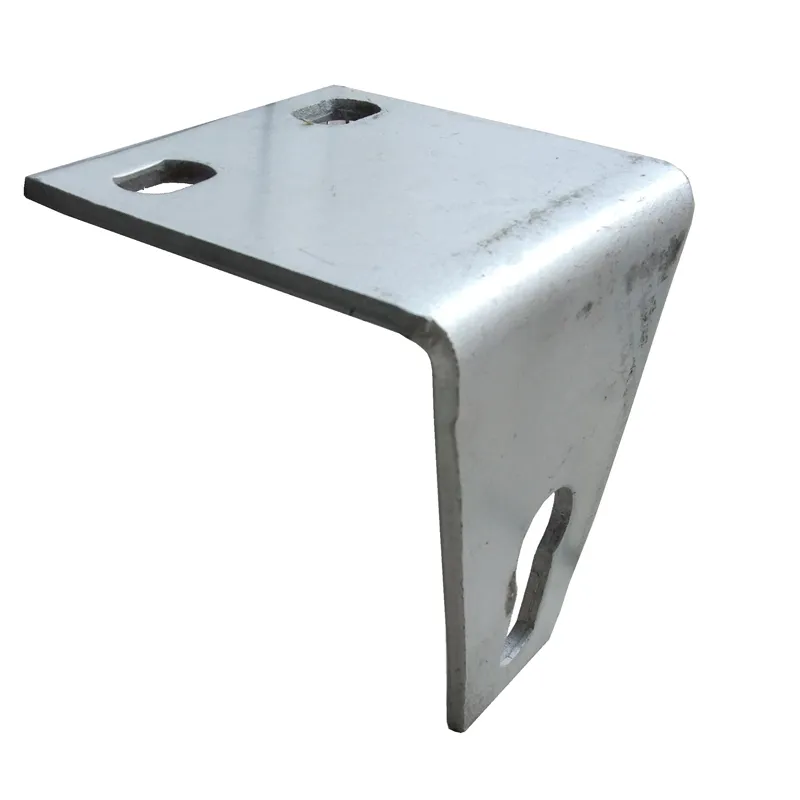
These detailed parameters underscore the engineering expertise embedded in each bracket roller, providing a clear understanding of its capabilities and suitability for specific project requirements.
Application Scenarios & Strategic Advantages
The robust design and versatile nature of the guide roller bracket make it an indispensable component across a broad spectrum of heavy industries. Its ability to maintain belt alignment and support substantial loads is critical for uninterrupted operations.
Target Industries:
- Petrochemical: Conveying raw materials and finished products, often in corrosive or explosive atmospheres.
- Metallurgy & Mining: Transporting ores, coal, aggregates, and other abrasive bulk materials under extreme load and environmental conditions.
- Port Logistics & Material Handling: Facilitating rapid and efficient loading/unloading of ships and transfer of goods within terminals.
- Power Generation: Handling coal, biomass, and ash in power plants.
- Water Supply & Drainage: Supporting sludge and chemical transport systems in treatment facilities.
- Cement & Construction: Moving clinker, cement, sand, and gravel.
Advantages in Typical Application Scenarios:
In these demanding environments, our roller and bracket solutions deliver measurable benefits:
- Energy Saving: Precisely aligned rollers reduce friction on the conveyor belt, leading to lower power consumption for the drive system. This translates into significant operational cost savings over the lifespan of the equipment.
- Corrosion Resistance: Utilizing hot-dip galvanization or stainless steel materials ensures exceptional resistance to rust and degradation from moisture, chemicals, and abrasive materials, crucial in coastal ports or chemical plants.
- Extended Belt & Roller Life: Optimal belt tracking prevents edge damage and uneven wear, while proper roller support minimizes bearing stress. This significantly extends the operational lifespan of both the conveyor belt and the rollers, reducing replacement frequency and maintenance efforts.
- Enhanced Operational Stability & Safety: Stable belt operation minimizes material spillage, dust emissions, and the risk of catastrophic belt failures. This directly contributes to a safer working environment and compliance with environmental regulations.
- Reduced Maintenance Downtime: The robust construction and reliable performance of high-quality brackets translate into fewer unscheduled stops for repairs, maximizing operational uptime and productivity.
Core Technical Advantages & Engineering Excellence
Our guide roller bracket solutions stand apart due to a confluence of advanced design principles, superior material science, and meticulous manufacturing processes. These elements collectively contribute to a product that not only meets but often exceeds the rigorous demands of industrial material handling.
- Precision Engineering: Each bracket is engineered with precision-stamped and laser-cut components, ensuring dimensional accuracy that minimizes assembly time and guarantees optimal roller alignment. This reduces friction and extends the life of both the belt and rollers.
- Robust Construction: Utilizing high-strength structural steel and advanced welding techniques results in a bracket with exceptional rigidity and load-bearing capacity, designed to withstand the dynamic forces of continuous operation and heavy bulk materials.
- Optimized Material Selection: Beyond standard carbon steel, we offer options like wear-resistant alloys and various grades of stainless steel, tailored to specific environmental challenges such as extreme abrasion, high humidity, or chemical exposure.
- Enhanced Vibration Dampening: The design geometry and robust fastening points minimize vibration transmission from the rollers to the conveyor frame, contributing to quieter operation and reduced wear on associated components.
- Superior Surface Protection: Our standard hot-dip galvanization process provides a metallurgical bond, offering cathodic protection and a barrier against corrosive elements that far surpasses paint or electro-galvanization. This protection extends component life in highly aggressive conditions.
- Compliance with Global Standards: Our products are designed and manufactured to comply with leading international standards such as ISO, DIN, CEMA, and AS, reflecting our commitment to global quality benchmarks and ensuring seamless integration into diverse conveyor systems worldwide.
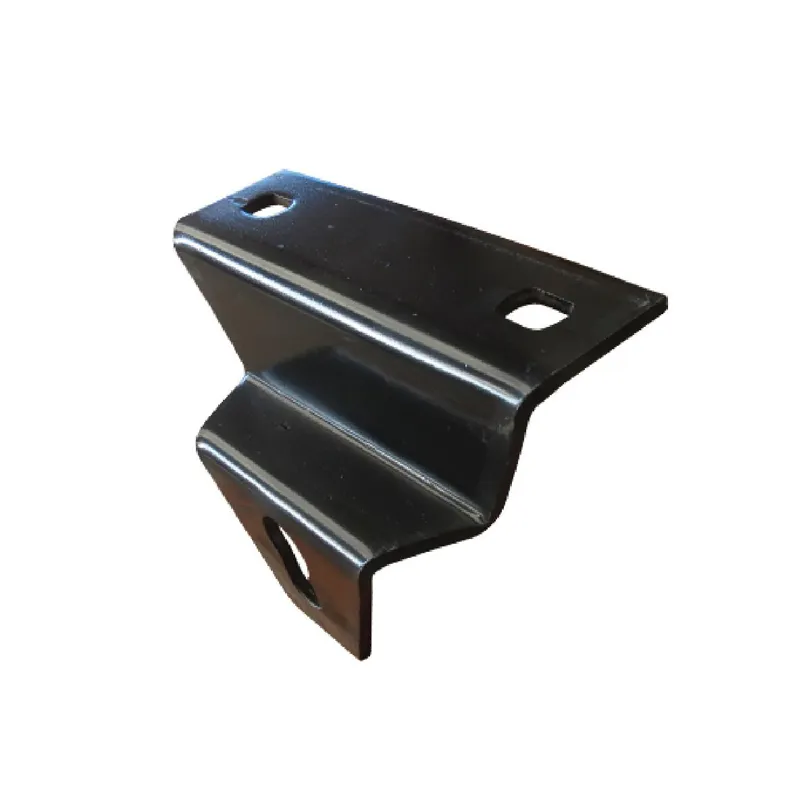
These technical advantages are not merely features; they are critical factors that translate into tangible benefits for our clients: reduced total cost of ownership, increased operational reliability, and improved safety across their material handling infrastructure.
Vendor Comparison: Differentiating Quality in Guide Roller Brackets
Selecting the right supplier for a guide roller bracket is a critical decision that impacts long-term operational costs, system reliability, and safety. While many manufacturers offer these components, significant variations exist in quality, customization capabilities, and after-sales support. Below is a comparison highlighting key differentiators:
| Feature/Criterion | Standard Supplier A (Typical) | HG Conveyor Belt (Our Offering) |
|---|---|---|
| Material Grade | Often Q215/Q235, limited SS options | High-grade Q235B/Q345B, full range of SS304/316/316L, custom alloys |
| Manufacturing Process | Basic stamping and welding, manual processes | CNC precision cutting, robotic welding, advanced forming techniques |
| Surface Treatment Quality | Basic paint, electro-galvanized (thin coating) | Hot-dip galvanized (min. 80µm), high-performance powder coating, specialized anti-corrosion solutions |
| Quality Certifications | May lack international certifications or comprehensive QC | ISO 9001 certified, compliance with DIN, CEMA, JIS, AS standards, rigorous in-house testing |
| Customization Capability | Limited to standard dimensions | Full engineering support for custom designs, materials, and dimensions |
| Lead Time Reliability | Variable, potentially longer for non-standard orders | Streamlined production, reliable lead times, expediting options |
| After-Sales Support | Basic support, limited technical assistance | Dedicated technical support, troubleshooting, warranty, spare parts availability |
This comparison highlights the importance of partnering with a manufacturer that prioritizes engineering integrity, material excellence, and comprehensive support to ensure the optimal performance and longevity of your conveyor system.
Tailored Solutions: Customization for Unique Operational Needs
Every industrial operation presents a unique set of challenges, from specific environmental conditions to varying load capacities and system configurations. Recognizing this, our approach to the guide roller bracket goes beyond off-the-shelf solutions. We specialize in providing customized designs and manufacturing tailored to the precise requirements of each client.
Our customization capabilities encompass:
- Material Selection: Beyond standard carbon and stainless steels, we can work with specialized alloys for extreme temperature resistance, enhanced wear resistance, or non-magnetic properties.
- Dimensional Adjustments: Brackets can be engineered to accommodate non-standard belt widths, roller diameters, or specific conveyor frame profiles, ensuring perfect fit and optimal performance.
- Surface Treatment Variations: While hot-dip galvanization is our premium standard, we offer a range of protective coatings, including specialized epoxy paints for chemical resistance, anti-static coatings for hazardous environments, or custom color powder coatings for branding or identification.
- Load Capacity Optimization: Structural reinforcement can be incorporated into the design to handle exceptionally heavy loads or dynamic impacts, extending the lifespan of the entire roller and bracket assembly.
- Mounting System Integration: Custom hole patterns, adjustable slots, or integrated mounting plates can be designed to facilitate easier installation and compatibility with existing conveyor infrastructure, minimizing field modifications.
- Design for Extreme Environments: Solutions for high-vibration systems, areas requiring explosion-proof components (ATEX compliance), or underwater applications can be developed through collaborative engineering.
Our engineering team collaborates closely with clients from conceptual design through to final production, utilizing CAD software and finite element analysis (FEA) to validate custom designs for structural integrity and performance. This consultative approach ensures that every customized guide roller bracket delivers superior performance and long-term value, precisely meeting the client's unique operational demands.
Real-World Applications and Success Stories
The efficacy of a high-quality guide roller bracket is best demonstrated through its performance in real-world scenarios. Our components have consistently proven their reliability and durability in some of the most challenging industrial environments globally.
Case Study 1: Large-Scale Iron Ore Mining Operation
Challenge: A major mining client in Western Australia faced frequent conveyor belt misalignment and premature roller wear due to the abrasive nature of iron ore and the harsh, dusty operating conditions. Their existing brackets were failing within months, leading to extensive downtime and costly replacements.
Solution: We provided custom-designed bracket roller systems fabricated from high-grade Q345B steel, featuring an extra-thick hot-dip galvanized coating and reinforced structural elements. The design also incorporated precise mounting points to facilitate accurate roller installation and reduce field adjustments.
Outcome: Over 18 months of continuous operation, the client reported a 70% reduction in belt edge damage and a 50% increase in average roller lifespan. Unscheduled maintenance related to bracket failure was virtually eliminated, resulting in an estimated 25% increase in operational uptime and significant savings in parts and labor. The robustness of our brackets directly contributed to enhanced safety by mitigating spillages.
Case Study 2: Coastal Fertilizer Production Plant
Challenge: A fertilizer production facility located near a coastline experienced severe corrosion of their conveyor components due to high humidity and exposure to corrosive chemical dust. Standard painted brackets lasted less than a year, compromising structural integrity and leading to frequent failures.
Solution: We supplied roller and bracket units manufactured from SS316 stainless steel, specifically chosen for its superior corrosion resistance against chlorides and acids. All fasteners were also supplied in SS316, ensuring a fully integrated corrosion-resistant system. The bracket design was optimized for ease of cleaning to prevent corrosive material buildup.
Outcome: After two years, these stainless steel brackets showed minimal signs of corrosion or degradation, far exceeding the lifespan of previous components. The client praised the exceptional durability and reduced need for protective maintenance, stating a significant improvement in worker safety due to reduced manual handling of corroded parts and greater structural stability of the conveyor lines. This case exemplifies the long-term value provided by specialized material selection.
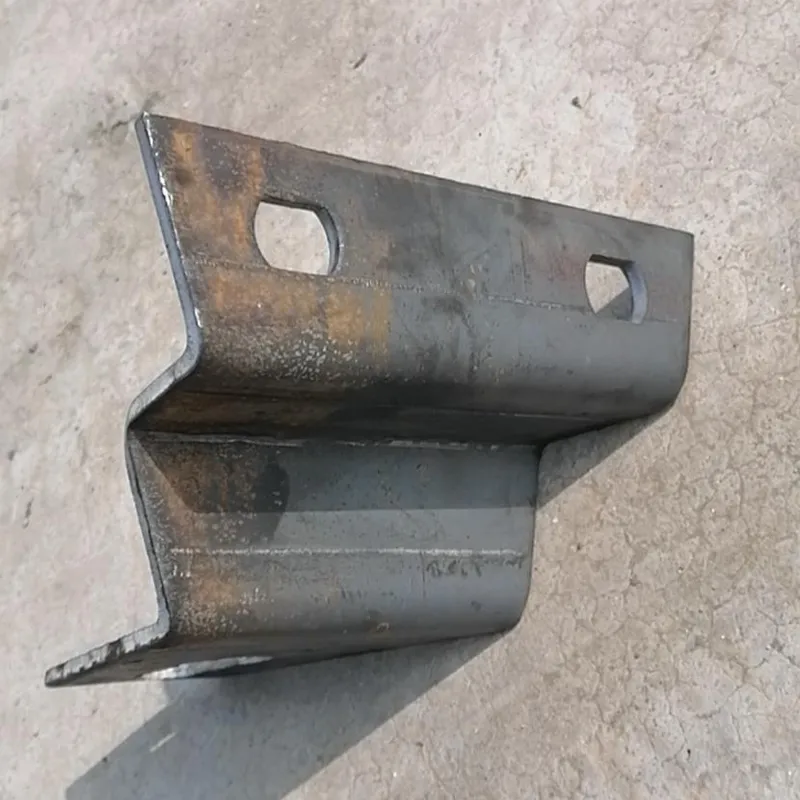
These testimonials underscore our commitment to delivering high-performance, durable solutions that address specific client challenges, reinforcing our reputation as a trusted partner in industrial material handling.
Ensuring Trust and Reliability: Your Partner in Conveyor Solutions
At the core of our operations is an unwavering commitment to trust, reliability, and client satisfaction. We understand that for B2B decision-makers, a supplier's credibility is as important as its product quality. Our approach is built on transparency, certified processes, and robust support systems.
Quality Assurance & Certifications:
Our manufacturing facilities operate under strict ISO 9001:2015 certified quality management systems. This global standard ensures that all stages of production, from raw material sourcing to final inspection, adhere to rigorous quality protocols. Our products consistently meet or exceed international performance standards (e.g., CEMA, DIN, JIS, AS), supported by extensive internal testing and third-party verification where required. We have a track record of serving diverse clients, from local enterprises to multinational corporations, demonstrating our authoritative position in the industry.
Lead Time & Fulfillment Details:
We recognize the importance of timely delivery in large-scale projects. Our streamlined production processes and efficient supply chain management allow us to offer reliable lead times, typically ranging from 4-6 weeks for standard guide roller bracket orders, with expedited options available for urgent requirements. We provide detailed project timelines and maintain transparent communication throughout the order fulfillment process.
Warranty Commitments:
We stand behind the quality and durability of our products. All our bracket roller components come with a standard 12-month warranty against manufacturing defects, effective from the date of delivery. Extended warranty options are available for specific project requirements, underscoring our confidence in our engineering and manufacturing excellence.
After-Sales Support & Customer Service:
Our commitment extends well beyond the point of sale. We provide comprehensive after-sales support, including technical assistance for installation and troubleshooting, access to a full range of spare parts, and, for large projects, potential on-site support by experienced technicians. Our dedicated customer service team is readily available to address any inquiries or concerns, ensuring continuous operational efficiency and minimizing potential disruptions for our clients.
Frequently Asked Questions (FAQ)
- Q1: What materials are typically used for your guide roller brackets?
- A1: We primarily use high-grade Q235B or Q345B carbon steel for standard applications, and SS304 or SS316 stainless steel for environments requiring superior corrosion resistance. Custom alloy options are also available.
- Q2: Can your guide roller brackets withstand harsh operating environments?
- A2: Absolutely. Our brackets are designed for extreme conditions. Through robust material selection (e.g., SS316) and superior surface treatments like hot-dip galvanization (minimum 80µm thickness), they offer excellent resistance to corrosion, abrasion, and temperature fluctuations (-20°C to +80°C standard, with extended range options).
- Q3: What is the expected service life of your roller and bracket systems?
- A3: With proper installation and maintenance, our roller and bracket systems are engineered for a service life exceeding 50,000 operational hours in typical industrial applications, significantly reducing the total cost of ownership.
- Q4: How do I select the correct guide roller bracket for my conveyor system?
- A4: Selection depends on several factors including conveyor belt width, roller diameter, intended load capacity, operating environment (temperature, humidity, corrosives), and specific industry standards. Our technical sales team can provide expert consultation to help you choose the optimal guide roller bracket solution.
- Q5: Do you offer custom designs for unique conveyor configurations?
- A5: Yes, customization is one of our core strengths. We provide comprehensive engineering support to design and manufacture bespoke brackets tailored to specific dimensions, material requirements, load characteristics, and environmental challenges of your unique conveyor system.
Conclusion
The selection of high-quality conveyor components, particularly the guide roller bracket, is a fundamental decision that profoundly influences the operational efficiency, safety, and longevity of any bulk material handling system. By investing in precision-engineered, robust, and appropriately treated brackets, industries can significantly mitigate risks associated with belt misalignment, premature wear, and unforeseen downtime. Our commitment to expertise, reliable manufacturing, comprehensive support, and tailored solutions positions us as a trusted partner in optimizing conveyor performance for demanding B2B applications worldwide.
Embrace the advantages of superior engineering and ensure the continuous, reliable operation of your material handling infrastructure with our advanced guide roller bracket solutions.
References
- ISO 9001:2015 Quality Management Systems – Requirements. International Organization for Standardization.
- CEMA Standard 502-2004: Conveyor Terms and Definitions. Conveyor Equipment Manufacturers Association.
- ASTM A123/A123M-17: Standard Specification for Zinc (Hot-Dip Galvanized) Coatings on Iron and Steel Products. ASTM International.
- Sauer, S. E., & Gonser, D. (2018). Bulk Material Handling by Conveyor Belt: Challenges and Solutions in Extreme Environments. Journal of Industrial Engineering and Management, 11(3), 456-470.
- Liu, P., & Zhang, Y. (2020). Performance Analysis of Roller Supports in Long-Distance Belt Conveyors. International Journal of Mining Science and Technology, 30(2), 211-218.