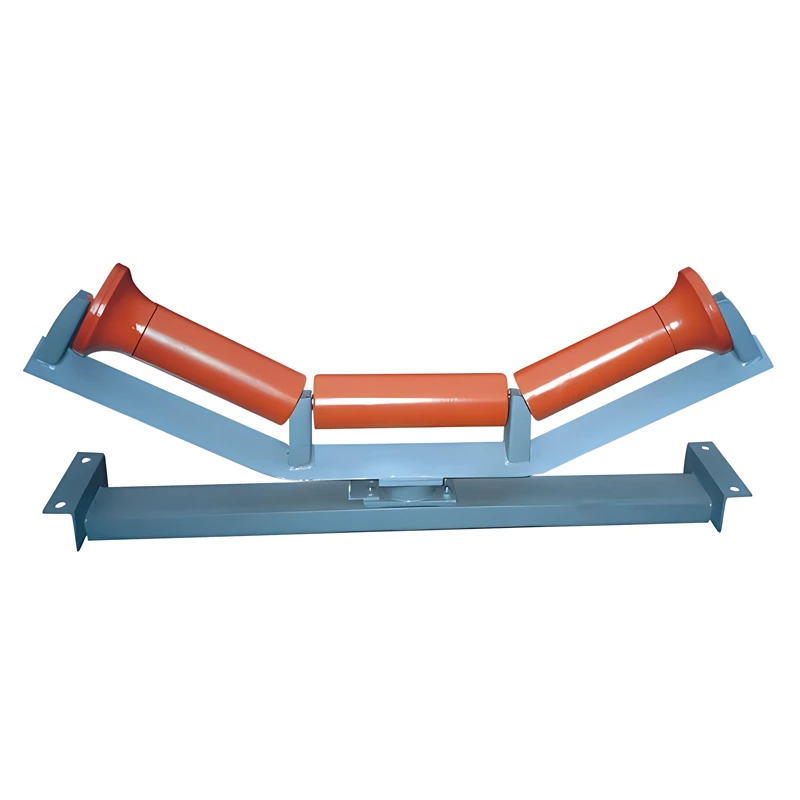
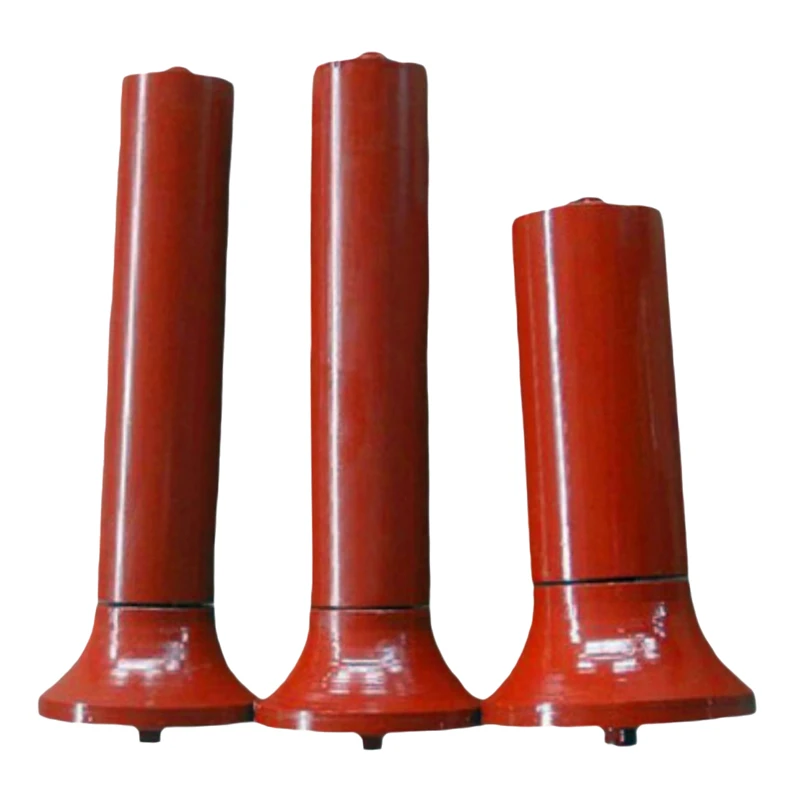
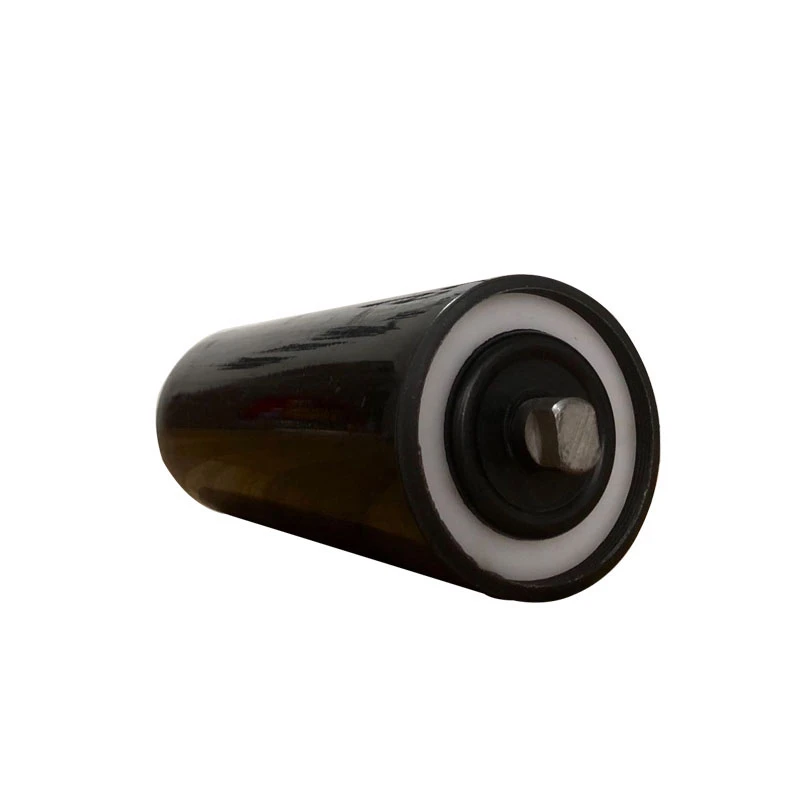
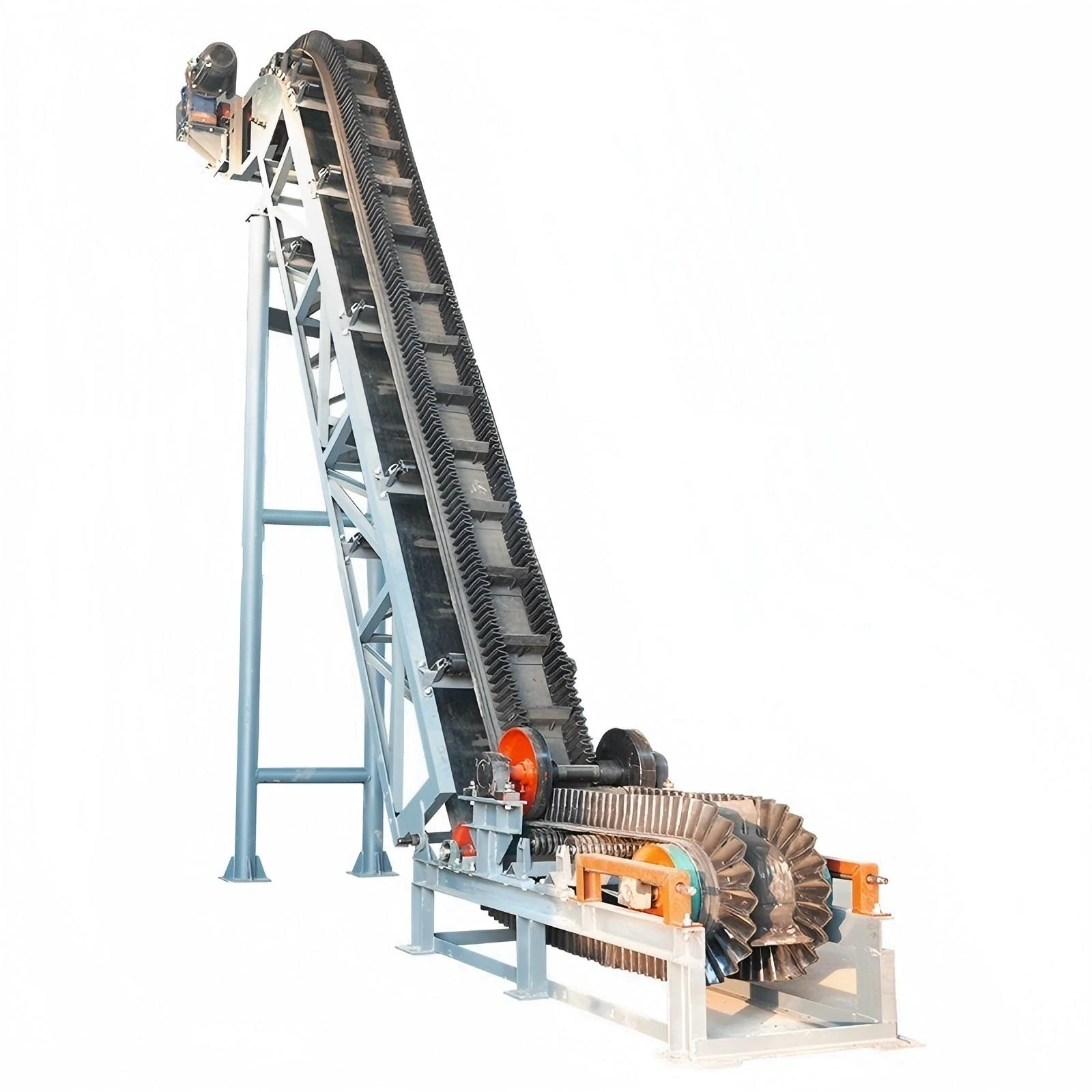
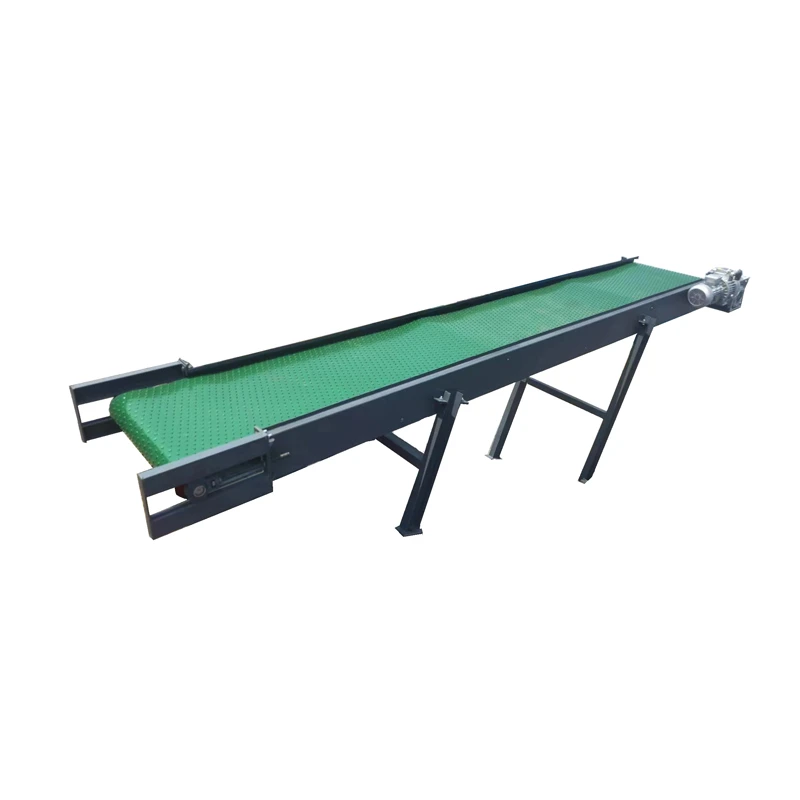
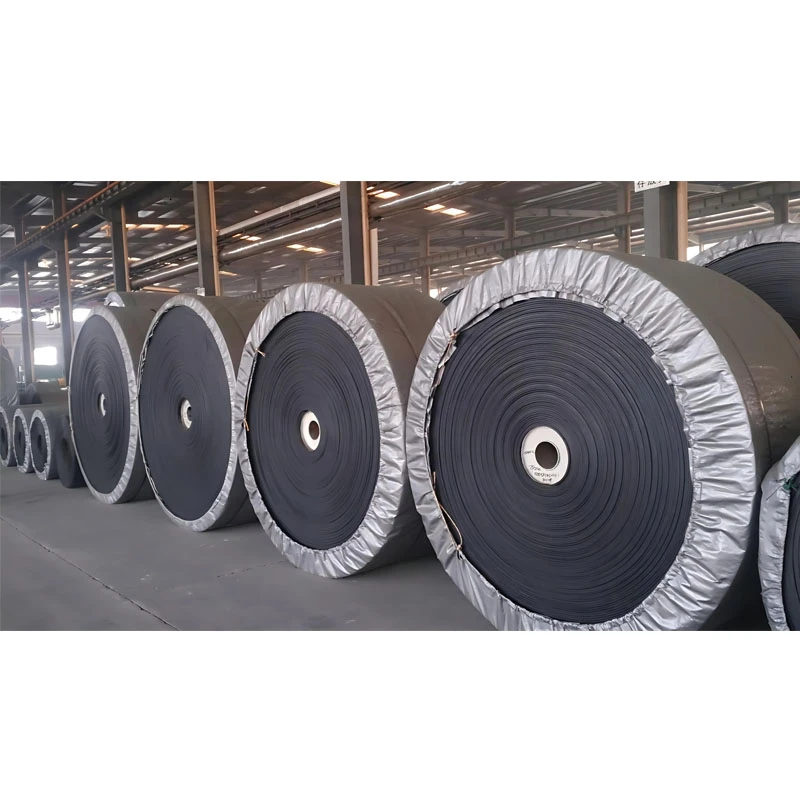
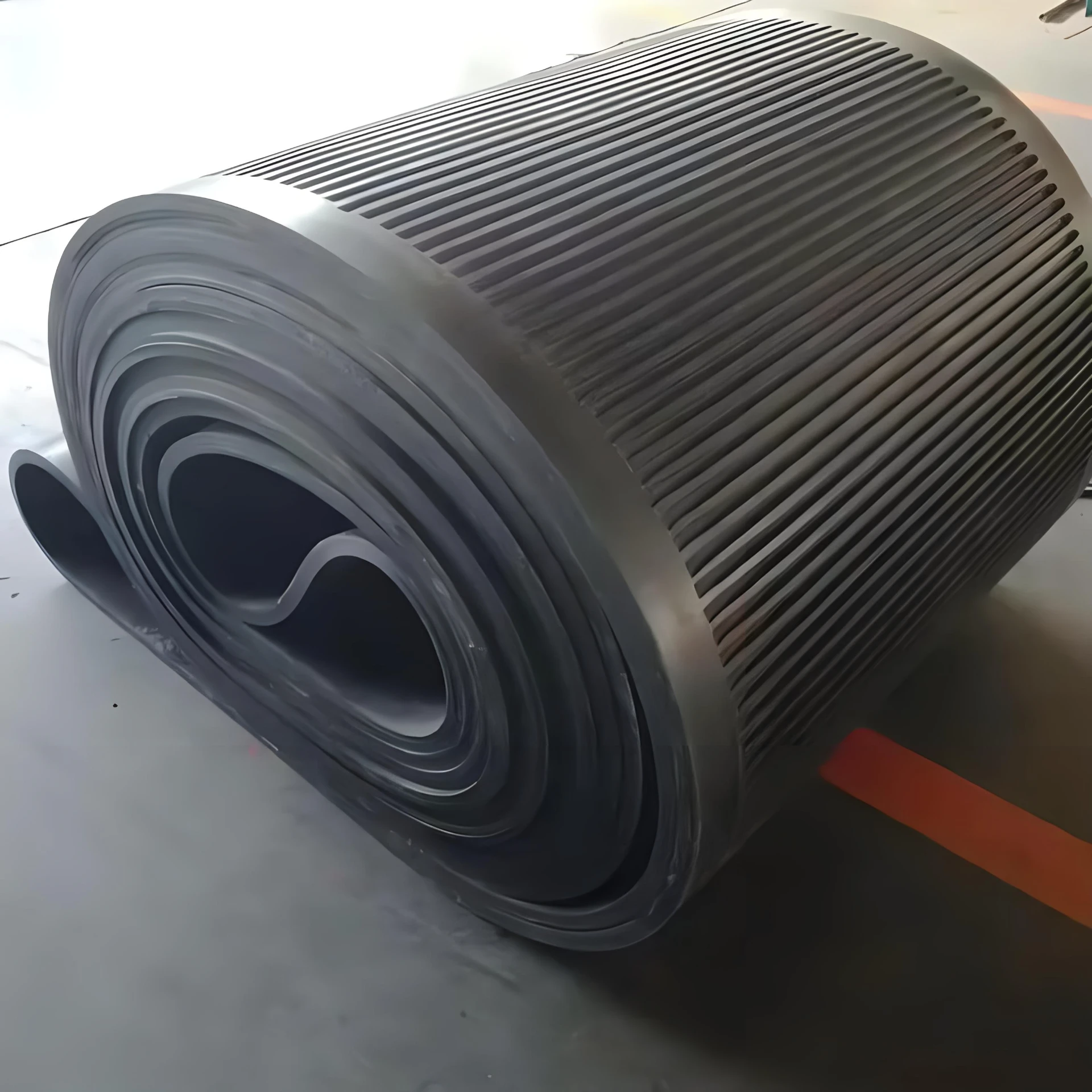
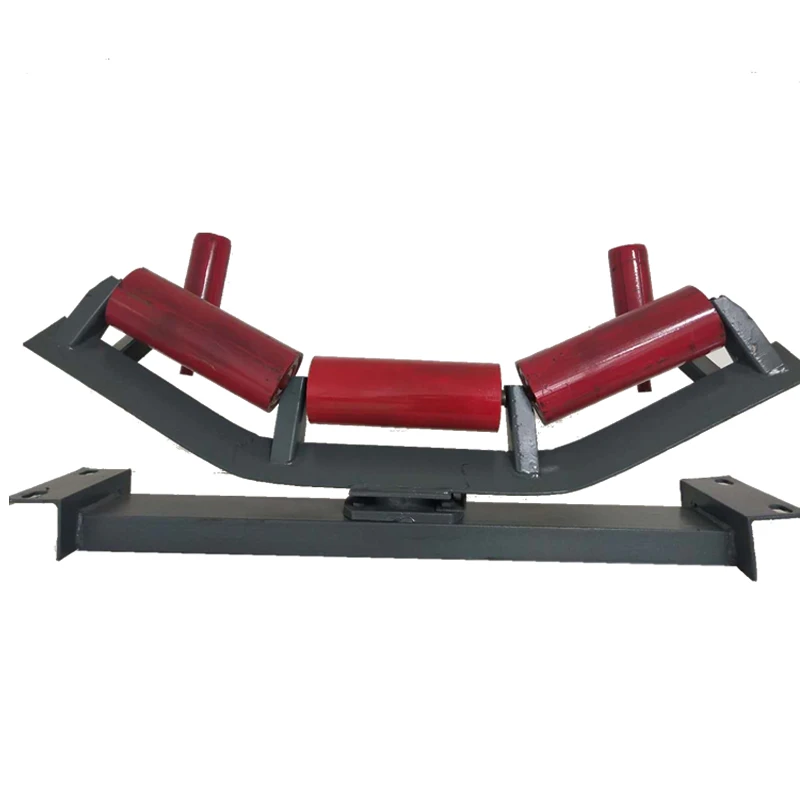
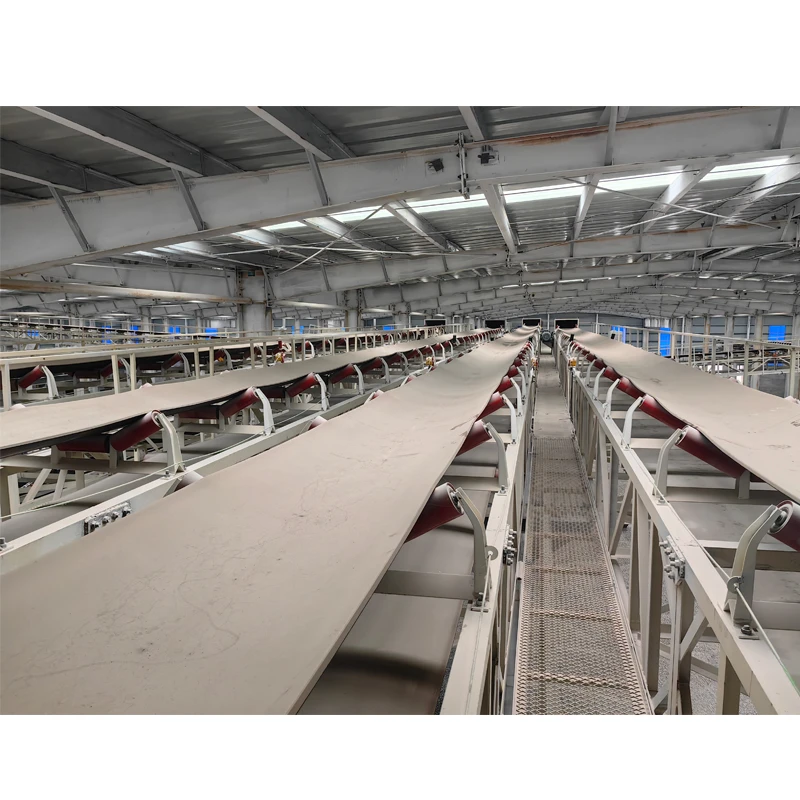
Tapered Conveyor Rollers for reliable curve handling and smooth accumulation
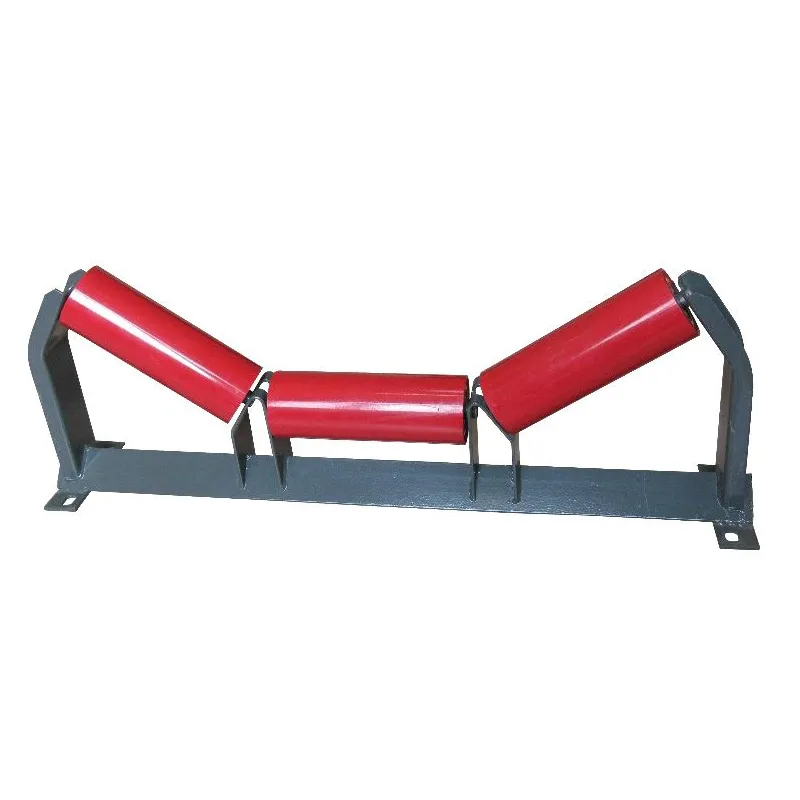
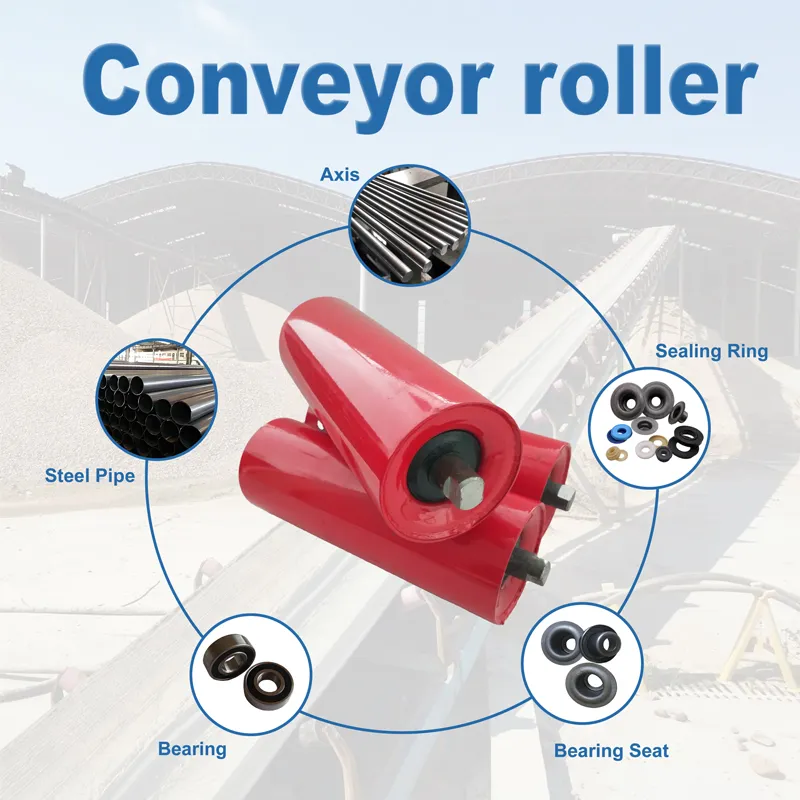
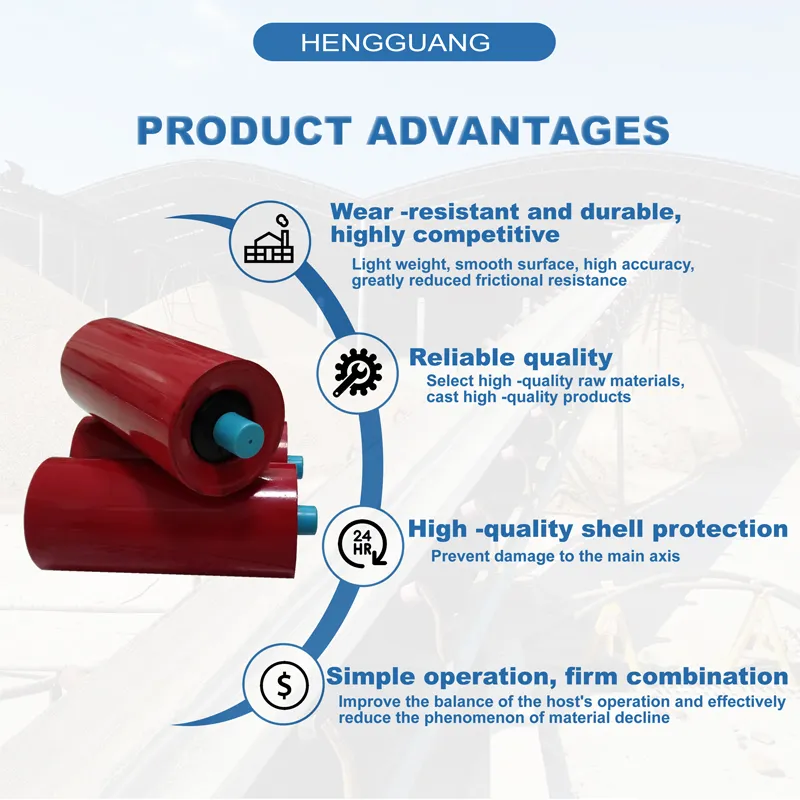
I’ve toured more than a few distribution centers where curves were the bottleneck. The fix was almost always the same: better Tapered Conveyor Rollers. Not flashy, but consequential. The humble roller—pipe body, shaft, bearings, seals—makes or breaks uptime, especially on curves where geometry, runout, and sealing become real-world headaches.
What’s trending (and why it matters)
Two trends keep popping up: low-friction seals to cut energy at scale, and precision tapers for tighter curve radii without chewing belts or parcels. Many customers say noise is the surprise—modern labyrinth seals and balanced tubes can shave a few decibels off the line, which your safety officer will notice.
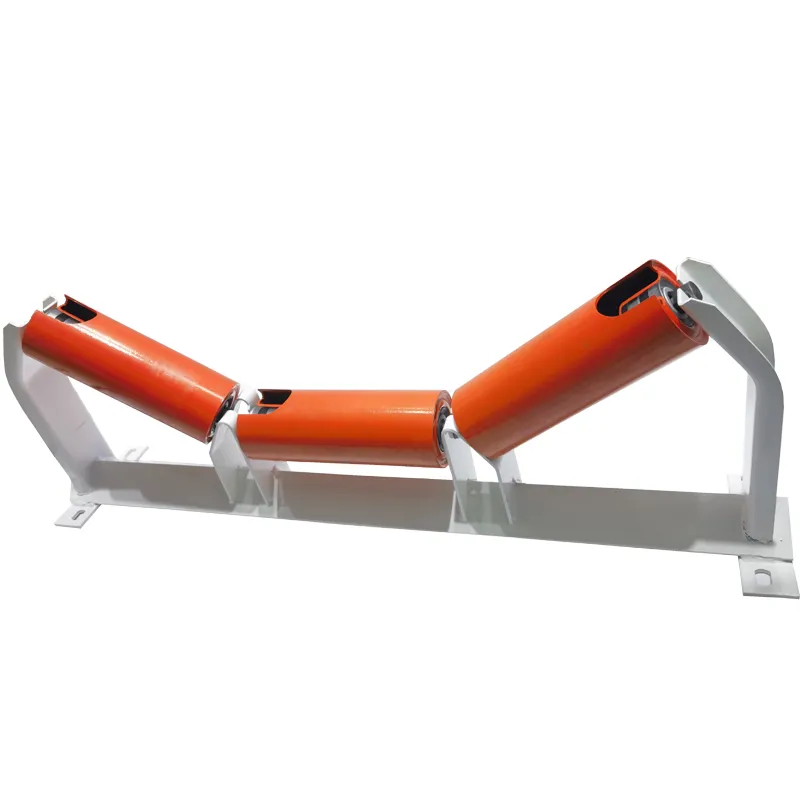
Product snapshot: Conveyor Rollers And Belt Conveyor Rollers
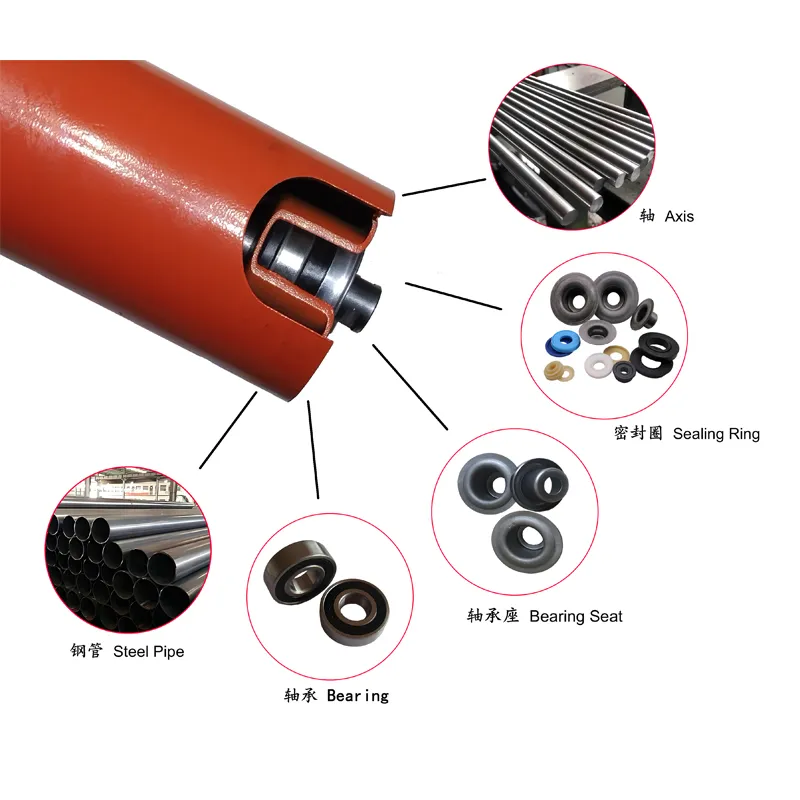
Origin: Room1109, Building C, Tianshan Galaxy Plaza, No. 358 Yuhua East Road, Shijiazhuang High tech Zone, Hebei Province. These curve-ready Tapered Conveyor Rollers are built around steel or polymer tubes, precision shafts, deep-groove sealed bearings, and multi-stage labyrinths. In fact, the build feels purpose-made for parcel, e‑commerce, airport baggage, food-grade (with stainless), and even light mining prep areas.
| Parameter | Typical Spec | Notes (real-world use may vary) |
|---|---|---|
| Tube material | Q235 carbon steel, galvanized; 304 SS; HDPE/POM | Choose stainless for washdown; polymer for corrosion/noise |
| Diameter range | Ø38–Ø159 mm | Common: Ø50, Ø60, Ø89 mm |
| Taper profile | Linear or multi-step; ≈1:60–1:200 | Sized for curve radius and belt width |
| Bearing | 6000/6200 series, ZZ or 2RS | Low-drag seals for high throughput |
| Conveyor speed | 0.2–3.0 m/s | Higher with balanced tubes |
| Radial runout | ≤0.7 mm (typical) | Per CEMA/ISO guidance |
| Service life | ≈20,000–50,000 h | Depends on load, sealing, duty cycle |
Manufacturing and testing (quick flow)
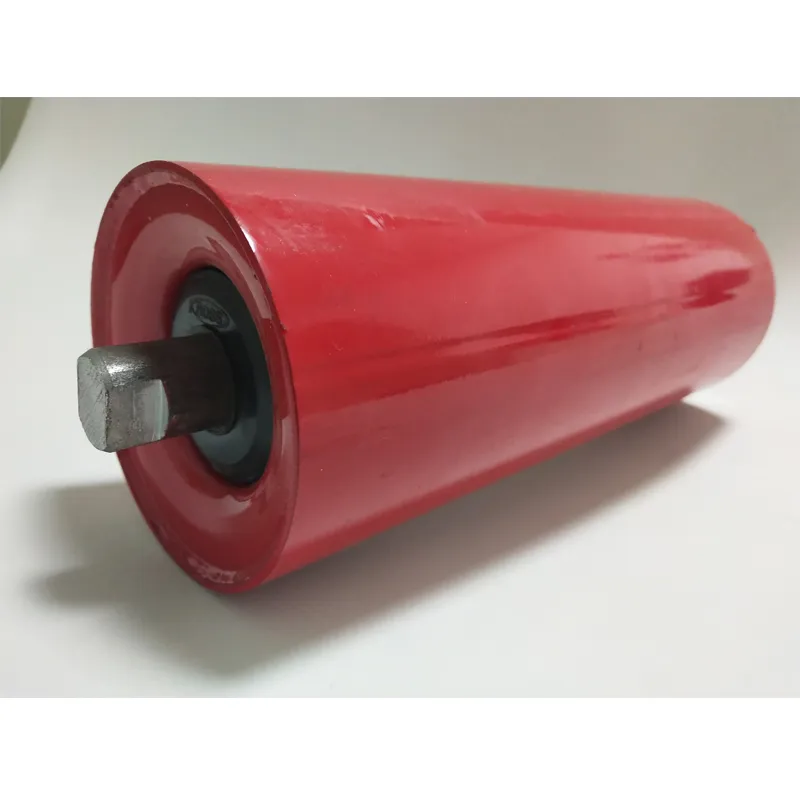
- Materials: seamless steel tube or polymer; precision ground shafts.
- Methods: CNC turning of taper, automated CO₂/MAG welding, press-fit bearings, labyrinth seal assembly.
- Testing: rotational resistance (≤2.5 N typical at 600 rpm), radial runout per ISO 1537, water-immersion seal test 24–72 h, salt spray ≈48–96 h for zinc parts, balance check per ISO 21940-11.
Where they shine
Curve zones, merges, accumulation lines, airport carousels, secondary packaging, and damp/washdown areas (with stainless). One maintenance manager told me their curve scrap rate dropped “noticeably” after switching to Tapered Conveyor Rollers with closer runout control.
Vendor snapshot (indicative)
| Vendor | Strengths | Potential Trade-offs |
|---|---|---|
| HG Conveyor (this product) | Custom tapers, wide materials, ISO-based QA, balanced tubes | Lead times vary with stainless/HDPE runs |
| Vendor A (regional) | Fast shipping, standard sizes | Limited taper ratios; fewer seal options |
| Vendor B (global) | Premium bearings, extensive docs | Higher unit cost; MOQs on specials |
Case study (e‑commerce DC)
A 180° belt curve (Ø60→Ø89 mm taper, 1:120) handling 35 kg parcels swapped legacy cones for Tapered Conveyor Rollers with low-drag seals. Results after 90 days: curve downtime −41%, belt edge wear −28%, average noise −6 dBA at 1 m, and energy draw at the drive −5.2% (facility meter). Not bad for a “simple” component change.
Customization and compliance
- Options: tube coatings, anti-static sleeves, food-grade grease, keyed/hex shafts, crowned ends.
- Standards: CEMA 502 guidance on idlers; ISO 1537 tolerances/testing; balance per ISO 21940-11; QA under ISO 9001.
- Typical test data: rotational resistance traceable; seal endurance in immersion; zinc parts salt-sprayed to ≈72 h.
Why teams pick them
Advantages: gentler tracking through curves, lower belt scuffing, better parcel orientation, and—surprisingly—fewer “mystery” jams. To be honest, once the curve is quiet and predictable, upstream PLC tweaks suddenly start paying off.
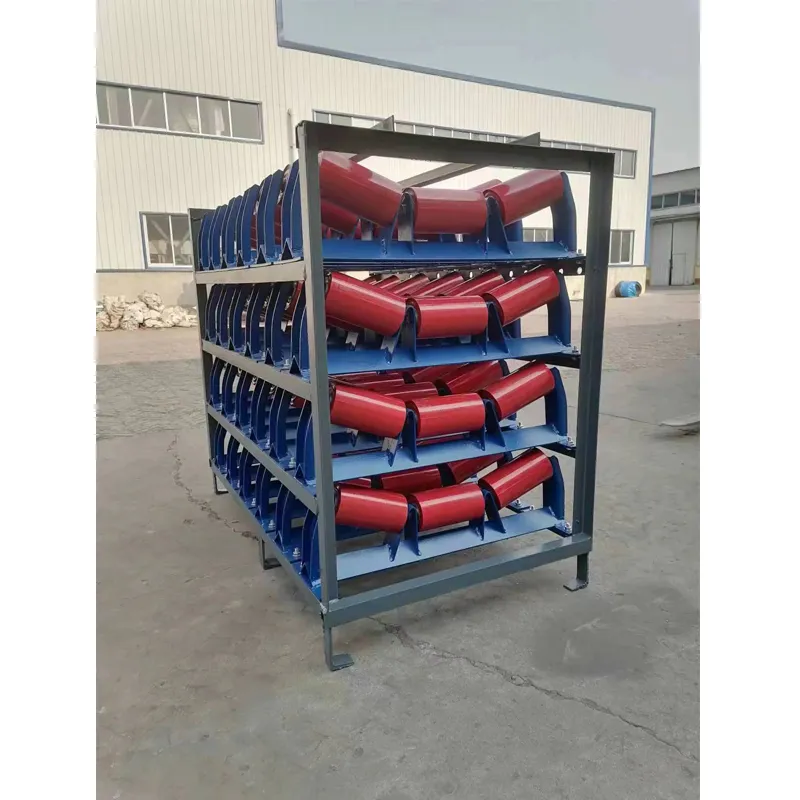
Availability: built-to-order from Shijiazhuang High Tech Zone. If you’re spec’ing a curve, ask for taper ratio, runout certificate, and seal test data up front. Your curve—and your operators—will thank you.
Citations
- CEMA Standard No. 502: Bulk Material Belt Conveyor Troughing and Return Idlers — Conveyor Equipment Manufacturers Association. https://cemanet.org
- ISO 1537:1991 — Steel conveyor rollers — Tolerances, qualities and testing. https://www.iso.org/standard/28212.html
- ISO 21940-11:2016 — Mechanical vibration — Rotor balancing — Part 11. https://www.iso.org/standard/53767.html
- ISO 9001:2015 — Quality management systems — Requirements. https://www.iso.org/standard/62085.html