Field Notes on Rubber Coated Conveyor Rollers for Sticky, Real-World Material Flows
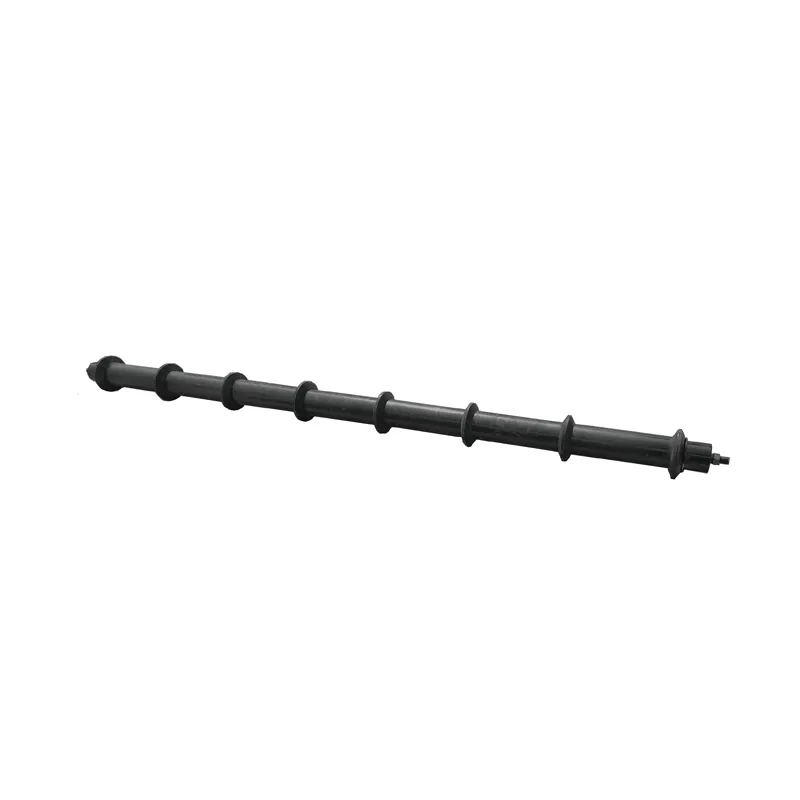
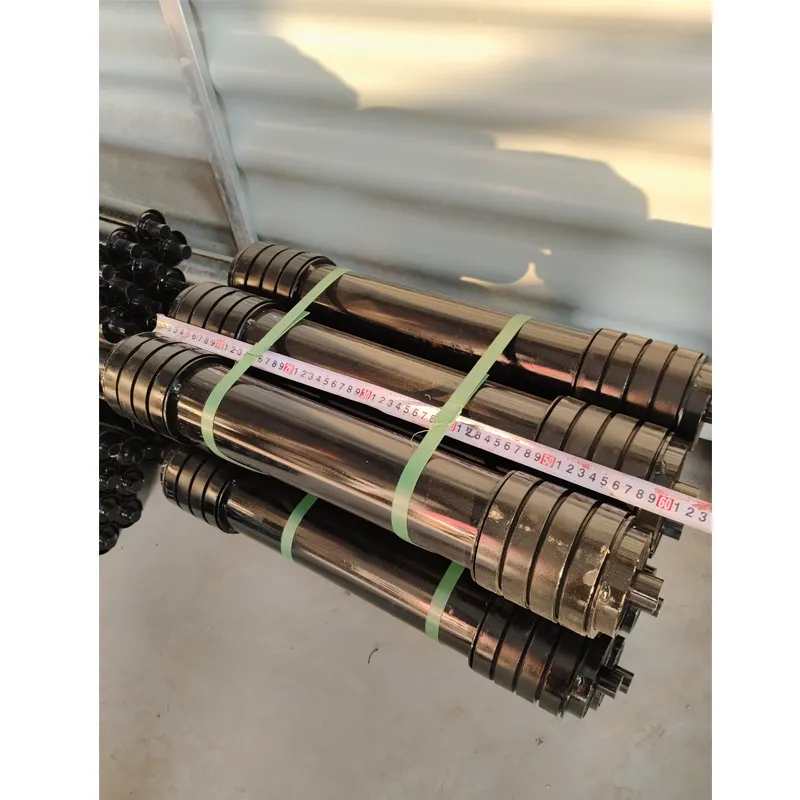
Last month I walked a plant line that handles wet clay and fines. Classic carryback nightmare. What solved most of it wasn’t a fancy scraper, but a comb-type return idler with elastic rings—the Return Comb Shaped Roller from HG. And yes, it sits firmly in the family of Rubber Coated Conveyor Rollers, but it behaves a bit smarter for viscous loads.
What’s trending, and why the comb design matters
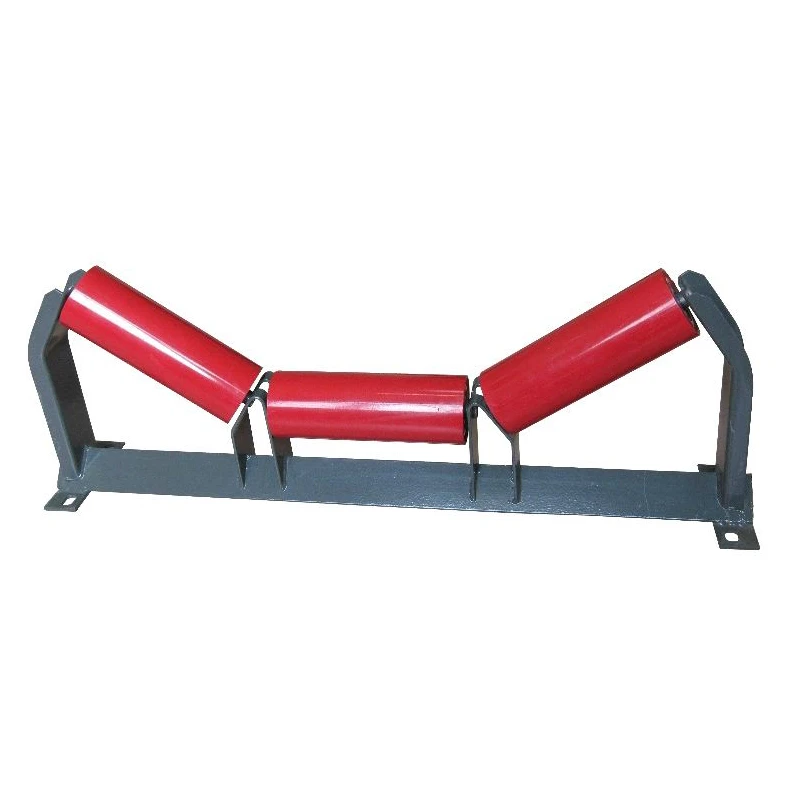
Industry trendlines are pretty clear: less downtime, more self-cleaning, and quieter lines. Mining, aggregates, fertilizer, biomass—operators everywhere complain about carryback. Comb-type Rubber Coated Conveyor Rollers use spaced elastic annular rubber rings (with ABS isolation rings) to flick off sticky material without chewing up the belt. Many customers say it’s the easiest upgrade before you start spec’ing more aggressive cleaners.
How it’s built (short version)
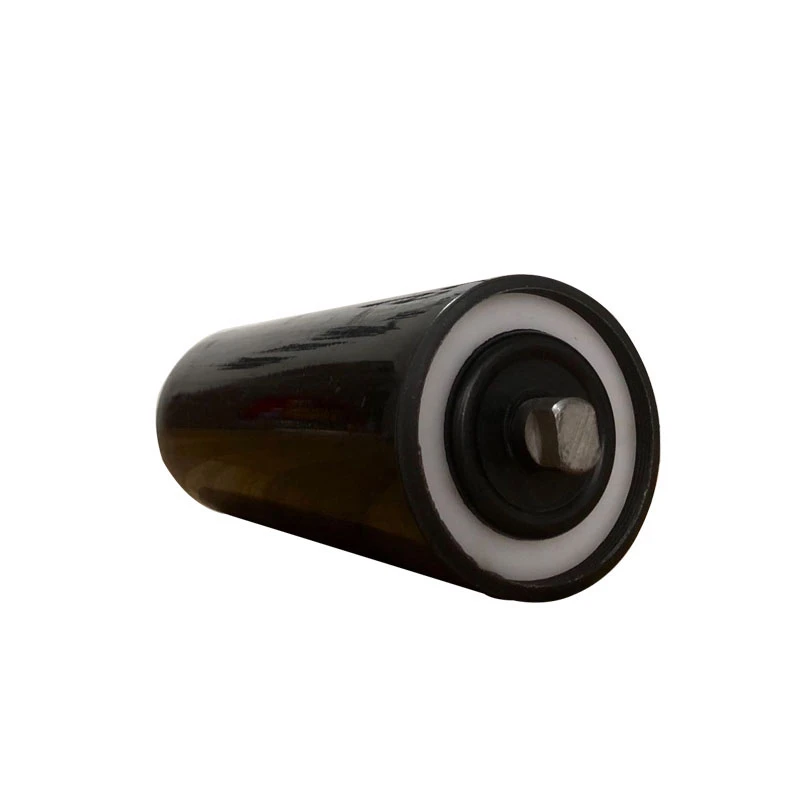
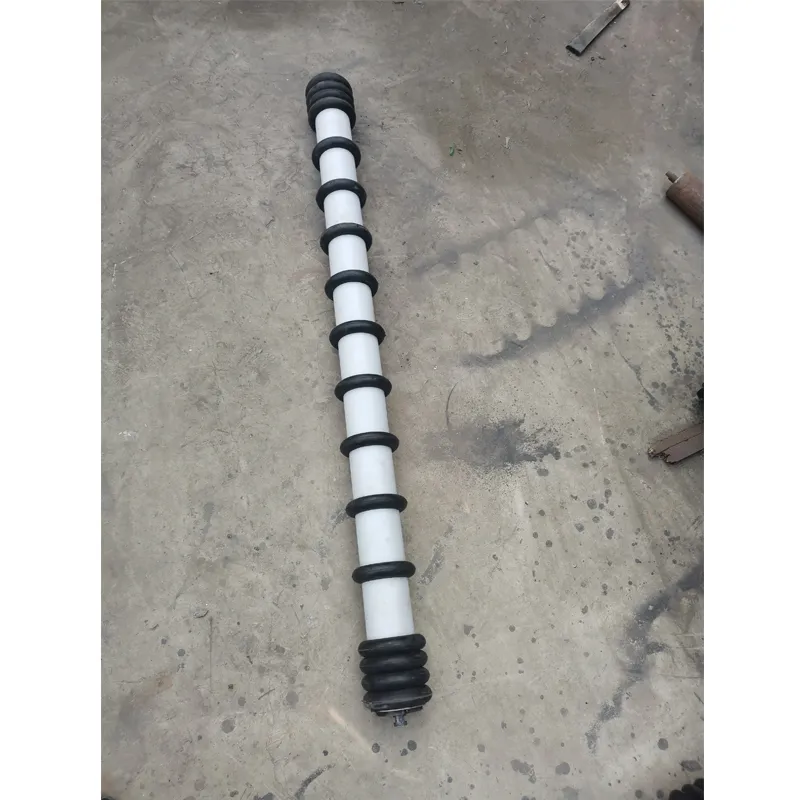
Core tube in Q235/Q345 steel, precision bearings (2RS, typically 6204–6305), multi-labyrinth seals, and those elastic exclusion-type rings (NR/SBR blend ≈60±5 Shore A). ABS segment spacers keep the ring spacing consistent. Dynamic balance to ISO G16 or better, powder-coated shell. To be honest, it’s simple, but it’s the right kind of simple.
Production & testing highlights
- Ring hardness: ASTM D2240; abrasion: DIN 53516 (≈≤120 mm³ typical).
- Runout (TIR): ≈≤0.3 mm on standard lengths; balance per ISO 21940.
- Salt-spray on coated parts: ASTM B117 (≈120 h baseline; real-world may vary).
- Noise: ≈≤60 dB at nominal speed; water ingress protection via labyrinth + 2RS seals.
Key specs for the Return Comb Shaped Roller
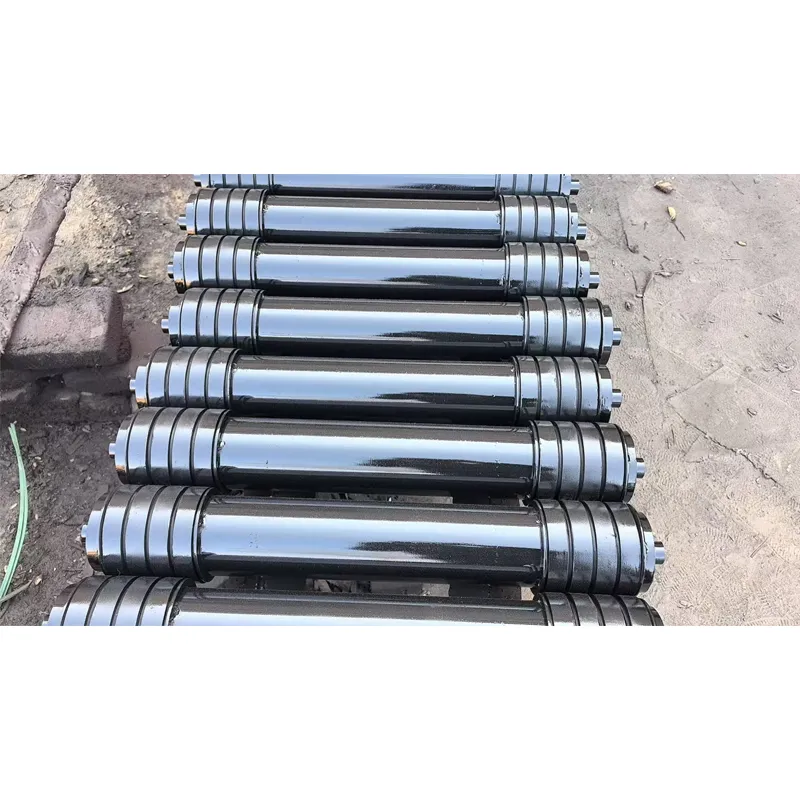
| Roller diameters | 89 / 108 / 133 / 159 mm |
| Face length | 350–2200 mm (custom on request) |
| Shaft/bearing | Ø20–35 mm / 6204–6305 |
| Ring spacing | ≈20–35 mm (by belt width/material) |
| Service temp | -20°C to +80°C (higher by special rubber) |
| Belt speed | ≤4.5 m/s typical |
Where it shines
Sticky ores, wet clay, fine coal, fertilizer (urea), recycled organics, and biomass. I guess food-grade is a separate conversation—HG can swap rubber to FDA-type if needed, but most users run the standard rings on mining/cement lines. Origin point, for the record: Room1109, Building C, Tianshan Galaxy Plaza, No. 358 Yuhua East Road, Shijiazhuang High tech Zone, Hebei Province.
Customization
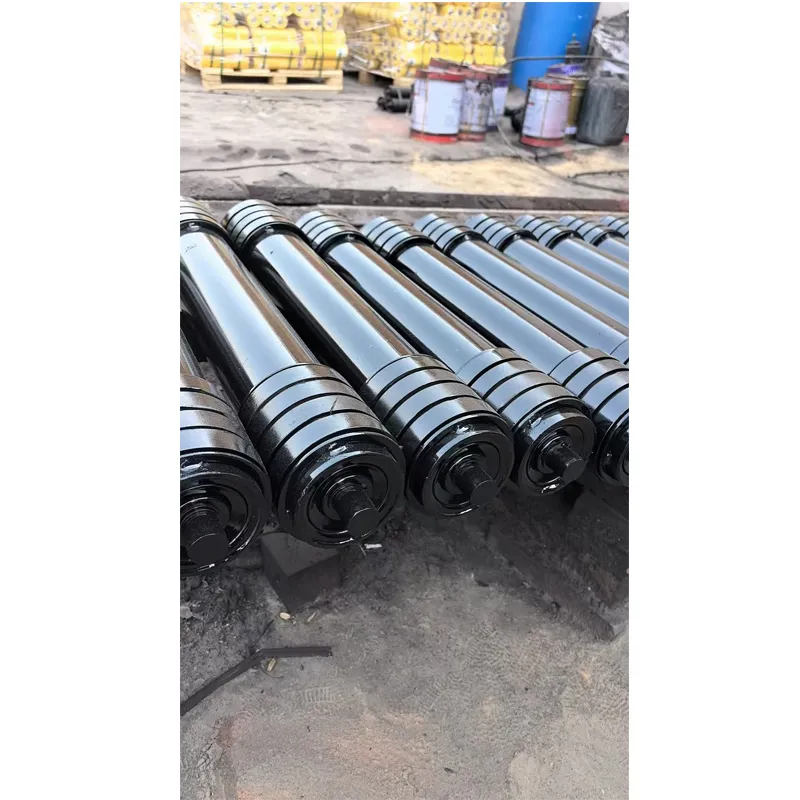
- Ring hardness 45–75 Shore A; oil-resistant NBR for oily feeds.
- Antistatic and flame-retardant options (ISO 340 / equivalent).
- Diameter/length per CEMA B/C/D frames, DIN variants available.
Quick vendor comparison (my cheat sheet)
| Vendor | Ring/Seal | Balance | Lead Time | Notes |
|---|---|---|---|---|
| HG Return Comb Shaped | NR/SBR rings + ABS; multi-labyrinth + 2RS | ISO G16 (≈) | ≈2–4 weeks | Robust mid-cost; wide sizes |
| Vendor A | SBR rings; basic seal | G40 (≈) | ≈1–2 weeks | Budget, higher noise |
| Vendor B | NBR rings; premium seal | G16–G6.3 | ≈4–6 weeks | Top-tier, pricier |
Field result: quarry case
At a limestone quarry (humid coastal climate), swapping three return positions to comb-type Rubber Coated Conveyor Rollers cut carryback by ≈65% (from ~380 g/m to ~130 g/m), trimmed weekly cleanup to biweekly, and nudged drive energy down ≈3%. Bearings hit an L10 life projection >30,000 h at 70% of catalog load—site data always varies, but the operators were genuinely relieved.
Certifications and compliance
Manufacturer supports ISO 9001 QA, CEMA frame compatibility, and can conform to ISO 21940 (balance), ASTM D2240 (hardness), DIN 53516 (abrasion), and fire/antistatic per ISO 340 upon request.
References