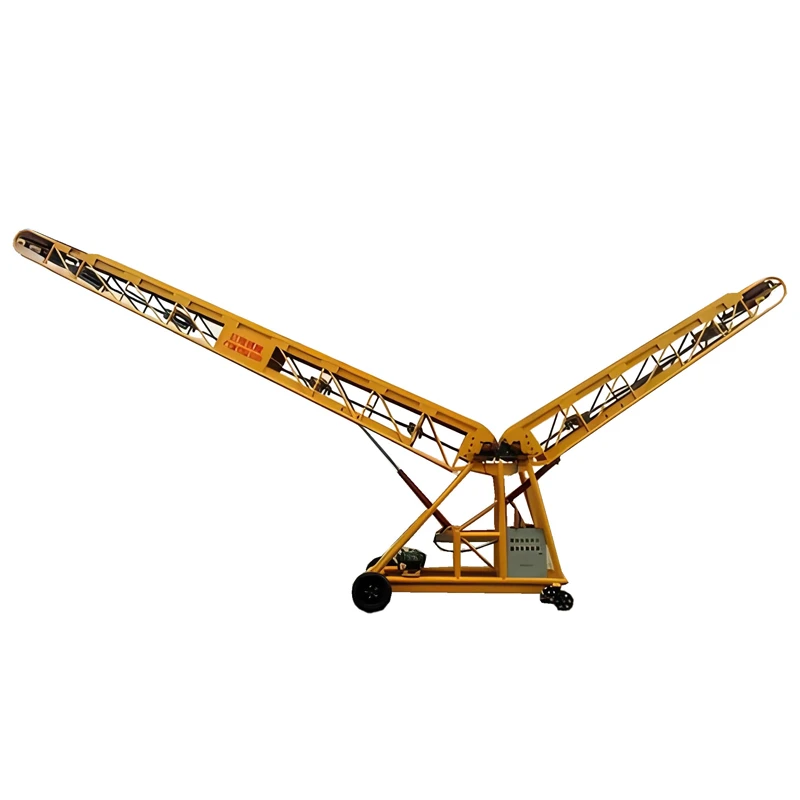
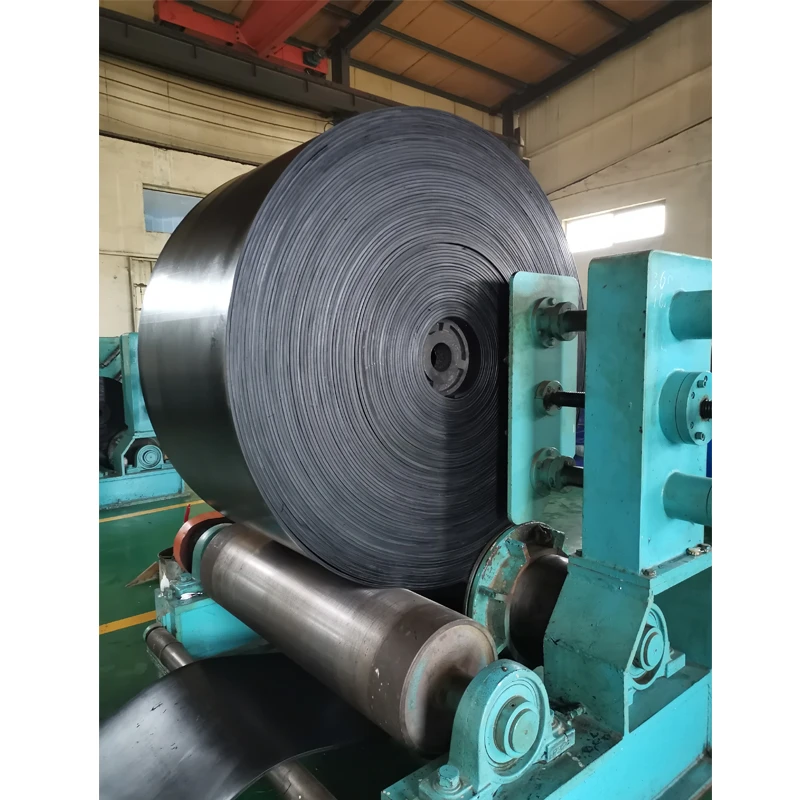
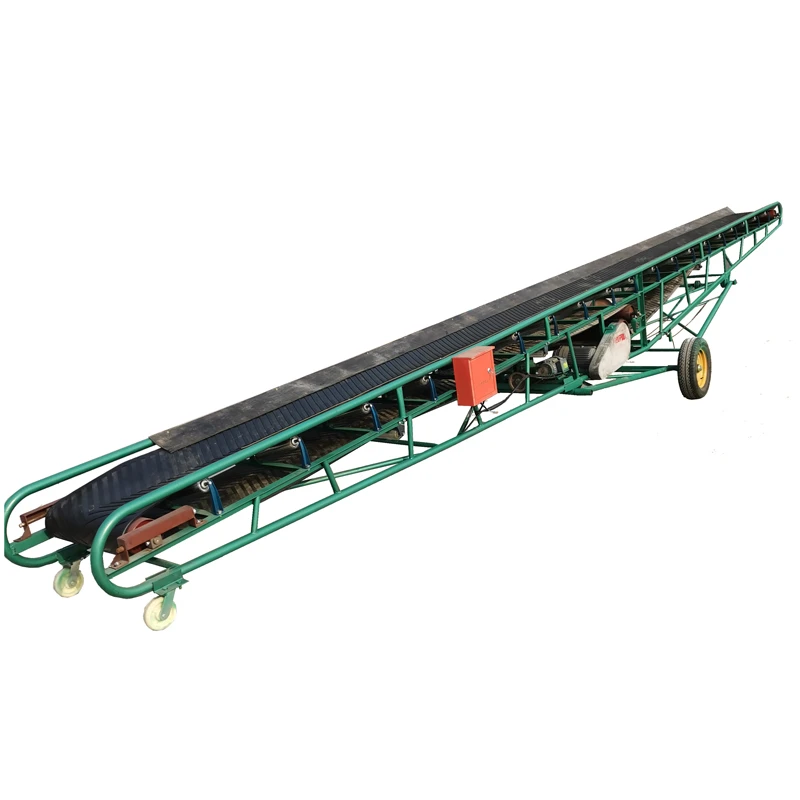
Step Conveyor is a key solution in the industry, specifically within material handling and manufacturing sectors. This article explores how https://www.hgconveyorbelt.com supports professionals with durable, high-performance products, and explains why this product is an ideal choice for businesses in these sectors.
Table of Contents
- Step Conveyor Overview
- Benefits & Use Cases of Step Conveyor
- Cost, Maintenance & User Experience
- Sustainability & Market Trends
Step Conveyor Overview
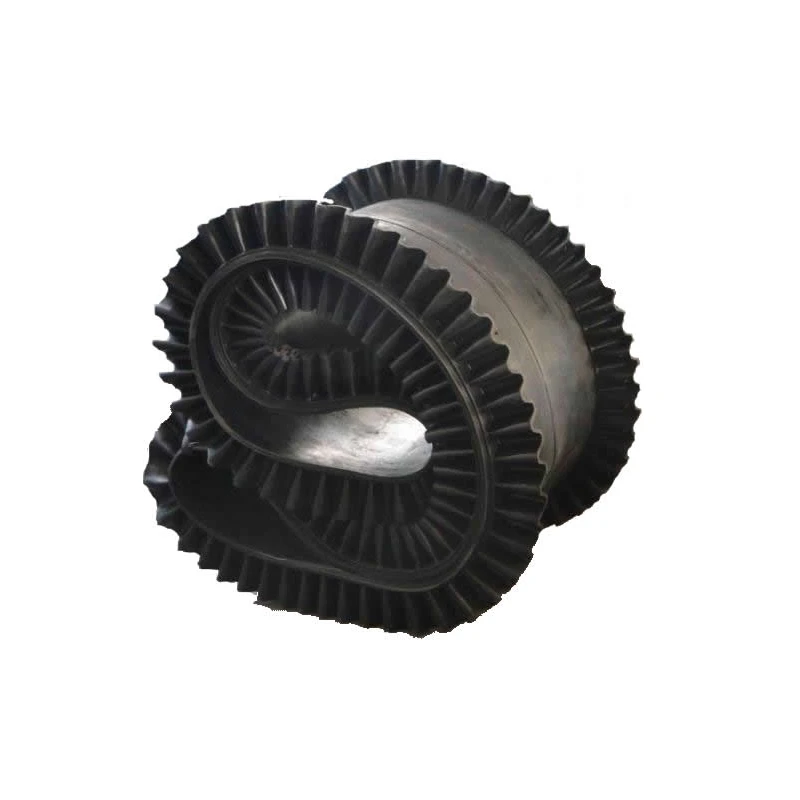
The Step Conveyor is essentially designed to move goods vertically, or at steep inclines, without slippage. Imagine a standard conveyor belt but with distinct raised sections — the “steps” — which create pockets for items to rest in as they travel upward. It’s a neat way to transport products like boxes, loose materials, or packaged goods while ensuring nothing slides back or shifts unexpectedly.
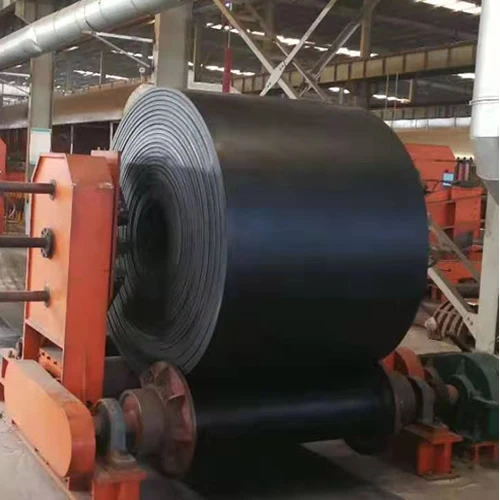
From a technical standpoint, step conveyors from HG Conveyor Belt combine robust materials — typically synthetic rubber or PVC — with precision-engineered cleats that can be customized for height, spacing, and shape. This flexibility allows for handling different sizes and weights. For instance, some clients in the food packaging industry have noted the stepped belts support a continuous flow without damaging the goods — which frankly, is not an easy balance to strike. And their belts come in widths ranging approximately from 300mm to 2000mm, depending on operational needs.
| Specification | Details |
|---|---|
| Belt Material | PVC, Synthetic Rubber |
| Cleat Height | 20mm – 100mm |
| Belt Width | 300mm – 2000mm |
| Temperature Range | -10°C to +80°C |
| Incline Angle | Up to 90 degrees |
Benefits & Use Cases of Step Conveyor
Though step conveyors might sound like niche equipment, they’re marvelously versatile across an array of industries. Take food processing — conveyors here need to securely elevate fruits or packaged snacks without bruising or toppling. Or in e-commerce distribution centers, where boxes of varied sizes must be efficiently moved between floors or sorting stations.
What makes the step conveyor stand out? The cleated design prevents backward slip which is a huge operational efficiency win — it maximizes throughput while minimizing manual handling. Also, HG Conveyor Belt offers excellent customization in cleat size and spacing, which frankly, is a godsend for engineers who want to tailor the flow and ensure product safety. Plus, their belts are tested for abrasion resistance and UV stability — so they hold up well even in harsh industrial settings.
Cost, Maintenance & User Experience
When considering new equipment, many businesses naturally wonder about total cost of ownership and ongoing maintenance. Step conveyors typically represent a strong ROI because their durable synthetic belts resist wear and tear far better than some older, fabric-based options. This means lower downtime and fewer belt replacements — translating to tangible cost savings.
Clients who install HG Conveyor’s step conveyors often mention the minimal maintenance requirements, appreciating the clarity in troubleshooting and replacement parts. From user feedback, the belts also run relatively quietly, which oddly enough, can impact workplace comfort more than one might expect. Plus, user-friendly installation and clear supplier communication add to the positive experience, reducing friction around upgrades.
| Vendor | Material Options | Customization | Lead Time | Price Range |
|---|---|---|---|---|
| HG Conveyor Belt | PVC, Rubber, PU | High (cleat shape, size, spacing) | 4-6 weeks | Competitive |
| Vendor B | Rubber only | Medium | 6-8 weeks | Higher |
| Vendor C | PVC, PU | Low | 3-5 weeks | Budget |
Sustainability & Market Trends
Sustainability has become sort of the watchword for almost all manufacturing investments these days — rightly so. Step conveyors offer opportunities here too. For one, durable, long-lasting belts reduce waste drastically, which is an obvious plus. Beyond that, HG Conveyor Belt is increasingly integrating eco-friendlier materials and cleaner manufacturing processes to comply with tightening environmental regulations.
Market analysis suggests that as automation and factory modernization accelerate, demand for sophisticated step conveyors will grow, especially in Asia and Europe. Awareness of energy efficiency is rising, so manufacturers choosing conveyors that operate with minimal motor power (thanks to low belt friction and optimized cleat designs) are ahead of the curve.
Frequently Asked Questions about Step Conveyor
- What is Step Conveyor and how does it work?
- A Step Conveyor is a type of conveyor belt with raised "steps" or cleats that help transport products vertically or at steep angles by creating pockets that hold items in place. It works by moving the cleated belt upward, preventing slippage or rolling of items.
- What are the main benefits of using Step Conveyor in industrial applications?
- The key benefits include preventing product slippage on inclines, enhancing throughput efficiency, reducing manual handling, and offering durable, customizable belts resistant to abrasion and harsh conditions.
- How does Step Conveyor compare to traditional alternatives?
- Compared to traditional flat or modular conveyors, Step Conveyors provide superior vertical transport capabilities without risking product displacement. They often feature easier maintenance and can be customized more extensively.
- What industries can benefit most from Step Conveyor implementation?
- Industries like food processing, packaging, e-commerce warehousing, pharmaceuticals, and manufacturing all find Step Conveyors invaluable for moving goods safely and efficiently along production lines.
Conclusion on Step Conveyor from china
To wrap up, the Step Conveyor is truly a critical asset for businesses looking to optimize vertical material transport with reliability and customization. It strikes a fine balance between innovation and practical durability. If your operation demands smart conveyance that reduces product damage and maximizes efficiency — well, you can’t go far wrong checking out what HG Conveyor Belt offers.
- Robust, customizable belts designed with real industrial needs in mind
- Visit our website: https://www.hgconveyorbelt.com
Reflection: It’s clear that step conveyors, especially those from established suppliers like HG Conveyor Belt, represent a practical and forward-thinking investment for industrial users — combining customization, durability, and sustainability. For those navigating conveyors, they really are something to consider.
References:
1. Industry reports on material handling trends (2023)
2. HG Conveyor Belt product literature
3. Customer testimonials in food and packaging sectors