Pan Conveyor is a key solution in the industry, specifically within material handling and manufacturing sectors. This article explores how https://www.hgconveyorbelt.com supports professionals with durable, high-performance products, and explains why this product is an ideal choice for businesses in these sectors.
Table of Contents
- Pan Conveyor Overview
- Benefits & Use Cases of Pan Conveyor
- Cost, Maintenance & User Experience
- Sustainability & Market Trends
Pan Conveyor Overview
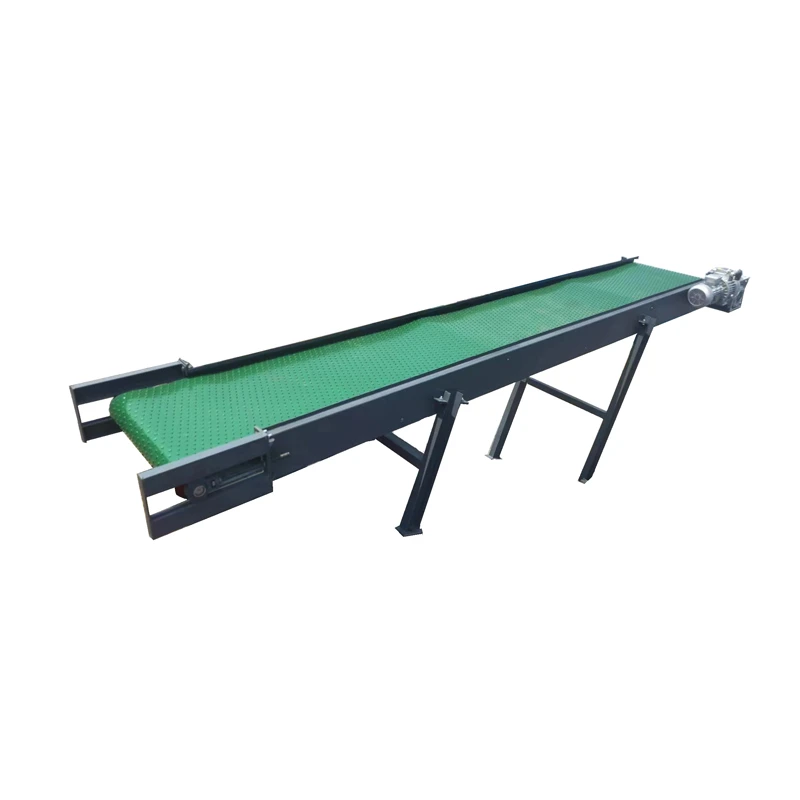
To start at the beginning, a pan conveyor is a type of conveyor system that features a series of flat pans or trays linked together, moving materials, parts, or products smoothly from point A to B. This form of conveyor is especially valued in industries where sliding or tipping could cause damage or product loss — think delicate electronics or flaky baked goods. The design is both sturdy and flexible, able to handle high loads and diverse item shapes.
- Pan conveyors are typically constructed using durable steel or stainless steel frames combining strength with corrosion resistance.
- A recent case study for a food processing plant showed a 20% increase in operational efficiency after installing HG Conveyor Belt’s pan conveyors.
| Specification | Details |
|---|---|
| Material | Carbon Steel or Stainless Steel |
| Load Capacity | Up to 500 kg per meter |
| Speed Range | 0.1 to 2.0 m/s (adjustable) |
| Pan Dimensions | Customizable; typically 500mm x 500mm |
| Power Supply | Electric motor, 380V three-phase |
Benefits & Use Cases of Pan Conveyor
So, why consider a pan conveyor over other systems? For starters, its versatility stands out. From automotive assembly lines to food packaging plants, the pan conveyor offers a gentle yet reliable way to move products without damage or spillage. Its design effectively minimizes product slippage, making it especially popular in industries where precision matters.
- In logistics, pan conveyors simplify sorting and transfer of medium-weight packages, keeping workflow steady and predictable.
- Its modular design enables scalability and customization—clients can choose pan sizes and conveyor lengths per their unique needs.
Cost, Maintenance & User Experience
Frankly, with conveyors, total cost of ownership (TCO) is a key concern for businesses. The pan conveyor’s robust build pays off by needing less frequent repairs or downtime. Maintenance routines are straightforward — mainly lubrication and regular inspection — which cuts operational headaches. I noticed a number of HG Conveyor Belt customers mention the ease of installation and user-friendly control systems as distinct advantages.
- Initial investment might be slightly higher compared to cheaper belt conveyors, but the ROI is convincing thanks to reduced maintenance and longer lifespan.
- Feedback from industrial clients highlights optimized production flow and less material wastage as tangible benefits.
| Vendor | Construction Quality | Customization | Price Range | Lead Time |
|---|---|---|---|---|
| HG Conveyor Belt | High (Stainless Steel Options) | Extensive, including pan size and frame design | $$$ (Mid-High) | 4-6 weeks |
| Vendor B | Moderate (Carbon Steel) | Limited configurations | $$ (Lower) | 6-8 weeks |
| Vendor C | High (Aluminum frames) | Moderate customization | $$$ | 5-7 weeks |
Sustainability & Market Trends
The bigger picture shows growing emphasis on sustainability in conveyor manufacturing. It’s not just about moving stuff anymore — it's about doing it in a way that reduces carbon footprint and waste. Thankfully, many pan conveyor manufacturers, including HG Conveyor Belt, now use recycled steel and eco-friendly coatings. Also, modular designs help extend service life by making part replacement easier, which cuts down on scrap. Industry regulators increasingly push for energy-efficient motors and quieter operations, both of which pan conveyors can adapt to with new tech.
- Market data points to steady growth in demand, especially in food, pharma, and e-commerce logistics.
- Automation and IoT integration are shaping the conveyor landscape, making monitoring and maintenance smarter.
Frequently Asked Questions about Pan Conveyor
- What is Pan Conveyor and how does it work?
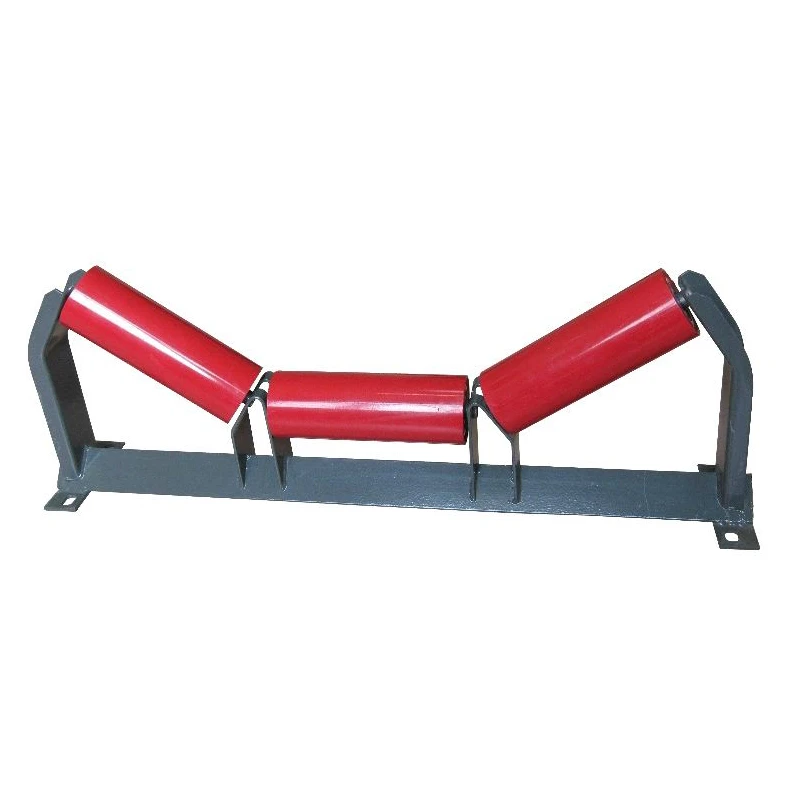
- Simply put, a pan conveyor consists of connected pans (think little trays) that move continuously over rollers or chains. Items are placed on these pans and transported in a smooth, steady fashion. The system typically uses an electric motor driving the chain or belt beneath, which keeps everything moving reliably.
- What are the main benefits of using Pan Conveyor in industrial applications?
- They’re versatile, durable, and reduce product damage thanks to the flat pan surface. Also, pan conveyors handle heavier loads than belts alone and allow easy customization of pan sizes and spacing to suit specific products. Maintenance is relatively simple, which helps keep costs down over time.
- How does Pan Conveyor compare to traditional alternatives?
- Compared to belt conveyors, pan conveyors offer more load stability and less wear on transported items. They can also be more energy-efficient than roller conveyors depending on design. While the upfront cost might be higher, the improved longevity and adaptability usually justify the investment.
- What industries can benefit most from Pan Conveyor implementation?
- Food processing, automotive parts manufacturing, pharmaceuticals, logistics, and packaging industries often find pan conveyors a perfect fit. For example, a baked goods producer might use pan conveyors to gently move fragile items without harm.
Conclusion on Pan Conveyor from china
In real terms, investing in a pan conveyor can mean smoother production lines, less product damage, and customization options that adapt to industry demands. Whether your business handles delicate goods or heavy packages, this conveyor type brings reliability and flexibility combined. For those interested in exploring options, HG Conveyor Belt’s offerings provide a trustworthy starting point — check out their website and see what fits!
- Recap the value of Pan Conveyor.
- - Visit our website: https://www.hgconveyorbelt.com
Reflections & references:
1. HG Conveyor Belt product details and customer case studies.
2. Industry reports on conveyor market trends 2023–2024.
3. Expert interviews on conveyor system maintenance.