Slotted Conveyor Belt: The Backbone of Efficient Bulk Handling
When you think of modern industry’s silent heroes, the slotted conveyor belt often flies under the radar. Yet, these simple-looking systems keep massive manufacturing lines and logistics centers humming globally. Why does understanding them really matter? Because in an age where efficiency, sustainability, and precision count more than ever, optimizing material flow can be a game changer—for costs, safety, and even social impact.
Introduction: Why the World Needs Slotted Conveyor Belts
Globally, industries are under constant pressure to improve productivity and reduce environmental footprints simultaneously. According to the International Organization for Standardization (ISO), conveyor systems are critical in sectors ranging from mining in Australia to food processing in Europe and shipping terminals in Asia.
But here’s the catch: traditional belts sometimes struggle with irregular bulk materials or products that require gentle handling and fixed spacing. Enter the slotted conveyor belt, purpose-built to tackle these challenges by providing secure transport with optimum airflow or liquid drainage—addressing everything from cooling hot items to allowing debris to fall away.
Mini takeaway: Slotted conveyor belts bridge efficiency gaps across diverse global industries by enabling specialized material handling needs.
Defining the Slotted Conveyor Belt
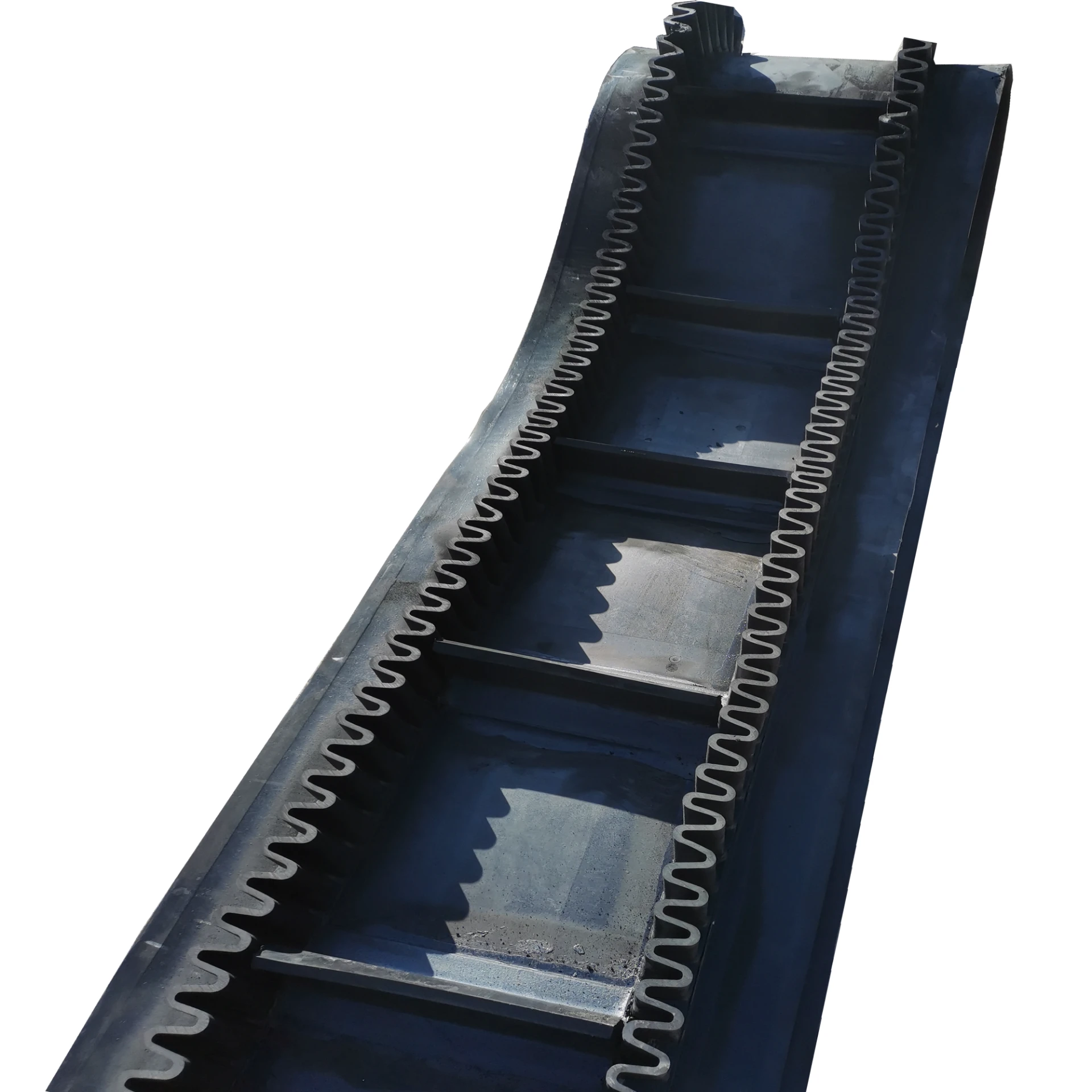
At its core, a slotted conveyor belt is a belt surface embedded with a patterned series of slots or openings. These slots vary in size, shape, and arrangement depending on the application requirements. Unlike solid belts, slotted belts offer improved ventilation, drainage, or sorting capabilities, making them especially relevant where materials might stick, steam, or need to be separated.
This concept isn’t just industrial fancy—it connects directly to pressing humanitarian needs, like ensuring food remains uncontaminated during transport or enabling recycling plants to sort materials efficiently, hence supporting circular economy goals worldwide.
Key Components & Factors of Slotted Conveyor Belts
1. Durability and Material Quality
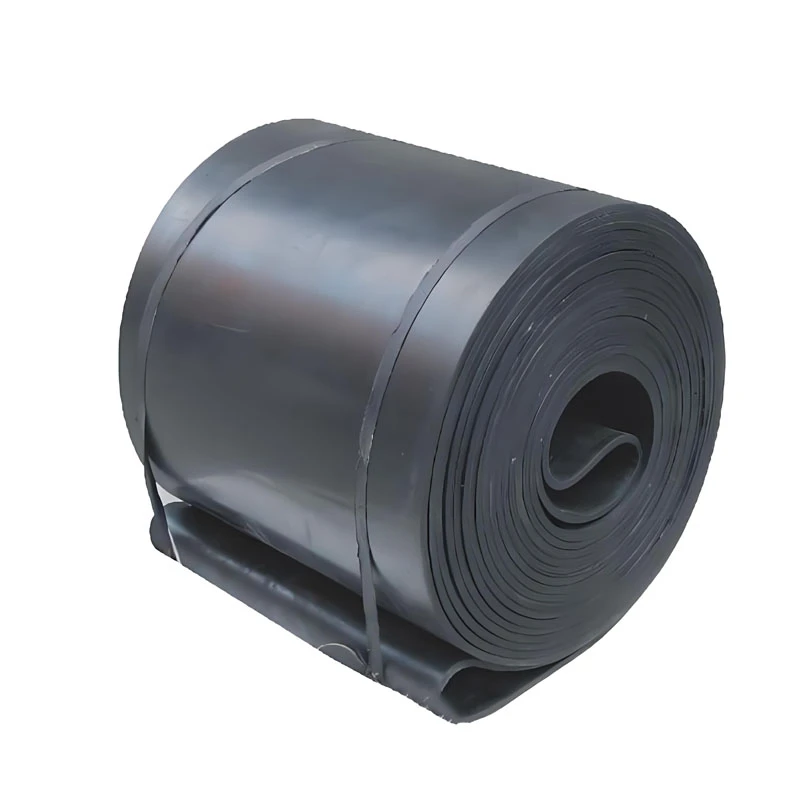
Slotted conveyor belts are typically made from robust polyurethane, PVC, or rubber with embedded slots reinforced for wear resistance. Their lifespan depends heavily on these materials’ resistance to abrasion, chemicals, and temperature fluctuations.
2. Slot Design and Pattern
The “slot” itself is more than just a gap—it’s an engineered solution. Patterns are customized to optimize airflow, drainage, or product separation. For instance, rectangular slots might be used in food processing to let liquids drain, whereas round holes could aid cooling in heavy manufacturing.
3. Scalability and Modularity
Many slotted belts can be scrolled together or split into modular sections, allowing easy scalability for expansion or maintenance. This modularity reduces downtime—a feature many plant managers swear by.
4. Cost Efficiency and Energy Saving
Because these belts reduce the need for additional drying or cleaning steps, industries often save significantly on energy consumption. There’s also less waste due to fewer damaged goods translating to cost savings.
5. Ease of Customization
From slot size to belt width and even surface texture, these conveyors can be tailored to niche operational demands, which frankly is a big advantage in complex supply chains.
Product Specifications of a Typical Premium Slotted Conveyor Belt
| Feature | Specification |
|---|---|
| Material | Thermoplastic Polyurethane (TPU) |
| Slot Type | Rectangular (10mm x 5mm) |
| Working Temperature | -20°C to +80°C |
| Belt Width | Up to 1500 mm |
| Load Capacity | Up to 300 kg/m |
| Operating Speed | 0.5 to 3 m/s |
Global Applications & Use Cases
In real terms, slotted conveyor belts find themselves everywhere from high-tech factories in Germany, where they help cool electronic components, to agricultural processing centers in Brazil, where drying coffee beans is crucial. Even relief organizations in post-disaster zones use them to aid efficient sorting of supplies, optimizing logistical chains and reducing spoilage.
- Food Industry: Slotted belts enable washing, drying, and sorting fruits and vegetables with minimal damage.
- Mining and Quarrying: They separate stones and debris, enabling cleaner material transport.
- Waste Management: Sorting recyclables using belts with custom slot sizes has dramatically improved recycling rates in parts of Europe.
- Logistics Hubs: Airports and distribution centers employ them to convey lighter, irregular parcels safely without jams.
Mini takeaway: These belts improve global material handling—from delicate perishables to harsh industrial products—boosting supply chain resilience.
Advantages & Long-Term Value
The tangible benefits are numerous. Cost savings via reduced waste and maintenance top the list. But you’d be missing the emotional side if you stopped there. Workers feel safer when belts reduce product slippage or the need for manual intervention. Companies gain trust by embracing solutions that align with sustainability goals—using less water, energy, and chemicals as these belts promote natural drying or ventilation.
It’s this blend of logic and empathy that makes slotted conveyor belts so valuable long-term. They’re not just tools—they’re reliability and dignity enablers in manufacturing’s ongoing quest for innovation.
Future Trends & Innovations
Ongoing R&D is focusing on smart integration—embedded sensors in slotted belts to monitor wear, material flow, and even load distribution in real-time. Plus, advances in bio-based polymers are making these systems greener. Oddly enough, the push for automation is also driving modular designs that can be swapped out mid-line without stopping operations.
Challenges & Solutions
Not all is perfect, though. Slot clogging when handling sticky or dusty materials remains a challenge. Experts recommend combined use with air-blast cleaning systems or belts with self-cleaning surface features. Also, not every facility can afford the upfront investment despite longer lifecycle savings, prompting creative leasing or modular upgrade options.
Vendor Comparison: Top Slotted Conveyor Belt Manufacturers
| Vendor | Material Options | Customization Level | Lead Time | Warranty |
|---|---|---|---|---|
| HG Conveyor Belt | TPU, PVC, Rubber | High (slot size, pattern, width) | 4–6 weeks | 3 years |
| FlexiBelt Inc. | TPU, PE | Medium | 6–8 weeks | 2 years |
| ConveyMaster Ltd. | Rubber only | Low | 8–10 weeks | 1 year |
FAQ: Frequently Asked Questions About Slotted Conveyor Belts
- Q: What materials are best suited for slotted conveyor belts in wet environments?
- A: Thermoplastic polyurethane (TPU) and PVC are preferred due to their water resistance and excellent wear life. They allow efficient drainage through slots, preventing water accumulation and reducing contamination risks.
- Q: How easy is it to customize slot patterns for specific products?
- A: Very easy with most modern suppliers. Slot size, shape, and spacing can usually be tailored to product dimensions and handling needs. This flexibility helps reduce product damage and improves sorting accuracy.
- Q: Can slotted conveyor belts operate in extreme temperature conditions?
- A: Yes, depending on the material. TPU belts generally handle temperatures from -20°C to +80°C, while specialized materials can withstand more extreme ranges for specific industrial processes.
- Q: What maintenance is required to prevent slot clogging?
- A: Routine cleaning via air or water jets is recommended, especially in sticky or dusty environments. Some belts include self-cleaning surfaces or can integrate cleaning systems to minimize downtime.
Conclusion and Call to Action
To sum up, slotted conveyor belts represent a versatile, future-ready solution to many industrial handling challenges. Their balance of durability, customization, and efficiency offers real value whether you’re moving delicate foodstuffs or rugged raw materials. If your operations could use a boost in throughput or sustainability, it’s worth exploring these systems further.
Feel free to visit our website: https://www.hgconveyorbelt.com for expert advice and tailored solutions designed to fit your unique needs.
And oddly enough, once you’ve relied on one of these belts, you quickly realize how indispensable they truly are... you get a little attached.
Final thought: Even the most ‘simple’ components like a slotted conveyor belt pack a punch where it counts—efficiency, safety, and sustainability.