Conveyor Belt Production: The Backbone of Modern Industry
Conveyor belt production might sound like a niche manufacturing topic, but its impact stretches far and wide—from mining in Africa to automated warehouses in Europe, and humanitarian relief efforts globally. At its core, conveyor belt production is about creating reliable, efficient systems that move materials, goods, and products seamlessly across distances. Why does it matter so much? Simply put, the world depends on these systems to keep goods flowing, cut costs, and enable large-scale operations that often define modern economic progress.
Understanding Its Global Importance
Globally, conveyor belt production supports industries accounting for trillions of dollars and millions of jobs. The International Organization for Standardization (ISO) reports that industrial conveyor systems reduce waste and boost efficiency by up to 40% in certain sectors. Moreover, the United Nations highlights conveyor technology as critical in post-disaster logistics where rapid movement of supplies saves lives.
However, the challenge lies in meeting rising demands alongside sustainability goals. Conveyor belts must evolve to become more durable, eco-friendly, and adaptable to diverse environments—whether it's a desert mine or a refrigerated food-processing plant.
What Is Conveyor Belt Production?
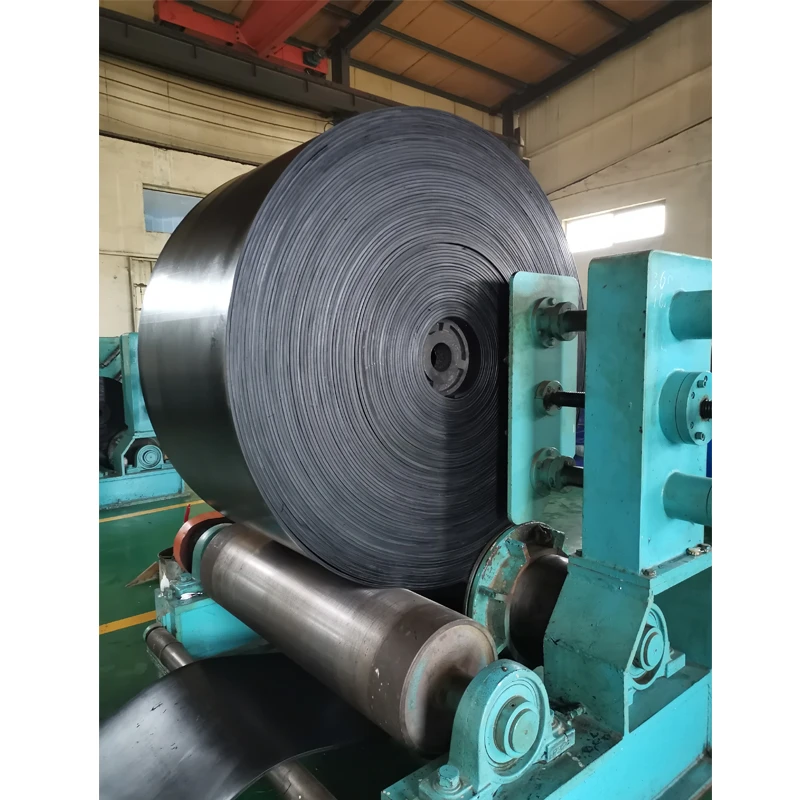
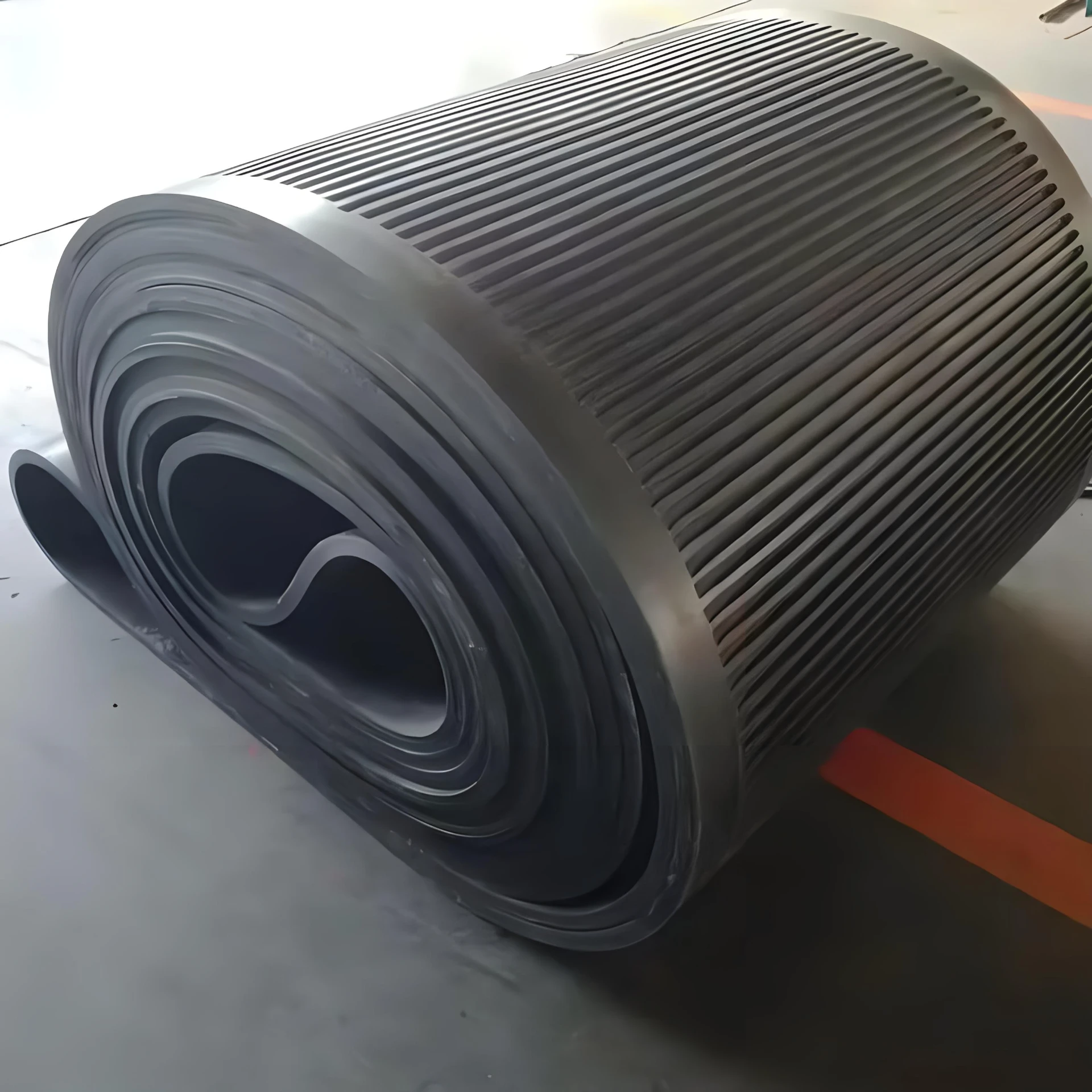
Simply put, conveyor belt production is the process of designing, manufacturing, and assembling belts that carry materials across industrial or commercial settings. It involves a mix of materials engineering, mechanical design, and quality testing. These belts are not just rubber strips; they are purpose-built components often layered with fabrics, steel cords, or specialty coatings to serve specific transport needs.
Its significance leaps beyond factories—think humanitarian aid where conveyor belts help sort and distribute relief materials quickly or agriculture where they improve harvest efficiency.
Core Components of Conveyor Belt Systems
1. Durability
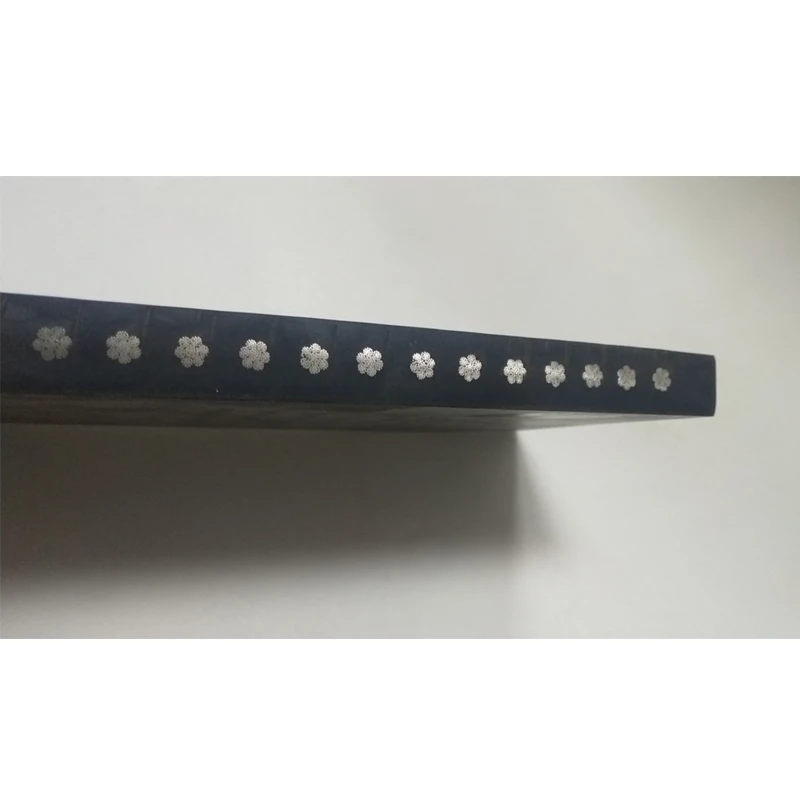
One of the most talked-about requirements is durability. These belts must resist wear from abrasive materials, temperature extremes, and chemical exposure. For instance, steel-cord reinforced belts sustain heavy loads over long distances, often essential in mining or bulk material handling.
2. Scalability
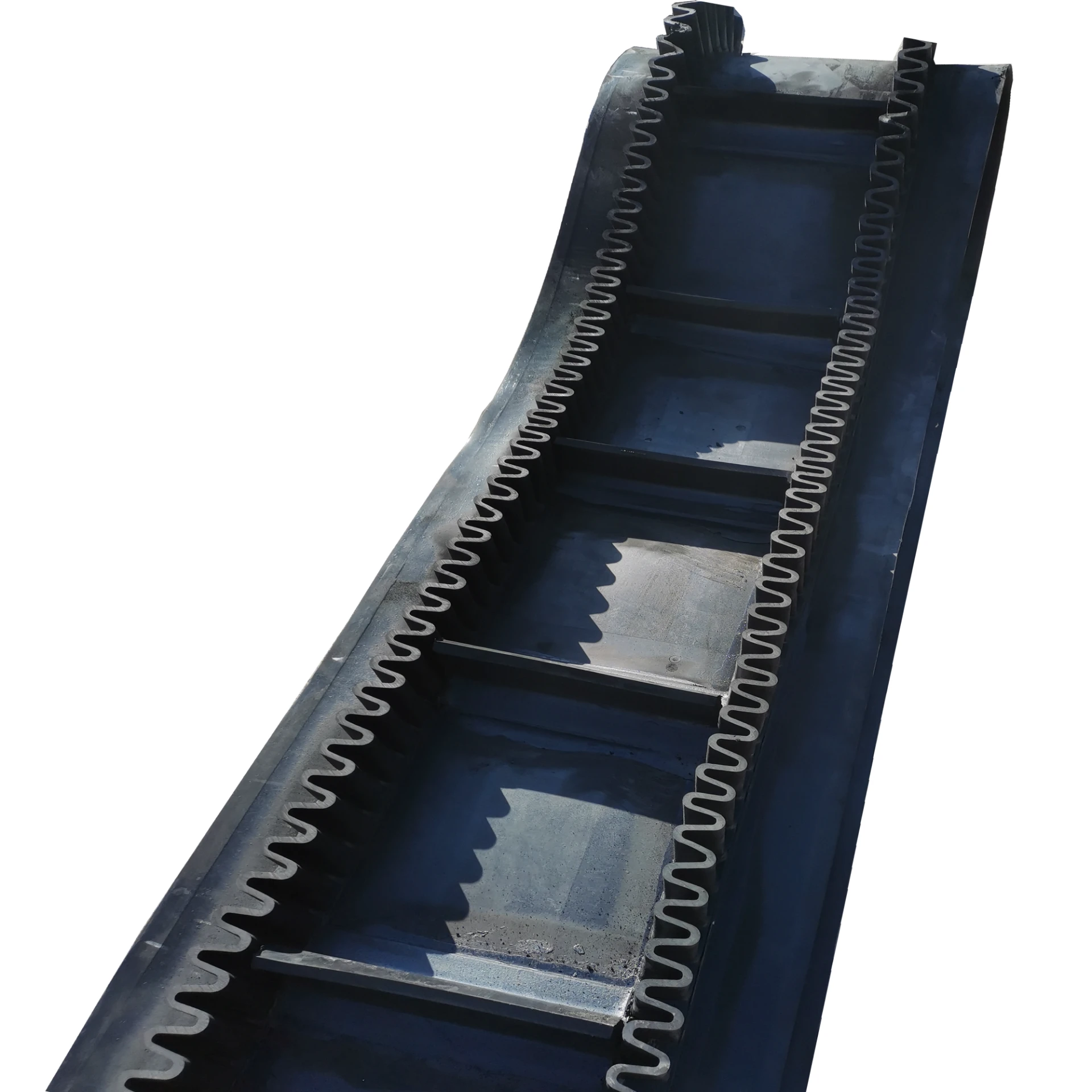
Scalability refers to how easily belt systems can expand or adapt. Modular belt designs enable operators to add or replace sections without disrupting entire lines. This flexibility is crucial in fast-growing industries or shifting logistical needs.
3. Cost Efficiency
While upfront investment in high-quality belts might seem steep, long-term savings come from reduced downtime and maintenance. Innovations in materials science have introduced compounds that extend life cycles by 20–30% compared to traditional belts.
4. Safety and Compliance
Safety features such as fire retardancy, anti-static properties, and adherence to ISO and OSHA standards are increasingly non-negotiable. In industries like food processing, hygiene standards influence belt material choices directly.
5. Environmental Impact
Eco-conscious manufacturing now prioritizes recyclable materials and processes that minimize carbon footprint. Oddly enough, some of the newest belts incorporate bio-based polymers that degrade safely at end-of-life.
Typical Conveyor Belt Product Specifications
| Feature | Specification | Typical Use |
|---|---|---|
| Material | EP Rubber with Steel Cord | Heavy bulk transport |
| Width Range | 300mm - 2400mm | Varies by conveyor size |
| Temperature Tolerance | -40°C to 80°C | Cold storage, open air |
| Max Load Capacity | Up to 1200 kg/m | Mining, heavy bulk |
| Fire Resistance | Class F (ISO 340) | Chemical plants, food industry |
Who Leads the Conveyor Belt Production Market? Vendor Comparison
| Vendor | Specialty | Average Delivery Time | Eco-Friendly Options |
|---|---|---|---|
| HGC Conveyor | Custom solutions, mining belts | 3–4 weeks | Yes |
| BeltTech Supplies | Food-grade belts, hygiene certified | 2–3 weeks | Limited |
| Global Convey | High-capacity industrial belts | 4–5 weeks | No |
Global Applications: More Than Just Factory Floors
Worldwide, conveyor belt systems are more than factory staples.
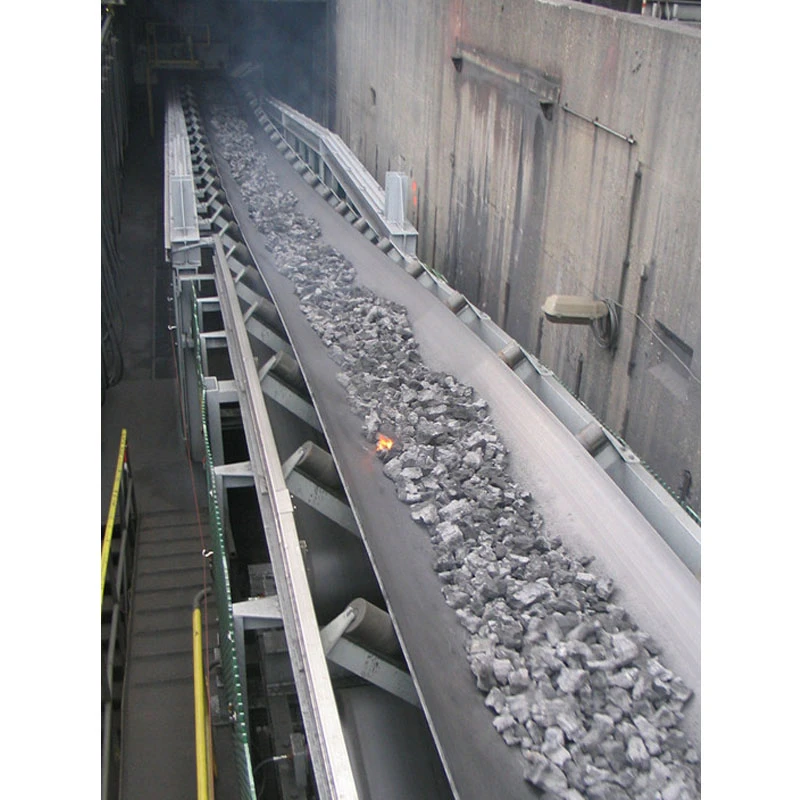
- Mining in Africa and Australia: Long-distance belts move ores efficiently, cutting energy consumption significantly.
- Logistics hubs in Europe and North America: Automated belts speed parcel sorting, improving delivery times.
- Disaster relief logistics in Asia: Temporary conveyor setups facilitate rapid unloading and distribution of supplies.
- Agricultural sectors in South America: Conveyor belts improve post-harvest processing and reduce food waste.
Take the case of a remote mining operation in Western Australia — the integration of specialized conveyor belts optimized their bulk transport, cutting downtime and increasing worker safety.
Why Conveyor Belt Production Matters Long-Term
Choosing the right belt system means tangible savings, less environmental damage, and safer working conditions. And beyond spreadsheets and engineering charts, it’s about trust — companies rely on these systems not just to move goods but to uphold safety and dignity for workers globally.
The Future: Innovation on the Horizon
Several exciting trends shape the conveyor belt production scene:
- Smart belts: Embedded sensors detect wear or overloads, enabling predictive maintenance.
- Green materials: Bio-based polymers and recycled rubbers reduce carbon footprints drastically.
- Automation integration: AI-powered conveyor management systems optimize speed and routing dynamically.
- Modular designs: Allow quicker setup and easier maintenance, especially in temporary or emergency contexts.
Challenges and Practical Solutions
No industry is without its hurdles. Conveyor belts face wear, costly downtime, and sometimes difficult installation environments. But the field responds:
- Material fatigue: Research in composite materials and flexible steel cords continually extends lifespan.
- Cost constraints: Modular, standardized designs bring economies of scale.
- Environmental issues: Manufacturers adopt sustainable production lines and recycle old belts to reduce waste.
FAQ: Frequently Asked Questions About Conveyor Belt Production
Q1: How long do industrial conveyor belts typically last?
A: Durability varies depending on materials and usage but high-quality belts often last between 5 to 10 years with proper maintenance, especially if reinforced with steel cords or advanced polymers.
Q2: Are eco-friendly conveyor belts as reliable as traditional ones?
A: Modern eco-friendly belts use bio-polymers and recycled rubber, offering comparable durability and safety. In fact, many meet international certifications like ISO 14001 on environmental management.
Q3: Can conveyor belts be customized for extreme environments?
A: Absolutely. Special coatings and reinforcement layers allow belts to withstand heat, chemicals, or cold, making them versatile for industries like mining, chemical plants, and cryogenics.
Q4: What industries benefit most from conveyor belt production advances?
A: Mining, manufacturing, logistics, agriculture, and disaster relief logistics all reap significant advantages. Each sector’s demands guide design adaptations and materials used.
Q5: How quickly can conveyor belts be delivered and installed?
A: Delivery usually ranges from 2 to 5 weeks depending on specifications and vendor. Installation time depends on system complexity but modular solutions speed this significantly.
Conclusion
In a world increasingly reliant on speed, stability, and sustainability, conveyor belt production stands as a vital enabler of progress. Whether moving minerals across continents or parcels across cities, these belts quietly power industries and humanitarian efforts alike.
To explore tailored conveyor belt solutions that elevate your operations, visit our website and discover how innovation meets reliability every step of the way.
In the end, believing in conveyor belt production isn’t just about machines — it’s about trusting connectivity itself.