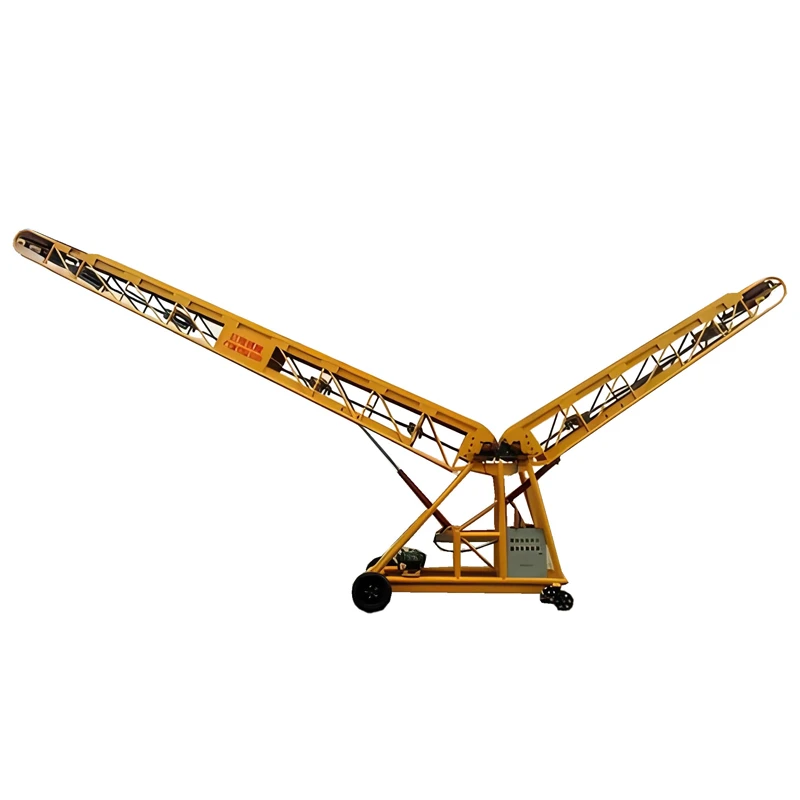
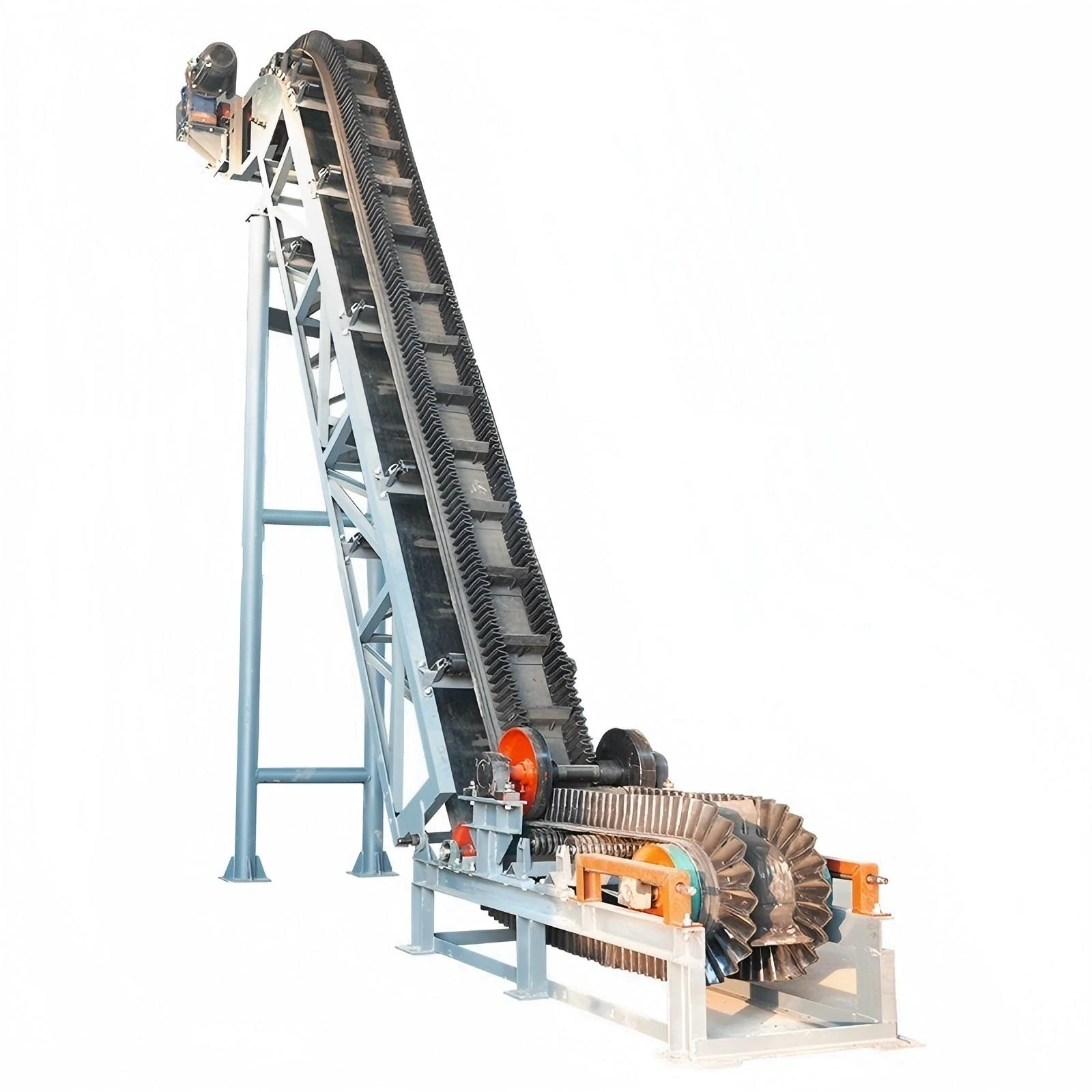
Case Conveyor: Durable Solutions for Efficient Material Handling
Having spent more than a decade working directly with industrial equipment, I can honestly say that case conveyors are the unsung heroes of modern warehouses and manufacturing floors. They might not have the flashiness of robotics or smart IoT systems, but in real terms, they keep everything moving—literally. Oddly enough, the more you rely on them, the more you appreciate their reliability and adaptability.
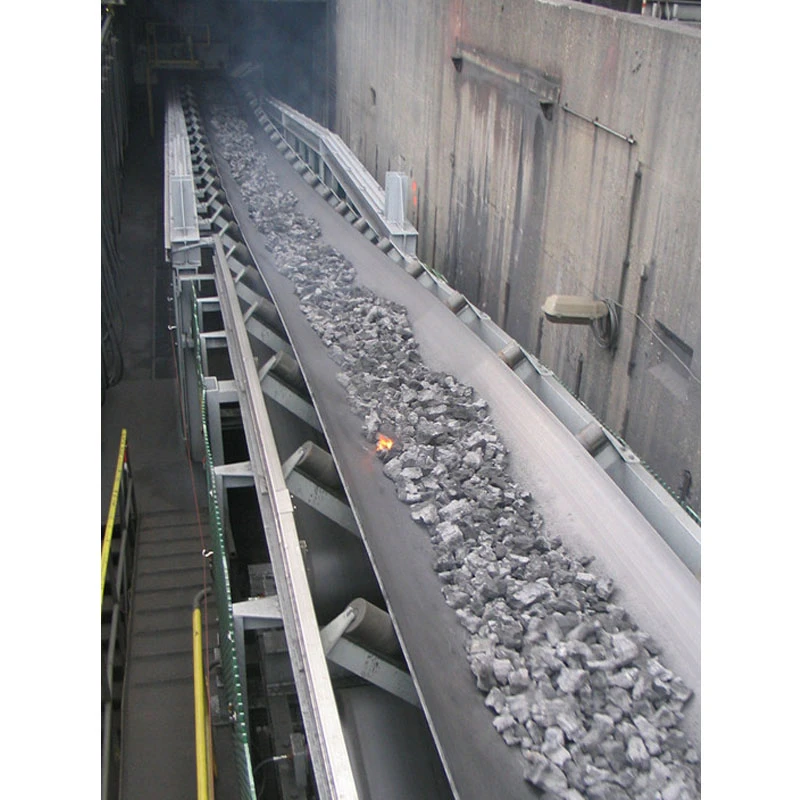
Case conveyors are designed primarily for transporting cartons, totes, or bins along a production line or sorting area. What strikes me about them is their straightforward yet customizable nature. From heavy-duty steel rollers to slick belt surfaces, these conveyors can be tailored depending on the kind of material handled or the speed requirements. Many engineers I’ve met always emphasize the importance of choosing the right conveyor type for the case size and weight to avoid jams and excessive wear.
Just last year, I visited a fulfillment center where they had upgraded their conveyor systems to reduce downtime. The team told me how switching to modular, easy-to-maintain case conveyors had not only boosted their throughput but also cut maintenance costs by almost 30%. It’s something you don’t always hear in the industrial sector—customers actually appreciating a conveyor’s design!
What Makes a Great Case Conveyor?
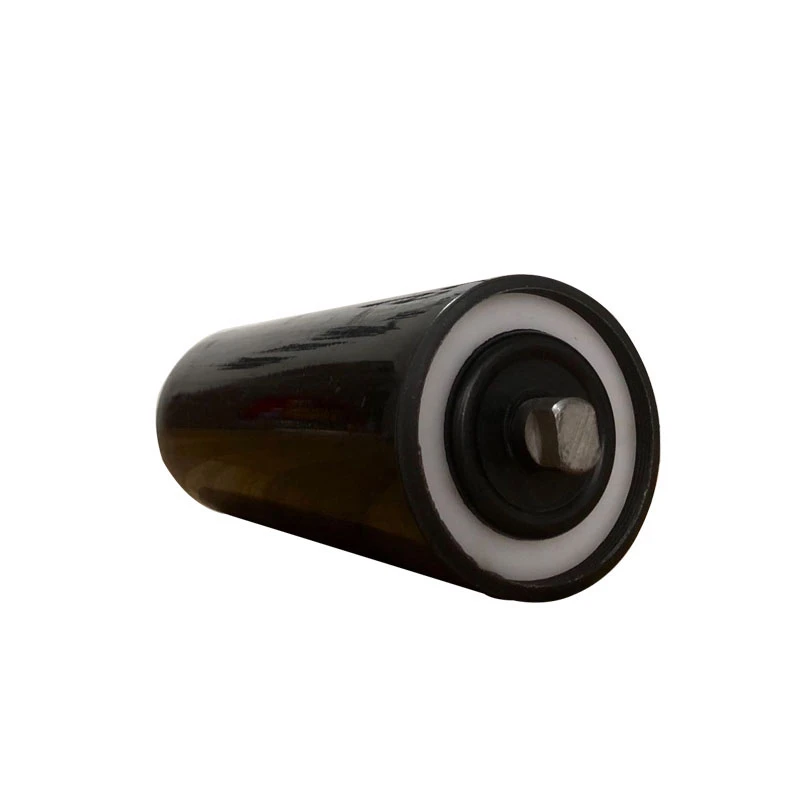
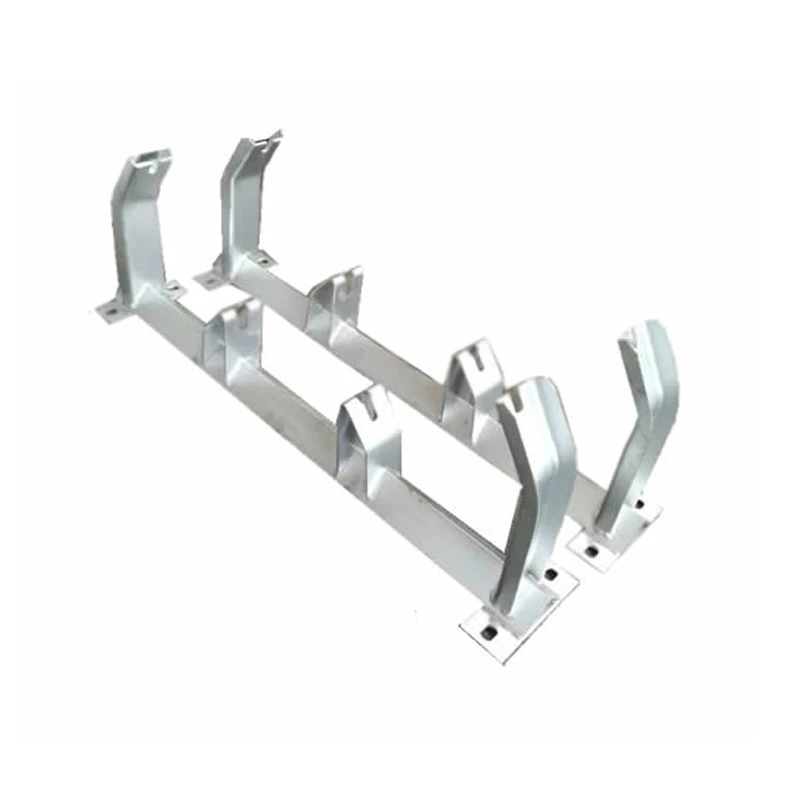
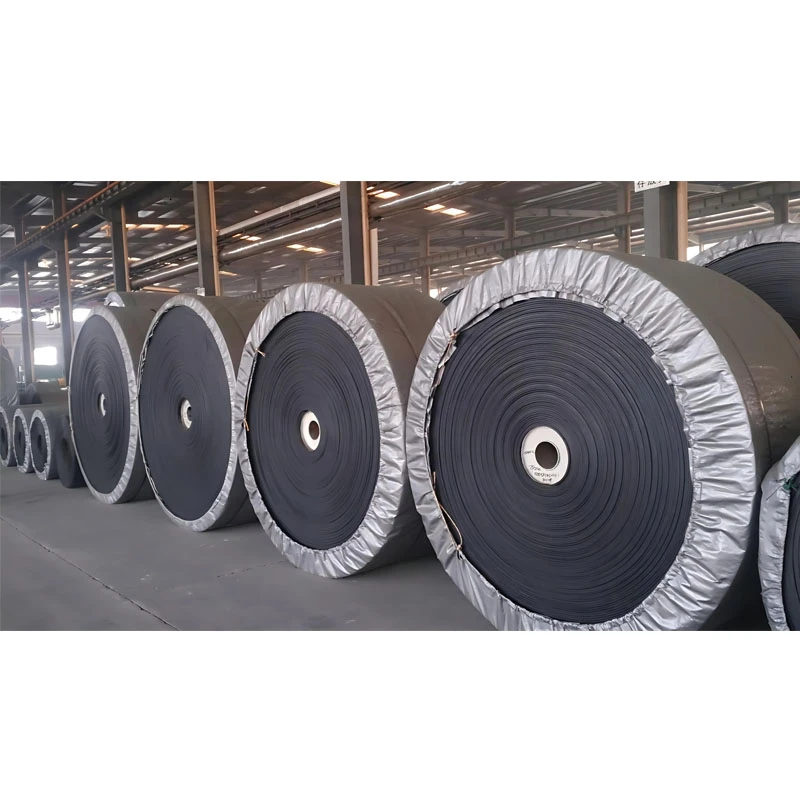
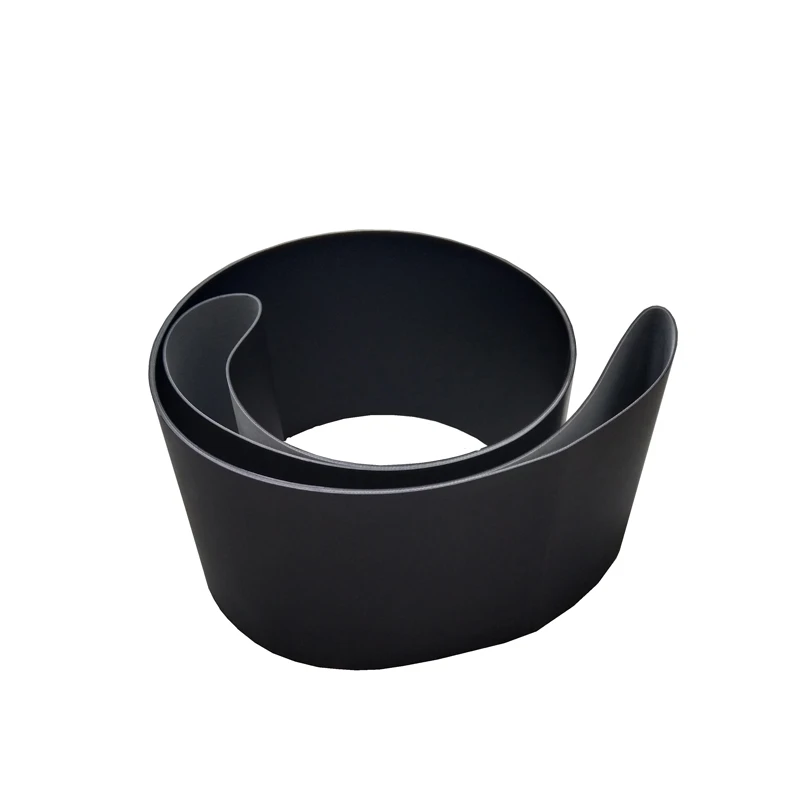
From my perspective, the best case conveyors balance ruggedness with flexibility. Materials like galvanized steel or powder-coated aluminum frames withstand corrosive or dusty environments effortlessly. The conveyor belts themselves often rely on PVC or rubber compounds—each offering different friction, grip, and wear resistance profiles.
Testing is crucial: in product development, conveyors undergo continuous load and endurance tests, sometimes running 24/7 to simulate actual operations. If you ever get a chance to peek behind the scenes, you’ll notice the precision engineering that ensures smooth transitions between conveyor segments and quiet operation, which is surprisingly valuable in busy warehouses.
| Specification | Details |
|---|---|
| Frame Material | Galvanized Steel or Aluminum |
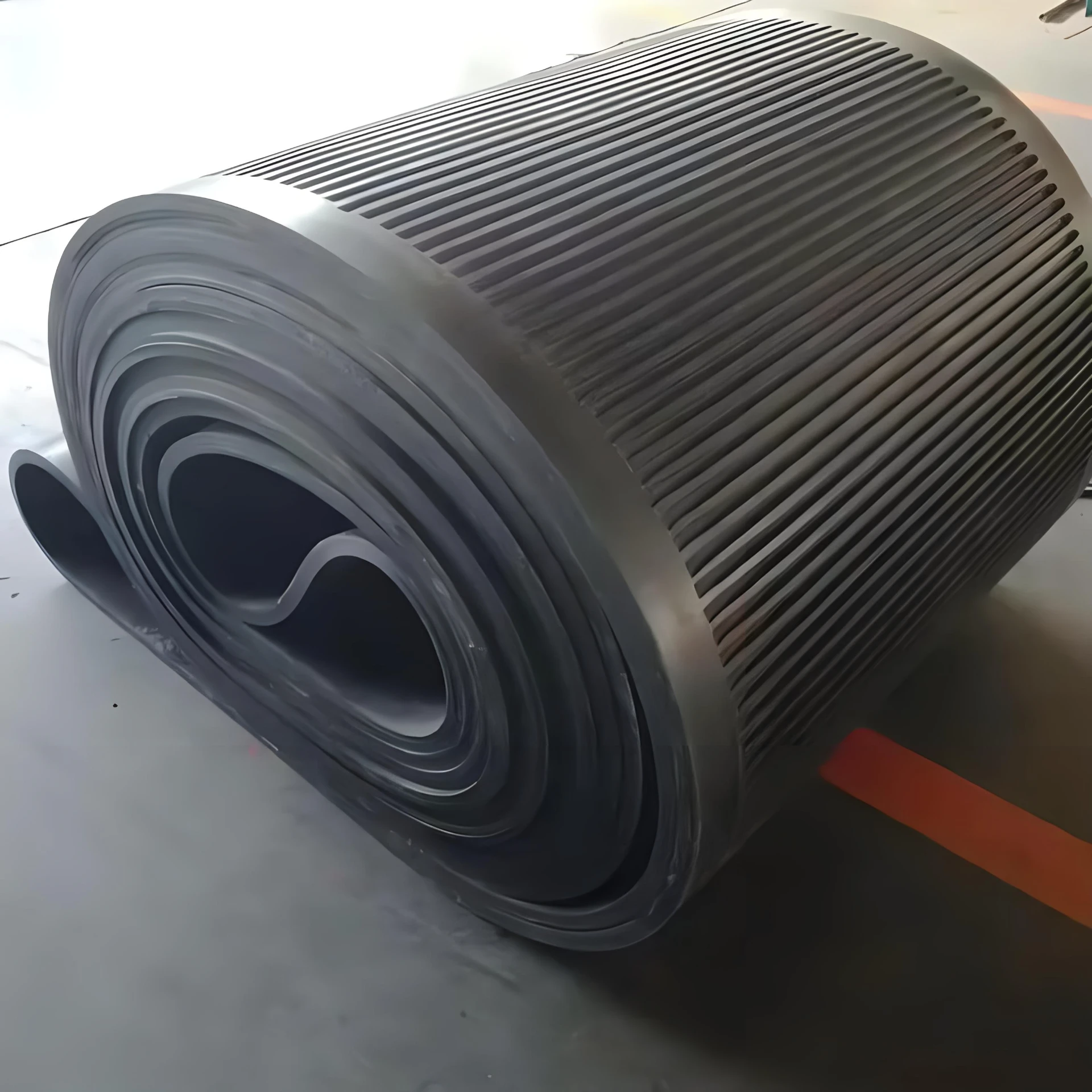
| Belt Type | PVC, Rubber, or Modular Plastic Belting |
| Load Capacity | Up to 150 kg per linear meter |
| Speed Range | 0.1 - 3.0 m/s (adjustable) |
| Drive Options | Central Motor, Inline Drives, or Variable Frequency Drives |
| Modularity | Standardized Modules for Easy Expansion & Maintenance |
But let’s be honest, specs only tell half the story. What really matters is how these systems perform over time in real, often demanding environments. And speaking of which, not all vendors are created equal when it comes to case conveyors. There’s a definite range in build quality, lead times, and after-sales support.
| Vendor | Build Quality | Customization | Lead Time | Support & Warranty |
|---|---|---|---|---|
| HG Conveyor Belt | Excellent (Galv. Steel frames, durable belts) | Highly Customizable | 4-6 weeks | Strong - 2-year warranty, onsite support |
| Vendor B | Good | Limited Options | 6-8 weeks | Standard - 1 year warranty |
| Vendor C | Fair | Basic | 8+ weeks | Minimal Support |
In my experience, companies like HG Conveyor Belt stand out mostly because they’re not just pushing products—they're engineers who get the nuances of conveyor dynamics. And that kind of expertise shows up in their designs, which tend to work consistently with less fuss.
Of course, there’s always room for innovation, especially as occupational safety and energy efficiency standards become stricter. Newer case conveyor models increasingly incorporate energy-saving motors, quieter rollers, and advanced sensors for monitoring load distribution. I suppose it’s a sign the marketplace is maturing and making conveyors smarter without losing their intrinsic simplicity.
Wrapping it up, if you’re looking into a case conveyor, remember that durability, maintainability, and speed flexibility should be top priorities. Don’t forget to consider who you’re buying from, too—good vendor support can turn a seasonal headache into a smooth operation year after year.
Final Thoughts
Case conveyors might seem humble, but their impact on industrial workflows is massive and, frankly, pretty fascinating once you dig into it. Trust me, getting the right equipment is one of those investments that pay off quietly but powerfully.
References:
1. Industrial Conveyor Systems Handbook, 2023 Edition
2. Field interviews with warehouse engineers, 2022
3. HG Conveyor Belt Technical Data Sheets and Customer Case Studies