Metering Conveyor: The Unsung Hero of Industrial Flow Control
Having spent a good chunk of my career in the industrial equipment sector, I’ve come to appreciate the subtle but crucial role of a metering conveyor. It’s one of those pieces that often flies under the radar but quietly ensures everything on the line flows smoothly. Frankly, it feels like the traffic cop of materials handling: regulating flow rates, managing product spacing, and preventing jams — all without the drama.
You might wonder, why not just use any conveyor? Well, in real terms, a metering conveyor brings precision to a process where timing and volume really matter. For example, in packaging plants or food processing, random product flow leads to errors or bottlenecks. Metering conveyors help maintain a consistent feed rate — kind of like the heartbeat of a production line.
What Makes Metering Conveyors Special?
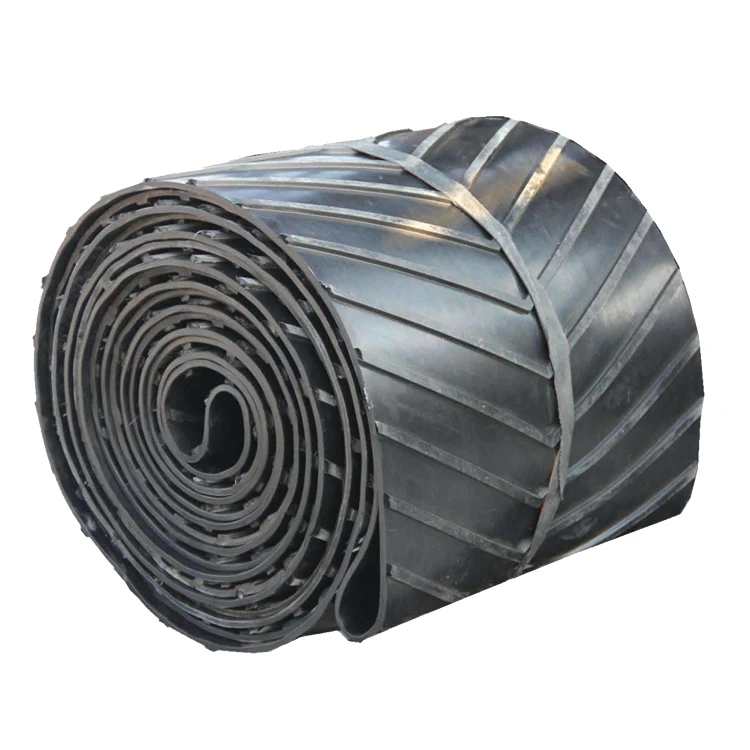
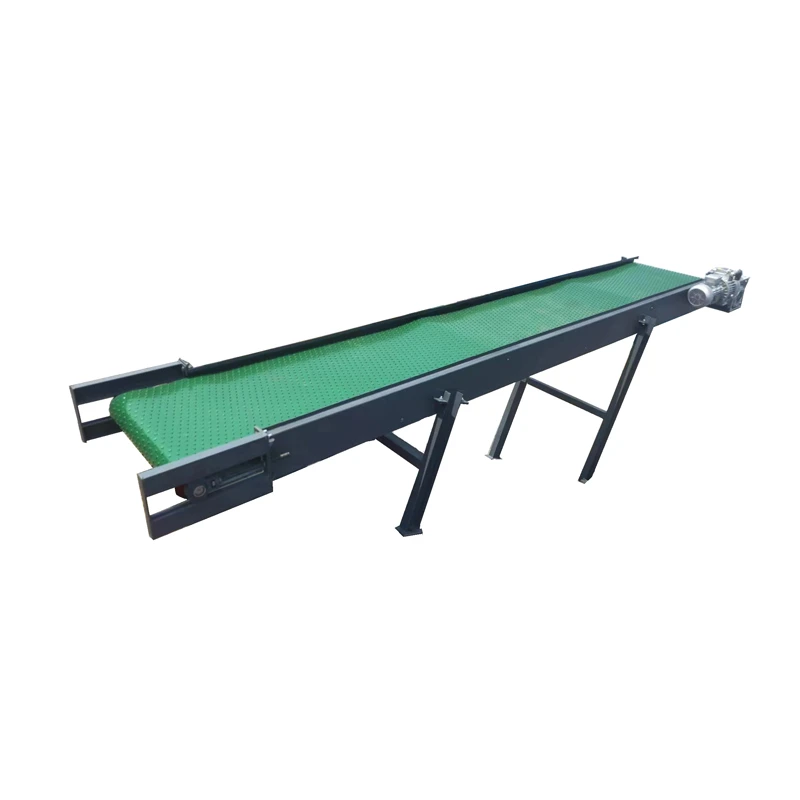
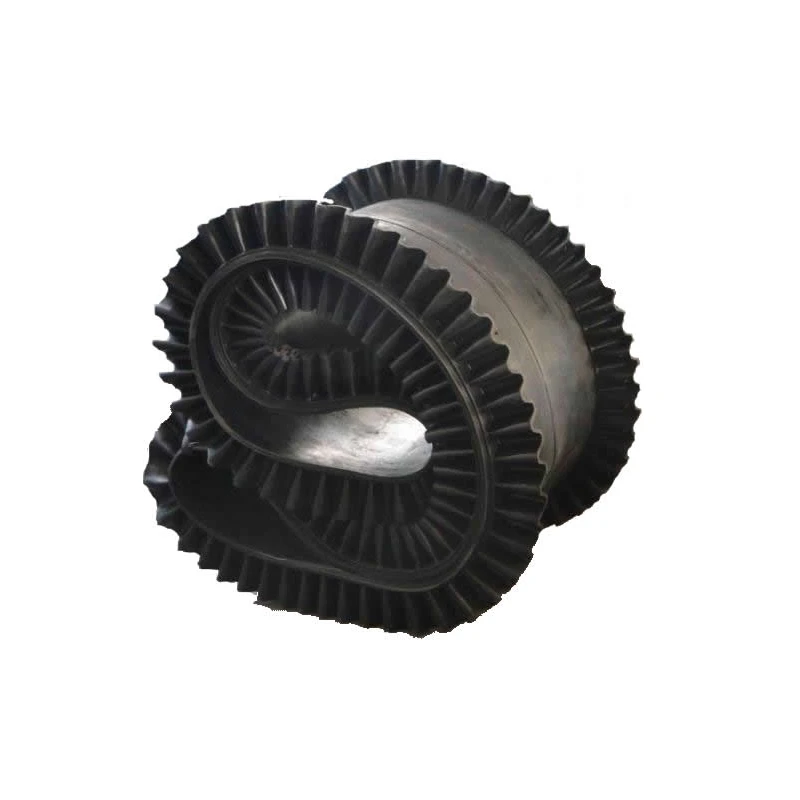
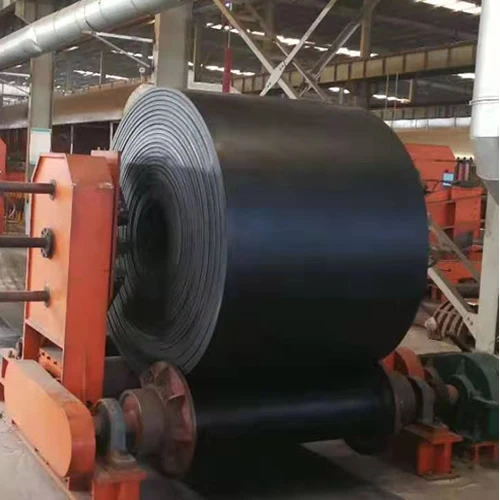
The design is straightforward yet clever. Most metering conveyors incorporate variable speed drives and specialized belts with enhanced grip or cleats to space out items effectively. Materials and build quality vary, but many use abrasion-resistant surfaces or FDA-approved fabrics when handling food or pharmaceuticals.
It’s not just about the physical belt either. Many engineers I’ve known swear by integration with sensors and PLC controls that adjust speed on the fly — depending on upstream or downstream conditions. This customization means a metering conveyor can adapt to fluctuating loads, which is vital in industries with variable batch sizes.
Product Specs: A Typical Metering Conveyor
| Specification | Details |
|---|---|
| Belt Width | 300 mm to 1200 mm (customizable) |
| Belt Material | PU, PVC, Food-grade TPU |
| Speed Range | 0.1 – 30 m/min (variable frequency drive) |
| Length | 2 m to 10 m standard; longer on request |
| Frame Material | Stainless steel or powder-coated steel |
| Typical Load Capacity | 50 kg/meter |
Just last year, I worked with a client who needed a metering conveyor for a snack food packaging line. They found that with the right belt surface and speed control, throughput improved by nearly 20% — no small feat in that picky industry. Oddly enough, what made the difference was not the biggest specs but the subtle grip of the belt on irregularly shaped items.
Comparing Top Metering Conveyor Vendors
| Vendor | Customization | Material Options | Price Range | Lead Time |
|---|---|---|---|---|
| HG Conveyor Belt | Highly customizable, integrated controls | PU, PVC, TPU, FDA-certified options | Mid-range | 4-6 weeks |
| ABC Industrial | Modular designs, limited custom drives | Mainly PVC and rubber | Budget-friendly | 3-5 weeks |
| Global Conveyors Co. | Custom engineering, includes software integration | Wide range incl. FDA, antistatic | Premium | 6-8 weeks |
In my experience, the choice often boils down to how much control and integration you want, along with budget constraints. For next-gen production lines, I’d recommend looking closely at vendors like HG Conveyor Belt who balance quality, customization, and price quite well.
To wrap it up, a metering conveyor isn’t just a conveyor — it’s a vital part of the production rhythm. When it’s humming along properly, the whole plant runs that much smoother. And honestly, even after years on the floor, I still find satisfaction in seeing how a slight tweak in speed or belt selection can erase headaches down the line.
Just a little nudge from the humble metering conveyor making a big difference — that’s industry magic for you.
References:
1. Industry Equipment Bulletin, 2023: "Metering Conveyors in Modern Manufacturing"
2. Material Handling Review, 2022: "Selecting the Right Conveyor Belt Materials"
3. User case study by HG Conveyor Belt, 2023.