Industry Trends and Market Dynamics
The global material handling industry is undergoing significant transformation, driven by automation, digitalization, and the increasing demand for high-efficiency logistics. Central to this evolution is the performance and reliability of conveyor systems, which largely depend on their foundational components, particularly the bearings. The selection of Ball Bearings For Conveyor Rollers is a critical decision influencing system uptime, energy consumption, and maintenance costs. Current trends emphasize bearings with enhanced sealing capabilities, extended service life, reduced friction, and superior corrosion resistance to meet the rigorous demands of diverse operating environments, from arid deserts to highly corrosive chemical plants.
Key drivers include the push for Industry 4.0 integration, demanding smart bearings capable of condition monitoring; stricter environmental regulations necessitating energy-efficient components; and the need for higher load capacities and speeds in increasingly automated warehouses and production lines. Manufacturers are responding with innovations in materials science, surface treatments, and lubrication technologies, moving towards maintenance-free or reduced-maintenance solutions that deliver lower total cost of ownership (TCO) for end-users across sectors like mining, petrochemicals, ports, and food processing.
Manufacturing Process Flow of Ball Bearings For Conveyor Rollers
The production of high-performance Ball Bearings For Conveyor Rollers involves a sophisticated, multi-stage manufacturing process designed to ensure precision, durability, and consistent quality. This process rigorously adheres to international standards such as ISO 9001 for quality management and ISO 281 for bearing dynamic load ratings, along with specific ANSI/ABMA standards for dimensional tolerances.
1. Material Selection and Preparation
- Raw Material: High-carbon chromium steel (e.g., AISI 52100 / 100Cr6) is the primary material for rings and balls, selected for its superior hardness, wear resistance, and fatigue strength. For enhanced corrosion resistance, stainless steels (e.g., AISI 440C or 316L for specialized applications) are utilized. Cages are typically stamped from steel or brass, or molded from polyamide for lighter, quieter operation. Seals are made from NBR, FKM, or PTFE for various environmental conditions.
- Incoming Inspection: Raw materials undergo stringent chemical composition analysis, hardness testing, and defect detection (e.g., ultrasonic inspection) to ensure compliance with specifications.
2. Ring Manufacturing (Forging & Machining)
- Forging/Hot Rolling: Steel bars are cut into slugs, heated, and forged or hot-rolled into rough ring shapes, imparting grain structure for improved strength.
- Annealing: The rings are annealed to relieve internal stresses and optimize machinability.
- Turning: CNC lathes precisely machine the inner and outer ring contours, including raceway profiles, bore, and outside diameter (OD).
3. Ball Manufacturing
- Heading: Wire stock is cut and cold-formed into rough ball blanks using heading machines.
- Flashing: Excess material (flash) is removed.
- Grinding: Balls are ground between rotating abrasive wheels to achieve approximate spherical shape and size.
- Lapping/Polishing: Precision lapping refines the surface finish and achieves the exact spherical geometry and tight diameter tolerances required for smooth operation.
4. Heat Treatment
- Hardening: Rings and balls are heated to austenitizing temperature and then rapidly quenched (typically in oil) to achieve high hardness.
- Tempering: A subsequent tempering process reduces brittleness and establishes the final desired hardness and toughness for optimal service life.
5. Grinding and Superfinishing
- Hard Grinding: After heat treatment, the inner and outer ring raceways and diameters are precision ground to achieve exacting dimensional tolerances and geometric accuracy.
- Honing/Superfinishing: The raceways undergo a final superfinishing process to achieve mirror-like surface finishes, critical for minimizing friction, noise, and extending fatigue life.
6. Assembly and Sealing
- Components Cleaning: All components are thoroughly cleaned to remove contaminants.
- Assembly: Balls, cage, inner ring, and outer ring are assembled. Lubricant (grease or oil) is precisely applied.
- Sealing: Shields or contact seals are pressed into place to protect the bearing from contamination and retain lubricant.
7. Final Inspection and Testing
- Dimensional Accuracy: Comprehensive checks of all critical dimensions (bore, OD, width, runout).
- Noise & Vibration Testing: Bearings are tested for noise levels and vibration characteristics (e.g., using BVT analysis) to ensure smooth operation.
- Torque Testing: Measurement of starting and running torque.
- Visual Inspection: Surface finish, presence of defects.
This meticulous process ensures that each Ball Bearings For Conveyor Rollers meets stringent quality and performance criteria, providing an optimal service life typically exceeding 20,000 operational hours under rated conditions. These bearings offer significant advantages such as energy saving through reduced friction, and enhanced corrosion resistance especially with specialized coatings or stainless steel variants, making them ideal for target industries like petrochemicals, metallurgy, mining, water supply & drainage, agriculture, and general material handling.
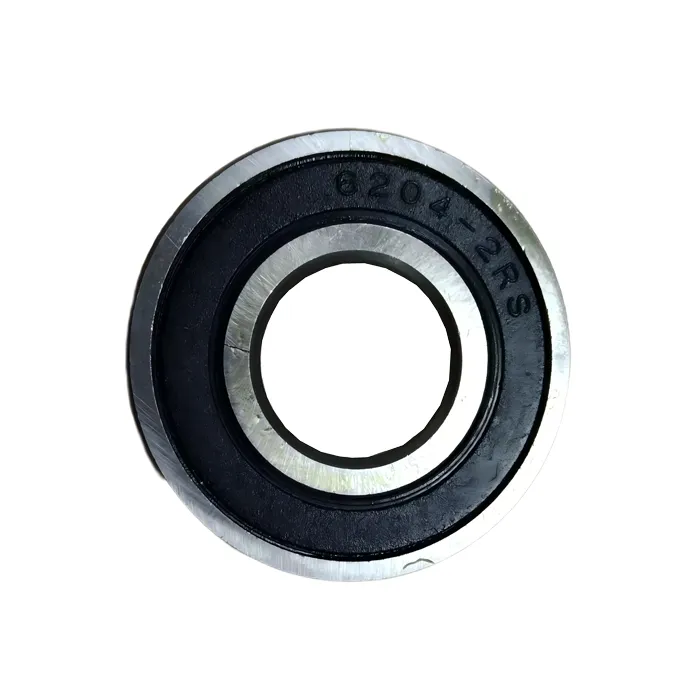
Technical Specifications and Parameters
Understanding the precise technical specifications of Ball Bearings For Conveyor Rollers is paramount for optimal system design and operational efficiency. These parameters dictate the bearing's suitability for specific load, speed, and environmental conditions. Our bearings adhere to ISO dimensional and tolerance standards, ensuring interchangeability and reliable performance.
Key Technical Parameters
| Parameter | Description | Typical Range/Value |
|---|---|---|
| Material (Rings & Balls) | High-carbon chromium steel (GCr15/AISI 52100), Stainless Steel (AISI 440C/316L) | Standard: GCr15; Corrosion-resistant: 440C |
| Hardness (Rings & Balls) | Rockwell C scale | 60-64 HRC |
| Dynamic Load Rating (Cr) | Ability to withstand dynamic radial load over a specified service life (ISO 281) | 2.5 kN - 25 kN (depending on size) |
| Static Load Rating (Cor) | Ability to withstand static radial load without permanent deformation (ISO 281) | 1.2 kN - 15 kN (depending on size) |
| Limiting Speed | Maximum permissible operating speed (RPM) | 2,000 - 6,000 RPM |
| Operating Temperature Range | Recommended ambient temperature for optimal performance | -20°C to +120°C (Standard Grease) |
| Sealing Type | Non-contact shields (ZZ) or contact seals (2RS, 2RZ) | ZZ (Dust), 2RS (Dust & Moisture) |
| Radial Internal Clearance | Measure of internal play (ISO 5753) | C3 (Standard for conveyor rollers), C4 for high temperatures |
| Noise and Vibration | Measured in dB (A) and mm/s RMS (BVT-1 standard) | V1/Z1 to V3/Z3 (low to ultra-low) |
These specifications are crucial for engineers designing or maintaining conveyor systems. For example, a high dynamic load rating ensures a longer lifespan under continuous operation, while appropriate sealing types are essential for preventing contamination in harsh environments, directly impacting the operational efficiency and longevity of Ball Bearings For Conveyor Rollers.
Application Scenarios and Target Industries
Ball Bearings For Conveyor Rollers are indispensable components across a broad spectrum of industries where bulk material handling and continuous processing are critical. Their robust design and precise manufacturing allow them to perform reliably in challenging conditions, ensuring the smooth and efficient operation of conveyor systems.
Target Industries:
- Mining and Quarrying: Handling abrasive materials like coal, ore, sand, and gravel. Bearings require high load capacity and robust sealing against dust and moisture.
- Cement and Aggregate: Transporting heavy, dusty, and often hot materials. Emphasizes durability and resistance to particulate contamination.
- Steel and Metallurgy: Conveying hot metal, slag, and raw materials in high-temperature environments. Requires bearings with excellent heat resistance and robust construction.
- Power Generation (Coal-fired, Biomass): Moving fuel, ash, and other bulk materials. Often involves continuous operation and significant material volumes.
- Ports and Terminals: Loading and unloading bulk cargo such as grains, minerals, and fertilizers. Bearings must withstand heavy loads, saltwater corrosion (for coastal installations), and intermittent operation.
- Chemical and Petrochemical: Transporting various raw and finished products, often in corrosive or explosive atmospheres. Stainless steel or coated bearings are critical here.
- Water Supply & Drainage / Wastewater Treatment: Moving sludge and processing chemicals. Requires excellent corrosion resistance and reliable sealing.
- Agriculture and Food Processing: Handling crops, grains, and food products. Food-grade lubricants and stainless steel bearings are often required, meeting FDA standards.
- Warehousing and Logistics: High-speed sorting and transport systems. Demands smooth, quiet operation and long service life with minimal maintenance.
Typical Application Scenarios:
- Bulk Material Handling Conveyors: Long-distance belt conveyors, stackers, reclaimers, and feeders. Bearings ensure rollers rotate freely, minimizing belt wear and energy consumption.
- Unit Load Conveyors: Pallet conveyors, carton conveyors, and baggage handling systems. Smooth operation is crucial for product integrity and system throughput.
- Gravity and Powered Roller Conveyors: In warehouses and distribution centers, facilitating the movement of goods. Low friction bearings contribute to energy saving in powered systems and smooth flow in gravity systems.
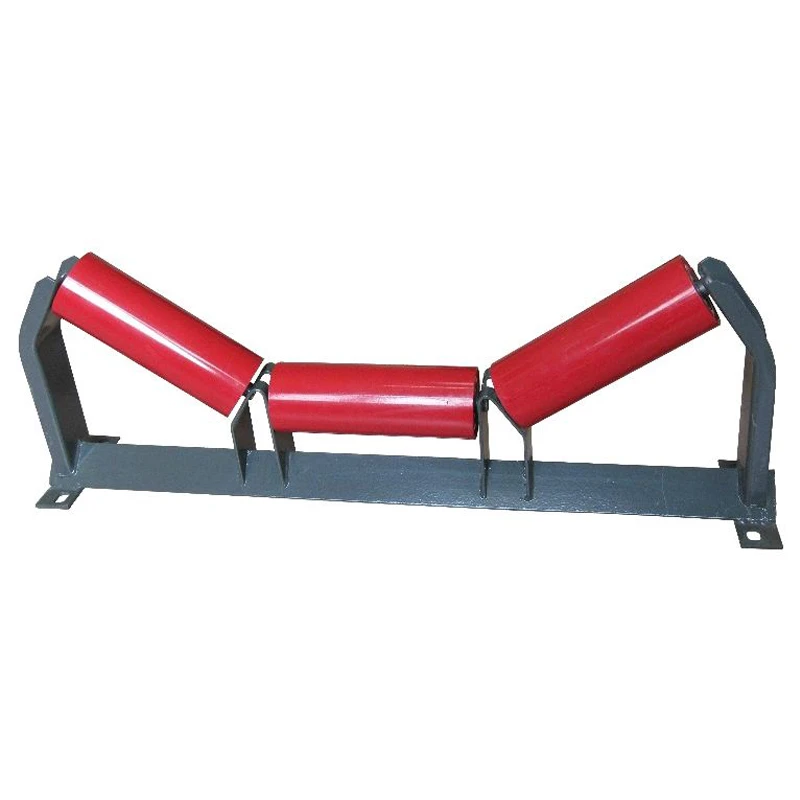
- Troughed Idlers: Supporting the belt in trough shapes to handle bulk materials. Critical for belt alignment and load distribution.
- Impact Idlers: Positioned at loading points to absorb impact from falling material. Bearings here require exceptional shock resistance.
- Return Idlers: Supporting the empty return run of the conveyor belt. Even here, robust bearings prevent premature wear and system downtime.
In these scenarios, the advantages of high-quality Ball Bearings For Conveyor Rollers, such as significant energy saving due to optimized friction coefficients and superior corrosion resistance provided by advanced sealing and material treatments, become evident. These benefits directly translate into reduced operational costs, extended equipment lifespan, and enhanced system reliability for our clients.
Technical Advantages and Performance Metrics
Our Ball Bearings For Conveyor Rollers are engineered to deliver superior technical advantages that directly impact operational efficiency, longevity, and total cost of ownership (TCO) for industrial applications. These advantages stem from precision manufacturing, advanced material science, and rigorous quality control, distinguishing our products in a competitive market.
1. Extended Service Life (L10 Life)
- Optimized Geometry: Precision-machined raceway profiles and ball roundness minimize stress concentrations and ensure uniform load distribution, resulting in an L10 fatigue life typically exceeding 70,000 hours under rated load, significantly outperforming standard industrial bearings.
- Enhanced Material Purity: Utilisation of vacuum-degassed, inclusion-controlled steel for rings and balls reduces microscopic defects, which are common initiation points for fatigue spalling.
2. Superior Contamination Protection and Sealing
- Multi-Lip Contact Seals (2RS/2RZ): Designed with multiple sealing lips for effective exclusion of fine dust, moisture, and abrasive particles, while retaining internal grease. This is critical in dusty mining or wet processing environments.
- Non-Contact Labyrinth Seals: For very high-speed applications or where extremely low friction is paramount, labyrinth seals offer excellent dust protection without rubbing contact, further reducing friction and heat generation.
- Corrosion Resistance: Options include stainless steel components (AISI 440C or 316L) or specialized coatings (e.g., black oxide, zinc-nickel plating) for demanding environments like chemical plants, wastewater treatment, and marine applications. This extends bearing life in corrosive conditions by up to 5 times compared to standard steel.
3. Reduced Friction and Energy Efficiency
- Low-Torque Grease: Selection of high-performance, low-viscosity greases optimized for conveyor applications minimizes internal friction, leading to a measurable reduction in the power required to drive the conveyor system. This translates to energy saving of up to 5-10% in large-scale installations.
- Precision Manufacturing: Tighter dimensional tolerances (e.g., ABEC-3 or higher) and superior surface finishes on raceways reduce running torque and heat generation, contributing to cooler operation and prolonged lubricant life.
4. High Load Capacity and Shock Resistance
- Robust Inner Construction: Features like hardened raceways and optimized internal clearances (C3 or C4) allow our bearings to handle substantial radial and axial loads typical of heavy-duty conveyor applications.
- Impact Resistance: Specifically designed for impact idlers in loading zones, offering enhanced resistance to shock loads without brinelling or premature failure, ensuring continuous material flow.
These technical advantages ensure that our Ball Bearings For Conveyor Rollers not only meet but exceed the demanding requirements of modern industrial conveyor systems, providing unparalleled reliability and value over their operational lifespan. Our commitment to innovation and quality has resulted in products that demonstrably reduce downtime and maintenance expenditures for our clients globally.
Vendor Comparison: Key Differentiators
Choosing the right supplier for Ball Bearings For Conveyor Rollers involves evaluating not just product specifications but also manufacturing consistency, customization capabilities, and after-sales support. Below is a comparative analysis highlighting how our offerings stand apart from typical market alternatives.
| Feature/Criterion | Our Company Offering | Typical Competitor Offering |
|---|---|---|
| Bearing Material Quality | High-purity, vacuum-degassed GCr15 or AISI 440C/316L Stainless Steel. Certificates provided. | Standard GCr15; limited stainless options, often lower purity. |
| Sealing Technology | Proprietary multi-lip contact seals (e.g., 2RZ with reinforced metal inserts) or advanced labyrinth seals. High ingress protection (IP66). | Basic 2RS rubber seals, less effective against fine particulates or prolonged moisture. |
| Lubrication | High-performance, low-friction, wide-temperature range lithium complex or polyurea greases. Optimized fill quantity. | Standard industrial grease, may not be suitable for extreme temperatures or loads. |
| Manufacturing Precision | ISO P6 (ABEC-3) or P5 (ABEC-5) tolerances for inner/outer diameters and runout. Superior surface finishes. | ISO P0 (ABEC-1) or P6, with less consistent surface finish. |
| Corrosion Protection | Available with specialized coatings (e.g., black oxide, galvanized) or full stainless steel construction for highly corrosive environments. | Limited or no specific corrosion protection beyond standard steel. |
| Customization Options | Extensive customization for dimensions, materials, seals, lubricants, and special features. Dedicated engineering support. | Primarily off-the-shelf standard sizes and limited modifications. |
| Certifications & Standards | ISO 9001, ISO 14001, CE, RoHS. Products conform to ISO, ABMA, and DIN standards. | May only meet basic ISO 9001, less adherence to specific product performance standards. |
| Warranty & Support | Comprehensive warranty, dedicated technical support, and post-sales service. | Standard limited warranty, less accessible or specialized support. |
Our focus on engineered solutions, stringent quality control, and robust material selection directly translates into superior performance and a lower total cost of ownership for our customers. This comprehensive approach ensures that our Ball Bearings For Conveyor Rollers are not just components but strategic assets for your operations.
Customized Solutions for Unique Demands
Recognizing that standard off-the-shelf solutions may not always suffice for highly specialized or extreme industrial applications, we offer extensive customization services for Ball Bearings For Conveyor Rollers. Our engineering team collaborates closely with clients to develop bespoke bearing solutions tailored to precise operational parameters and environmental challenges.
Customization Capabilities Include:
- Material Modifications:
- Specialized stainless steels (e.g., Duplex stainless for extreme corrosive/abrasive mixtures).
- Ceramic balls (e.g., Si3N4) for higher speeds, lighter weight, and electrical insulation.
- High-temperature alloys for continuous operation above 200°C.
- Advanced Sealing Configurations:
- Multi-barrier seals integrating contact, non-contact, and labyrinth elements for multi-threat environments (dust, moisture, chemicals).
- Viton (FKM) or PTFE seals for aggressive chemical resistance and wider temperature ranges.
- Application-Specific Lubrication:
- Food-grade (NSF H1 certified) greases for food and pharmaceutical industries.
- High-temperature greases (e.g., perfluoropolyether, PFPE) for oven conveyors or hot material handling.
- Low-temperature greases for arctic conditions.
- Solid lubricants (e.g., molybdenum disulfide) for extreme load, slow speed, or vacuum applications.
- Dimensional and Tolerance Adjustments:
- Non-standard bore and outer diameters to fit unique roller designs.
- Customized internal clearances (C1 to C5) for specific load and temperature requirements, minimizing noise and vibration.
- Specialized Coatings and Surface Treatments:
- Thin dense chrome (TDC) plating for enhanced wear and corrosion resistance.
- Phosphate coatings for improved rust prevention and adhesion of lubricants.
Our comprehensive engineering capabilities, backed by years of experience and state-of-the-art manufacturing, enable us to deliver precisely engineered Ball Bearings For Conveyor Rollers that integrate seamlessly into your systems, enhancing performance and reliability. We ensure that every customized solution undergoes rigorous testing and validation to meet or exceed industry standards and your specific operational goals.
Application Case Studies
Our high-performance Ball Bearings For Conveyor Rollers have consistently delivered measurable improvements in efficiency, durability, and cost-effectiveness across various challenging industrial applications. These real-world examples demonstrate the tangible benefits of partnering with us.
Case Study 1: Heavy-Duty Mining Operation
Client: A major iron ore mining company in Western Australia.
Challenge: The client faced frequent bearing failures on their primary overland conveyor system, transporting millions of tons of abrasive iron ore annually. Standard bearings succumbed to dust ingress, high impact loads, and extreme ambient temperatures (up to 45°C), leading to unscheduled downtime and significant maintenance costs, averaging a replacement every 6-8 months.
Solution: We provided custom-engineered Ball Bearings For Conveyor Rollers featuring robust AISI 52100 steel, specifically designed with an advanced labyrinth sealing system (IP66 rated) combined with a high-viscosity, wide-temperature range lithium complex grease. The bearings also incorporated C4 internal clearance to compensate for thermal expansion in the hot environment and enhanced outer ring material for superior impact resistance.
Results: After installation, the average operational lifespan of the bearings increased to over 2.5 years, a >300% improvement. This reduced maintenance interventions by 75%, decreased spare parts inventory, and most importantly, significantly minimized costly conveyor downtime, leading to an estimated annual saving of $1.2 million for the client.
Case Study 2: Coastal Port Material Handling
Client: A leading grain export terminal located in a humid, saltwater-prone coastal region.
Challenge: Conveyor systems handling bulk grain suffered from severe corrosion and premature bearing failure due to high humidity, sea spray, and the corrosive nature of some grain dusts. Standard bearings rusted quickly, leading to increased friction, power consumption, and frequent seize-ups, particularly on outdoor conveyors. Bearing life was often less than 1 year.
Solution: We supplied Ball Bearings For Conveyor Rollers constructed with 440C stainless steel for all critical components (rings, balls) and fitted with dual-lip FKM (Viton) contact seals for superior chemical and moisture resistance. A specialized corrosion-inhibiting, food-grade grease was also pre-filled to meet potential contamination concerns for agricultural products.
Results: The stainless steel bearings showed exceptional resistance to the harsh coastal environment. The average bearing lifespan extended to 3+ years, quadrupling previous performance. The client reported a noticeable reduction in energy consumption due to lower rolling friction from the improved bearings and a drastic decrease in emergency repairs, enhancing overall operational reliability during peak harvest seasons.
Frequently Asked Questions (FAQ)
Q: What is the typical lead time for an order of Ball Bearings For Conveyor Rollers?
A: For standard configurations and common sizes, our lead time typically ranges from 2-4 weeks. For custom solutions or large bulk orders, lead times may extend to 6-8 weeks, depending on material availability and production complexity. We maintain a strategic inventory for critical high-demand items to facilitate quicker turnaround times for urgent requirements.
Q: What warranty do you offer on your conveyor roller bearings?
A: We provide a comprehensive 12-month warranty from the date of shipment against manufacturing defects and material failures under normal operating conditions. Our commitment extends to providing replacement products or credit for any non-conforming items, ensuring peace of mind for our customers. Specific terms and conditions apply and are available upon request.
Q: How do your bearings contribute to energy saving in conveyor systems?
A: Our Ball Bearings For Conveyor Rollers are designed with precision internal geometry, ultra-smooth raceway finishes, and optimized low-friction greases. This reduces the rolling resistance and operating torque significantly compared to conventional bearings. This minimized friction directly translates into lower power consumption by the conveyor drive system, leading to measurable energy savings, especially in extensive and continuously operating installations.
Q: What kind of customer support and after-sales service can I expect?
A: We offer dedicated technical support from experienced bearing engineers, available for consultation on selection, installation, and troubleshooting. Our after-sales service includes root cause analysis for any reported issues, on-site technical assistance if required, and a responsive customer service team to handle all inquiries promptly. We aim for long-term partnerships built on trust and reliable support.
Q: Are your products certified to international quality standards?
A: Yes, our manufacturing facilities are ISO 9001 certified, ensuring consistent quality management. Our Ball Bearings For Conveyor Rollers conform to relevant international standards, including ISO 281 for dynamic load ratings, ISO 5753 for internal clearances, and ABMA standards for dimensional tolerances. We also adhere to environmental standards like ISO 14001 and product safety directives like RoHS where applicable.
Authoritative References
- International Organization for Standardization (ISO). ISO 281:2007. Rolling bearings – Dynamic load ratings and rating life.
- American Bearing Manufacturers Association (ABMA). ANSI/ABMA Std 7-1995: Radial Ball Bearings Tolerance Definitions and Methods of Measurement.
- SKF. Bearings and units for conveyor rollers. Technical Handbook.
- NTN Corporation. Bearing Technology Guide.
- Timken Company. Bearing Handbook.