The Crucial Role of Advanced Conveyor Rollers in Industrial Efficiency
In the dynamic landscape of modern material handling, the efficiency and reliability of conveyor systems are paramount. At the core of these systems, the rollers play a critical role in optimizing operational flow, reducing downtime, and ensuring the integrity of transported materials. Among the various types available, rubber coated conveyor rollers stand out for their enhanced grip, superior material protection, and extended service life. These specialized rollers are engineered to address the demanding challenges across a multitude of industries, providing solutions that prioritize both performance and cost-effectiveness. This detailed exploration delves into their technical specifications, manufacturing intricacies, diverse applications, and tangible advantages, positioning them as an indispensable component in high-performance industrial conveyor systems.
Industry Trends and Innovations in Conveyor Roller Technology
The material handling sector is experiencing significant evolution, driven by demands for greater automation, energy efficiency, and sustainability. Current industry trends highlight a shift towards more durable, low-maintenance, and intelligently designed conveyor components. This includes advancements in material science for coatings, bearing technology, and modular designs that facilitate easier installation and replacement.
- Enhanced Material Durability: There's a growing preference for rollers with coatings that offer superior abrasion resistance, chemical inertness, and impact absorption, extending operational lifespans even in harsh environments. This is particularly relevant for rubber coated conveyor rollers, where specialized rubber compounds are continually being developed.
- Energy Efficiency: Innovations in bearing design and roller concentricity are leading to reduced friction and lower power consumption, aligning with global energy conservation initiatives.
- Smart Conveyor Systems: Integration of sensors for condition monitoring, predictive maintenance, and operational optimization is becoming standard, ensuring maximum uptime and preventing costly breakdowns.
- Specialized Roller Applications: While standard rollers remain prevalent, the market is seeing increased demand for specialized solutions like PVC conveyor rollers for lightweight, food-grade applications, and magnetic conveyor rollers for handling ferrous materials or for sorting applications, showcasing the diversity required in modern industrial settings.
- Customization and Modularity: The ability to tailor roller specifications, including diameter, length, shaft configuration, and coating material, is critical for meeting unique operational requirements across diverse industries.
Technical Specifications and Performance Parameters
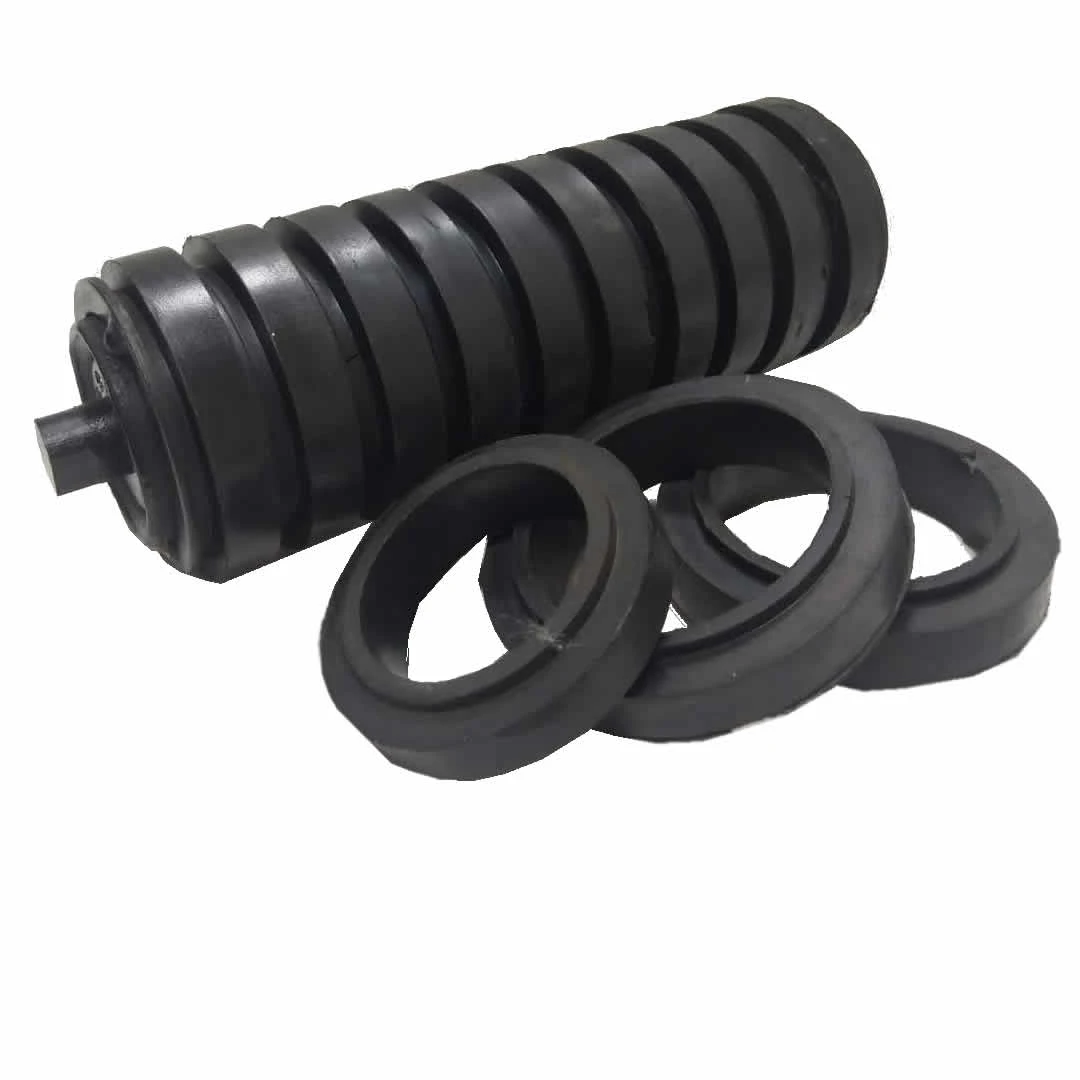
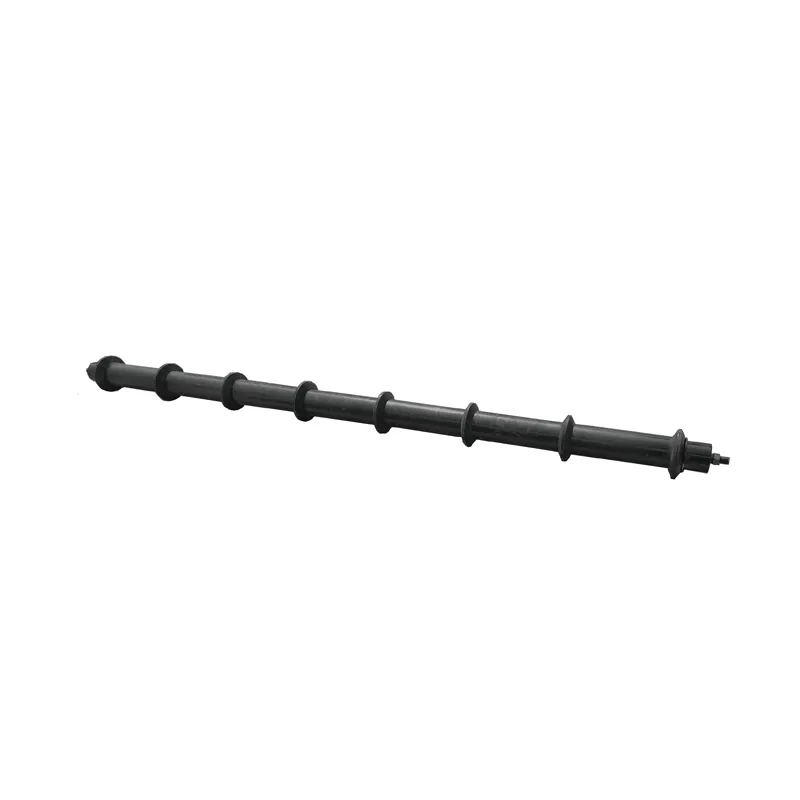
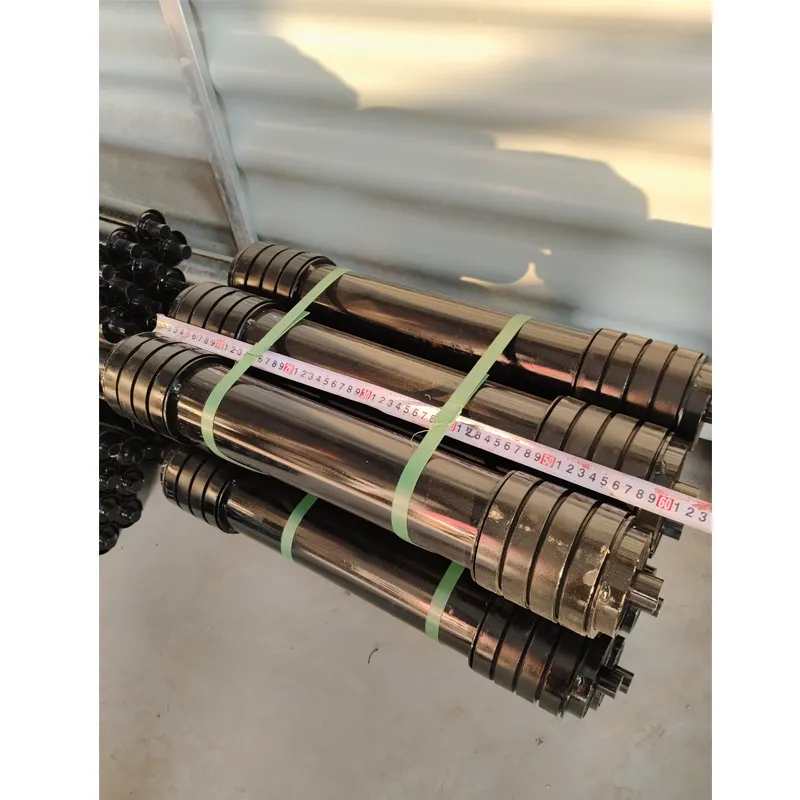
Understanding the technical specifications of rubber coated conveyor rollers is essential for proper system design and performance optimization. These parameters dictate the roller's suitability for specific loads, speeds, and environmental conditions. Our Return Comb Shaped Rollers, for example, are meticulously engineered to provide exceptional performance and longevity.
Key Structural Components:
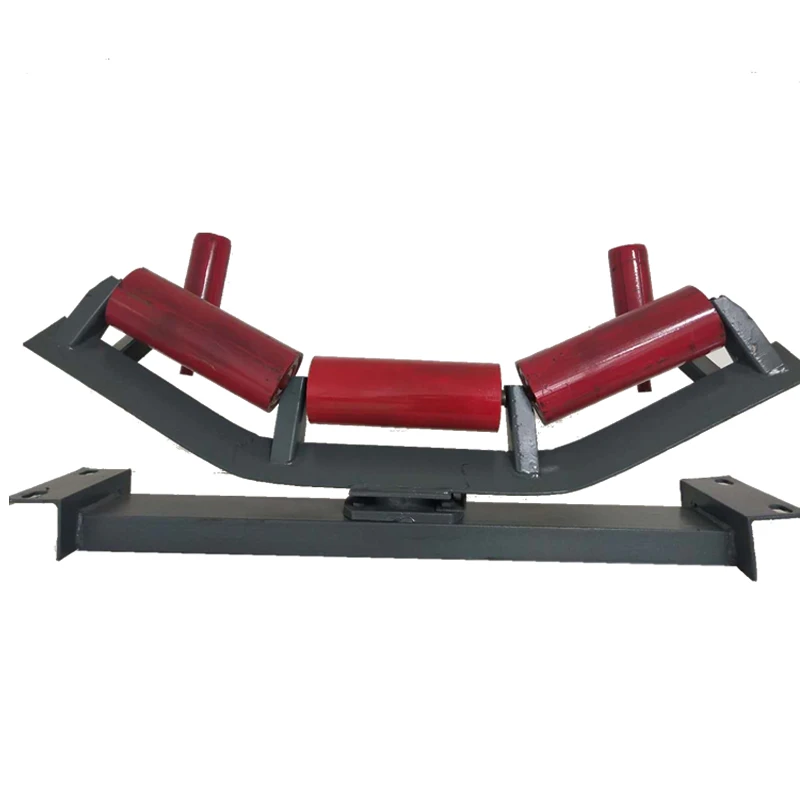
- Roller Shell: Typically constructed from high-quality carbon steel (e.g., S355JR, AISI 1020) or stainless steel (e.g., AISI 304/316) for corrosion resistance. The shell's thickness is critical for load bearing.
- Rubber Coating: Applied via hot vulcanization, the rubber coating can vary in hardness (e.g., Shore A 60-90), thickness, and material composition (natural rubber, SBR, NBR, EPDM) depending on application requirements (abrasion, oil, heat, or chemical resistance).
- Shaft: Machined from high-strength steel (e.g., C45, 42CrMo) to withstand bending and shear stresses. Precision machining ensures concentricity and dynamic balance.
- Bearings: High-quality deep groove ball bearings (e.g., 2RS sealed type) with appropriate C-class clearances to ensure smooth rotation and extended life under various load conditions. Bearing selection is crucial for minimizing friction and power consumption.
- Bearing Housing and Seals: Robust cast iron or pressed steel housings protect bearings from dust and moisture, often incorporating labyrinth or triple-lip seals for enhanced protection in harsh industrial environments.
Product Specification Table: Return Comb Shaped Rollers (Typical)
| Parameter | Specification | Standard |
|---|---|---|
| Roller Diameter (D) | Ø89mm - Ø219mm | ISO 1537, CEMA, DIN |
| Roller Length (L) | 250mm - 2500mm (customizable) | Manufacturer Specific |
| Shaft Diameter | Ø20mm - Ø50mm | ISO, DIN |
| Rubber Hardness | Shore A 65 ± 5 (Natural Rubber) | ASTM D2240 |
| Rubber Thickness | 8mm - 20mm (depending on application) | Manufacturer Specific |
| Bearing Type | 6204-2RS to 6310-2RS (Deep Groove Ball Bearing) | ISO, ABMA |
| Radial Run-out | ≤ 0.5 mm | ISO 1537 |
| Rotating Resistance | ≤ 1.5N (for D=108mm) | ISO 1537 |
| Service Life (Expected) | > 50,000 operating hours | L10 Bearing Life Calculation |
Manufacturing Process Flow for Rubber Coated Conveyor Rollers
The production of high-quality rubber coated conveyor rollers involves a meticulously controlled multi-stage process, ensuring adherence to stringent quality and performance standards such as ISO 9001:2015. This precision engineering guarantees durability, reliability, and optimal functionality.
Process Overview:
- Material Selection and Preparation:
- Roller Shell: High-grade seamless steel tubing (e.g., EN 10210 S355J2H or equivalent) is precisely cut to length.
- Shaft: Cold-drawn or hot-rolled steel bars (e.g., C45/1045) are selected based on required strength and machined to exact dimensions.
- Rubber Compound: Custom-formulated rubber (e.g., natural rubber, SBR) is prepared, considering durometer hardness, abrasion resistance, and environmental factors.
- Shaft Machining: Shafts undergo precision CNC machining to achieve specific diameters, bearing seats, and end configurations (e.g., flat, stepped, hexagonal). Tolerances are typically maintained within ISO IT6-IT7 standards.
- Shell Fabrication: The steel tube is de-burred, cleaned, and often internally deburred to ensure smooth operation. For specific designs like comb-shaped rollers, individual rubber segments may be pre-fabricated.
- Bearing Housing and Seal Assembly: Bearing housings are typically stamped or cast, then machined. High-quality sealed bearings (e.g., 2RS) are pressed into the housings, followed by multi-labyrinth or triple-lip seals to provide superior protection against contaminants.
- Welding and Pre-assembly: The bearing housings are precisely welded to the roller shell ends. Strict welding procedures (e.g., AWS D1.1, ISO 3834) are followed, often using robotic welding for consistency. This step is followed by preliminary concentricity checks.
- Surface Preparation for Rubber Coating: The outer surface of the roller shell is thoroughly cleaned, degreased, and grit-blasted (e.g., SA 2.5 standard) to create an optimal surface profile for adhesion. A specialized bonding agent is then applied.
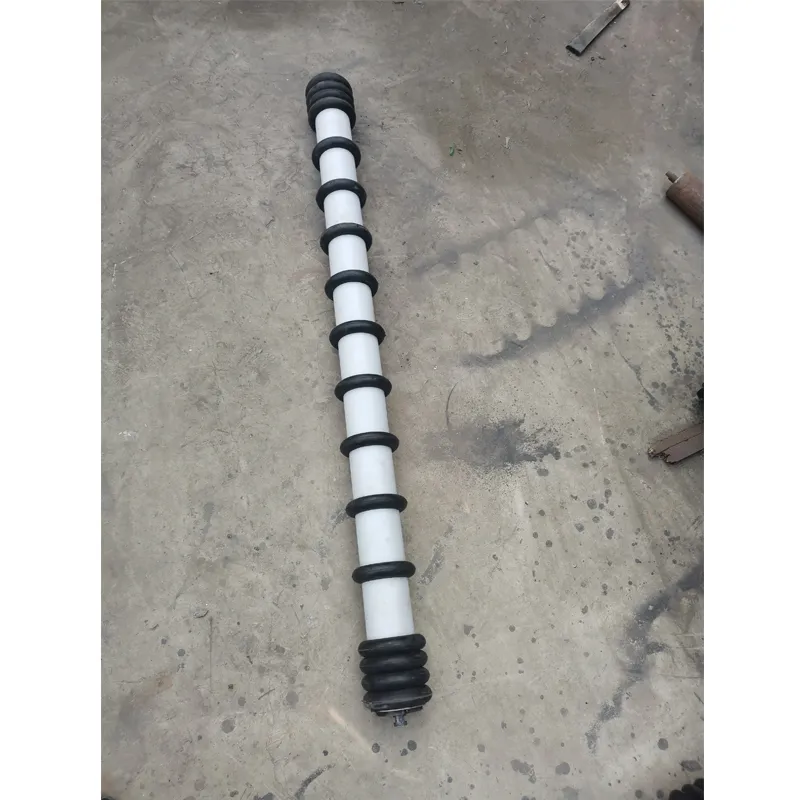
- Rubber Application and Vulcanization: The prepared rubber compound is applied to the roller shell. For many rubber coated conveyor rollers, this involves a hot vulcanization process where the roller is heated under pressure, chemically bonding the rubber to the metal shell. This process ensures a robust, inseparable bond and optimal physical properties of the rubber. The comb-shaped roller uses pre-molded rubber rings.
- Finishing and Grinding: After vulcanization, the rubber coating is precision ground to achieve the desired outer diameter, concentricity, and surface finish. This ensures smooth operation and even belt tracking.
- Dynamic Balancing: To minimize vibration and extend bearing life, each roller undergoes dynamic balancing on specialized equipment (e.g., ISO 1940-1, G16 tolerance).
- Quality Control and Testing: Each finished roller undergoes rigorous testing including:
- Dimensional Inspection: Verification of roller diameter, length, and shaft dimensions against engineering drawings.
- Run-out Testing: Measurement of radial and axial run-out to ensure smooth rotation, typically against ISO 1537 or CEMA standards.
- Rotational Resistance: Testing the friction generated by bearings and seals to ensure energy efficiency.
- Adhesion Strength Test: Non-destructive testing or spot destructive testing to confirm the integrity of the rubber-to-metal bond.
- Visual Inspection: Checking for surface defects, coating uniformity, and overall build quality.
- Packaging and Dispatch: Rollers are carefully packaged to prevent damage during transit, often with protective wraps and crating, ready for shipment to target industries such as petrochemical, metallurgy, mining, and water supply & drainage.
Technical Advantages and Performance Benefits
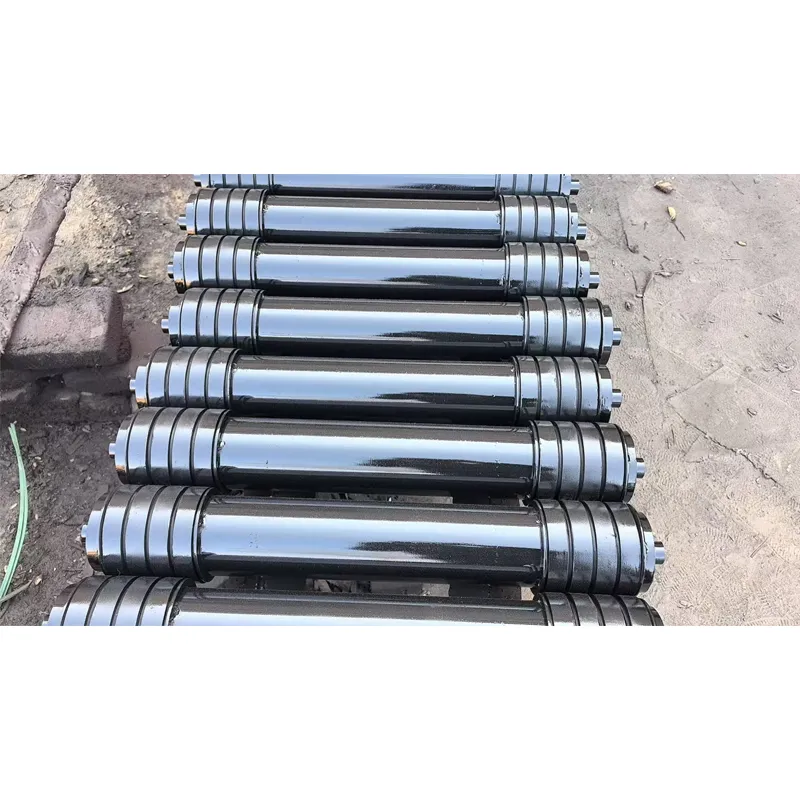
The strategic integration of rubber coated conveyor rollers into material handling systems offers a multitude of technical and operational advantages that significantly enhance overall system performance and economic viability.
- Superior Belt Protection: The resilient rubber surface minimizes wear and tear on the conveyor belt itself, extending its operational life. This soft contact reduces belt slippage, preventing premature degradation and material loss.
- Enhanced Grip and Tracking: The high coefficient of friction of the rubber coating ensures superior grip, particularly on incline/decline conveyors or with wet/slippery materials, preventing material rollback and ensuring consistent product flow. This also aids in accurate belt tracking, reducing edge damage.
- Noise Reduction: The inherent dampening properties of rubber significantly reduce operational noise levels, contributing to a safer and more compliant working environment, especially crucial in enclosed industrial settings.
- Impact Absorption: Rubber coatings effectively absorb impact energy from falling materials, protecting both the roller and the conveyor belt from damage, especially at loading points. This is critical for conveying bulk, heavy, or sharp materials.
- Corrosion and Abrasion Resistance: Depending on the rubber compound chosen (e.g., EPDM for weather/chemical resistance, SBR for abrasion), these rollers offer excellent protection against environmental elements, corrosive substances, and abrasive materials, extending their service life in challenging conditions.
- Material Build-up Prevention: For applications handling sticky or fine materials, specialized comb-shaped rubber coated conveyor rollers (like the Return Comb Shaped Roller) actively dislodge material build-up from the return side of the belt, preventing carry-back and maintaining system cleanliness and efficiency. This design feature specifically enhances energy saving by reducing friction and wear from accumulated debris.
- Reduced Maintenance & Downtime: The robust construction and protective features lead to fewer component failures, resulting in decreased maintenance requirements and a significant reduction in costly downtime.
Application Scenarios Across Key Industries
The versatility and robust performance of rubber coated conveyor rollers make them indispensable across a broad spectrum of heavy industrial applications, where reliability and material protection are paramount. Their design caters to challenging environments and diverse material handling requirements.
- Mining and Mineral Processing: In operations dealing with abrasive ores, coal, and aggregates, the impact absorption and abrasion resistance of rubber coatings significantly extend roller and belt life. They prevent material spillage and facilitate smooth conveyance of heavy, irregularly shaped loads.
- Cement and Quarry Industries: Handling clinker, limestone, and sand demands rollers capable of withstanding high impact and constant abrasive wear. Rubber coated rollers excel here by protecting the belt from sharp edges and heavy loads, ensuring continuous operation.
- Steel and Metallurgy: Conveying hot metal scraps, iron ore, and other high-temperature materials requires rollers with heat-resistant rubber compounds. The damping effect also reduces noise in these often loud environments.
- Power Generation (Coal-Fired Plants): Transporting coal from stockyards to bunkers involves heavy loads and dusty conditions. Rubber coated rollers offer excellent resistance to dust ingress and provide robust support for high-volume material flow.
- Port Terminals and Bulk Handling: For loading and unloading bulk commodities like grain, fertilizer, and minerals from ships, durability against external weather conditions and heavy, continuous loads is critical. The enhanced grip also prevents spillage during rapid loading.
- Water Supply & Drainage / Wastewater Treatment: In these environments, exposure to moisture and sometimes corrosive chemicals is common. Rollers with specific rubber compounds (e.g., EPDM, NBR) can offer enhanced corrosion resistance, ensuring longevity in demanding, wet conditions.
- Petrochemical Industry: For conveying raw materials or waste products, rollers made with oil-resistant NBR rubber are crucial to prevent degradation from hydrocarbons, ensuring system integrity and safety.
In each of these scenarios, the ability of rubber coated conveyor rollers to reduce belt wear, mitigate impact, minimize noise, and resist environmental degradation translates directly into lower operating costs, increased productivity, and enhanced safety.
Vendor Comparison: Rubber Coated vs. Other Roller Types
Selecting the optimal conveyor roller requires a comprehensive understanding of the trade-offs between different types. While rubber coated conveyor rollers offer a blend of durability and belt protection, other options like PVC conveyor rollers and magnetic conveyor rollers serve niche applications effectively. Below is a comparative analysis:
Conveyor Roller Type Comparison
| Feature | Rubber Coated Conveyor Rollers | PVC Conveyor Rollers | Magnetic Conveyor Rollers |
|---|---|---|---|
| Primary Advantage | Superior belt protection, impact absorption, noise reduction, enhanced grip, abrasion/corrosion resistance. | Lightweight, low noise, corrosion resistance (water/chemicals), cost-effective for light duties, food-grade options. | Ability to handle/separate ferrous materials, gentle product handling, no moving parts contact product. |
| Material Handling | Heavy-duty bulk materials (ore, coal, aggregates), sticky materials, sharp objects. | Light to medium-duty packages, food items, pharmaceutical products, non-abrasive materials. | Ferrous scrap, metal parts, sorting applications, can be used for conveying non-ferrous with specialized designs. |
| Durability/Lifespan | High; excellent in harsh, abrasive environments. Long service life (>50,000 hrs). | Medium; good in clean, non-abrasive environments. Shorter life than rubber coated in heavy use. | High (for magnets); external components subject to wear. Designed for specific tasks. |
| Cost | Medium to High (initial investment justified by long-term savings). | Low (economical for light-duty applications). | High (specialized components and engineering). |
| Noise Level | Low (rubber dampens sound and vibration). | Low (inherently quieter than steel). | Low to Medium (depending on mechanism and speed). |
| Key Applications | Mining, Cement, Ports, Power Plants, Heavy Manufacturing. | Food processing, Packaging, Light assembly, Warehousing. | Scrap metal handling, Recycling, Automotive, Machining. |
This comparison underscores that while rubber coated conveyor rollers are ideal for robust, high-performance industrial tasks where longevity and belt protection are key, alternative roller types provide specific advantages for lighter-duty or specialized material handling needs. The selection process must always align with the precise operational demands and material characteristics.
Customized Solutions for Unique Industrial Demands
Recognizing that standard solutions may not always suffice for highly specialized industrial processes, we offer extensive customization options for rubber coated conveyor rollers. Our engineering team collaborates closely with clients to develop tailored roller solutions that precisely meet specific operational parameters, material properties, and environmental conditions. This bespoke approach ensures optimal performance and integration within existing or new conveyor systems.
Customization Parameters Include:
- Dimensions: Custom diameters, lengths, and shaft dimensions to fit unique conveyor frames and belt widths.
- Rubber Compound: Selection of specific rubber formulations (e.g., Natural Rubber for abrasion, SBR for general purpose, NBR for oil resistance, EPDM for chemical/weather resistance, Neoprene for flame resistance) to optimize performance against specific environmental factors.
- Coating Thickness & Profile: Adjustable rubber thickness for enhanced impact absorption or extended wear life. Specialized profiles, such as herringbone or comb shapes, can be designed for improved belt cleaning and tracking.
- Shaft Material & Configuration: Options for stainless steel shafts for corrosive environments, specialized alloys for high-stress applications, or unique shaft end machining (e.g., square, hexagonal, D-cut) for specific mounting requirements.
- Bearing & Seal Systems: Selection of heavy-duty bearings for high load/speed applications, specialized seals for extreme dust or wet conditions, or corrosion-resistant stainless steel bearings.
- Antistatic Properties: For environments with explosive dust or gases, rollers can be equipped with antistatic rubber coatings to prevent static charge buildup, conforming to ATEX directives.
Our design process integrates advanced CAD modeling and finite element analysis (FEA) to simulate performance under various load conditions, ensuring that customized rubber coated conveyor rollers meet or exceed the required operational benchmarks. This commitment to precision and adaptability positions us as a trusted partner for complex material handling challenges.
Application Case Studies: Proven Performance in Action
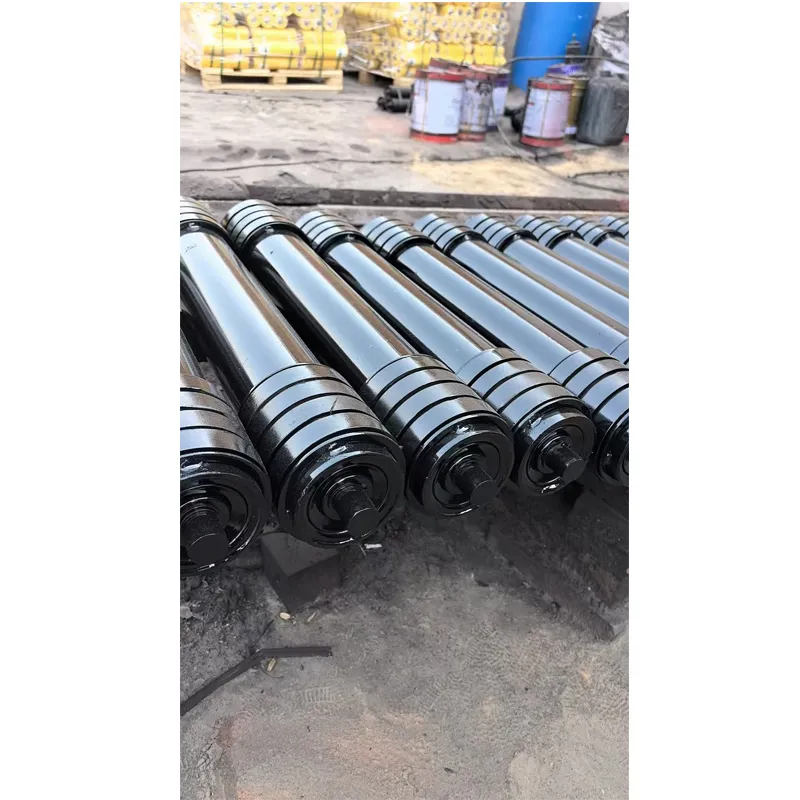
Our commitment to delivering high-performance rubber coated conveyor rollers is validated by their successful implementation in demanding industrial settings globally. These case studies highlight real-world applications and the tangible benefits our clients have realized.
Case Study 1: Coal Handling at a Major Power Plant
- Challenge: A large coal-fired power plant faced significant issues with conveyor belt wear and frequent downtime due to impact damage at transfer points and excessive material buildup on return rollers, leading to high maintenance costs and reduced operational efficiency.
- Solution: We supplied heavy-duty rubber coated conveyor rollers for the main troughed sections, specifically designed with high-impact rubber compounds, and implemented our Return Comb Shaped Rollers on the return side.
- Results:
- Belt Life Extension: Average conveyor belt lifespan increased by 35% due to reduced impact and abrasion.
- Maintenance Reduction: Downtime for roller replacement and belt cleaning was reduced by 40%, leading to substantial savings in labor and parts.
- Energy Efficiency: The comb-shaped rollers effectively cleaned the belt, reducing drag and contributing to a 5% reduction in energy consumption for the conveyor system.
Case Study 2: Mineral Processing in an Underground Mine
- Challenge: An underground copper mine experienced severe roller degradation and material slippage on incline conveyors due to abrasive ore, high humidity, and limited accessibility for maintenance.
- Solution: Custom-designed rubber coated conveyor rollers with a specialized abrasion-resistant natural rubber compound (Shore A 80) and enhanced sealed bearing units were installed.
- Results:
- Durability Increase: Roller service life extended by over 60%, significantly reducing the frequency of hazardous underground replacements.
- Improved Throughput: Enhanced grip eliminated material rollback on inclines, leading to a consistent material flow and a 10% increase in overall system throughput.
- Reduced Spillage: Better belt tracking and impact absorption at loading zones drastically cut down on material spillage, improving safety and cleanliness.
Frequently Asked Questions (FAQ)
- Q: What makes rubber coated conveyor rollers superior to plain steel rollers?
- A: Rubber coated rollers offer several key advantages: they protect the conveyor belt from wear and impact, reduce noise, provide superior grip to prevent slippage, and can be formulated to resist abrasion, chemicals, or heat, significantly extending system lifespan and reducing maintenance.
- Q: How do you ensure the quality and durability of your rollers?
- A: Our manufacturing process adheres to international standards like ISO 1537 and ISO 9001:2015. We conduct rigorous testing including dimensional checks, radial run-out tests, rotational resistance measurements, and dynamic balancing. We also use high-quality raw materials and precision engineering techniques (CNC machining, hot vulcanization) to ensure exceptional product integrity and a service life typically exceeding 50,000 hours.
- Q: Can these rollers be customized for specific operating conditions?
- A: Absolutely. We offer extensive customization options for dimensions, rubber compound types (e.g., natural rubber, SBR, NBR, EPDM), coating thickness, shaft materials (e.g., stainless steel), and bearing/seal configurations. Our engineering team works with clients to design rollers optimized for their unique requirements, including extreme temperatures, corrosive environments, or specific material handling challenges.
- Q: What is the typical lead time for an order?
- A: Standard orders for our Return Comb Shaped Rollers typically have a lead time of 3-4 weeks from order confirmation. For highly customized solutions, lead times may vary from 6-8 weeks, depending on the complexity and material sourcing. We prioritize clear communication regarding fulfillment details at every stage of the order process.
Lead Time, Warranty, and Customer Support
We are committed to providing not only superior products but also exceptional service throughout the entire customer journey. Our streamlined processes ensure efficient fulfillment and robust post-sales support.
Lead Time & Fulfillment:
Our standard lead time for most rubber coated conveyor rollers ranges from 3-4 weeks. This allows for meticulous manufacturing, rigorous quality control, and efficient logistics planning. For urgent requirements, expedited production options may be available upon request and assessment of current production schedules. We provide transparent updates on order status, from manufacturing to shipment, ensuring timely delivery.
Warranty Commitments:
All our rubber coated conveyor rollers are backed by a comprehensive warranty of 18 months from the date of shipment or 12 months from installation, whichever comes first. This warranty covers manufacturing defects and material failures under normal operating conditions. Our commitment reflects our confidence in the quality and longevity of our products, providing peace of mind to our clients.
Dedicated Customer Support:
Our dedicated technical support team is available to assist with product selection, technical inquiries, installation guidance, and troubleshooting. We offer responsive after-sales service, including spare parts availability and expert advice, to ensure the continuous and efficient operation of your conveyor systems. Our goal is to forge lasting partnerships by providing reliable support that extends beyond the initial purchase.
References
- ISO 1537: "Conveyor belts — Test method for the determination of friction between a conveyor belt and a roller." International Organization for Standardization, 2017.
- CEMA (Conveyor Equipment Manufacturers Association) Standard 575: "Conveyor Idler Design and Application." CEMA, 2017.
- ASTM D2240: "Standard Test Method for Rubber Property—Durometer Hardness." ASTM International, 2015.
- ISO 9001: "Quality management systems — Requirements." International Organization for Standardization, 2015.
- Ghadimi, A., & Pradhan, B. "Optimizing conveyor belt life through advanced roller material selection in mining operations." Journal of Mining Science and Technology, 2019, 29(4), 543-551.
- "Energy Efficiency in Belt Conveyor Systems." Belt Conveyor Journal, Vol. 12, Issue 3, 2021, pp. 45-52.