Understanding Material Conveyor: Backbone of Modern Industry and Logistics
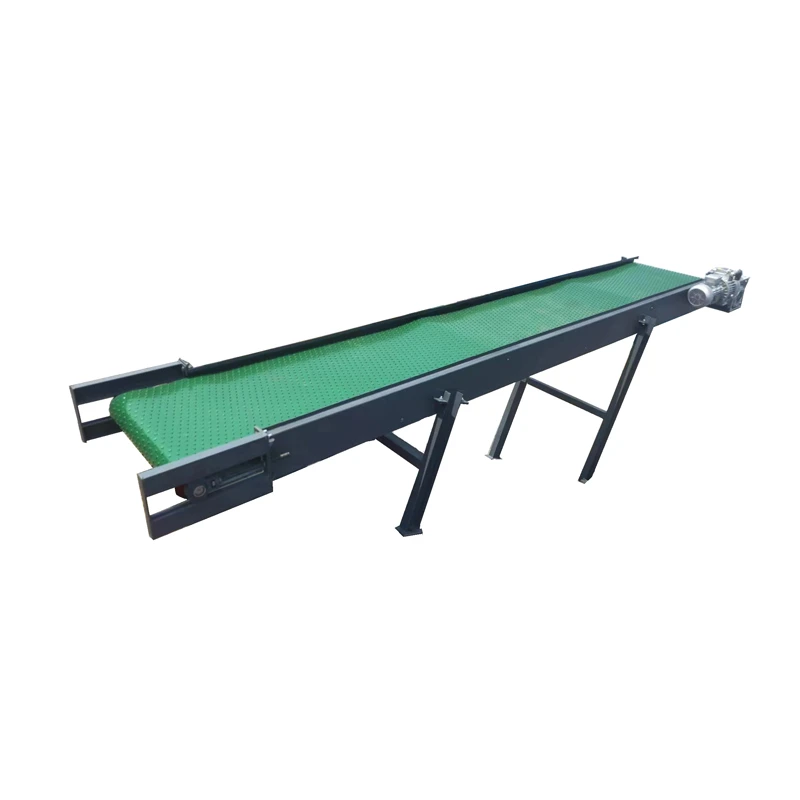
If you haven’t worked closely in industries like mining, manufacturing, or logistics, the term material conveyor might sound a bit abstract—but it’s honestly one of those unsung heroes keeping the gears of the global economy turning. Simply put, material conveyors are mechanical systems designed to transport materials efficiently from point A to point B—be it raw ores, packaged goods, or even post-disaster supplies. This seemingly simple concept is pivotal not just in industrial contexts but also in humanitarian missions worldwide.
Why does this matter on a global scale? For starters, automation and speed in material handling can directly influence productivity, safety, and cost savings at an industrial level. On a broader lens, it also reduces human labor risks and facilitates faster delivery in critical relief operations. According to the International Organization for Standardization (ISO), efficiency improvements in material handling boost worldwide manufacturing outputs by up to 15%. That’s no small feat.
Global Relevance and Industry Context
Material conveyors hold a unique position as the backbone of multiple industries. From the massive iron ore conveyor belts that stretch kilometers in Australia’s mines, to the nimble roller conveyor systems used in pharmaceutical packaging plants in Europe, their application is vast and diversified. The World Bank reports that increasing automation through conveyors in logistics centers can cut down shipment delays by 30%, a win-win for economies and consumers alike.
However, the challenge remains: how do industries deploy material conveyors that are both cost-effective and sustainable? The demand for efficient material handling grows as global supply chains expand and environmental regulations tighten. This makes understanding the nuances and innovations in material conveyors more than just an industrial curiosity—it’s a global imperative.
What Exactly Is a Material Conveyor?
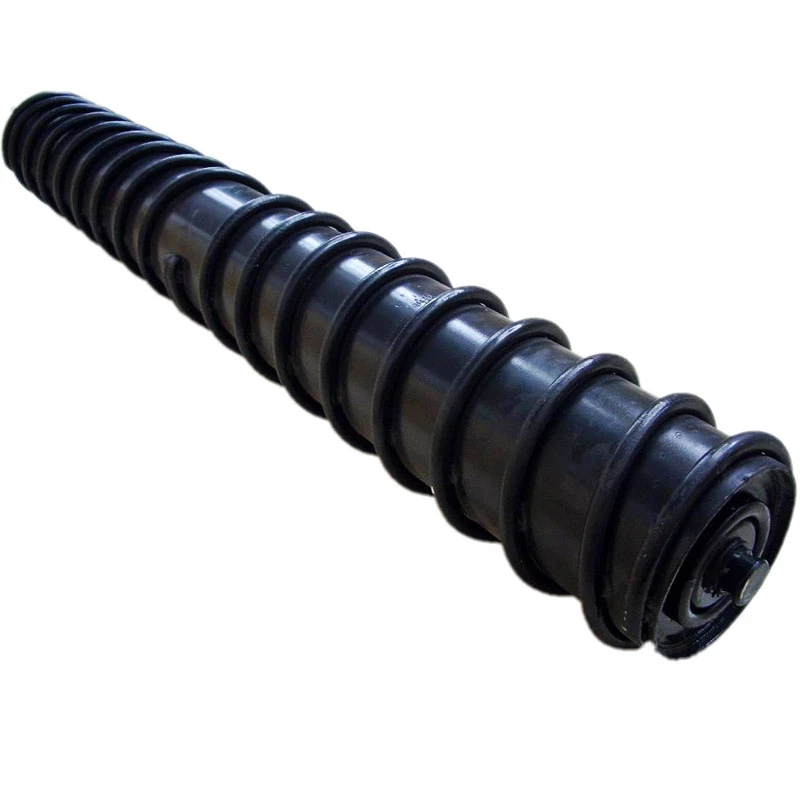
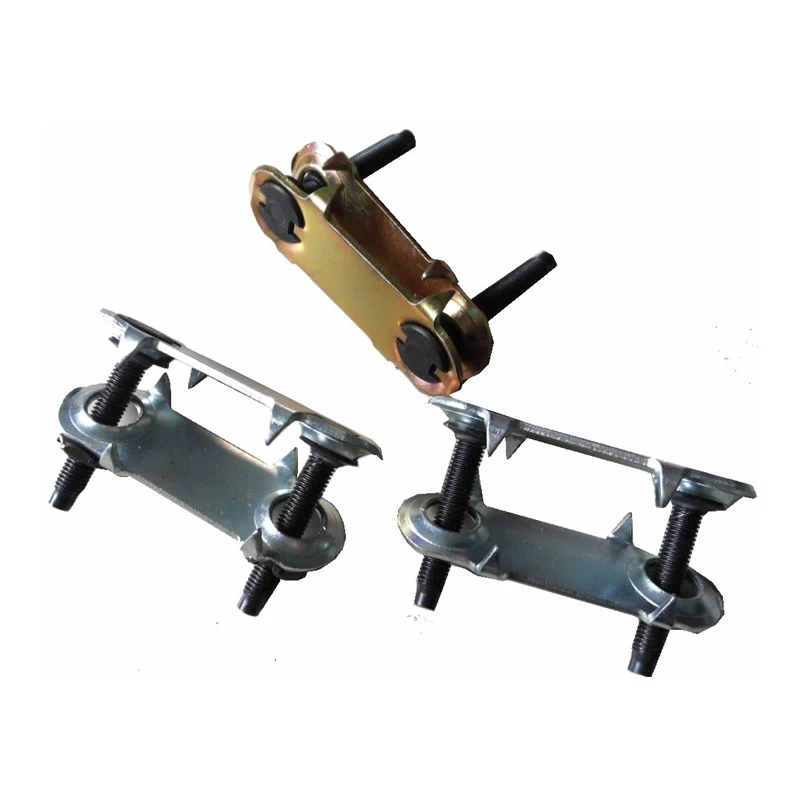
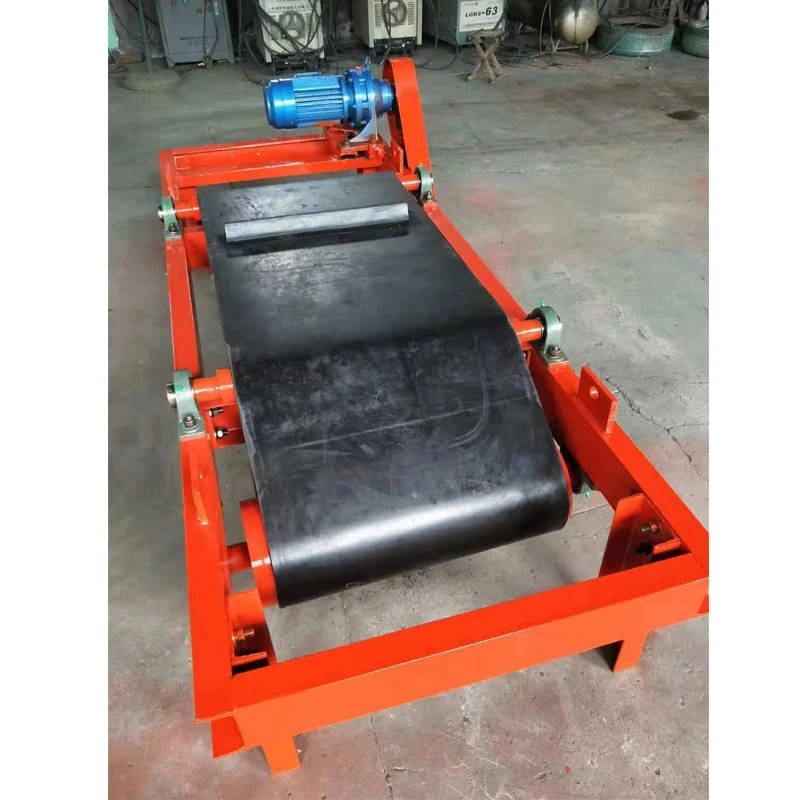
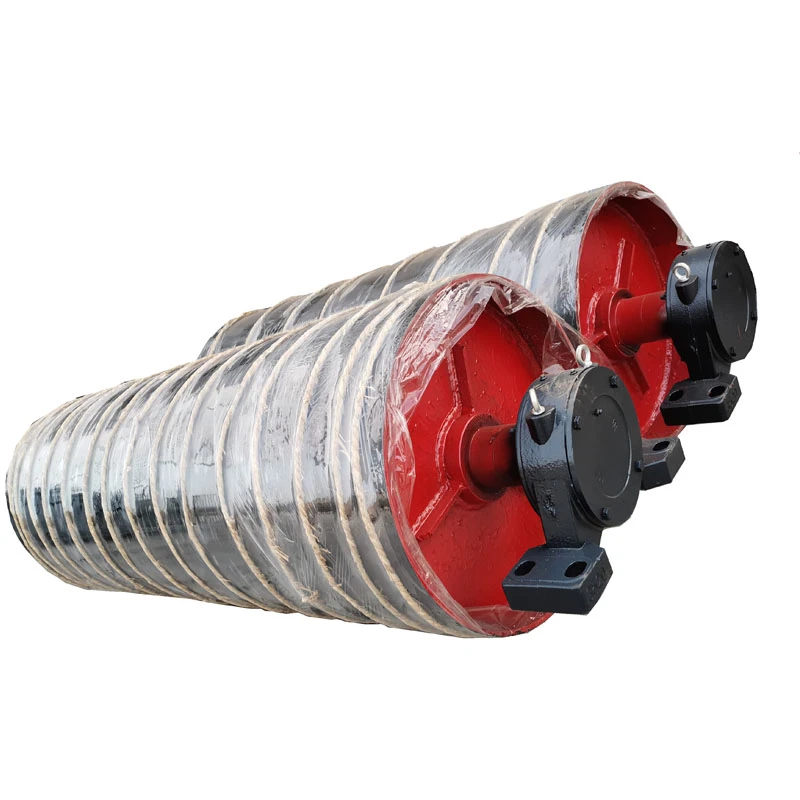
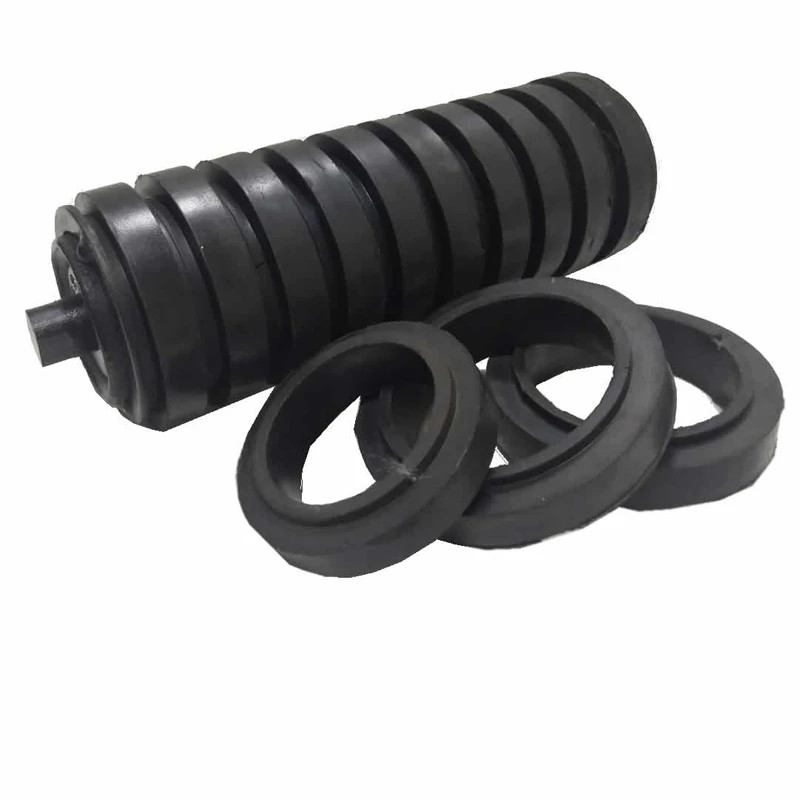
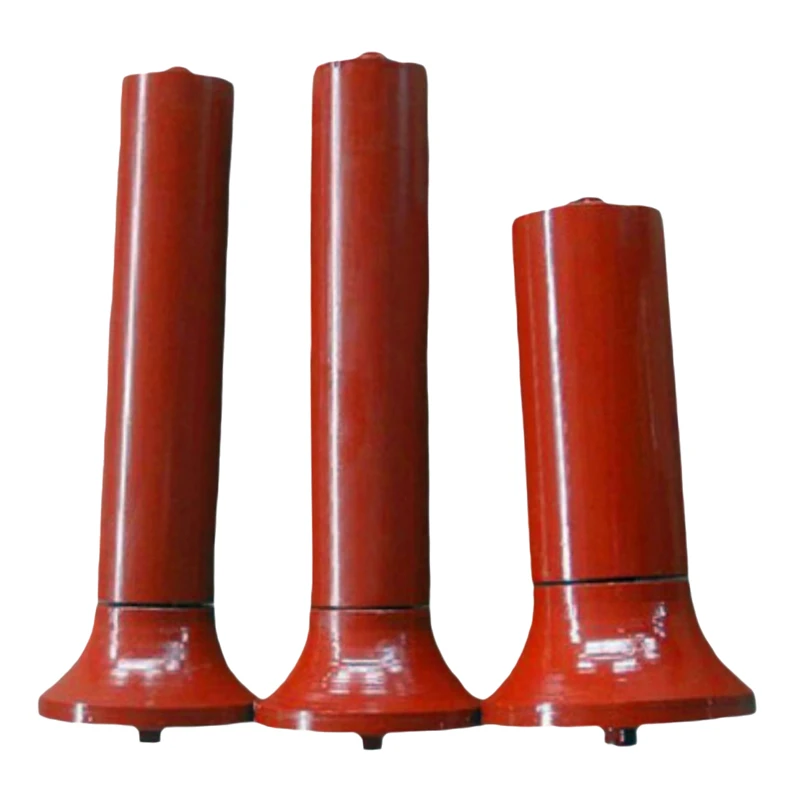
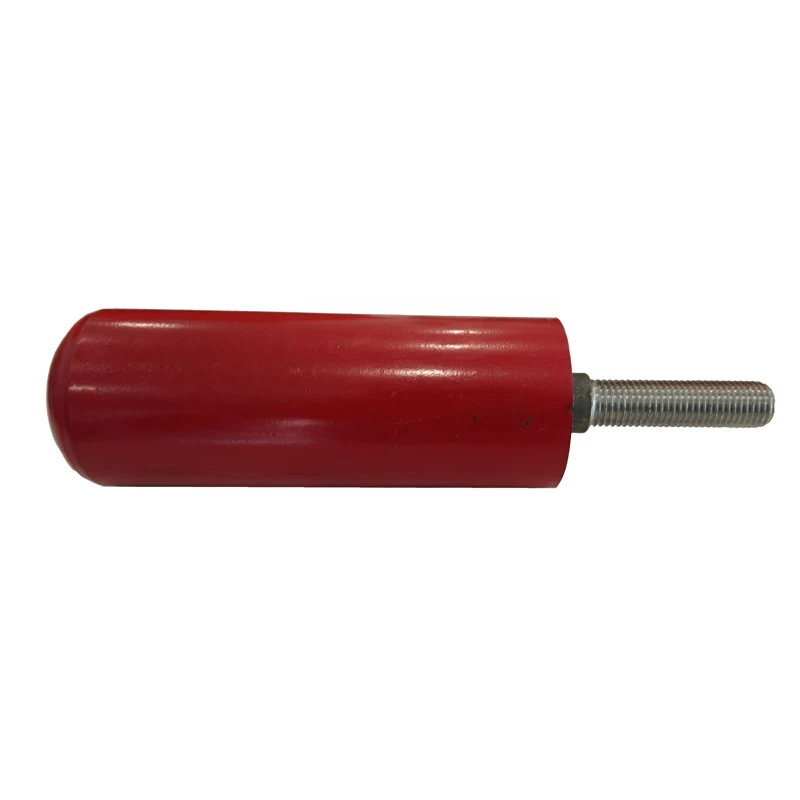
In straightforward terms, a material conveyor is any system—often comprising belts, rollers, pulleys, or chains—that mechanically moves materials between locations. Think of them as motorized arms, tirelessly shuttling goods without breaks or complaints. Their design varies widely depending on the material type (bulk solids or discrete packages), distance, and environment.
These systems are critical to modern industry’s push for automation and efficiency. Oddly enough, they’re also vital in humanitarian contexts. For instance, during emergency response, conveyor systems can rapidly move relief materials across storage zones or unloading docks, ensuring aid reaches those in need faster and more reliably.
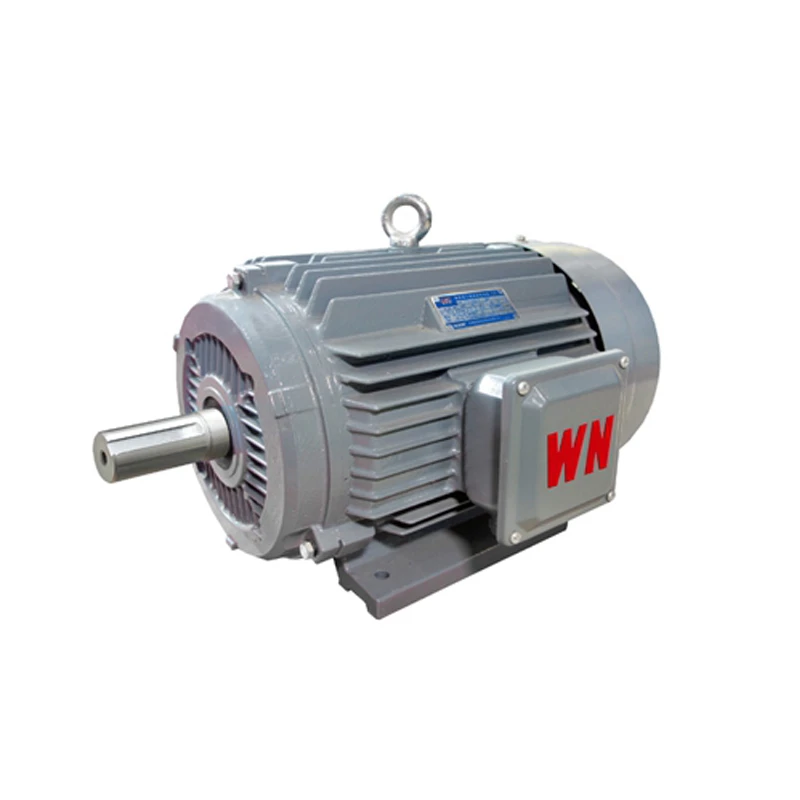
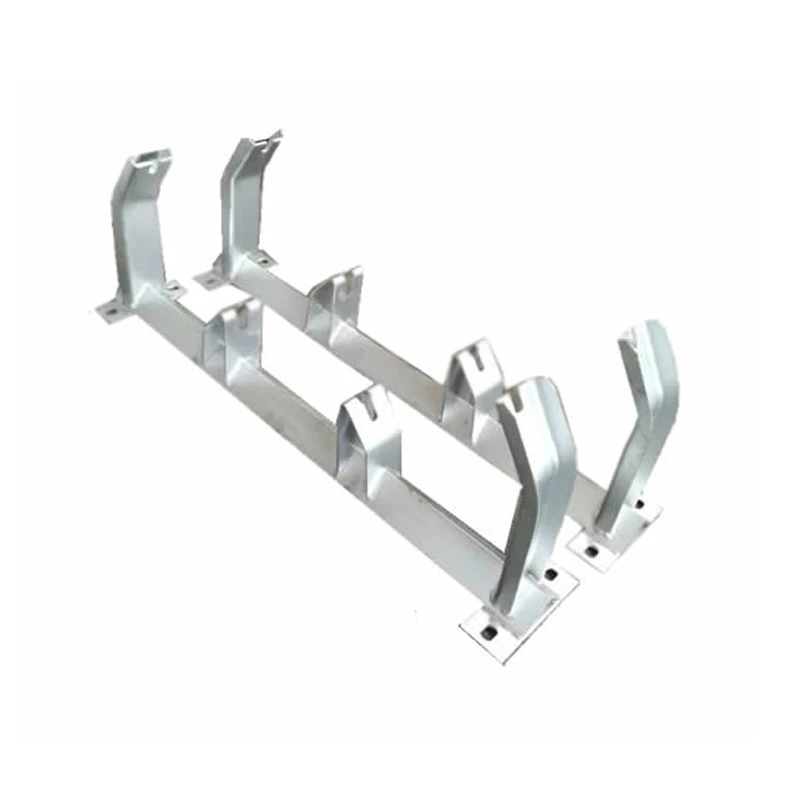
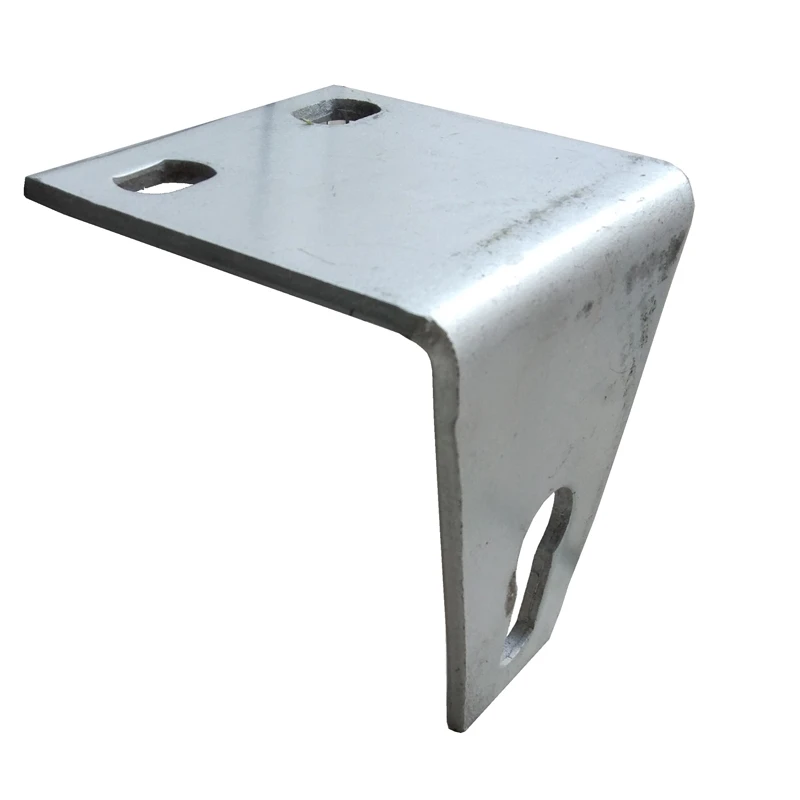
Key Components of Material Conveyor Systems
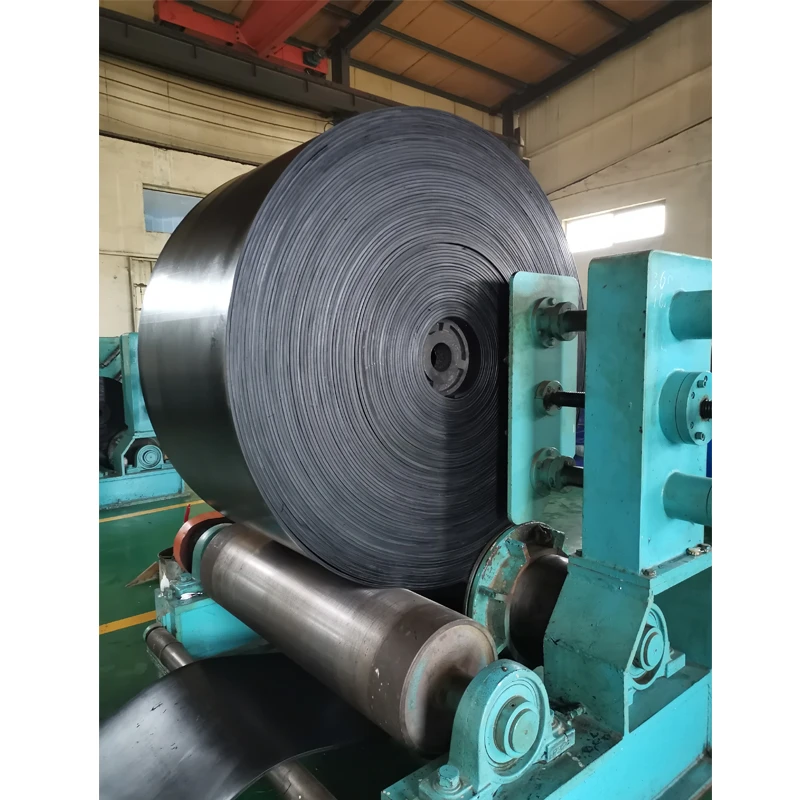
- Durability: Conveyors must resist wear and tear, especially when carrying abrasive or heavy loads. Choosing robust materials like reinforced rubber belts or stainless steel rollers can extend lifespan significantly.
- Scalability: Systems should adapt easily to fluctuating volumes or expanded factory lines. Modular designs help engineers tweak layouts without major downtime.
- Cost Efficiency: While upfront costs vary, long-term savings from reduced labor and downtime make conveyors economically attractive for many industries.
- Automation Compatibility: Modern conveyors often integrate with sensors and software to monitor speed, load, and maintenance needs real-time, promoting smarter operations.
- Safety Features: Because conveyors can pose risks, features like emergency stops, guards, and overload sensors are essential to protect operators.
- Environmental Suitability: From dusty mining sites to sterile pharmaceutical plants, conveyors need designs tailored for their specific setting, including temperature controls or dust-proof seals.
Mini takeaway: The core strengths of a material conveyor lie in balancing durable materials, adaptable design, and technology integration to deliver consistent, safe operation.
Global Applications & Use Cases
Material conveyors appear everywhere, more than you might expect. In Asia’s booming e-commerce hubs, conveyor belts speed up sorting centers to handle millions of packages daily. In Africa’s mining sector, long-distance conveyors transport tonnages of minerals, linking remote extraction points to processing plants. Oddly enough, in post-disaster zones, humanitarian groups deploy temporary conveyors to accelerate the distribution of food and medical supplies, saving countless lives.
Take, for example, a mining operation in Canada that installed a conveyor stretching over 7 kilometers—previously covered by truck routes. This leap cut carbon emissions and logistics costs drastically, while speeding up throughput. Or consider industrial zones in Germany where modular roller conveyors allow swift changes in factory layout each season to meet variable demand.
Material Conveyor Product Specification Table
| Specification | Standard Belt Conveyor | Heavy-Duty Roller Conveyor | Modular Chain Conveyor |
|---|---|---|---|
| Max Load Capacity | 2,000 kg/m | 10,000 kg/m | 5,000 kg/m |
| Speed | 0.5 - 3 m/s | 0.3 - 1.5 m/s | 0.2 - 2 m/s |
| Environment Suitability | Indoor/Outdoor | Outdoor/Dusty | Indoor/Corrosive |
| Power Source | Electric Motor | Electric/Hydraulic | Electric Motor |
Advantages and Long-Term Value of Material Conveyors
Honestly, the most compelling argument for adopting material conveyors lies in their cost-effectiveness over time. Fewer manual handlers mean fewer labor costs and injury risks. Plus, they offer consistent throughput — which is gold when meeting tight deadlines or demand surges.
From a sustainability standpoint, conveyors typically consume less energy per transported unit than trucks or forklifts, especially when long distances are involved. This aligns with global environmental goals outlined by the UN Framework Convention on Climate Change. There’s also a social dimension — conveyors make workplaces safer and less physically demanding, promoting worker dignity and trust in management.
Mini takeaway: Material conveyors aren’t just machines on a line; they’re investments in safety, sustainability, and scalability.
Future Trends & Innovations in Material Conveyor Technology
Looking ahead, the conveyor industry is buzzing with exciting innovations. Digital transformation means more conveyors feature IoT sensors and AI analytics to predict faults before breakdowns occur—a game-changer for maintenance.
Green energy integration, such as solar-powered motors or regenerative braking systems, encourages sustainable operation. There’s also a push toward modular, lightweight materials like carbon fiber composites that improve strength-to-weight ratios and ease installation.
Automation is shaping flexible smart factories, where conveyors auto-adjust speeds or directions to optimize product flow in real time. It’s frankly fascinating how this marriage of old-school mechanical engineering and cutting-edge tech is unfolding.
Challenges and Expert Solutions
Challenges? Sure, conveyors aren’t perfect. Initial capital costs can be high, and improper design might lead to frequent downtime or safety issues. Material spillage, belt misalignment, and energy inefficiency remain thorny problems.
Experts recommend thorough site analyses and selecting conveyors tailored for specific materials and environments. Predictive maintenance using sensors dramatically cuts downtime. And integrating emergency stop systems and protective guarding minimizes injury risks. There’s also a growing trend to retrofit older conveyors with modern controls to extend their operational life.
Vendor Comparison Table for Material Conveyors
| Vendor | Product Range | Customization | Global Presence | Warranty & Support |
|---|---|---|---|---|
| ConveyorCo | Standard, Heavy-Duty, Modular | High | Global (50+ Countries) | 5 Years + 24/7 Support |
| BeltSystems Ltd. | Focus on Belt Conveyors | Medium | Europe & Asia | 3 Years + Remote Diagnostics |
| RollerTech | Heavy-Duty Roller Conveyors | Low | North America | 2 Years + On-site Service |
Frequently Asked Questions about Material Conveyor
Q1: What types of materials can material conveyors transport?
A1: Material conveyors are versatile and can handle bulk solids like coal or grain, discrete items like boxes or parts, and specialized materials in pharmaceuticals. The key is matching the conveyor type and material with the application to avoid damage and downtime.
Q2: How do conveyor systems improve safety in industrial environments?
A2: Conveyors reduce manual lifting and transport, lessening workers’ strain and risk of injury. Built-in safety features like emergency stops and guarding prevent accidents. Additionally, clear signage and proper maintenance sustain safe operations over time.
Q3: Can material conveyors be customized for unique operational needs?
A3: Absolutely. Many vendors offer modular components and design services to tailor conveyors for load, speed, environment, and integration with automation systems. Customizing helps optimize productivity and minimize costs.
Q4: How does conveyor automation contribute to sustainability?
A4: Automation enables precise operation—speeds adjust to demand, minimizing energy waste. Predictive maintenance avoids unexpected failures, extending equipment life. Some conveyors also incorporate energy-recovery technologies, aligning with sustainability goals.
Conclusion: Material Conveyors as Engines of Efficiency and Innovation
In the grand tapestry of modern industry and logistics, material conveyors play an essential, if quietly backgrounded, role. They combine mechanical reliability with increasing digital sophistication to boost efficiency, safety, and sustainability worldwide. Whether in sprawling mining sites or nimble packaging lines, conveyors keep essential goods moving — and honestly, that’s what keeps economies and emergency relief efforts alive.
For those curious about finding the right system or learning more, visit our site at https://www.hgconveyorbelt.com, where you'll find detailed resources about material conveyor solutions tailored for diverse needs.
If you found this journey into the world of material conveyors intriguing or helpful, take a moment and reflect on the simple yet profound impact these systems have globally. I’ve found there’s always more to learn about them — they’re an endlessly fascinating blend of engineering precision and practical problem-solving.