Understanding the Bucket Elevator Conveyor: A Vital Industrial Backbone
You might hear the term bucket elevator conveyor tossed around in industrial circles like it’s just another piece of factory jargon. But frankly, this equipment is more than a conveyor belt with a twist—it’s a lifeline for industries moving bulk materials vertically, efficiently, and reliably. The really fascinating part? Its global importance, spanning agriculture, mining, and even humanitarian relief efforts. Let’s break down what it is, why it’s mattering more than ever, and how innovations are shaping its future.
Global Context and Why It Matters
The global bulk material handling market is projected to grow steadily, fueled by increasing demand in food processing, mining, and construction industries. For example, according to ISO standards, up to 30% of industrial equipment downtime can be attributed to inefficient material handling. That’s massive, right? The bucket elevator conveyor addresses a specific challenge: moving loose materials vertically without spillage or damage. Whether grains in a silo or ore in a mine, the problem it solves is universal and serious.
Oddly enough, industries in emerging markets often feel this acutely. In fact, the UN Food and Agriculture Organization (FAO) reports significant post-harvest losses due to improper storage and handling. Efficient vertical conveyors reduce these losses and improve supply chain reliability worldwide, from India’s rice mills to Brazil’s coffee silos.
Mini Takeaway: The bucket elevator conveyor plays a crucial role globally by improving productivity and minimizing loss across a range of sectors—from developed factories to humanitarian supply chains.
What Is a Bucket Elevator Conveyor?
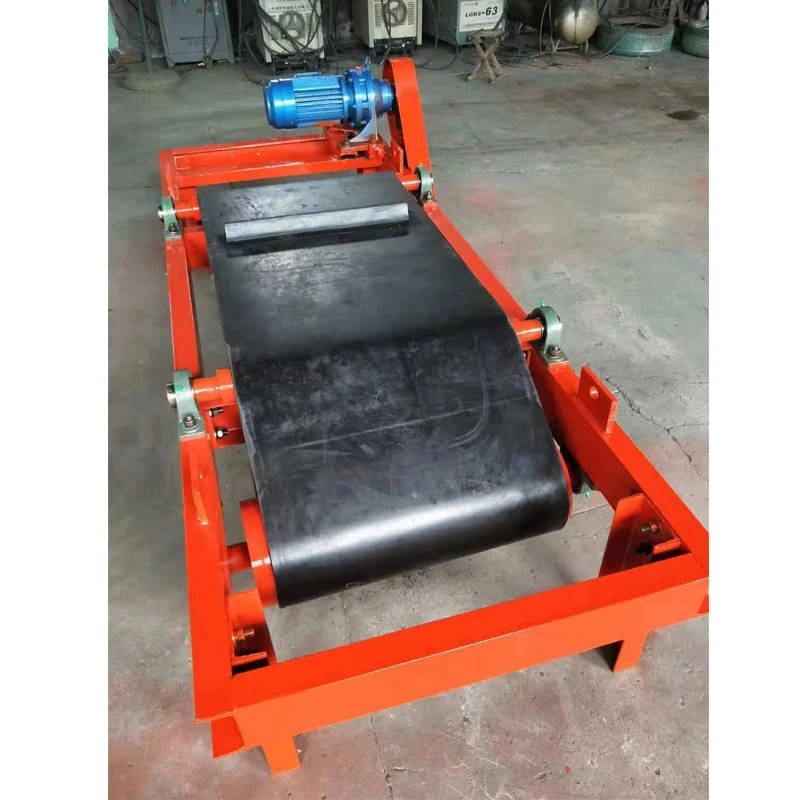
Simply put, a bucket elevator conveyor is a system designed to raise loose bulk materials vertically. It consists of a series of buckets attached to a belt or chain, scooping materials at one point and depositing them at another, often at a higher elevation. Think of it as a vertical conveyor belt but with specialized buckets to cradle and lift materials securely.
This system is essential in modern industry because it handles delicate or granular substances without significant breakage or contamination. In humanitarian contexts, say, moving grains or powders at disaster relief stockpiles, the bucket elevator conveyor ensures efficiency and minimization of wastage — something precious when resources are scarce.
Core Components and Their Importance
Here are key factors that make a bucket elevator conveyor effective:
- Durability: Heavy-duty buckets and robust belt or chain materials ensure long service life in abrasive or corrosive environments.
- Scalability: Modular designs allow the system to grow alongside demand – handy for industries with seasonal peaks.
- Energy Efficiency: Modern drives and low-friction designs reduce power consumption — crucial given today's sustainability goals.
- Customization: Buckets come in various sizes and shapes depending on the material’s nature (wet, dry, abrasive).
- Maintenance Accessibility: Ease of cleaning and parts replacement minimizes downtime, which engineers often say is “half the battle” in industrial uptime.
Mini Takeaway: When choosing or designing a bucket elevator conveyor, focus on durability and adaptability to align with industrial requirements while optimizing energy use.
Specifications at a Glance
| Specification | Typical Range | Notes |
|---|---|---|
| Material Type | Grains, Ore, Pellets, Powders | Material determines bucket design |
| Capacity | Up to 500 m³/hour | Varies by bucket size and speed |
| Belt Speed | 0.5 - 2.0 m/s | Must be optimized for material type |
| Lift Height | Up to 40 meters or more | Dependent on installation needs |
| Power Requirement | 1 - 30 kW | Matching capacity and speed |
Global Applications and Use Cases
Industries worldwide depend on bucket elevator conveyors, and it’s not just limited to factories. In Southeast Asia, rice mills use them extensively to transfer grains between storage and processing units. Similarly, mining operations in Australia utilize heavy-duty bucket conveyors to elevate copper ore for further crushing.
In more unexpected places, humanitarian organizations leverage these conveyors during disaster relief. For instance, after floods in sub-Saharan Africa, grain elevators equipped with bucket conveyors help safely move harvested crops into secure silos, preventing spoilage.
You’ll also find bucket conveyors in chemical plants, where precise vertical movement of raw materials is critical for safety and product quality.
Mini Takeaway: The bucket elevator conveyor’s versatility makes it invaluable across continents and industries, reinforcing its reputation as an industrial workhorse.
Advantages and Long-Term Value
Why invest in a bucket elevator conveyor? The benefits pile up pretty quickly:
- Cost Efficiency: Less spillage and damage translate to savings on wasted materials and reduced cleanup.
- Sustainability: Energy-efficient motors and lower material degradation support greener operations.
- Reliability: Robust designs ensure minimal downtime, keeping production lines humming.
- Safety: By enclosing materials inside buckets and controlled frames, dust and spills are reduced, protecting workers and environments.
- Social Impact: In humanitarian efforts, reliable material handling sustains livelihoods by preserving crop quality and food availability.
I suppose what’s most compelling is that this machine quietly underpins complex supply chains, enabling innovation and trust in industries and relief work alike.
Future Trends and Innovations
Looking ahead, it’s clear that bucket elevator conveyors are evolving with the times. Smart sensors for real-time monitoring and predictive maintenance are increasingly common, minimizing unexpected failures.
Materials are also improving: high-strength polymers replace traditional metals in some components to reduce weight and energy consumption. Additionally, the integration of renewable energy sources like solar-powered drives is on the rise, aligned with global sustainability goals.
And don’t forget automation—smart factories are starting to embed bucket elevator conveyors as part of fully integrated material handling systems, controlled remotely for maximum efficiency.
Challenges & Expert Solutions
While bucket elevator conveyors are robust, they do pose challenges. For one, abrasive materials wear down buckets and belts quickly. To tackle this, engineers often recommend abrasion-resistant linings or special bucket alloys.
Another issue is dust generation, which can lead to respiratory hazards and explosions in extreme cases. Proper enclosure, ventilation, and dust suppression systems are essential here.
Finally, installation constraints—especially in remote or compact facilities—can limit conveyor size or configuration. Modular designs and custom layouts are practical solutions often employed.
Vendor Comparison: Top Bucket Elevator Conveyor Suppliers
| Vendor | Material Options | Customization | Lead Time | Price Range |
|---|---|---|---|---|
| Apex Elevators | Steel, Polymer, Hybrid | High (custom buckets & lengths) | 6-8 weeks | $$$ |
| Global Conveyors Ltd. | Steel only | Medium | 4-6 weeks | $$ |
| EcoLift Systems | Polymer & recycled materials | High (focus on sustainability) | 8-10 weeks | $$$ |
Frequently Asked Questions About Bucket Elevator Conveyor
- How do I choose the right bucket size for my materials?
- Selecting bucket size depends on the material’s bulk density, moisture content, and fragility. Heavier materials need sturdier, sometimes smaller buckets to prevent overloading, while lighter ones benefit from larger buckets for efficiency. It’s best to consult with manufacturers based on your material specs.
- Can bucket elevator conveyors handle wet or sticky materials?
- Yes, but these materials can pose clogging risks. Special bucket designs with self-cleaning edges and non-stick coatings are often necessary. Also, reducing belt speed helps avoid spillage and buildup.
- What maintenance is required to keep a bucket elevator conveyor running smoothly?
- Routine inspection of belts, buckets, and pulleys is important to detect wear early. Lubrication of moving parts and checking alignment reduce downtime. Many experts recommend monthly maintenance for high-use systems.
- Is it possible to retrofit an existing conveyor system with bucket elevator conveyors?
- Often, yes. Retrofitting requires careful assessment of space and load requirements. Many manufacturers offer modular units designed for straightforward integration.
Conclusion: Why Bucket Elevator Conveyors Are Worth Your Attention
At the end of the day, bucket elevator conveyors may seem like a simple piece of industrial machinery, but their impact is far-reaching. They combine robustness, adaptability, and efficiency to tackle the vertical material handling challenge – a problem that, if solved well, translates to saved costs, safer workplaces, and better supply chains. If your operations rely on moving bulk materials upward, it’s time to consider how these conveyors could upgrade your workflow.
For more details and tailored solutions, check out bucket elevator conveyor providers that specialize in custom builds and sustainable innovations.
It feels like these systems quietly shape the backbone of many industries—and frankly, that’s something worth reflecting on next time you see a grain silo or mining operation humming along efficiently.
1. ISO Standards — ISO 5048: Bulk Material Handling
2. UN Food and Agriculture Organization — Post-harvest Losses
3. Global Bulk Material Handling Market Reports, 2023